
 English
 usheenthermal

Top Benefits of a Ceramic-Based Silicone-Free Thermal Conductive Pad
Date:2026-06-03
Top Benefits of a Ceramic-Based Silicone-Free Thermal Conductive Pad
Heat keeps crashing the party in modern electronics, and the Ceramic-based silicone-free thermal conductive pad steps in like a cleaner, tougher fix for messy, unreliable interfaces.
Old-school grease pumps out, silicone creeps where it should not, and production lines slow down when consistency goes sideways real fast today.
analyses from IDC and MarketsandMarkets indicate demand for silicone-free thermal interfaces across automotive electronics and data centers, driven by reliability standards and compliance requirements.
Reading Notes: Ceramic-based silicone-free thermal conductive pad Highlights
➔ Composition: Non-silicone polymer matrix with ceramic fillers (boron nitride, aluminum oxide) forms continuous thermal pathways while preserving dielectric strength.
➔ Performance: High thermal conductivity and low thermal impedance ensure rapid heat transfer, stable temperatures, and reliable long-term operation under thermal cycling.
➔ Applications: Perfect for power semiconductors, automotive electronics, LED modules, and medical devices—meets RoHS, UL, and REACH standards for clean, silicone-free assembly.
Ceramic-Based Silicone-Free Thermal Conductive Pad Explained
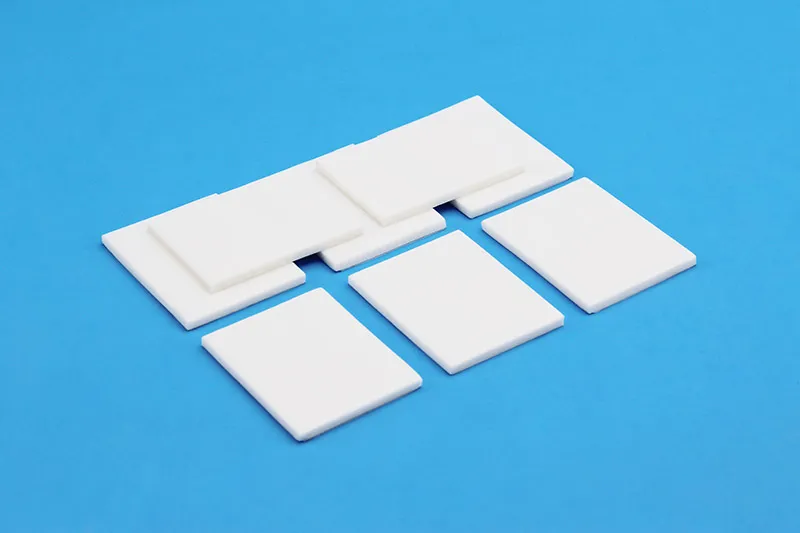
A Ceramic-based silicone-free thermal conductive pad sounds technical, yet its job is simple—move heat fast and stay stable. By blending advanced fillers into a smart base, this thermal interface material keeps electronics cool without silicone bleed. Let’s break down how a ceramic-based silicone-free thermal conductive pad actually works in real devices.
Unique Polymer Matrix with Ceramic Fillers
At the core of a Ceramic-based silicone-free thermal conductive pad sits a carefully tuned polymer matrix.
This silicone-free material composition locks in high-purity ceramic fillers, turning the whole sheet into a stable composite material.
Key elements inside the material structure:
· Hexagonal boron nitride for lateral heat flow
· Aluminum oxide for cost-efficient insulation
· Balanced formulation for dielectric strength
The polymer matrix suspends ceramic particles evenly. Fillers touch and overlap, forming thermal pathways. The result is consistent conductivity across the pad.
• No silicone oil migration
• Clean assembly environment
• Reliable insulation performance
This is why a ceramic-based silicone-free thermal conductive pad fits sensitive optics, automotive ECUs, and telecom boards where contamination just isn’t welcome.
Thermal Conductivity and Heat Dissipation Basics
A Ceramic-based silicone-free thermal conductive pad works by reducing thermal resistance between a chip and a heatsink. Heat leaves the device, crosses the interface material, and spreads into the cooling plate.
· thermal conductivity drives heat transfer efficiency
· Lower contact gaps improve temperature management
· Optimized thickness supports compact cooling solutions
“Advanced thermal interface materials are becoming central to next-generation power electronics reliability,” notes a 2025 IDTechEx thermal management outlook.
In short, a ceramic-based silicone-free thermal conductive pad helps hot spots cool down fast—no drama, no mess.
Compressibility, Conformability, and Surface Tack
Performance is not just about numbers. A ceramic-based silicone-free thermal conductive pad must adapt to uneven metal surfaces.
· compressibility allows controlled squeeze
· conformability improves gap filling
· surface tack keeps alignment steady
Process flow inside real assembly:
· Place pad onto PCB component.
· Apply pressure from heatsink.
· Pad deforms with elastic flexibility.
Air gaps shrink.
· Contact resistance drops.
· Stable adhesion forms without glue.
That balance of elasticity and structure keeps vibration from shaking things loose.
RoHS Compliance and Long-term Stability
Environmental rules matter. A ceramic-based silicone-free thermal conductive pad designed for RoHS compliance avoids restricted hazardous substances and supports environmental safety goals.
Under harsh cycling:
· High heat
· Repeated compression
· Long operating hours
The internal durability of the material degradation profile stays controlled, preserving reliability and extending product lifespan.
For brands seeking stable supply and clean chemistry, Sheen Technology develops each ceramic-based silicone-free thermal conductive pad with strict testing. In demanding markets, Sheen Technology keeps performance steady—year after year.
Need exact thermal conductivity, thickness range, dielectric strength, and reliability data before you choose? Download the product datasheets to compare ceramic-based silicone-free thermal conductive pad options.
5 Reasons to Choose Silicone-Free Thermal Pads
Modern electronics run hot, compact, and nonstop. A Ceramic-based silicone-free thermal conductive pad offers cleaner thermal management, stable heat dissipation, and safer material performance across industries. Let’s break down why this material upgrade makes real-world sense.
Superior Heat Transfer Efficiency Reduces Operating Temperature Range
When it comes to heat transfer and thermal conductivity, materials matter. A Ceramic-based silicone-free thermal conductive pad is engineered to move heat fast and evenly, supporting better temperature reduction and tighter control of operating temperature.
· High filler loading improves efficiency
· Stable structure enhances heat dissipation
· Low volatility supports long-term thermal management
Long story short: lower heat means longer component life and fewer thermal surprises.
Consistent Thermal Impedance for Power Semiconductors
Power modules hate instability. Fluctuating thermal impedance can shorten the life of power semiconductors and other electrical components. A Ceramic-based silicone-free thermal conductive pad keeps thermal resistance predictable, even under load swings.
It works like this:
Material Design
· Ceramic network improves consistency
· Silicone-free base avoids pump-out issues
Application Stability
· Maintains interface contact
· Supports reliability in semiconductor devices
According to a 2025 Yole Group power electronics report:
“Thermal interface stability is becoming a key differentiator in next-generation power module reliability.”
That stability is exactly where this pad stands out.
Enhanced Durability in Automotive Electronics
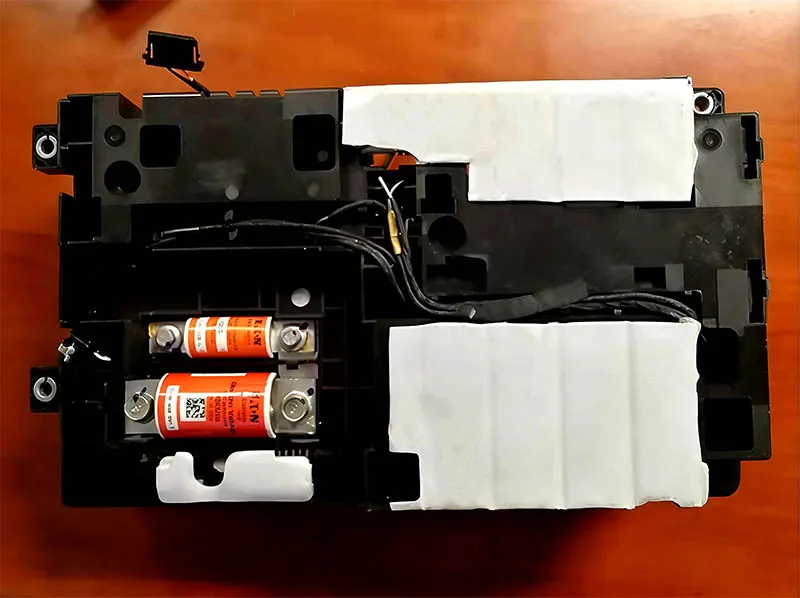
Cars aren’t gentle. Think vibration resistance, rapid thermal cycling, and exposure to harsh environments.
A Ceramic-based silicone-free thermal conductive pad supports automotive electronics through:
Layered durability
· Mechanical resilience for shock
· Material strength for long service life
Environmental endurance
· Withstands humidity and dust
· Maintains reliability of critical electronic components
No messy silicone bleed. No early breakdown. Just steady performance on rough roads.
Zero Silicone Benefits for Medical Devices
In healthcare, clean means everything. A silicone-free design reduces outgassing and supports strict contamination prevention rules.
★ Cleaner interface surfaces
★ Improved biocompatibility
★ Stronger patient safety assurance
For sensitive medical devices, the absence of migrating silicone oils protects both internal sensors and sterile environments. The Ceramic-based silicone-free thermal conductive pad fits right into controlled healthcare systems without raising red flags.
UL Certification and REACH Regulation Assured Safety
Compliance isn’t just paperwork. It reflects real material safety and environmental protection standards.
· UL certification validates electrical safety alignment
· REACH regulation supports chemical compliance
· Global regulatory standards improve supply chain transparency
Sheen Technology aligns its Ceramic-based silicone-free thermal conductive pad portfolio with these frameworks, giving manufacturers peace of mind. From product design to export clearance, Sheen Technology keeps safety practical, traceable, and ready for global markets.
Need a closer match for your project? Browse these related application pages to see where ceramic-based silicone-free thermal conductive pads are used in real systems.
How Density Improves Thermal Conductivity
Density is not just a number on a datasheet. In a Ceramic-based silicone-free thermal conductive pad, it shapes how heat moves, how pressure spreads, and how stable the interface stays over time. When ceramic filler, silicone-free polymer, and structural reinforcement work together, heat flows with less resistance and fewer surprises.
Role of Fiber Reinforcement in Polymer Matrix Density
Within a polymer matrix, adding fiber reinforcement changes the internal physics of the composite. The boost in density is not random—it’s engineered.
· Higher filler loading pairs with strong interfacial bonding.
· Improved mechanical properties support tighter surface contact.
· Reduced micro-voids limit thermal weak spots.
Fibers anchor ceramic particles.
· Anchored particles align heat paths.
· Stable alignment increases conduction efficiency.
At a deeper level:
Reinforcement fibers
· Increase compression stability
· Protect conductive networks
Ceramic fillers
· Form continuous pathways
· Reduce phonon scattering
Less internal collapse under pressure means steadier heat flow.
Short take: denser structure, stronger contact, better heat transfer.
A ceramic based thermal pad without silicone bleed also keeps surfaces clean, which matters in high-power electronics. That’s why Sheen Technology fine-tunes fiber ratios instead of just cranking up filler percentages.
Boron Nitride and Aluminum Oxide Filler Distribution
Heat conduction depends heavily on boron nitride and aluminum oxide filler particles. If particle distribution lacks homogeneity, agglomeration blocks the path.
· Uniform dispersion reduces hotspots.
· Controlled percolation builds continuous thermal bridges.
· Balanced particle size prevents void clusters.
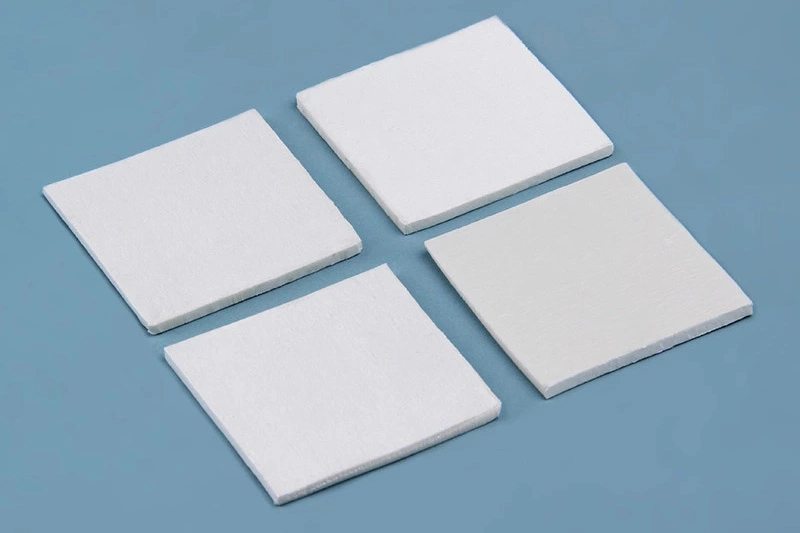
Process logic:
· Surface treatment enhances bonding.
· Mixing ensures dispersion.
· Compression forms dense networks.
Filler Behavior
· Boron nitride:High in-plane conductivity
· Aluminum oxide:Cost-efficient bulk transfer
Polymer wetting
· Improves contact area
· Limits air entrapment
A Ceramic-based silicone-free thermal conductive pad gains real advantage when these fillers form a connected grid from top to bottom. That grid is the silent highway for heat.
Impact on Thermal Resistance and Impedance
As density rises, thermal resistance drops. Simple idea, big effect.
· Better interface contact
· Stronger gap filling
· Lower impact from surface roughness
Sequence of performance gain:
· Compression increases contact area.
· Air gaps shrink.
· Heat transfer improves.
· Thermal impedance stabilizes over time.
Layered view:
Contact Level
· Pad-to-device interface
· Reduced micro-voids
Material Level
· Dense ceramic network
· Continuous conduction
System Level
· Sustained thermal performance
· Lower temperature spikes
IDC’s 2025 thermal management outlook notes that “material interface stability is becoming as critical as bulk conductivity in next-generation electronics.” That insight matches field results: density controls consistency.
A well-designed Ceramic-based silicone-free thermal conductive pad keeps heat predictable, not dramatic. That’s the goal—steady cooling, no surprises, and performance that holds up long after installation.
Ceramic-Based Silicone-Free Thermal Conductive Pad vs. Grease
When heat builds up, your interface choice decides how long the system keeps its cool. Here’s a grounded look at the Ceramic-based silicone-free thermal conductive pad and traditional grease, side by side.
Ceramic-Based Silicone-Free Thermal Conductive Pad
The Ceramic-based silicone-free thermal conductive pad isn’t just another interface sheet. It blends Ceramic material science with a Silicone-free formulation to create a stable, Dry interface built for serious Heat dissipation.
Core Material Foundation
1.1 Ceramic material matrix
· High Thermal conductivity
· Natural Electrical isolation
1.2 Silicone-free binder system
· No oil bleed
· No siloxane contamination
Functional Performance Layer
2.1 Controlled thickness
· Predictable Thermal conductivity path
· Stable contact pressure
2.2 Surface adaptability
· Excellent Conformability
· Maintains low interface resistance
Long-Term Reliability
3.1 Mechanical stability
· No pump-out
· No curing shift
3.2 Environmental endurance
· Sustained Long-term stability
· Consistent Heat dissipation over years
A ceramic-based thermal pad keeps things simple: place, compress, done. No mess. No guesswork.
At Sheen Technology, the Ceramic-based silicone-free thermal conductive pad is engineered for automated lines where repeatability matters. It’s the kind of upgrade that quietly improves yield and cuts rework.
According to the 2025 Yole Group thermal management report, demand for non-silicone thermal interface materials is rising in power electronics due to contamination control and durability requirements.
In short, a Ceramic-based silicone-free thermal conductive pad delivers steady performance without drama.
Thermal Grease
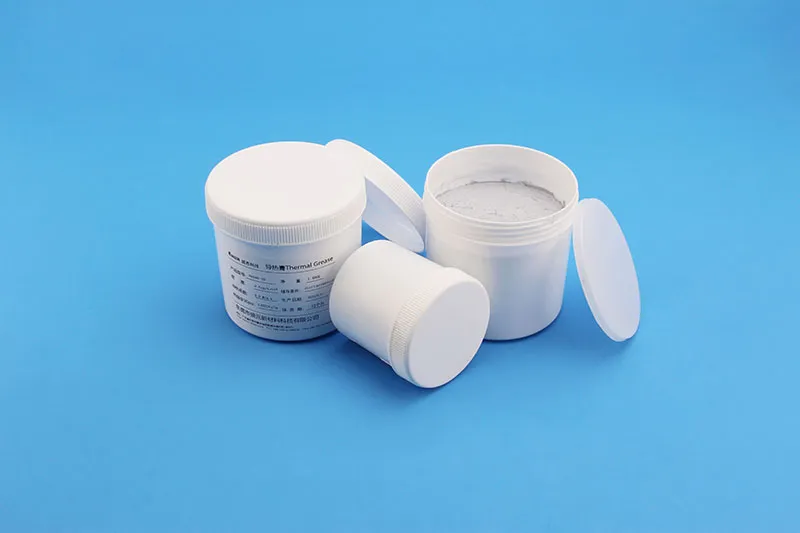
Thermal Grease, also called Thermal compound or Paste, creates a Wet interface that fills gaps fast. At the start, Heat transfer looks impressive.
Why people still use it:
· Easy Application
· High initial conductivity
· Works on uneven surfaces
But real life kicks in:
1) Viscosity shifts with temperature
2) Repeated cycles cause Pump-out
3) Some formulas need Curing
4) Thickness varies by operator
Over time, drying and migration raise thermal resistance. What began as a thin, efficient layer becomes inconsistent. That’s the trade-off.
For teams tired of reapplying paste, a Ceramic-based silicone-free thermal conductive pad from Sheen Technology often feels like a relief—clean handling, fixed thickness, and predictable results.
Grease has its place. Yet when uptime and reliability matter, a ceramic thermal pad or ceramic-based interface tends to stay steady while paste slowly drifts.
Ceramic-Based Pads for High-Power Electronics
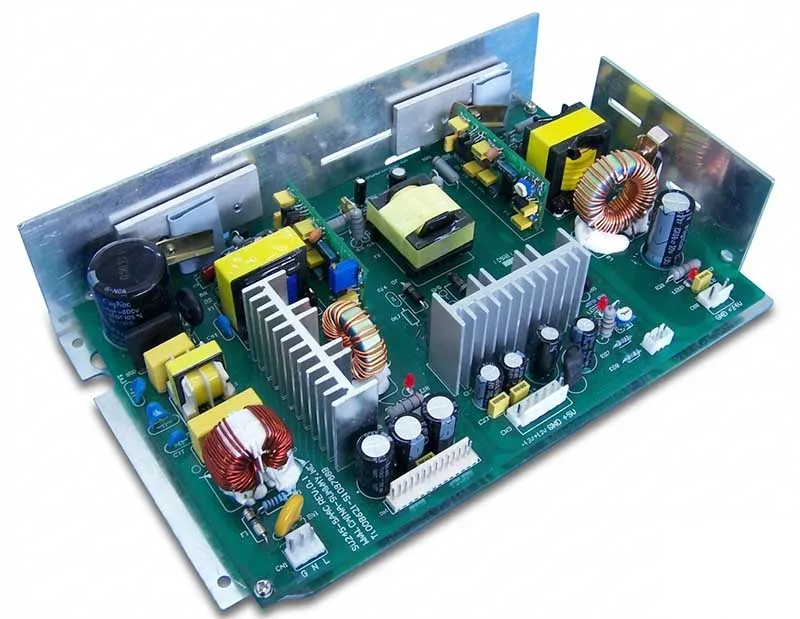
High-power electronics run hot, and heat is the silent deal-breaker. A Ceramic-based silicone-free thermal conductive pad solves this with cleaner interfaces, stable insulation, and strong heat flow. From factory drives to data racks, this ceramic-based thermal pad keeps systems cool without silicone bleed or pump-out headaches.
Power Semiconductors in Industrial Power Supplies
In industrial power conversion, thermal control shapes uptime and safety.
Core heat sources
1.1 Switching devices
· Power MOSFET
· IGBT module
· Rectifier
1.2 Thermal challenges
· Rising Thermal resistance
· Uneven Heat dissipation
· Reduced Industrial reliability
Interface solution
2.1 Material layer
· Ceramic-based silicone-free thermal conductive pad
· Silicone-free thermal interface
2.2 Performance impact
· Lower case temperature
· Stable Power conversion efficiency
| Device Type | Typical Power (kW) | Temp Drop with Ceramic Pad (°C) | Insulation Strength (kV/mm) |
| IGBT Stack | 15 | 8–12 | 6.0 |
| MOSFET Bank | 5 | 6–9 | 5.5 |
| Rectifier | 8 | 7–10 | 6.2 |
Paired with precision processing from Sheen Technology, this ceramic thermal interface material keeps junction heat in check while staying mechanically stable under vibration.
Voltage Regulators and Integrated Circuits
Compact boards pack serious heat. A Ceramic-based silicone-free thermal conductive pad supports tight layouts around Integrated circuit blocks and DC-DC converter stages.
· Keeps Junction temperature steady
· Protects Microprocessor cores
· Improves Voltage stability
· Extends Component lifespan
Thermal management here is not fancy; it’s practical. Lower peaks mean fewer resets and smoother output rails.
IDC’s 2025 power semiconductor outlook notes that improved thermal interfaces directly correlate with longer field reliability in industrial and embedded computing systems.
That’s why designers move toward ceramic-based thermal pad options that resist oil bleed and contamination. Sheen Technology offers tailored thickness and conductivity grades, giving engineers room to tune performance without redesigning the heatsink.
LED Modules and Memory Devices
Heat creeps quietly into lighting arrays and storage boards.
LED systems
1.1 LED array density
· Protects Lumen maintenance
· Supports even Heat spreading
1.2 Result
· Better brightness stability
· Longer Device longevity
Data hardware
2.1 High-speed storage
· Safeguards Memory chip performance
· Reduces Thermal throttling
2.2 Reliability edge
· Preserves Data integrity
A Ceramic-based silicone-free thermal conductive pad fits snugly between board and sink, moving heat fast without silicone residue. In busy data centers or bright retail ceilings, that simple layer makes the difference between steady output and slow decline.
【Request a Custom Quote】 Not sure which ceramic-based silicone-free thermal conductive pad fits your build? Send us your target operating temperature, thickness target, application type, and performance requirements, and we can help recommend the right thermal solution for your project.
Sheen Thermal
Dongguan Sheen Electronic Technology Co., Ltd · Founded in 2008
Manufacturer of thermal interface materials and silicone foam for automotive electronics, energy storage, power electronics, communications and consumer electronics.
Certified
- ISO 9001:2015
- ISO 14001:2015
- IATF 16949:2016
What we supply
- Thermal conductivity Up to 90 W/m·K
- Thickness 0.3–10.0 mm
- Custom & samples Die-cut to drawing, 3–7 days