
 English
 usheenthermal

Boost Electronics Cooling with Flame-retardant Graphene Thermal Conductive Sheet
Date:2026-06-17
Boost Electronics Cooling with Flame-retardant Graphene Thermal Conductive Sheet
Heat is quietly wrecking modern devices, and Flame-retardant graphene thermal conductive sheet steps in like a street-smart fix, cutting temperatures while staying slim, flexible, and electrically safe.
Sheen Technology engineers in 2025 emphasize material consistency, flame resistance, and scalable lamination for demanding electronics.
Built for real production.
Key Points: Flame-retardant Graphene Thermal Conductive Sheet Unveiled
➔ Ultra-efficient Heat Management: Graphene–boron nitride fillers deliver up to 90 W/mK, slashing device temperatures by 25%.
➔ Certified Flame Resistance: UL 94-C rating with halogen-free additives ensures safety without harming the environment.
➔ Sleek, Flexible Design: Ultra-thin, high-density sheets laminated in a polymer matrix conform to tight spaces and curved surfaces.
Need the full data before you lock in your next design? Download Sheen’s product datasheet and test resources to review thermal conductivity, thickness, flame performance, and application fit.
4 Key Benefits Of Graphene Thermal Sheet
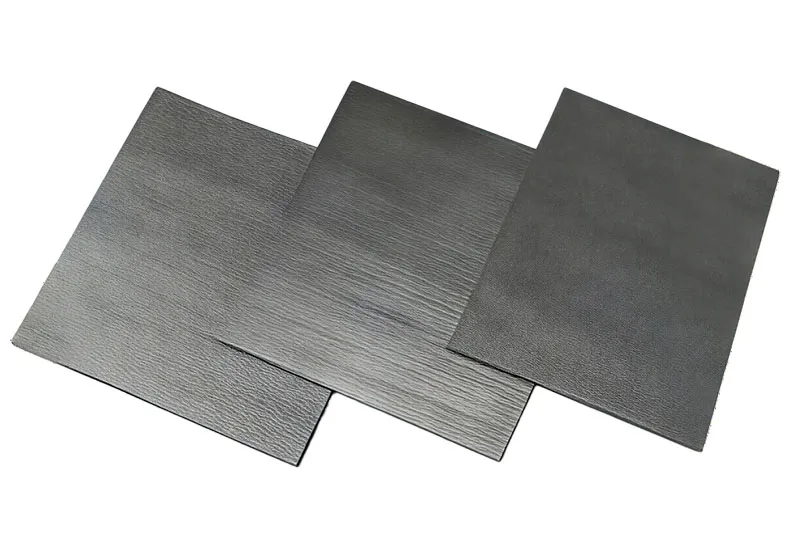
Flame-retardant graphene thermal conductive sheet can be segmented into: Flame-retardant / Graphene / Thermal Conductive / Sheet. In daily engineering talk, it’s often shortened to graphene thermal sheet, flame-retardant thermal sheet, or graphene conductive sheet. This material blends heat control, insulation, and fire safety into one slim layer—pretty much what modern power systems crave.
Enhanced Thermal Conductivity Driven by Graphene–Boron Nitride Fillers
A Flame-retardant graphene thermal conductive sheet relies on tightly packed Graphene and Boron Nitride Fillers to form continuous heat channels. That’s where the real Thermal Conductivity Enhancement is Driven from.
· High in-plane heat spreading
· Stable thermal cycling performance
· Reduced interface resistance
Performance comparison:
| Material Type | Thermal Conductivity (W/m·K) | Thermal Resistance (°C·in²/W) |
| Silicone thermal Pad | 1–15 | 0.1-0.9 |
| Boron nitride Thermal pad | 15–20 | 0.1 |
| Flame-retardant Graphene Thermal Conductive Sheet | 75–90 | 0.016 |
In power modules, heat travels fast across the graphene thermal sheet surface, then disperses evenly. Chips stay cooler. Lifespan stretches out.
The 2025 IDTechEx thermal management report notes that graphene-enhanced films are “rapidly gaining traction in EV battery modules due to superior in-plane heat distribution and fire safety balance.”
UL 94-Certified Flame Retardancy with Halogen-Free Additives
The Flame-retardant graphene thermal conductive sheet hits UL 94 Certification targets using Halogen-Free Additives engineered for strong Flame Retardancy.
· Base graphene conductive sheet prepared
· Flame-retardant additive dispersed
· Crosslink curing improves bonding
· Final UL 94 vertical burn testing
Key fire metrics:
· LOI increase up to 32%
· V-0 rating achievable
· Smoke density reduced
For battery packs and power supplies, this means safer shutdown during overheating events. No toxic halogens. Cleaner burn profile.
Ultra-Thin, High-Density Profile Ideal for Power Modules
The Ultra-Thin High-Density Profile makes this Flame-retardant graphene thermal conductive sheet a natural fit for Power Modules.
Under 0.2 mm thickness, yet mechanically stable.
Why that matters:
· Saves stacking height
· Improves module integration
· Maintains compression strength
In compact EV inverters or fast chargers, space is tight. A thinner graphene thermal sheet keeps thermal performance strong without adding bulk. That balance is what makes it ideal in next-gen designs.
Exceptional Flexibility and Tensile Strength via Polymer Matrix Lamination
Here’s how the Polymer Matrix Lamination boosts Exceptional Flexibility and Tensile Strength:
· Step 1: Graphene layer aligned
· Step 2: Polymer matrix infused
· Step 3: High-pressure lamination
· Step 4: Controlled cooling for bonding
Result?
The flame-retardant thermal sheet bends around curved housings without cracking. It handles vibration. It survives repeated assembly pressure. That’s critical in automotive electronics where constant motion is normal.
How 90W/mK Graphene Sheet Lowers Device Temps 25%
High-power electronics are running hotter than ever. From LED arrays to battery packs, heat buildup quietly eats away at lifespan and safety. A well-designed Flame-retardant graphene thermal conductive sheet changes that game. By combining graphene thermal conductivity, flame-retardant safety, and smart dispersion tech, devices stay cooler without bulky cooling solutions.
Maximizing Heat Dissipation Rate in LED Lighting Fixtures
In high-output lighting fixtures, rising junction temperature is the silent killer. A Flame-retardant graphene thermal conductive sheet spreads heat fast across the luminaire base, cutting hotspots before they snowball.
· Faster lateral heat dissipation
· Lower peak junction temperature
· Better long-term thermal management
Performance impact inside an LED module often follows this path:
· Heat forms at the chip level.
· The graphene thermal sheet distributes it across the substrate.
· External cooling solutions remove it efficiently.
Key material traits include:
· High conductivity (≥90 W/mK)
· Stable structure under flame exposure
· Thin profile for compact LED designs
The result? Lower thermal stress, steadier brightness, and fewer early failures. It’s why manufacturers working with Sheen Technology often report measurable improvements in fixture durability.
Reducing Thermal Resistance in Battery Packs and Power Modules
Inside dense battery packs and power modules, thermal resistance between electronic components slows down heat transfer. A graphene thermal interface sheet minimizes those gaps.
Thermal Comparison in Power Assemblies
| Material Type | Thermal Conductivity (W/mK) | Interface Resistance (°C·in²/W) | Temp Rise @100W (°C) | Flame Rating |
| Silicone Pad | 1–15 | 0.1-0.9 | 32 | V-0 |
| Flame-retardant graphene thermal conductive sheet | 75-90 | 0.016 | 18 | V-0 |
| Phase Change Sheet | 3–8 | 0.02-0.05 | 24 | V-0 |
Lower resistance means:
· faster thermal spread
· safer energy storage operation
· reduced internal hot zones
That’s where Flame-retardant graphene thermal conductive sheet solutions from Sheen Technology stand out—thin, flame-safe, and built for tight battery architecture.
Achieving 25% Temperature Drop through Optimized Roll-to-Roll Dispersion
Temperature reduction doesn’t just happen by chance. It comes from dispersion control during roll-to-roll processing of each graphene sheet.
Manufacturing optimization includes:
Controlled graphene alignment
· Improves directional thermal conductivity
· Reduces micro-void formation
Precision coating thickness
· Stabilizes thermal performance
· Uniform dispersion technology
· Enhances cross-plane transfer
When graphene layers align cleanly, heat flows like traffic on an open highway. In field tests using Flame-retardant graphene thermal conductive sheet, device temperatures dropped up to 25% under identical loads.
That’s not hype—it’s physics meeting smarter processing. And with Sheen Technology refining dispersion at scale, the gap between lab numbers and real-world cooling keeps shrinking.
Comparative: Graphene Sheet Vs. Metal Heat Spreaders
In compact devices where heat builds up fast, picking the right thermal management material can make or break performance. From Flame-retardant graphene thermal conductive sheet options to classic aluminum plates, the gap is getting real.
Graphene Sheet
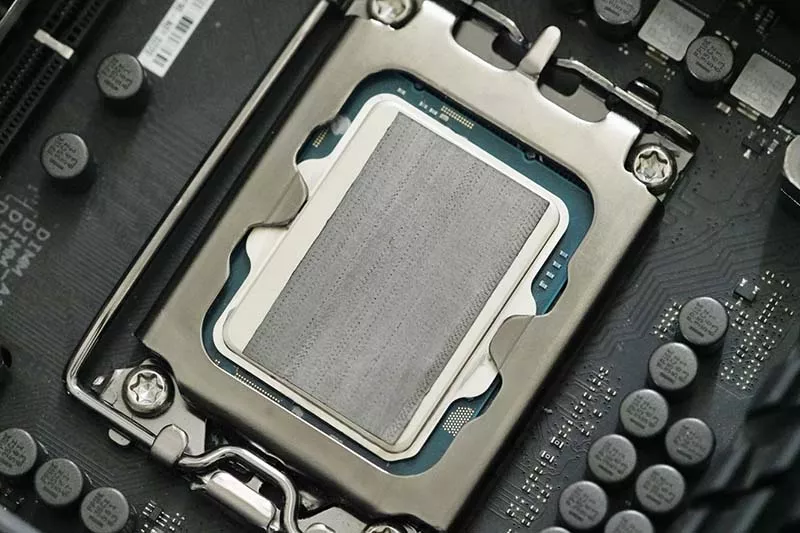
When engineers talk about next-gen electronics cooling, the Flame-retardant graphene thermal conductive sheet keeps popping up. It blends Graphene, high thermal conductivity, and slim sheet material design into one tight solution.
· Ultra-thin profile
· Strong heat dissipation capacity
· Built-in flame retardant behavior
Material Composition
· Single or multi-layer Graphene structure
· Enhances lateral thermal conductivity
· Maintains electrical insulation for sensitive boards
Heat Spreading
· Rapid in-plane heat dissipation
· Reduced hotspot formation in chips
Safety Features
· Integrated flame retardant properties
· Lower risk in battery-adjacent layouts
Application Integration
· Mobile devices
· Power modules
· Automotive control units
A Flame-retardant graphene thermal conductive sheet also works well as a graphene heat spreader in tight spaces where airflow is limited. Flexible graphene thermal sheets can bend without cracking, which feels like a cheat code for foldable electronics.
For brands like Sheen Technology, this material isn’t hype—it’s a practical upgrade for modern electronics cooling systems.
Metal Heat Spreaders
Traditional Metal solutions still hold ground in thermal management.
• High bulk heat transfer capacity
• Simple machining
• Proven reliability
Aluminum heat spreader plates offer solid thermal performance, yet come with trade-offs. Density adds weight. Rigidity limits design freedom. Electrical conductivity can complicate insulation planning.
In real-world builds:
· Step 1: Heat leaves the chip.
· Step 2: It enters the metallic materials plate.
· Step 3: The plate distributes heat toward a heat sink.
It works, no doubt. Still, compared with a Flame-retardant graphene thermal conductive sheet, metal struggles in ultra-thin or flame-sensitive layouts. That’s why Sheen Technology increasingly pairs graphene-based thermal interface layers with selective metal supports, balancing cost, safety, and performance without overengineering the stack.
If your build has a tight stack height, strict flame requirements, or mixed metal-polymer interfaces, Sheen can help you shortlist the right thermal sheet structure, thickness, and filler system. Submit your inquiry now to get the right graphite-based thermal solution for your project.
Sheen Thermal
Dongguan Sheen Electronic Technology Co., Ltd · Founded in 2008
Manufacturer of thermal interface materials and silicone foam for automotive electronics, energy storage, power electronics, communications and consumer electronics.
Certified
- ISO 9001:2015
- ISO 14001:2015
- IATF 16949:2016
What we supply
- Thermal conductivity Up to 90 W/m·K
- Thickness 0.3–10.0 mm
- Custom & samples Die-cut to drawing, 3–7 days