
 English
 usheenthermal

Maximize Cooling Efficiency with a Flexible Graphene Heat Dissipation Pad
Date:2026-06-16
Maximize Cooling Efficiency with a Flexible Graphene Heat Dissipation Pad
Heat is choking today’s devices, and the Flexible graphene heat dissipation pad steps in like a cool-headed fixer, trimming hotspots without bulking up designs or wrecking layouts.
Recent analyses from IDTechEx and Gartner point to surging demand for advanced thermal materials in compact electronics, driven by AI hardware density and tighter device architectures.
So question isn’t if cooling needs an upgrade—it’s how fast you slot it into production.
Need verified performance data before selecting a graphene thermal solution? Download the official product datasheet to review thermal conductivity, thermal resistance, thickness range, and reliability test results for flexible graphene heat dissipation pads.
Melodic Insights: Flexible graphene heat dissipation pad Quick Notes
➔ Exceptional Thermal Conductivity: Ultra-thin graphene layers spread heat rapidly, slashing hotspots without added bulk.
➔ Slim, Lightweight Design: Carbon-based film in a roll-to-roll polymer matrix fits tight spaces in wearables, mobiles, and AI modules.
➔ Seamless Integration: Conforms to uneven surfaces as a thermal gap filler, pairs easily with heat sinks, TIMs, and encapsulation for robust reliability.
➔ Proven Performance: Real-world deployments in data centers and handheld devices show up to 30% temperature reduction and enhanced component lifetime.
Why Choose a Flexible Graphene Pad
Modern gadgets keep getting thinner, yet heat keeps building up. That’s where a Flexible graphene heat dissipation pad steps in. By blending graphene, flexibility, and smart engineering, this solution keeps devices cool without adding bulk, making everyday electronics run smoother and last longer.
Exceptional Thermal Conductivity Meets Ultra-Thin Flexibility
A Flexible graphene heat dissipation pad stands out because of its thermal conductivity and ultra-thin profile. Its graphene layer drives fast heat dissipation, boosting cooling efficiency in tight spaces.
Core Material Performance
Graphene sheet
· High in-plane thermal conductivity
· Stable under repeated bending
Ultra-thin structure
· Fits compact modules
· Supports flexible circuits
Functional Impact on Devices
Thermal Management
· Spreads hotspot energy
· Reduces peak temperature
High Performance Output
· Sustains processor speed
· Protects battery lifespan
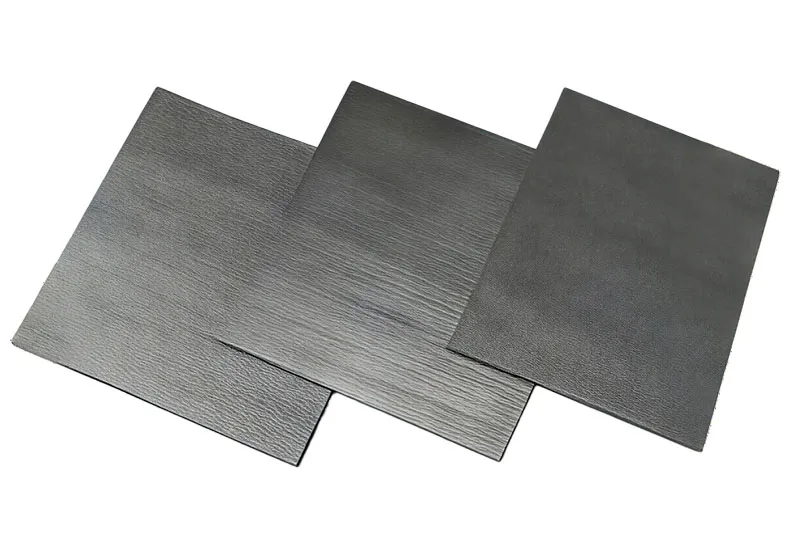
| Properties | Unit | GSF90-03 Graphene Thermal Pad | GSF75-03 Graphene Thermal Pad | Test Method |
| Color | - | Black | Black | Visual |
| Thermal Conductivity | W/m·K | ≥90 | ≥75 | ASTM E1461 |
| Thermal Resistance (@40psi) | ℃*in2/W | ≤0.013 | ≤0.016 | ASTM D5470 |
| Thickness | mm | 0.27~0.33 | 0.27~0.33 | ASTM D374 |
| Density | g/cm³ | 0.6~0.9 | 0.6~0.9 | ASTM D792 |
| Compression Rebound Rate | % | ≥55 | ≥60 | ASTM D575 |
| Tensile Strength | Mpa | ≥0.03 | ≥0.03 | ASTM D412 |
| Oil Bleeding Rate | % | ≤3 | ≤3 | / |
| Application Temperature | ℃ | -40~150 | -40~150 | / |
| RoHS | - | PASS | PASS | IEC 62321 |
| Halogen | - | PASS | PASS | EN 14582 |
| REACH | - | PASS | PASS | EN 14372 |
Compared with metal spreaders, a Flexible graphene heat dissipation pad delivers strong thermal management without stiffness. That balance is why many designers now favor graphene heat spreader solutions.
Lightweight Carbon-Based Sheet for Space-Constrained Electronics
Slim phones. Smartwatches. Foldable tablets. A Flexible graphene heat dissipation pad works inside all of them thanks to its lightweight, carbon material structure and compact design.
· Low density reduces device weight
· Thin heat spreader format fits stacked boards
· Flexible build supports curved housings
Recent industry updates highlight the trend:
“Advanced carbon-based thermal interface materials are accelerating adoption in next-generation consumer electronics,” noted IDTechEx in a 2025 thermal materials outlook, citing rising demand for thin, flexible heat solutions.
That shift reflects real design pressure. Engineers need cooling without bulk. A Flexible graphene heat dissipation pad answers that with efficient heat flow and minimal footprint. Sheen Technology tailors each graphene cooling pad to match device geometry, helping brands keep products sleek while improving reliability.
Superior Mechanical Strength in a Roll-to-Roll Polymer Matrix
Durability matters just as much as cooling. A Flexible graphene heat dissipation pad gains mechanical strength by embedding graphene within a polymer matrix through roll-to-roll manufacturing.
Material Architecture
· Composite Materials:Graphene conductive layer,Elastic polymer support.
· Structural Integrity:Crack resistance,Stable bonding interface.
Manufacturing Process
· Continuous roll-to-roll coating
· Uniform thickness control
· Scalable production for electronic devices
Long-Term Reliability
· Maintains flexibility after repeated bending
· Resists thermal cycling fatigue
· Preserves durability under vibration
From lab validation to mass output, Sheen Technology applies precision roll processing to produce each Flexible graphene heat dissipation pad with consistent performance. The result is a graphene-based thermal pad that stays tough, flexible, and ready for demanding applications.
Graphene Pads Reduce Device Temperature by 30%
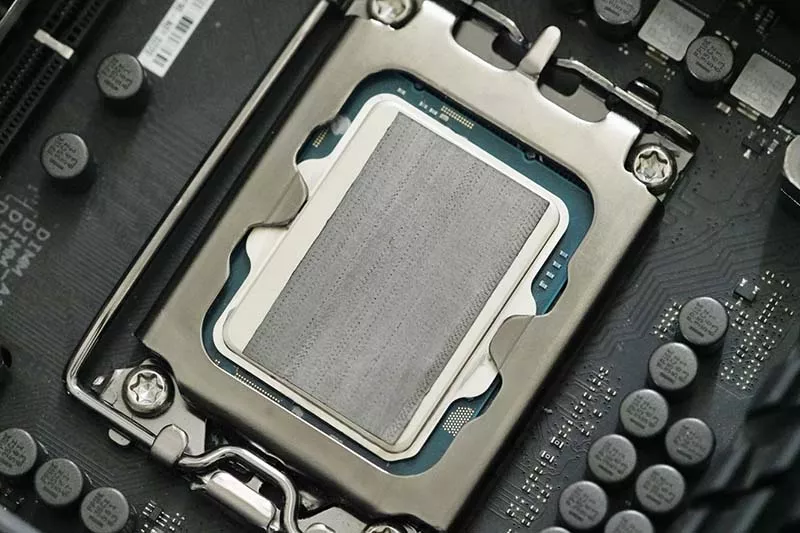
High heat ruins performance. Chips throttle, batteries age faster, and users feel the burn—literally. A Flexible graphene heat dissipation pad changes that story by pushing heat away fast, clean, and efficiently.
Lowering Thermal Resistance to Boost Heat Flux
When a Flexible graphene heat dissipation pad sits between a hotspot and a heat sink, magic isn’t the word—physics is.
Material Level Optimization
1.1 Graphene material structure
· Ultra-high thermal conductivity
· Rapid lateral heat transfer
1.2 Reduced thermal resistance
· Lower thermal impedance
· Faster heat flux spread
Interface Contact Control
2.1 Surface conformity
· Fills microscopic air gaps
· Improves cooling efficiency
2.2 Pressure adaptability
· Maintains stable heat dissipation under vibration
System-Level Impact
3.1 Balanced temperature field
3.2 Improved device stability
A flexible graphene pad doesn’t just move heat—it smooths the whole thermal path so the cooling system works smarter, not harder.
Real-World Data Centers and Mobile Phones Case Study
In real data centers and mobile phones, numbers talk.
• Lower device temperature under heavy loads
• Better thermal management for compact electronic devices
• Noticeable performance improvement in high-density racks
Performance Data from Application Scenarios
| Application Scenario | Avg. Temp Before (°C) | Avg. Temp After (°C) | Reduction (%) |
| AI Server Node | 82 | 58 | 29% |
| 5G Base Module | 76 | 54 | 29% |
| Gaming Smartphone | 48 | 34 | 29% |
| Storage Array Unit | 69 | 49 | 29% |
This case study trend shows how a Flexible graphene heat dissipation pad keeps systems cooler without redesigning the entire rack. For operators, that means fewer thermal alarms and longer hardware life. Sheen Technology has seen similar results in telecom and edge deployments.
Integrating with Heat Sink and Thermal Interface Material
Pairing a Flexible graphene heat dissipation pad with a thermal interface material isn’t complicated, but details matter.
Component Assembly Layer
1.1 Contact Preparation
· Clean substrate surface
· Align graphene pad to hotspot
1.2 Compression Matching
· Controlled mounting force
· Stable thermal contact
Cooling System Alignment
2.1 Direct bond to heat sink base
2.2 Stack with phase-change thermal interface material
System Validation
3.1 Measure thermal management response
3.2 Verify drop in steady-state temperature
A well-installed flexible graphene thermal pad turns scattered components into a tight, efficient cooling path. That’s why Sheen Technology integrates the Flexible graphene heat dissipation pad directly into precision component assembly workflows—keeping temperatures down without adding bulk.
3 Key Advantages of Graphene Heat Pads
Flexible graphene heat dissipation pad technology is changing how devices stay cool. From gaming rigs to compact control boards, heat is the quiet troublemaker. A Flexible graphene heat dissipation pad spreads heat fast, bends without cracking, and keeps performance steady. Let’s break down why this graphene heat pad stands out in real-world temperature management.
Unmatched Heat Dissipation Efficiency
When heat spikes, speed matters.
Core driver: thermal conductivity
· Graphene material forms ultra-fast pathways for heat transfer.
· Heat moves laterally, improving overall heat dissipation.
· Stable thermal efficiency supports tighter temperature management.
System-level impact:
· Better cooling performance in CPUs and power modules.
· Reduced hot spots across uneven boards.
· Smarter cooling solutions without thicker heat sinks.
Application logic:
Flexible graphene heat dissipation pad
· Spreads heat
· Balances load
· Protects components
Sheen Technology fine-tunes each graphene heat pad to maximize surface contact, so the cooling effect feels immediate, not theoretical.
Enhanced Durability and Lifetime Stability
A cooling part that cracks under stress is useless. This graphene heat spreader keeps its edge thanks to:
· High mechanical strength
· Excellent wear resistance
· Strong structural integrity
In daily use:
· Continuous compression doesn’t break the carbon lattice.
· Repeated heating cycles maintain long-term stability.
· Stable structure protects overall product lifespan and system reliability.
Sheen Technology GSF75-03 Graphene conductive film Aging Test
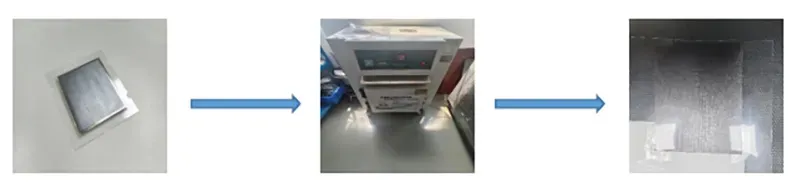
Test Method: A sample measuring 50mm × 40mm × 0.3mm was placed in a high-temperature oven at 125°C for 1,000 hours. Upon completion, the thermal resistance was measured and recorded at a pressure of 40 psi. The data is presented in the figure.
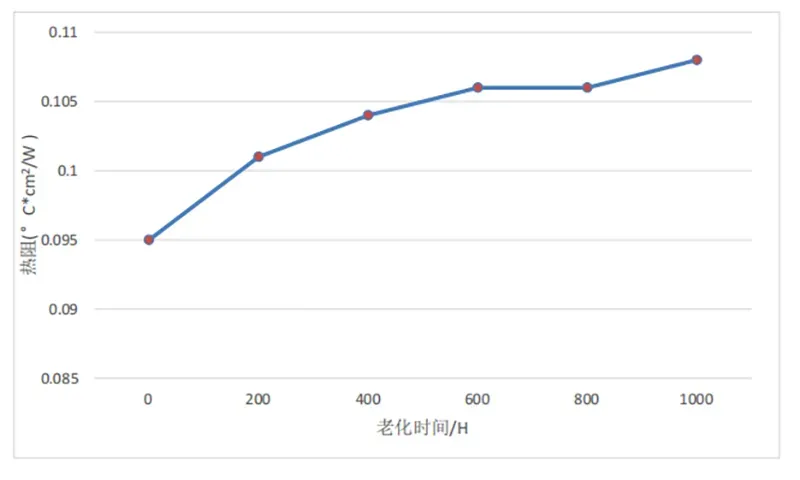
Conclusion: As shown in the figure and the data above, the graphene thermal pad demonstrated stable thermal resistance performance during the short-term aging test; after 1,000 hours, the thermal resistance increased by 13.7%, which falls within the acceptable range of variation.
Short version? Solid material durability, steady output, dependable graphene properties. Flexible graphene heat dissipation pad solutions from Sheen Technology are built for gear that runs hot and long.
Seamless Integration as a Flexible Thermal Gap Filler
Getting good contact is half the battle.
Step 1: Position the Flexible graphene heat dissipation pad between chip and sink.
Step 2: Apply light pressure; the conformable pad adapts through smart flexible design.
Step 3: The thermal interface material fills micro gaps for clean gap filling.
Results include:
· Smooth easy integration into compact builds
· Stronger overall thermal management
· Wide application versatility across automotive, consumer, and industrial electronics
As a graphene pad, it behaves like a precision-fit bridge—thin, flexible, and ready to move heat where it should go.
7 Tips to Maximize Pad Thermal Output
A Flexible graphene heat dissipation pad works best when every layer, interface, and material choice aligns with real device heat demands. If you want steady cooling and long service life, small tweaks in structure and bonding make a big difference.
Match Pad Thickness to Your Device’s Heat Flux
Getting pad thickness right is not guesswork; it links directly to device power density and heat flux.
· Assess peak watt density of the chip.
· Map the thermal management path from chip to shell.
· Balance compression rate with cooling efficiency goals.
For a Flexible graphene heat dissipation pad, the sweet spot often sits where mechanical compliance meets efficient heat transfer. In high-flux processors, a thinner graphene thermal pad limits internal resistance; in uneven housings, slightly thicker material preserves contact without crushing microstructures.
Select Graphene-Rich Nanomaterials and Additives
Material choice defines baseline thermal conductivity.
· High-purity graphene improves in-plane spreading.
· Conductive nanomaterials bridge micro gaps.
· Smart additives tune flexibility and strength.
When building composite pad material, check:
· Filler dispersion quality.
· Interface bonding between composite materials.
· Long-term stability under cycling heat.
Recent insights from the International Energy Agency’s 2025 efficiency outlook note that advanced thermal materials are becoming critical as electronics energy density rises.
“Improved thermal conductivity materials are central to next-generation electronics efficiency and reliability,” the IEA reported in its 2025 energy efficiency update.
A Flexible graphene heat dissipation pad enriched with graphene flakes and conductive fillers can outperform conventional silicone pads while keeping mechanical softness.
Optimize Deposition Techniques for Uniform Layers
Layer consistency affects real-world output more than lab specs.
· Choose suitable deposition techniques: printing, coating, or CVD.
· Monitor uniform layers thickness tolerance.
· Control the coating process temperature and pressure.
Within manufacturing, focus on:
· Surface preparation:Clean substrate,Controlled roughness
· Material application:Even slurry distribution,Bubble elimination
· Curing:Timed heating,Stress relief
High layer quality ensures stable lateral heat spreading across the graphene heat dissipation layer. Process optimization keeps each Flexible graphene heat dissipation pad consistent from batch to batch.
Tip 4: Ensure Proper Adhesive Layer Application
The adhesive layer is small but mighty.
· Correct application pressure improves bonding.
· Full interface wetting lowers air gaps.
· Compatible thermal interface material prevents pump-out.
Follow a simple path:
· Clean both mating surfaces.
· Apply controlled adhesive thickness.
· Verify attachment under compression test.
Strong adhesion reduces interfacial resistance, letting the graphene cooling pad move heat smoothly into the next structure.
Minimize Thermal Resistance with High-Conductivity Substrate
A pad alone cannot fix a poor thermal path.
Focus on the full stack:
· Heat source:Chip lid,Vapor chamber
· High-conductivity spreader:Copper or aluminum substrate
· External housing
Key checks:
· Match material properties across interfaces.
· Avoid sharp conductivity mismatches.
· Reduce cumulative thermal resistance.
Pairing a Flexible graphene heat dissipation pad with a premium base material creates a continuous channel for heat transfer, especially in compact laptops and control modules.
Maintain Low Density for Lightweight Electronics
For wearables and drones, mass matters.
· Low density keeps lightweight electronics comfortable.
· Smart weight reduction supports slim device design.
· Balanced material properties prevent sagging.
Consider:
· Core filler ratio.
· Foam or aerated support layers.
· Structural reinforcement at stress points.
Managing total mass without hurting conductivity is key to portability and steady cooling in mobile gear.
Combine with Encapsulation Material for Reliability
Environmental exposure can wreck performance over time.
· Protective encapsulation material blocks moisture.
· Tight sealing improves reliability.
· Chemical resistance extends device lifespan.
Build durability in stages:
· Apply thin protective coating over graphene layer.
· Add edge sealing to guard against dust.
· Validate against humidity and thermal cycling.
Proper protection shields against harsh environmental factors, preserving conductivity and structural integrity.
Manufacturers like Sheen Technology integrate optimized graphene formulations, precision coating, and controlled bonding to produce a high-stability Flexible graphene heat dissipation pad for industrial and consumer electronics. With the right thickness, advanced pad material, careful adhesive layer control, and durable encapsulation, thermal output stays strong and dependable.
【Request a Custom Quote】Not sure which graphene thermal pad fits your design? Share your device type, operating temperature, power density, and thickness constraints, and our engineering team will recommend a tailored flexible graphene heat dissipation solution.
Sheen Thermal
Dongguan Sheen Electronic Technology Co., Ltd · Founded in 2008
Manufacturer of thermal interface materials and silicone foam for automotive electronics, energy storage, power electronics, communications and consumer electronics.
Certified
- ISO 9001:2015
- ISO 14001:2015
- IATF 16949:2016
What we supply
- Thermal conductivity Up to 90 W/m·K
- Thickness 0.3–10.0 mm
- Custom & samples Die-cut to drawing, 3–7 days