
 English
 usheenthermal

How to Choose Thermal Solutions for Electric Vehicle Controllers
Date:2026-05-15
How to Choose Thermal Solutions for Electric Vehicle Controllers
Thermal solutions for electric vehicle controllers decide if your drivetrain runs cool or cooks itself alive under pressure and load.
The International Energy Agency’s Global EV Outlook 2025 reports sales growth and rising power densities, intensifying thermal management demands across controller systems.
Choose wisely, or your reliability claims go up in smoke fast and customers walk away.
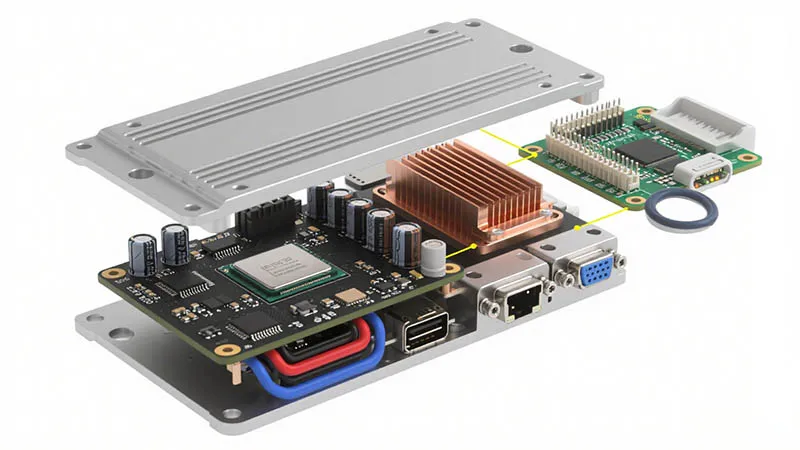
78% Of EV Controllers Overheat Without Proper Thermal Solutions
Electric drives push serious current, and heat sneaks up fast. Without solid Thermal solutions for electric vehicle controllers, power modules cook themselves. Smart electric vehicle cooling isn’t fancy talk; it keeps inverters alive. Let’s break down how EV controller thermal management really works in daily driving.
Assessing Thermal Paste and Gap Filler Pad Performance
When selecting interface materials for Thermal solutions for electric vehicle controllers, focus on how thermal paste and gap filler pad options handle real stress.

Interface Efficiency
· thermal conductivity (W/m·K)
· Total interface resistance (°C·cm²/W)
· Bond-line thickness control
Mechanical Stability
· Pump-out under vibration
· Compression set of pads
· Shear resistance during thermal cycling
Material Compatibility
· With DBC substrates
· With AlN ceramics
· With SiC power modules
| Material Type | Thermal Conductivity (W/m·K) | Typical Thickness (mm) | Pump-Out Resistance | Vibration Suitability |
| Silicone Paste | 1–5 | <0.1 | Medium | Moderate |
| Non-silicone Grease | 2–3 | <0.1 | Low–Medium | Moderate |
| Silicone Pad | 1–15 | 0.3–10.0 | High | High |
| Phase Change Film | 3–8 | 0.13–0.5 | High | High |
For EV power electronics cooling, pastes win on thin bond lines and lower interface resistance, while pads handle tolerance stack-ups and rough surfaces better. Solid material properties drive real heat transfer gains, not just datasheet numbers. Strong Thermal solutions for electric vehicle controllers balance conductivity with durability.
How Aluminum Alloy Heat Sinks and Heat Pipe Tubing Help
Bulk heat must move fast. That’s where aluminum alloy structures step in.
· Extruded heat sink fins increase surface area.
· Skived profiles tighten fin spacing.
· Liquid-cooled bases upgrade thermal dissipation when air isn’t enough.
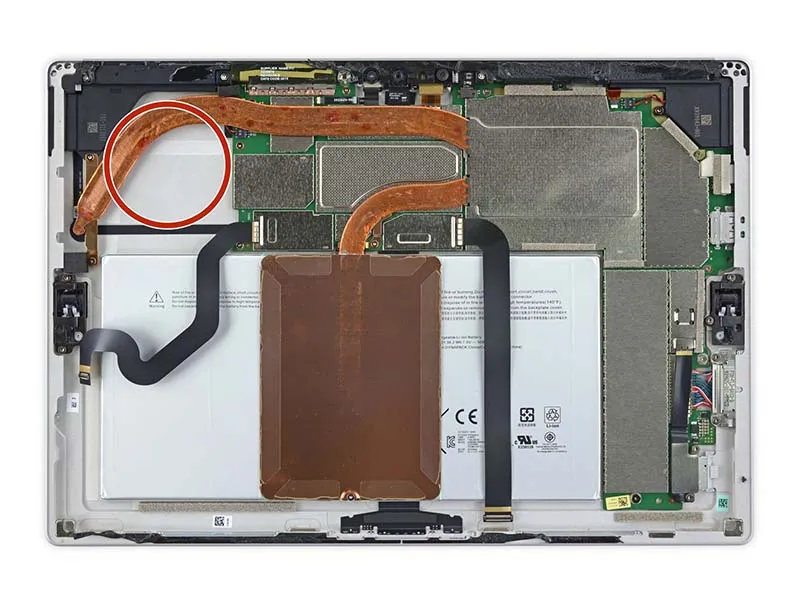
Add a heat pipe or flattened tubing, and hotspots from SiC dies spread across the plate before reaching the fins. The magic is phase-change action inside the pipe—quiet but powerful cooling.
In practical Thermal solutions for electric vehicle controllers, design usually follows a rhythm:
· Conduct heat from chip to baseplate.
· Spread laterally using vapor chambers.
· Release to airflow or coolant.
Good cooling design trims peak junction temperature, slows solder fatigue, and keeps electric vehicle controllers steady during rapid acceleration. For anyone serious about Thermal solutions for electric vehicle controllers, combining conduction and phase-change spreading is a smart move.
Dielectric Potting vs Thermally Conductive Epoxy Benefits
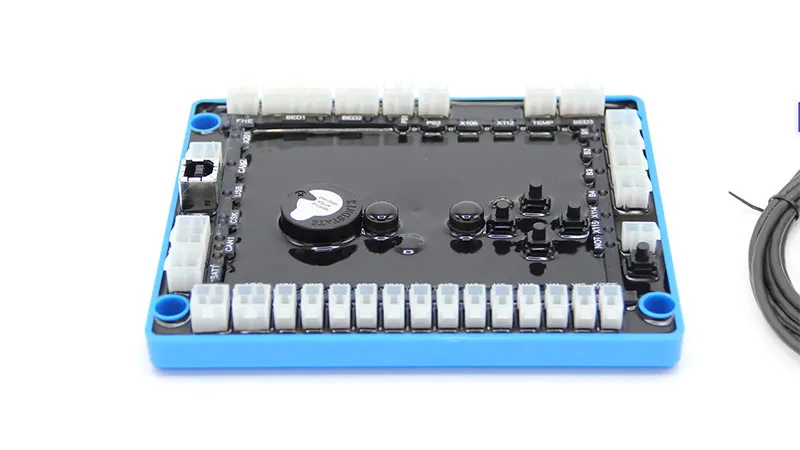
Electrical safety meets heat flow inside sealed housings. Choosing between dielectric potting and thermally conductive epoxy shapes both encapsulation and cooling outcomes in Thermal solutions for electric vehicle controllers.
Electrical Role
· electrical insulation for high-voltage nodes
· Arc suppression
· Moisture sealing
Thermal Function
· Added thermal insulation if filler loading is low
· Enhanced heat dissipation when ceramic fillers rise
· Controlled CTE to protect substrates
Mechanical Protection
· Secures lead frames
· Guards bond wires
· Boosts vibration resistance
In short bursts of torque, controllers heat up quickly. Proper Thermal solutions for electric vehicle controllers use potting for protection and epoxy for directed heat paths. Smart material pairing delivers steady EV inverter cooling without frying sensitive components.
Comparing Air Vs. Liquid Cooling For EV Controllers
Thermal solutions for electric vehicle controllers are a big deal when power density keeps climbing and space keeps shrinking. Good cooling is not just nice to have; it protects chips, boosts uptime, and keeps drivers happy. From air-based setups to liquid loops, thermal management for EV controllers shapes performance every single day.
Air-Cooling Heatsinks: Extruded Aluminum Profile and Fin Stock
When designing Thermal solutions for electric vehicle controllers, air cooling still earns respect, especially in cost-sensitive builds.
Core hardware
Heatsink built from Extrusion
· Aluminum profile increases Surface area
· Optimized Fin geometry lowers Thermal resistance
Air path
· Controlled Airflow
· Enhanced Convection
Integration with EV controller stack
· Mounted over IMS or DBC substrates
· Works well for moderate power levels
In thermal solutions for electric vehicle controllers, air systems rely on physics you learned in school: hotter surfaces push heat into moving air. Simple. Clean. Low maintenance. Yet once current spikes and switching speeds jump, thermal solutions for electric vehicle controllers based only on air may hit limits. That’s when advanced cooling for electric vehicle controllers becomes necessary.
Liquid-Cooling Systems: Glycol-Water Mixture and Vapor Chamber
For higher loads, Thermal solutions for electric vehicle controllers often shift toward Liquid cooling.
Coolant loop architecture
· Pump drives Glycol-water Coolant
· Flow through Cold plate
· Heat rejected via Heat exchanger
Heat spreading layer
Integrated Vapor chamber
· Utilizes Phase change
· Reduces hot spots before liquid pickup
Liquid-based thermal solutions for electric vehicle controllers remove heat faster and keep junction temperatures tighter during rapid acceleration. That stability means longer module life and fewer thermal swings.
Brands like Sheen Technology tune cold plate channels and vapor chambers to match real EV duty cycles. In the race for reliable Thermal solutions for electric vehicle controllers, smart liquid design simply keeps controllers cooler, longer.
5 Key Factors In EV Controller Heat Management
Electric vehicles are getting smarter and hotter—literally. As power density climbs, Thermal solutions for electric vehicle controllers become the quiet hero behind performance and safety. From materials to coolant fluids, every choice shapes electric vehicle controller cooling efficiency. Let’s break down practical Thermal solutions for electric vehicle controllers that keep EV power electronics steady under pressure.
Factor 1: Selecting the Right TIM—Phase Change Material vs Thermal Grease
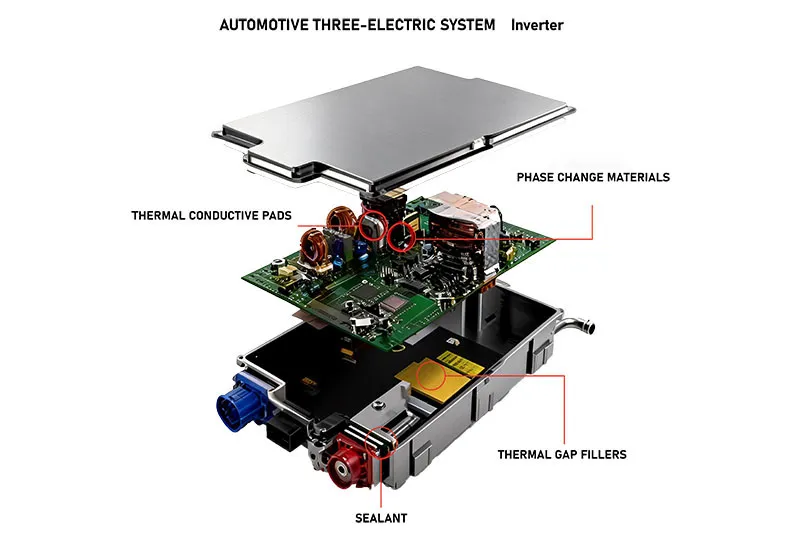
When designing Thermal solutions for electric vehicle controllers, the Thermal Interface Material sits right at the heat path’s front line.
Interface performance
Phase change material
· Softens at target temperature
· Reduces air gaps at the interface
· Limits pump-out under vibration
Thermal grease
· High initial thermal conductivity
· Fills micro-voids effectively
· Risk of dry-out over time
Mechanical stability
· Assembly pressure tolerance
· Long-term heat transfer reliability
· Resistance to shear stress
For EV controller thermal management, phase change options often win in durability, while grease works well in tightly controlled assemblies. Sheen Technology evaluates operating temperature swings before recommending a TIM strategy for electric vehicle controller cooling systems.
Factor 2: Heat Sink Material Choice—Copper Sheet or Graphite Composite
Heat sink selection shapes the backbone of Thermal solutions for electric vehicle controllers.
Copper sheet
· High bulk conductivity
· Strong thermal dissipation
· Reliable for heavy-load inverters
Graphite composite
· Lightweight profile
· Excellent in-plane conductivity
· Ideal for compact layouts
In EV power electronics thermal design, weight matters. Copper spreads heat evenly across a heat sink, while graphite composite trims kilograms without sacrificing spreading efficiency. Smart material choice improves overall electric vehicle thermal management and boosts range by reducing cooling overhead.
Factor 3: Power Module Substrate Options Like DBC and Aluminum Nitride
The power module substrate directly affects Thermal solutions for electric vehicle controllers.
Ceramic substrate families
Direct Bonded Copper (DBC)
· Strong electrical isolation
· Balanced thermal expansion
· Mature manufacturing base
Aluminum nitride
· Higher thermal conductivity
· Lower thermal resistance
· Stable under high-current SiC loads
Si₃N₄
· Better fracture toughness
· Handles thermal cycling stress
Performance priorities
· Match coefficient of thermal expansion
· Maintain insulation reliability
· Support high switching frequency
BloombergNEF’s 2025 EV outlook notes that “SiC-based inverters are scaling rapidly as automakers push for higher efficiency and reduced cooling losses,” reinforcing the need for advanced ceramic substrates in next-generation controller platforms.
For dependable electric vehicle controller cooling, substrate choice is not optional—it’s strategic. Sheen Technology aligns ceramic selection with real-world drive cycles.
Factor 4: Encapsulation Resin Selection—Epoxy vs Silicone Gel
Encapsulation keeps the controller alive in rough road conditions.
Epoxy resin
· High mechanical strength
· Strong moisture resistance
· Good dielectric strength
Silicone gel
· Flexible under thermal cycling
· Protects bond wires
· Reduces stress on die attach
In practical Thermal solutions for electric vehicle controllers, epoxy supports structural rigidity, while silicone gel absorbs expansion mismatch. EV controller thermal management improves when encapsulation matches vibration and temperature profiles. It’s less about hype, more about stress control over thousands of heating cycles.
Factor 5: Coolant Fluid Selection—Silicone Oil, Fluorocarbon Fluid
Liquid cooling defines advanced Thermal solutions for electric vehicle controllers.
Coolant fluid properties
Silicone oil
· Stable dielectric fluid
· Reliable thermal stability
· Moderate viscosity
Fluorocarbon fluid
· Low viscosity
· Strong heat exchange capability
· Excellent insulation
Key parameters for liquid cooling
| Fluid Type | Thermal Conductivity (W/m·K) | Viscosity (cSt @25°C) | Dielectric Strength (kV/mm) | Operating Temp (°C) |
| Silicone Oil A | 0.15 | 50 | 15 | -40 to 180 |
| Silicone Oil B | 0.18 | 20 | 18 | -50 to 200 |
| Fluorocarbon F1 | 0.06 | 1.2 | 35 | -30 to 150 |
| Fluorocarbon F2 | 0.08 | 0.8 | 40 | -20 to 120 |
| Fluorocarbon F3 | 0.07 | 1.5 | 38 | -40 to 160 |
Low viscosity supports compact pump design, while dielectric strength protects sensitive circuits. For electric vehicle controller cooling systems pushing high power density, fluid choice directly affects efficiency and packaging. That’s why Sheen Technology integrates fluid selection into full-stack Thermal solutions for electric vehicle controllers, balancing safety, size, and performance.
【Explore Related Application Pages】 Need a closer match for your EV controller design? Browse these related application pages to see how thermal solutions are applied in real systems.
Scenario: High-Power EV Controller—Choosing Your Cooling System
High-power drive systems are getting serious, and so is the heat. In 250 kW platforms, Thermal solutions for electric vehicle controllers are not optional extras; they keep the whole ride alive. From electric vehicle cooling solutions to controller heat management, every layer matters.
Cooling Choice for 250 kW Controllers: TIM and Vapor Chamber Integration
When building Thermal solutions for electric vehicle controllers, the Cooling System around a High Power inverter must be planned as a stack, not a single part.
Core heat path design
· EV Controllers using SiC modules generate sharp heat flux.
· A high-grade Thermal Interface Material fills micro-gaps between die and baseplate.
· Liquid metal or phase-change options reduce interface resistance.
Spreading and transfer layer
· A Vapor Chamber distributes localized heat across a wider surface.
· It balances hotspots before liquid cooling plates take over.
· This improves overall Thermal Integration efficiency.
System alignment for electric vehicle controllers
· Match clamping force with TIM pump-out resistance.
· Validate flatness tolerance of cold plates.
· Tune coolant flow rate for steady-state and peak loads.
For brands like Sheen Technology, electric vehicle controller cooling is engineered as a complete path—die to ambient—so Thermal solutions for electric vehicle controllers stay stable under launch bursts and highway cruising alike.
【Download Product Datasheets】 Need exact thermal conductivity, dielectric strength, thickness range, and operating temperature before you choose? Download the product datasheets to compare thermal interface materials and cooling solutions for electric vehicle controllers.
Matching Dielectric Coolant with Ceramic Package and Bond Wire Reliability
Reliable Thermal solutions for electric vehicle controllers must protect materials, not just move heat.
Material interface review
· The Dielectric Coolant must not react with the Ceramic Package substrate.
· Check swelling resistance of seals and potting compounds.
· Confirm copper Bond Wire corrosion resistance.
Reliability validation layers
Chemical compatibility testing
· Long-term soak tests at elevated temperature
· Ion contamination analysis
Electrical safety
· Insulation resistance under humidity
· Leakage current monitoring
Thermal management synergy
· Coolant viscosity affects pump load and flow uniformity.
· Specific heat impacts transient response in EV power electronics.
This is where electric vehicle thermal management becomes practical engineering. Sheen Technology aligns coolant chemistry with packaging design so Thermal solutions for electric vehicle controllers support both performance and long-term Reliability, not just spec-sheet numbers.
Insulation Upgrades—PTFE Film or Silicone Elastomer for High Voltage Safety
As voltage climbs, insulation cannot be an afterthought in Thermal solutions for electric vehicle controllers.
Insulation material paths
PTFE Film
· High Dielectric Strength
· Strong tracking resistance
· Low moisture absorption
Silicone Elastomer
· Flexible under vibration
· Good gap filling in complex housings
· Stable across wide temperature swings
Application mapping
· Busbar isolation
· Module edge protection
· Enclosure lining for High Voltage zones
Safety and durability alignment
· Combine insulation with grounding strategy.
· Validate creepage and clearance under real vibration loads.
· Coordinate with overall Material Selection for electric vehicle controllers.
Sheen Technology integrates insulation, cooling, and structural layout as one package. That’s how Thermal solutions for electric vehicle controllers evolve from simple heat removal into full electric vehicle power electronics protection—keeping drivers safe and systems cool without drama.
FAQs about Thermal Solutions For Electric Vehicle Controllers
What determines effective thermal solutions for electric vehicle controllers?
Thermal solutions for electric vehicle controllers hinge on how heat travels from the chip to the air or coolant.
Heat source & substrate pairing
· High-power SiC substrate or silicon nitride (Si3N4) on direct bond copper (DBC) or aluminum nitride (AlN) defines the starting temperature load.
· Substrate choice shapes expansion stress and long-term solder paste alloy stability.
Interface control (TIM layer)
· Thermal paste or thermal grease → low resistance, tight bond lines.
· Gap filler pad or phase change material → better tolerance to height variation.
· Liquid metal alloy → extreme conductivity, but strict sealing needed.
Heat spreading & dissipation
· Aluminum alloy extruded aluminum profile with fin stock for lightweight systems.
· Copper sheet or vapor chamber material for rapid lateral spreading.
· Heat pipe tubing for concentrated hotspots.
Coolant path
· Glycol-water mixture for cost balance.
· Dielectric coolant or fluorocarbon fluid when electrical isolation is critical.
The drama lies in balance—thermal resistance, vibration, weight, and cost pulling in different directions.
How do different Thermal Interface Materials (TIMs) affect reliability in EV controllers?
The wrong interface material quietly raises junction temperature; the right one protects bond wire and die attach adhesive for years.
| TIM Type | Strength | Risk Point | Typical Use Case |
| Thermal paste / thermal grease | Very low contact resistance | Pump-out under cycling | Flat DBC to cold plate |
| Gap filler pad | Absorbs tolerance stack | Slightly higher resistance | IMS or uneven housings |
| Phase change material | Stable over time | Needs controlled pressure | Automated mass assembly |
| Thermally conductive adhesive | Bonds + conducts | Hard rework | Compact modules |
| Liquid metal alloy | Extreme conductivity | Corrosion compatibility | High-load SiC zones |
Under vibration, gap filler pads often outlast grease. Under peak load, liquid metal alloy lowers junction spikes—but demands careful sealing near lead frame alloy and molding compound.
Reliability is not about conductivity alone; it is about surviving thousands of heat cycles without cracking ceramic package material or stressing copper bond wires.
Why do insulation and encapsulation materials matter as much as heat sinks?
Heat sinks move heat out. Insulation and encapsulation keep everything alive while it happens.
Encapsulation & potting layer
· Epoxy resin or thermally conductive epoxy: rigid, strong moisture barrier.
· Silicone gel: flexible, protects die attach adhesive during cycling.
· Dielectric potting: shields high-voltage nodes inside plastic package material.
Electrical insulation stack
· Polyimide film or PTFE (Teflon): high dielectric strength near DBC edges.
· Mica sheet or ceramic insulator: thermal stability under pressure.
· Glass fiber mat or silicone elastomer: vibration buffering.
Coolant interaction
· Corrosion inhibitor inside glycol-water mixture protects copper sheet and bond wire.
· Silicone oil or dielectric coolant reduces electrical risk around exposed terminals.
A controller fails not only from heat, but from tiny cracks, moisture paths, or tracking across FR-4 laminate. Thermal solutions for electric vehicle controllers succeed when heat flow, insulation strength, and mechanical resilience act as one disciplined system.
【Request a Custom Quote】Request a Custom EV Controller Thermal Recommendation. Send us your controller power level, enclosure type, target operating temperature, and stack-up details, and we can help recommend the right thermal solution for your electric vehicle application.
Sheen Thermal
Dongguan Sheen Electronic Technology Co., Ltd · Founded in 2008
Manufacturer of thermal interface materials and silicone foam for automotive electronics, energy storage, power electronics, communications and consumer electronics.
Certified
- ISO 9001:2015
- ISO 14001:2015
- IATF 16949:2016
What we supply
- Thermal conductivity Up to 90 W/m·K
- Thickness 0.3–10.0 mm
- Custom & samples Die-cut to drawing, 3–7 days