
 English
 usheenthermal

Improve Safety Using a High-Performance Medical Device Insulating Thermal Material
Date:2026-03-18
Improve Safety Using a High-Performance Medical Device Insulating Thermal Material
Medical device insulating thermal material isn’t just a line item on a spec sheet—it’s the quiet bodyguard inside every monitor, pump, and surgical tool. When circuits heat up or moisture creeps in, patients don’t get a second chance. One tiny insulation failure can snowball fast. For OEM buyers, that risk feels like walking a tightrope in steel-toed boots: budgets on one side, compliance audits on the other.
The U.S. medical device market surpassed $200 billion in 2024, according to SelectUSA, and devices keep shrinking while power density climbs. Heat builds. Standards tighten. IEC 60601 and ISO 10993 aren’t “nice-to-haves”—they’re gatekeepers. As a Sheen Technology senior materials engineer put it in 2025, “In medical electronics, insulation isn’t passive—it’s active protection.” Short sentence. Big truth.
Choosing high performance insulation—polyimide films, silicone foams, ceramic barriers—is like picking the right armor for a marathon, not a sprint. The right material keeps currents in line, temperatures steady, and regulators satisfied. That’s where safety stops being a gamble and starts being engineered on purpose.
Key Points for Medical Device Insulating Thermal Material
→ Material Selection: Balance polyimide’s heat endurance with silicone’s flexibility to suit circuits, batteries, or displays.→ Form Factor Choice: Opt for films and sheets on flat boards, foams for gap filling, tapes for quick assembly, and coatings for connector protection.
→ Manufacturing Processes: Leverage lamination, extrusion, molding, sintering, coating, and slitting to achieve precise thickness and custom fabrication.
→ Regulatory Compliance: Ensure ISO 10993 biocompatibility, IEC 60601 electrical safety, UL 94 flame retardancy, and RoHS/REACH/FDA documentation.
What Is Insulating Thermal Material?
Medical device safety often comes down to one quiet hero: Medical device insulating thermal material. In real-world clinics and labs, insulating thermal material keeps circuits stable, patients protected, and devices cool under pressure.
Polyimide vs Silicone Films: Core Insulator Materials
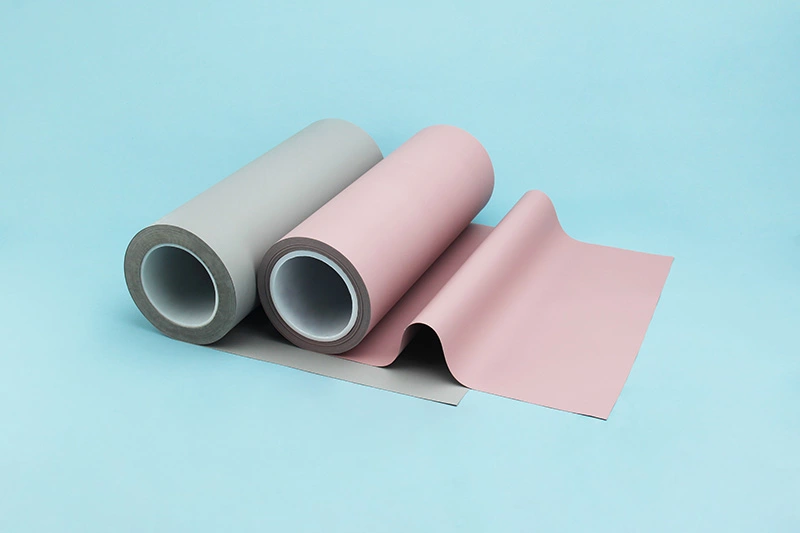
When choosing Medical device insulating thermal material, engineers often compare Polyimide and Silicone Films. Both act as core Insulator layers, yet their Material Properties differ in practical ways.
Polyimide Films
Performance traits
· High Dielectric Strength for compact PCB layouts
· Stable Thermal Conductivity across wide temperature swings
Typical uses
· Implantable control boards
· Imaging system circuits
Why it matters
· Supports long-term reliability in medical device insulating applications
Silicone Films
Flexibility advantages
· Soft structure absorbs vibration
· Strong moisture barrier
Application fit
· Battery modules
· Flexible display assemblies
Practical benefit
· Ideal for wearable medical device thermal insulation
For brands like Sheen Technology, balancing dielectric needs and flexibility ensures every Medical device insulating thermal material solution fits real hospital demands.
Sheets, Foams, Tapes & Coatings: Choosing Your Form Factor
Selecting the right form of medical device insulating thermal material is not just technical—it’s hands-on.
· Sheets: flat, consistent, great for rigid boards.
· Foams: lightweight, shock-absorbing, strong thermal insulation.
· Tapes: quick bonding with reliable Adhesion.
· Coatings add thin, even protection for connectors and sensors.
· Foams improve gap filling where airflow is tight.
· Tapes simplify assembly time on production lines.
The right Form Factor depends on device size, airflow, and required Flexibility.
Short take: flat boards like sheets. Tight gaps like foams. Fast builds like tapes. Complex shapes like coatings.
This mix-and-match mindset helps optimize medical insulating materials without overdesigning the system.
From Lamination to Coating: Key Manufacturing Processes
High-quality Medical device insulating thermal material depends on disciplined Manufacturing and tight Quality Control.
Lamination
· Layer stacking with precision Adhesive
· Heat and pressure bonding
· Post-bond inspection
Coating
· Surface Treatment for adhesion
· Controlled thickness application
· Thermal or UV Curing
Additional Processes
· Film extrusion for uniform thickness
· Foam molding for complex geometries
· Slitting for tight dimensional tolerance
Each step shapes how insulating thermal material performs inside a medical device. Small process shifts can change dielectric reliability or thermal resistance in a big way.
Meeting ISO 10993 and IEC 60601: Regulatory Essentials
Compliance is non negotiable for Medical device insulating thermal material used in Medical Devices.
ISO 10993
· Focus on Biocompatibility
· Testing for cytotoxicity and irritation
· Documentation traceability
IEC 60601
· Core Electrical Safety rules
· Insulation coordination checks
· Risk management alignment
· Broader Regulatory framework
RoHS and REACH material declarations
· Ongoing Compliance audits
· Supplier certification control
“Global demand for higher safety margins in medical electronics is accelerating material innovation,” notes a 2025 outlook from MarketsandMarkets, highlighting insulation upgrades as a key growth driver.
That’s why companies such as Sheen Technology align insulating thermal material development with evolving Standards, ensuring medical device thermal insulation solutions meet both engineering and patient expectations.
5 Key Properties Of Thermal Insulators
In medical electronics, heat and electricity can’t run wild. A reliable Medical device insulating thermal material keeps patients safe and circuits stable. From compact sensors to wearable monitors, the right medical device insulating thermal material balances thermal control, dielectric strength, and durability. Let’s break down what truly matters in medical device thermal insulation today.
Thermal Conductivity: Aerogel Pads for Superior Heat Barrier
When managing heat flow inside compact systems, Medical device insulating thermal material must focus on low thermal conductivity.
Core material choice
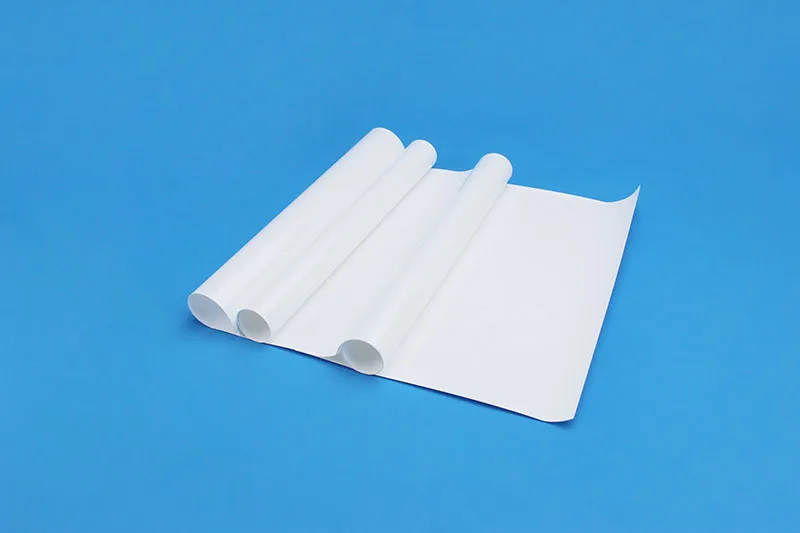
aerogel pads
· ultra-light structure
· extreme thermal insulation performance
· effective heat barrier in dense assemblies
Application areas
· medical devices
· imaging modules
· portable monitors
· battery compartments
· hotspot reduction
· controlled heat dissipation
Performance impact
· protects semiconductors
· stabilizes device output
· supports long service life
For advanced integration, Sheen Technology engineers aerogel-based medical device insulating thermal material that fits tight layouts without adding bulk. In critical care hardware, that slim heat barrier makes a real difference.
Dielectric Strength: PTFE Coatings in Sensor Modules
Electrical safety sits at the heart of any Medical device insulating thermal material.
Material foundation
PTFE coatings
· high dielectric strength
· stable electrical insulation
· chemical inertness
Functional protection
· safeguards sensor modules
· maintains signal integrity
· prevents breakdown under high voltage
Medical relevance
· supports medical sensors
· reduces leakage risk
· improves diagnostic reliability
In compact monitoring units, medical device thermal insulation must block stray current while handling heat. Sheen Technology applies precision-coated PTFE layers so the medical device insulating thermal material handles both thermal and electrical stress without drama.
Temperature Resistance: Ceramic Films for High-Temp Power Supplies
High-load systems push Medical device insulating thermal material to the edge.
Material stack
ceramic films
· mica composites
Key attributes
· superior temperature resistance
· long-term thermal stability
· flame retardancy
Device focus
· power supplies
· voltage converters
· charging modules
· medical electronics
Under continuous heat, ceramic-based medical device insulating thermal material keeps structure intact. No warping. No sudden drop in insulation strength. Just steady performance that protects sensitive boards.
Flexibility: Silicone Tapes on Conformal Battery Packs
Modern wearables bend and twist, so Medical device insulating thermal material must keep up.
Structural need
· irregular battery shapes
· compact stacking
Material solution
silicone tapes
· strong flexibility
· reliable battery insulation
· vibration damping
Application scope
· conformal battery packs
· wearable devices
· flexible electronics
This flexible medical device thermal insulation supports device integration without cracking or peeling. Sheen Technology designs silicone-based options that stick well, stay stable, and make assembly teams breathe easier.
Moisture Resistance: Silicone Foams Shielding Circuit Boards
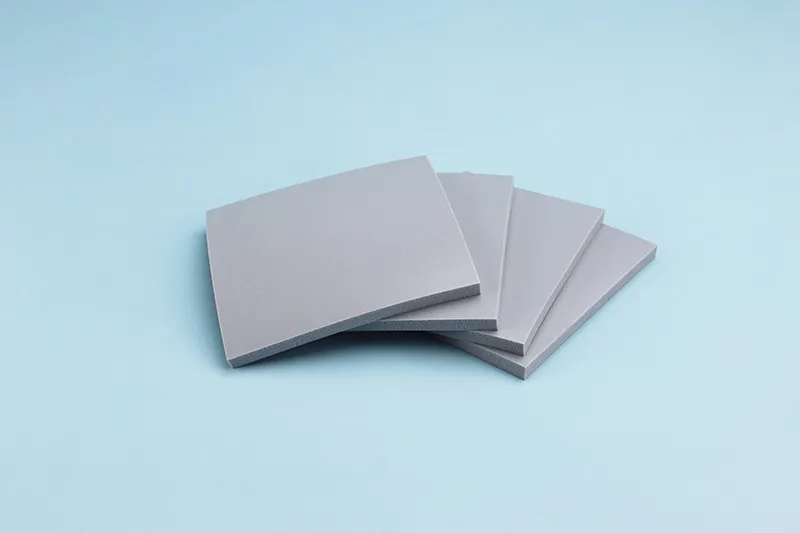
Humidity is sneaky. A dependable Medical device insulating thermal material blocks it early.
Protective layer
· Silicone foams
· strong moisture resistance
· low absorption rate
Shielding targets
circuit boards
· connectors
· display modules
Risk control
· corrosion prevention
· maintained dielectric strength
· enhanced environmental protection
In hospitals and labs, temperature shifts happen fast. Medical device insulating thermal material with moisture control prevents leakage paths and surface damage. For long-term reliability in medical equipment, that protection isn’t optional—it’s essential.
How Thermal Conductivity Impacts Device Safety
Thermal control is not just engineering talk—it directly shapes device safety and lifespan. From chips to battery systems, the right Medical device insulating thermal material keeps heat in check and performance steady without nasty surprises.
Hotspot Prevention in Semiconductors
In compact semiconductor devices, heat builds fast. Smart thermal management using Medical device insulating thermal material makes that heat move instead of pile up.
Core Risk Area
· Junction Zones
· Poor heat dissipation raises local temperature beyond safe temperature control limits.
· Result: weakened dielectric layers and reduced component reliability.
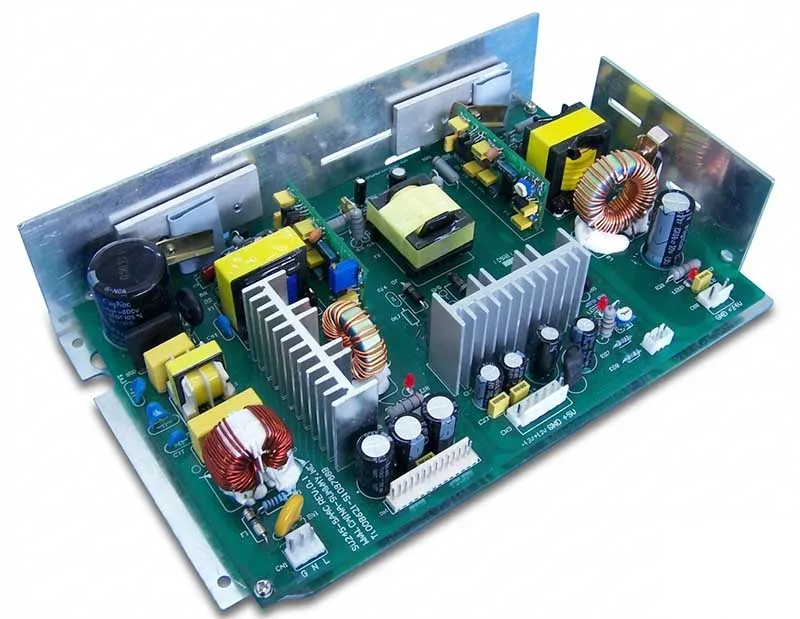
Power Modules
· Inadequate overheating protection stresses substrates and bonding wires.
Material Response Strategy
· Thermal Conductivity Balancing
· Medical device thermal material spreads energy laterally.
· Insulating thermal material blocks unwanted transfer to sensitive zones.
Electrical Isolation
· Medical device insulating material maintains voltage stability.
Sheen Technology fine-tunes Medical device insulating thermal material so heat flows where it should—and nowhere else. In tight boards, that balance keeps semiconductor devices alive longer.
Extended Battery Pack Lifespan through Efficient Heat Spread
Battery packs hate uneven heat. It shortens cycles and fuels thermal runaway risks.
A solid Medical device insulating thermal material works with structural plates to manage heat spread across energy storage cells. The result? Lower performance degradation and better device longevity.
Key effects include:
· Stable internal gradients
· Reduced expansion stress
· Improved charge retention
Below is a simplified thermal comparison in battery modules using medical device insulating thermal material:
| Configuration Type | Peak Temp (°C) | Cycle Life (Cycles) | Thermal Conductivity (W/m·K) |
| No Insulation | 78 | 620 | 0.2 |
| Basic Pad | 65 | 820 | 0.8 |
| Enhanced Spread | 58 | 1050 | 1.5 |
| Medical Device Insulating Thermal Material | 52 | 1280 | 2.1 |
| Optimized Hybrid | 49 | 1400 | 2.8 |
Medical thermal insulation material keeps packs steady under heavy cycling. Sheen Technology applies this in compact modules where space is tight but safety margins must stay wide.
Maintaining UL 94, RoHS & FDA Compliance under Thermal Stress
Compliance is not paperwork—it’s about material properties surviving real heat.
Flammability Control
· UL 94 Focus
Medical device insulating thermal material must:
· Resist ignition
· Self-extinguish quickly
· Limit dripping
· Under thermal stress, poor compounds lose structure.
· Environmental Alignment
Regulatory compliance requires:
· RoHS heavy metal limits
· REACH chemical stability
· FDA suitability for medical device safety
Performance Under Heat Aging
· After 1,000-hour exposure:
· Thermal insulation material retains dielectric strength
· Insulating thermal material keeps shape integrity
· No shift in flammability standards rating
Sheen Technology engineers each Medical device insulating thermal material to handle high operating temperatures without breaking compliance rules. When heat rises, certifications still stand. That’s the real win.
FAQs about Medical Device Insulating Thermal Material
1. What materials are best suited for medical device insulating thermal material?
Medical systems demand materials that stay calm under heat and voltage stress. Common choices include:
· Polyimide (Sheets, Films): High Dielectric Strength for Circuit Boards and Semiconductors.
· Silicone (Tapes, Pads): Flexibility and Moisture Resistance for Battery Packs.
· Ceramic & Mica (Coatings, Layers): Extreme Temperature Resistance in Power Supplies.
· PTFE (Films): Chemical Inertness for compact Sensors and Connectors.
· Fiberglass & Aerogel (Foams): Low Thermal Conductivity inside enclosures.
Each material is selected to match both performance limits and patient safety expectations.
2. How do thermal properties affect UL 94 and IEC 60601 compliance?
Thermal Conductivity and Flame Retardancy directly influence certification outcomes.
1) Controlled heat flow prevents hot spots in Displays and Power Supplies.
2) Stable insulation maintains Dielectric Strength under load.
3) Flame Retardancy supports UL 94 ratings.
4) Electrical insulation integrity aligns with IEC 60601 safety clauses.
Add RoHS, REACH, ISO 10993, and FDA Compliance documentation, and the material becomes audit-ready rather than risky.
3. What form factors are available for different device designs?
Design teams choose structure as carefully as chemistry:
· Sheets & Films → flat Circuit Boards, layered Semiconductors
· Foams & Aerogel Pads → lightweight thermal barriers in housings
· Tapes → quick bonding on Battery Packs and Sensors
· Coatings → thin protection on Connectors and Displays
The right form reduces assembly strain and improves long-term reliability.
4. Why is polyimide widely used in circuit board insulation?
Polyimide Films balance strength and endurance in tight electronic stacks. Through precise Lamination and Slitting, manufacturers maintain even thickness and consistent Temperature Resistance. The result: stable insulation during soldering, vibration, and repeated sterilization cycles common in clinical equipment.
5. How does flexibility impact battery pack safety?
Portable medical devices live through motion, charging cycles, and temperature swings. Silicone Tapes and Pads bring:
· Flexibility that adapts to uneven cells
· Moisture Resistance during cleaning cycles
· Stable Dielectric Strength over time
This balance protects Battery Packs without adding mechanical stress, keeping both device and patient secure.
6. What supplier capabilities matter when sourcing insulating materials?
Material performance is only half the story. Trusted suppliers provide:
· Custom Fabrication via Extrusion, Molding, Sintering, or Coating
· Verified Material Certification (ISO 10993, UL 94, IEC 60601)
· Strict Quality Control and traceable Inventory Management
· Predictable Lead Time and responsive Technical Support
In medical applications, consistency builds trust just as much as Thermal Conductivity or Temperature Resistance.
Sheen Thermal
Dongguan Sheen Electronic Technology Co., Ltd · Founded in 2008
Manufacturer of thermal interface materials and silicone foam for automotive electronics, energy storage, power electronics, communications and consumer electronics.
Certified
- ISO 9001:2015
- ISO 14001:2015
- IATF 16949:2016
What we supply
- Thermal conductivity Up to 90 W/m·K
- Thickness 0.3–10.0 mm
- Custom & samples Die-cut to drawing, 3–7 days