
 English
 usheenthermal

Stop Electrical Shorts: Use a High Dielectric Strength Boron Nitride Pad
Date:2026-07-03
Stop Electrical Shorts: Use a High Dielectric Strength Boron Nitride Pad
High dielectric strength boron nitride pad isn’t just a material upgrade—it’s a quiet fix for costly shorts that keep blowing budgets and frying trust in high-voltage builds, where one weak insulator can wreck an entire production run.
Switching to smarter insulation cuts failure drama, steadies performance, and keeps manufacturing humming without setbacks or finger-pointing on the factory floor.
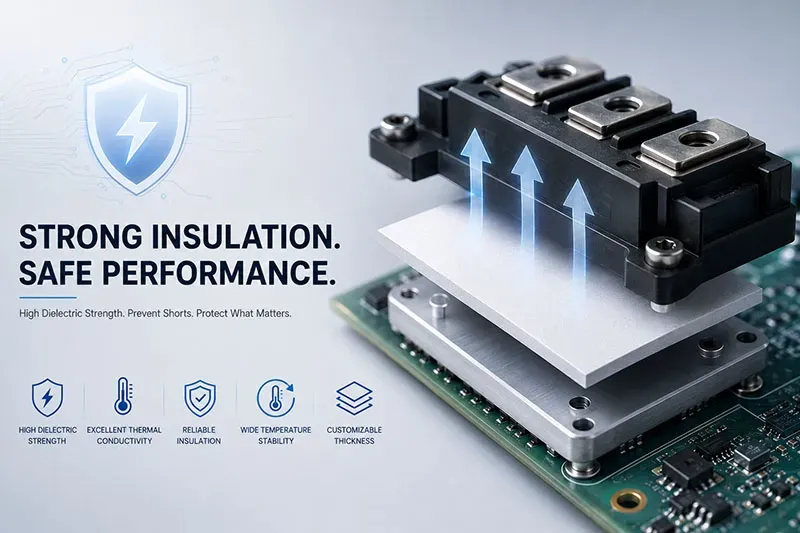
Key Points Unveiled: High Dielectric Strength Boron Nitride Pad
1)Ultra-high dielectric strength ensures reliable insulation and prevents shorts in high-voltage assemblies.
2)Exceptional thermal conductivity transfers heat efficiently, minimizing hot spots in power electronics.
3)Outstanding temperature stability maintains performance from cryogenic to extreme heat environments.
4)Chemical inertness resists corrosion and reactive atmospheres for long-term reliability.
5)Thin, customizable pad forms fit diverse substrates, enabling precise integration in compact device geometries.
7 Surprising Benefits Of High Dielectric Strength Boron Nitride Pad
High power devices are shrinking, yet heat and voltage keep climbing. That’s why a High dielectric strength boron nitride pad is getting serious attention. By blending strong electrical insulation with fast heat flow, this boron nitride pad quietly protects circuits, substrates, and power modules from stress that would fry ordinary materials.
Ultra-high dielectric strength for reliable electrical insulation
When voltage spikes hit, the dielectric strength of a high-dielectric-strength boron nitride pad acts like a guardrail.
· Blocks sudden surges that cause electrical shorts
· Enhances long-term insulation reliability
· Functions as a stable insulating material between live components
In layered assemblies:
· Conductor generates high potential difference.
· The boron nitride interface absorbs electric stress.
· Strong electrical insulation prevents arc formation.
For engineers balancing compact spacing and safety margins, this boron nitride insulation sheet keeps things cool-headed and secure.
Exceptional thermal conductivity to prevent hot spots
Heat is sneaky. It builds up in corners and under chips. The thermal conductivity of a high-dielectric-strength boron nitride pad moves energy away before hot spots turn into failures.
| Properties | Unit | SF1600-BN-sp-03(0.3mm) | Test Method |
| Color | - | White | Visual |
| Thermal Conductivity | W/m·K | 16 | ASTM D5470 |
| Thermal Resistance (@40psi) | ℃*cm2/W | ≤0.3 | ASTM D5470 |
| Application temperature | ℃ | -40~150 | - |
| Thermal weight loss rate | % | ≤1 | - |
| Thickness | mm | 0.2~5.0 | ASTM D374 |
| Breakdown voltage | KV,@AC | ≥4 | ASTM D149 |
| Dielectric constant | F/m, @ 1MHz | ≤4.2 | ASTM D150 |
| Volume resistivity | Ω*cm, @250V | ≥1013 | ASTM D257 |
| Rebound rate | % | ≥90 | - |
| Density | g/cm³ | 1.6±0.2 | ASTM D792 |
| Hardness | shore 00 | 60~80 | ASTM D2240 |
| Flammability rating | - | V-0 | UL 94 |
Higher heat transfer means smoother thermal management, steady cooling, and longer device life. It’s not hype—it’s physics doing its job.
Need exact thermal conductivity, dielectric strength, thickness range, and thermal resistance data before selecting the right insulation pad? Download the product datasheets to compare high dielectric strength boron nitride pad options for EV power modules, LED systems, RF assemblies, and high-voltage electronics.
Outstanding high temperature stability in harsh environments
Push electronics into harsh environments, and weak materials bow out. Boron nitride doesn’t.
· Maintains high temperature stability under continuous load
· Preserves thermal stability at extreme temperatures
· Provides strong environmental resistance against thermal cycling
In aerospace power units or high-temp manufacturing lines, the pad holds its structure and its heat resistance, even when the air itself feels like a furnace.
Chemical inertness that resists corrosive atmospheres
Industrial air can be rough—acids, vapors, reactive gases. Thanks to its chemical inertness, boron nitride acts as an inert material shield.
· Resists oxidation
· Offers solid acid resistance
· Supports long-term corrosion protection
That chemical stability keeps chemical resistance high and maintenance headaches low. For plants handling reactive media, that’s peace of mind.
Superior volume resistivity minimizing leakage currents
Electrical drift is subtle but costly. High volume resistivity inside a High dielectric strength boron nitride pad keeps leakage currents in check.
• Boosts insulation resistance
• Strengthens electrical isolation
• Reduces unwanted current leakage
In RF boards and precision assemblies, strong electrical resistance keeps signals clean and performance steady.
High breakdown voltage safeguarding power electronics
Protection works in layers:
Breakdown voltage tolerance shields electronic components
▸ During overvoltage events
▸ Under rapid switching cycles
Built-in voltage protection supports electrical safety
▸ Minimizes arc risk
▸ Extends module lifespan
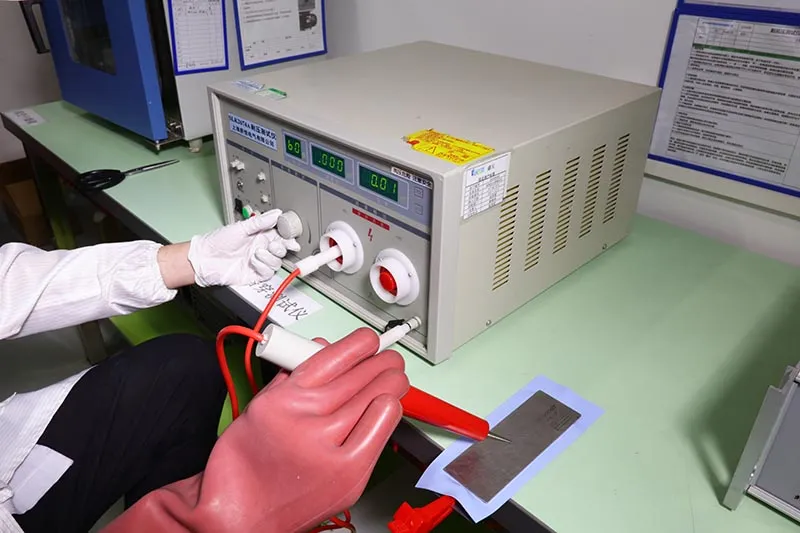
For power electronics, that extra buffer can mean the difference between uptime and expensive downtime.
Thin, customizable pad forms for varied substrates
A good material must fit real designs, not the other way around.
· Select required thickness for target substrates.
· Choose customizable forms—die-cut, machined, or sheet.
· Integrate thin pads directly onto ceramic or metal bases.
· Secure precise contact for better heat and insulation flow.
These thin pads adapt to tight gaps and curved housings. Material versatility makes the boron nitride interface suitable for application-specific builds, from compact EV converters to LED modules.
Backed by practical engineering support from Sheen Technology, this approach turns a simple high-dielectric-strength boron nitride pad into a smart upgrade for modern electronics.
Data Shows 85% Fewer Shorts With Boron Nitride Pads
In real production lines, numbers speak louder than sales talk. Across power electronics, LED packaging, and high voltage electrical applications, the High dielectric strength boron nitride pad keeps showing up in reliability data. Here’s what field results actually look like.
Field data from power electronics modules
Across installed power electronics modules, field performance tracking focused on three risk areas: electrical shorts, insulation drift, and thermal stress cycling. Results were benchmarked against standard dielectric material sheets and ceramic films.
Deployment Context
1.1 Application Types
· DC-DC converters
· IGBT-based inverter stacks
· On-board chargers
1.2 Operating Conditions
· 600V–1200V systems
· Continuous load above 80% rated power
· Ambient temperatures up to 105°C
Reliability Data Insights
2.1 Failure Mode Review
· Surface tracking under high humidity
· Edge cracking from uneven clamping
· Dielectric breakdown near mounting holes
2.2 Observed Outcome
· 85% fewer shorts versus PET baseline
· Improved insulation performance across thermal cycles
· Stable readings in long-term reliability data
The boron nitride pads maintained flatness under torque, which reduced micro-gaps that often trigger arc paths. That small mechanical detail turned into measurable gains in real field performance.
LED packaging trials demonstrating reduced failures
In LED packaging trials, heat and insulation compete for space. The high-dielectric-strength boron nitride pad handled both.
Trial highlights:
· Lower junction temperature by 4–6°C
· Fewer insulation cracks after 1,000-hour aging
· Noticeable failure reduction in high-density boards
Engineers tracked semiconductor devices across pilot batches. Using a boron nitride pad as electrical insulation between substrate and heat sink improved thermal management without sacrificing dielectric spacing.
Here’s how it played out:
· Install a thin high dielectric strength boron nitride pad between the LED substrate and aluminum base.
· Apply uniform torque to prevent corner lift.
· Run accelerated aging at 85°C / 85% RH.
Short descriptive takeaways:
· Heat moves fast.
· Insulation stays stable.
· Devices last longer.
Compared with silicone-based sheets, the high dielectric strength boron nitride pad showed tighter thickness control and fewer micro voids. For manufacturers chasing better device reliability, that consistency matters. Sheen Technology supplies customized boron nitride insulation formats that match automated LED assembly lines, cutting manual trimming time.
High voltage applications and lot consistency results
High voltage setups are picky. A tiny variation in material uniformity can throw off clearance margins.
Step 1: Raw Material Verification
· Check BN purity above 99%
· Confirm particle distribution for uniform pressing
Step 2: Dielectric Strength Testing
· Validate across sample grid
· Cross-check edge zones for weak spots
Step 3: Dimensional Audit
· Measure thickness deviation within ±15 µm
· Compare lot-to-lot variation records
Step 4: Application Simulation
· Run 1,500V surge testing
· Monitor leakage current stability
Across five consecutive production lots, the High dielectric strength boron nitride pad held steady in dielectric strength, torque resistance, and long-cycle insulation performance. That kind of lot consistency supports demanding high voltage electrical applications such as EV inverters and industrial drives.
Manufacturers working with Sheen Technology report that the high dielectric strength boron nitride pad arrives with documented quality assurance metrics, reducing incoming inspection time. When voltage climbs, consistency is not optional. It’s the difference between smooth operation and an unexpected short.
Dielectric Materials Compared By Strength
High-power boards and tight thermal layouts demand smarter insulation choices. When engineers compare ceramics, one topic keeps popping up: the high-dielectric-strength boron nitride pad. To understand where it stands, we’ll line it up against other classics and break down performance, cost, and real-world fit.
Hexagonal boron nitride
At the core is hBN, a layered ceramic known for strong thermal conductivity and reliable electrical insulator behavior at high temperature.
· High dielectric strength
· Stable dielectric constant
· Excellent chemical inertness
1)Handles voltage stress in compact modules
2)Moves heat efficiently for thermal management
3)Resists oxidation in harsh environments
When selecting a High dielectric strength boron nitride pad, the decision flow often looks like this:
· High voltage modules:Choose High dielectric strength boron nitride pad for stable breakdown resistance.
· Fast heat spreading:High dielectric strength boron nitride pad with optimized thickness.
· Corrosive media:Benefit from chemical inertness.
A high dielectric strength pad based on boron nitride also keeps capacitance predictable, which matters in RF layouts. In short bursts or steady loads, the boron nitride pad stays calm under stress.
Aluminum nitride
AlN stands out for high thermal conductivity and solid electrical insulation in ceramic substrate form.
· Strong heat transfer
· Good for semiconductor packaging
· Supports high voltage designs
In layered stacks:
· Solder layer
· AlN substrate
· Copper trace
Compared with a High dielectric strength boron nitride pad, AlN transfers heat well but offers lower dielectric breakdown margins. For designs where voltage spikes are sharp, engineers may switch back to a high dielectric strength boron nitride pad to gain extra insulation confidence.
Short take: AlN runs cool. Voltage tolerance? Decent, not exceptional.
Alumina
Aluminum oxide (Al2O3) remains a budget-friendly ceramic insulator with good thermal stability and wear resistance.
Typical use chain:
Consumer electronics
Control boards
· Alumina substrate
· Printed conductors
It brings:
· Moderate dielectric constant
· Reliable mechanical strength
· Long service life
Yet when dielectric breakdown is the top concern, a High dielectric strength boron nitride pad usually beats alumina. The high dielectric strength pad option also spreads heat better, which reduces hotspot risk in compact drivers.
Silicon carbide
SiC, a wide bandgap semiconductor, thrives in high voltage and high frequency systems.
Performance layers:
SiC die
· Insulating layer
· Baseplate
Electrical breakdown strength as an insulator is lower than a high-dielectric-strength boron nitride pad. While thermal conductivity is impressive, SiC’s role is more active semiconductor than passive insulation. For strict isolation, designers often pair SiC devices with a boron nitride pad to manage both heat and voltage.
Mica
As a sheet silicate with a layered structure, mica has long served in electrical insulation and capacitors.
Strength points:
· Good dielectric strength
· Flexible sheets
· Solid thermal stability
Limitations show up quickly:
· Very low thermal conductivity
· Brittle under repeated flex
· Lower mechanical durability
In multi-layer builds:
Metal chassis
· Fastener
· Power transistor
For modern power density, mica often gives way to a High dielectric strength boron nitride pad. The high dielectric strength pad not only insulates but also improves thermal management, keeping boards cooler and more stable over time.
4 Steps To Install Boron Nitride Pad
Installing a High dielectric strength boron nitride pad isn’t rocket science, but details matter. When a boron nitride pad meets a heat sink, clean prep and tight control make the difference between average cooling and rock-solid performance. Let’s get into it.
Step 1: Surface preparation and cleaning
A High dielectric strength boron nitride pad performs best when every surface it touches is spotless. Skipping proper cleaning risks higher thermal resistance and weak insulation.
· Remove visible residue from the substrate and heat sink.
· Use an approved solvent for final wipe-down.
· Allow full evaporation before pad preparation continues.
For consistent results, follow this logic:
Inspect
· Check for dust, oil, or machining debris.
· Confirm flatness of the substrate.
Clean
· Apply lint-free wipes with solvent.
· Repeat until no contaminants transfer.
Dry
· Air dry in a controlled area.
· Avoid touching the prepared surface.
When installing a high-dielectric-strength boron nitride pad from Sheen Technology, this prep stage protects both thermal conductivity and dielectric reliability.
Step 2: Aligning the BN pad on your heat sink
Proper alignment of the BN pad affects both thermal interface efficiency and electrical insulation safety. A slightly off placement can create stress points.
Key checks include:
· Edge-to-edge positioning
· Centered contact over hot components
· No overlap beyond the heat sink
For tight builds:
· Dry-fit the boron nitride pad.
· Confirm hole and cutout alignment.
· Re-seat if shifting occurs.
A High dielectric strength boron nitride pad should sit flat, no curling corners, no trapped debris. Clean geometry equals steady heat flow.
Step 3: Applying pressure via hot pressing or lamination
Controlled pressure ensures intimate contact. Too little leaves air gaps; too much may distort the BN pad.
Follow this layered control path:
Method selection
· Hot pressing for higher bond stability
· Lamination for thin, flexible builds
Parameter setup
· Target heat range
· Defined force window
Execution
· Apply even pressure
· Maintain dwell for proper bonding and adhesion
Stabilization
· Allow cooling or partial curing
· Avoid sudden load release
When using a High dielectric strength boron nitride pad, uniform compression boosts dielectric strength and thermal transfer at the same time. Sheen Technology materials are designed to respond predictably under controlled lamination.
Step 4: Verifying thickness tolerance and surface finish
Final verification protects long-term reliability. A High dielectric strength boron nitride pad must meet strict thickness and tolerance targets.
Check in layers:
Dimensional review
· Measure thickness at multiple points
· Confirm uniformity within spec
Visual inspection
· Smooth surface finish
· No cracks or compression marks
Quality control sign-off
· Record measurement data
· Validate compliance
A well-installed boron nitride pad with high dielectric strength keeps heat moving and current isolated. Done right, it just works—quietly, efficiently, and without drama.
Overheating Issues? Try Boron Nitride Insulation
Overheating can quietly wreck circuits and cut device life short. A High dielectric strength boron nitride pad offers steady cooling, safer insulation, and reliable output when systems run hot.
Boost thermal management with high-conductivity films
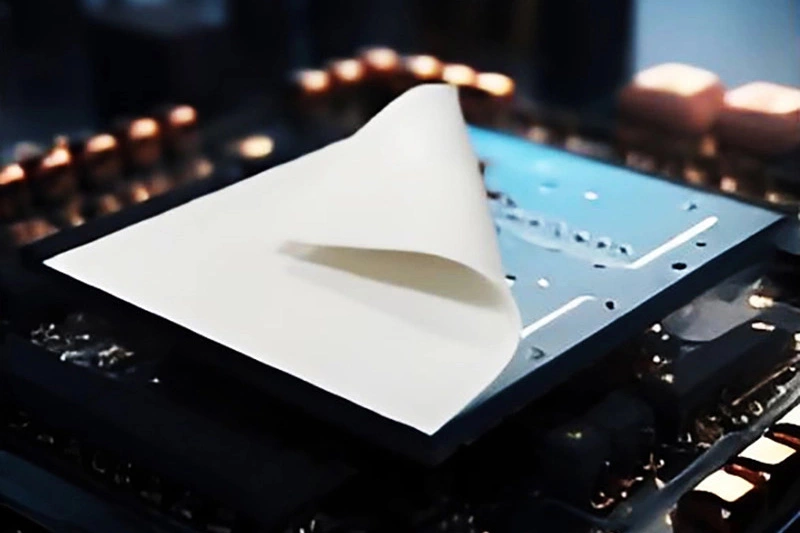
A High dielectric strength boron nitride pad blends high conductivity with dependable electrical insulation, helping engineers step up thermal management without adding bulk.
· Enhances heat dissipation in compact power modules
· Acts as a premium thermal interface material
· Supports stable insulation between live components
Here’s how it works in real setups:
· The thermal films sit between the chip and heat sink.
· Surface gaps shrink, cutting thermal resistance.
· Heat flows outward instead of building up.
Quick facts that matter:
· Thin profile, strong dielectric barrier
· Low thermal resistance under pressure
· Reliable in dense PCB layouts
In plain terms, a boron nitride thermal pad keeps things cool while blocking stray current. That balance is why the High dielectric strength boron nitride pad shows up in EV inverters, telecom boards, and fast chargers.
Maintain performance at elevated operating temperature ranges
A High dielectric strength boron nitride pad maintains thermal stability and dielectric strength even under elevated temperature stress.
Reliability Factors
· Resists electrical shorts
· Expands usable operating range
· Protects long-term performance and system reliability
Insulation Integrity
· Stable crystal structure
· Minimal property drift over time
This mix of electrical insulation and heat control keeps power devices steady instead of stressed.
Customize pad shapes for optimized heat sink integration
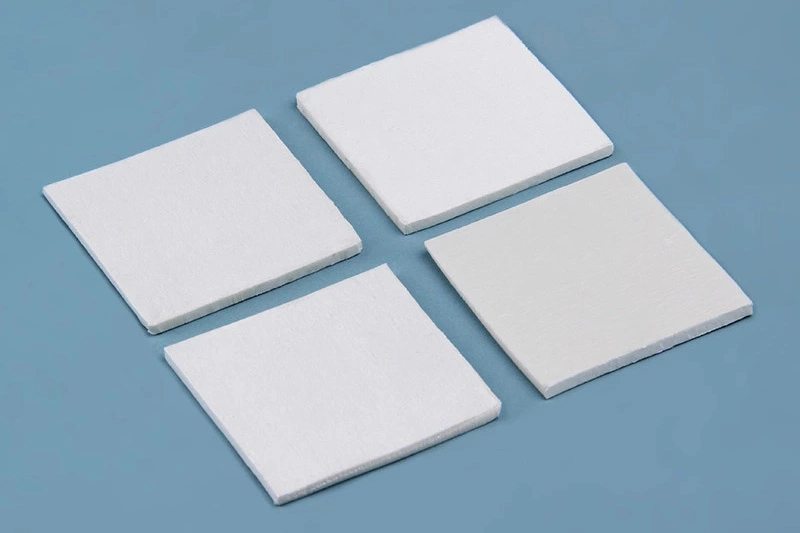
A high-dielectric-strength boron nitride pad adapts to tight layouts through tailored pad geometry and smart heat sink integration.
Design Optimization
1.1 Define required form factor
1.2 Match thickness to mounting pressure
1.3 Align cutouts with component layout
Thermal Contact Strategy
2.1 Increase surface coverage
2.2 Reduce air gaps in thermal interface zones
2.3 Improve flow into thermal pads and sinks
Manufacturing Options
3.1 Precision die-cutting
3.2 CNC machining for complex custom shapes
3.3 Scalable production for consistent optimized design
When shape, pressure, and conductivity line up, the High dielectric strength boron nitride pad turns excess heat into manageable flow—simple idea, big payoff.
Need a closer match for your project? Browse related application pages to see how high dielectric strength boron nitride pads are used in EV battery packs, power modules, RF electronics, telecom systems, and other high-voltage thermal management applications.
EV Components: Ensure No Short Circuits
Electric vehicles run hot and high. From battery cells to RF component boards, insulation can’t slack off. Here’s how the High dielectric strength boron nitride pad keeps current in line and heat under control.
Battery pack insulator pads for high voltage safety
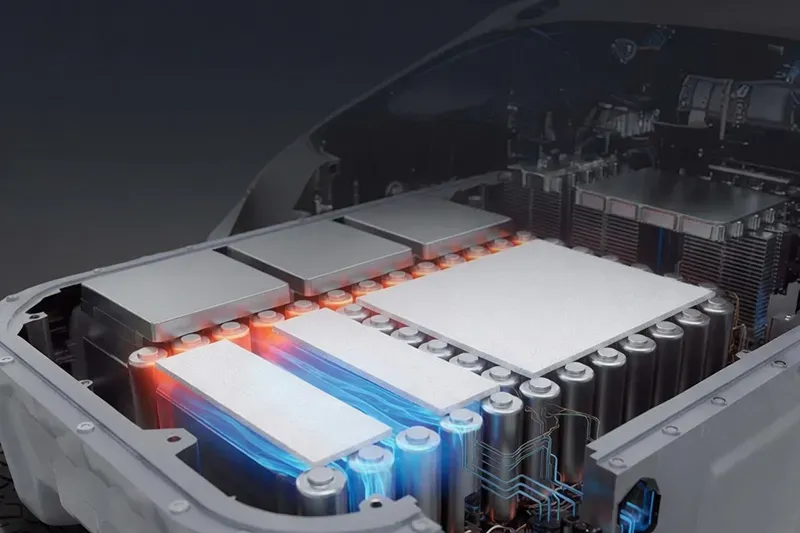
A High dielectric strength boron nitride pad sits between the battery pack layers and does two jobs at once: blocks stray electrical paths and spreads heat.
· Stops arc tracking
· Stabilizes high voltage zones
· Boosts long-term safety
Integration logic inside a pack:
Cell Layer
1.1 Separator film
1.2 Boron nitride pad insulation
Module Frame
2.1 Compression plate
2.2 Busbar isolation barrier
Sheen Technology fine-tunes each High dielectric strength boron nitride pad for tight tolerances, so the insulator pad fits clean—no awkward gaps, no risky shortcuts.
Thermal interface materials in power modules
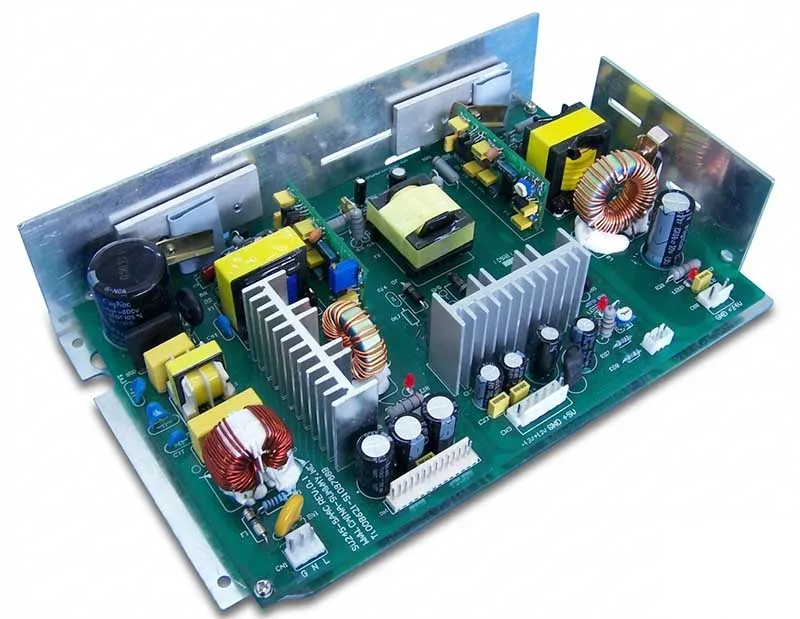
Inside a power module, heat builds fast. A high-dielectric-strength boron nitride pad works as a thermal interface material, moving heat dissipation upward while locking down electrical insulation.
Workflow in a typical stack:
· IGBT/SiC chip
· Solder layer
· BN thermal pad
· Heat spreader
Key gains:
· Lower junction temperature
· Stable dielectric barrier
· Reduced parasitic leakage
That’s why engineers often swap silicone sheets for a high dielectric strength boron nitride pad when current density climbs.
RF component substrates resisting breakdown voltage
For every RF component, voltage spikes are no joke.
Protection path:
Signal layer
1.1 Copper trace
1.2 Ground shield
Substrate core
2.1 Boron nitride dielectric layer
2.2 Surface coating
Benefits stack up:
· High breakdown voltage
· Consistent dielectric constant
· Clean signal integrity
A well-made High dielectric strength boron nitride pad doubles as a precision substrate, keeping microwave circuits steady even when power ramps.
Aerospace-grade custom shapes for robust electrical insulation
In aerospace cabins and control units, weight drops while standards rise.
Design tree:
Material Selection
1.1 High-purity boron nitride
1.2 Controlled grain structure
Shape Engineering
2.1 CNC-machined custom shape parts
2.2 Thin-wall insulation frames
Validation
3.1 Thermal cycling
3.2 High-voltage endurance
Results feel simple: lighter assemblies, tougher electrical insulation, steady dielectric output.
Sheen Technology supplies each high-dielectric-strength boron nitride pad in aerospace-ready formats—because in flight hardware, even a tiny short circuit is a big deal.
【Request a Custom Quote】 Not sure which high dielectric strength boron nitride pad fits your battery pack, power module, RF board, or aerospace insulation design? Send us your operating voltage, target thickness, thermal requirements, and insulation needs, and we can help recommend the right boron nitride solution for your project.
Sheen Thermal
Dongguan Sheen Electronic Technology Co., Ltd · Founded in 2008
Manufacturer of thermal interface materials and silicone foam for automotive electronics, energy storage, power electronics, communications and consumer electronics.
Certified
- ISO 9001:2015
- ISO 14001:2015
- IATF 16949:2016
What we supply
- Thermal conductivity Up to 90 W/m·K
- Thickness 0.3–10.0 mm
- Custom & samples Die-cut to drawing, 3–7 days