
 English
 usheenthermal

What Sets a Top Thermal Putty Manufacturer Apart From the Rest?
Date:2026-04-24
What Sets a Top Thermal Putty Manufacturer Apart From the Rest?
Choosing the right thermal putty manufacturer can feel like picking a pit crew for a race car—you won’t notice the wrong call until smoke starts curling out of your power module. When heat spikes and components fail, budgets burn fast. Engineers want stable conductivity, sourcing managers want zero drama in compliance, and everyone wants batches that behave the same.
Cut corners here, and production lines stall. Pick wisely, and your hardware runs cool, calm, and clocked in for the long haul.
Harmonic Keynotes: A Thermal Putty Manufacturer Guide
➔ Ensure ISO 9001, RoHS & REACH compliance for consistent thermal conductivity and safety.
➔ Opt for boron nitride–enriched silicone formulations to balance viscosity, dielectric strength, and low impedance.
➔ Verify UL certification and rigorous rheology, thermal cycling, and TGA/DSC testing for module reliability.
➔ Match product form—thermal paste, gap filler, PCM—to your application’s bond-line, temperature range, and assembly process.
85% Of Engineers Choose Certified Thermal Putty Manufacturers
Choosing a thermal putty manufacturer isn’t just ticking a supplier box. Engineers want steady heat control, safe chemistry, and proof that every batch performs the same. A trusted thermal putty manufacturer builds confidence from raw material blending to final inspection. That’s why certified thermal putty manufacturers dominate serious electronics projects today.
The Impact of ISO 9001 Certification on Thermal Conductivity Consistency
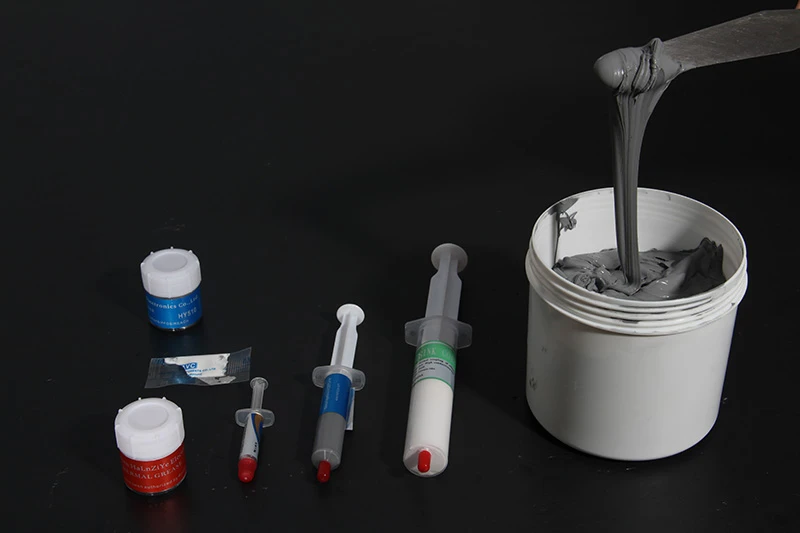
A qualified thermal putty manufacturer operating under ISO 9001 follows strict quality management controls that directly affect thermal conductivity stability.
Manufacturing discipline
1.1 Raw material inspection
· Silicone base viscosity check
· Ceramic filler particle size scan
· Moisture content validation
1.2 Controlled mixing process
· Timed dispersion cycles
· Torque-monitored blending
· Vacuum degassing
1.3 Curing verification
· Temperature profiling
· Crosslink density sampling
Performance alignment with performance standards
2.1 Batch-to-batch thermal conductivity variance ≤ ±5%
2.2 Bond line thickness tolerance control
2.3 Rheology consistency for automated dispensing
Output reliability
· Stable GPU cooling
· Predictable microprocessor heat flow
· Reduced field returns
For any serious thermal putty manufacturer, controlled manufacturing processes mean product consistency isn’t luck—it’s documented and audited.
How RoHS & REACH Compliance Shapes Material Safety Data Sheets
A compliant thermal putty manufacturer must reflect RoHS and REACH rules clearly inside data sheets and material safety documentation.
Chemical restriction management
1.1 Identification of hazardous substances
1.2 Threshold validation (Pb, Cd, Hg, Cr6+)
1.3 Supplier declaration audits
Documentation transparency
· Substance concentration tables
· Exposure handling guidance
· Disposal instructions aligned with environmental regulations
Customer assurance flow
3.1 Request MSDS
3.2 Cross-check compliance number
3.3 Verify revision date
A reliable thermal putty supplier keeps paperwork clean and current. That’s not red tape—it protects device makers and end users alike.
Data Proves: Boron Nitride Fillers Enhance Thermal Impedance Control
When a thermal putty manufacturer upgrades formulas with boron nitride, heat transfer jumps without hurting insulation.
Test Data – Silicone-Based Thermal Putty with Boron Nitride
| Filler Content (%) | Thermal Conductivity (W/m·K) | Thermal Impedance (°C·cm²/W) | Dielectric Strength (kV/mm) |
| 20 | 1.2 | 0.45 | 8.5 |
| 35 | 2.0 | 0.31 | 8.2 |
| 50 | 3.1 | 0.22 | 7.9 |
| 60 | 4.0 | 0.18 | 7.6 |
| 70 | 4.8 | 0.15 | 7.2 |
Performance enhancement happens because:
· Thermal fillers create conductive pathways
· Platelet structure improves heat transfer
· Optimized loading balances material properties and insulation
For chipsets and telecom boards, lower thermal impedance equals longer lifespan. That’s why every forward-thinking thermal putty manufacturer invests in advanced filler engineering.
Why UL Certification Matters for Power Module Reliability
In automotive and industrial drives, UL certification isn’t optional. It confirms alignment with strict safety standards and performance testing benchmarks.
Electrical validation
1.1 Dielectric breakdown testing
1.2 Flame rating verification
1.3 Long-term thermal aging
Application impact on power modules
· IGBT insulation stability
· Reduced arc risk
· Higher operational reliability
Quality assurance chain
3.1 Periodic factory audits
3.2 Traceable lot coding
3.3 Continuous quality assurance review
A proven thermal putty manufacturer that holds UL approval gives engineers peace of mind. Brands like Sheen Technology show how certification, material science, and disciplined production come together in real projects. When sourcing from a certified thermal putty manufacturer, buyers aren’t gambling—they’re stacking the odds in favor of stable, safe, high-performance electronics.
7 Features Every Thermal Putty Manufacturer Must Excel At
Choosing the right thermal putty manufacturer isn’t just a technical call—it’s a business move. In fast-moving electronics markets, heat control can make or break product life. A reliable thermal putty supplier needs more than decent specs; it must combine material science, process control, and compliance. Here’s what truly sets a professional thermal putty manufacturer apart.
High Thermal Conductivity Balanced with Optimal Viscosity
A capable thermal putty manufacturer understands that thermal conductivity alone doesn’t win the game. What matters is balance.
At the material level:
· Heat transfer efficiency depends on filler loading and particle distribution.
· Viscosity defines how the compound flows under pressure.
· Controlled rheology prevents pump-out during long-term thermal cycling.
From a performance view:
· High filler concentration improves thermal resistance performance.
· Stable flow properties ensure even spreading across uneven surfaces.
· Consistent material consistency reduces assembly defects.
For production teams, this balance means fewer reworks and steadier output. A serious thermal putty supplier designs formulations that spread easily yet stay put under stress. That sweet spot is not accidental—it’s engineered.
Broad Operating Temperature Range Paired with Strong Dielectric Strength
Electronics don’t live in cozy lab conditions. A trusted thermal putty manufacturer builds materials that survive real life.
Under extreme conditions, material reliability depends on:
· Stable operating temperature limits
· Long-term thermal stability
· High dielectric strength
From a protection standpoint:
· Solid electrical insulation prevents short circuits.
· Strong voltage breakdown resistance safeguards power modules.
· Reliable electrical properties protect high-density boards.
As noted in a 2025 IPC reliability outlook:
“Thermal cycling durability and dielectric reliability are now critical selection criteria for advanced power electronics materials.”
That’s not hype—it’s market reality. A forward-looking thermal putty manufacturer builds compounds that hold up in EV systems, 5G hardware, and industrial drives without losing insulation performance.
Precise Bond Line Thickness for Microprocessor and GPU Cooling
Heat leaves a chip through a path. If that path is messy, cooling drops fast.
Precision in bond line thickness affects:
· Thermal interface efficiency
· Gap filling capability
· Overall thermal resistance
In high-performance setups:
· Thin, uniform layers shorten the heat transfer path.
· Controlled compression improves microprocessor cooling.
· Even distribution boosts GPU cooling in data centers.
A disciplined thermal putty manufacturer tests compression ratios under pressure, not just on paper. The goal is repeatable performance across thousands of assemblies. No surprises. No uneven spread.
Advanced Silicone-Based Formulation Enriched with Ceramic Fillers
Material science sits at the heart of any serious thermal putty supplier.
Inside the compound:
· A resilient silicone formulation forms the flexible base.
· Carefully selected ceramic fillers drive conductivity.
· Balanced filler particles maintain mechanical strength.
From a structural perspective:
· The polymer matrix absorbs vibration.
· Advanced material composition improves aging resistance.
· Optimized thermal compounds reduce long-term cracking.
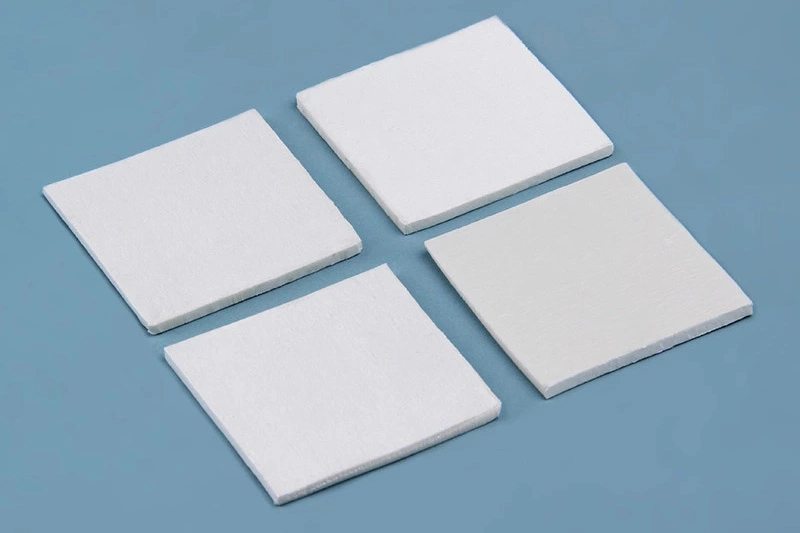
Think boron nitride for high conductivity, aluminum oxide for stability, zinc oxide for cost control. An experienced thermal putty manufacturer tunes these advanced materials like a recipe—small tweaks, big impact.
This is where companies like Sheen Technology show their edge, blending lab validation with scalable production expertise.
Automated Dispensing Techniques in the Assembly Process
Material quality is only half the story. Application defines outcome.
Modern production relies on:
· High-precision automated dispensing
· Adaptive dispensing equipment
· Real-time process control
Within assembly lines:
· Robotic dispensing ensures accurate volume control.
· Integrated assembly automation reduces human error.
· Optimized application methods enhance production efficiency.
In practice, a thermal putty manufacturer must collaborate with OEMs to match rheology with machine parameters. Too thick? Clogging happens. Too thin? Spread inconsistency creeps in.
That’s why strong manufacturing process alignment separates average vendors from a dependable thermal putty manufacturer.
Rigorous Quality Control Aligned with Environmental Regulations
Quality isn’t a slogan. It’s daily discipline.
A structured system covers:
· Incoming raw material checks
· In-process product testing
· Final batch validation
Within compliance management:
· Verified environmental compliance with RoHS and REACH
· Clear documentation on hazardous substances
· Active alignment with global regulatory standards
Certification matters too:
· Documented ISO certification
· Traceable material safety records
· Ongoing sustainability audits
A responsible thermal putty supplier treats audits as routine, not emergencies. Sheen Technology integrates lab verification with regulatory tracking so customers don’t lose sleep over compliance gaps.
Versatile Material Forms from Gap Filler to Phase Change Material
Not every project needs the same texture or form.

A flexible thermal putty manufacturer typically offers:
· Soft thermal gap filler for uneven surfaces
· Stable phase change material for controlled melting points
· Traditional thermal paste and thermal grease for fine interfaces
· Moldable thermal pads for structured mounting
Across interface solutions:
· Adjusted material forms suit LED modules and power supplies.
· High-adhesion blends enhance material versatility.
· Customized packaging supports automated lines.
This versatility lets design engineers match performance goals without redesigning hardware. A seasoned thermal putty manufacturer doesn’t just ship material—it delivers adaptable interface solutions built around real-world needs.
In short, choosing the right thermal putty manufacturer means selecting a partner who masters chemistry, precision, automation, and compliance—all at once. That’s how heat problems stay solved, not just patched.
4 Criteria For Superior Thermal Putty
Choosing a reliable thermal putty manufacturer is not just a sourcing task; it directly shapes device lifespan and safety. From chipset cooling to EV modules, the right thermal putty manufacturer keeps heat under control while staying electrically safe and production-ready.
Criterion 1: Thermal Conductivity Performance
A serious thermal putty manufacturer treats thermal conductivity as the core metric of thermal performance.
Core Indicators
1.1 W/mK (watt per meter kelvin) rating
1.2 Measured thermal resistance under pressure
1.3 Real-world heat transfer efficiency
Interface Evaluation
2.1 Control of interface thermal impedance
2.2 Stability during thermal shock
2.3 Long-term heat dissipation consistency
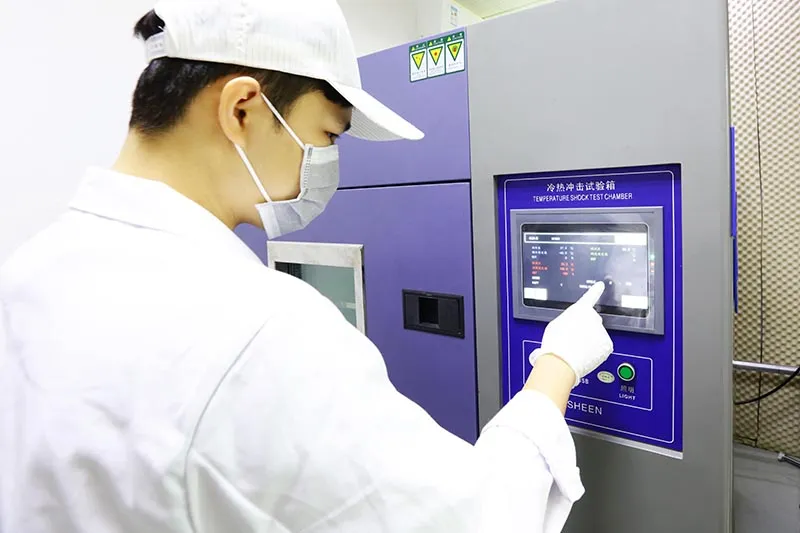
A qualified thermal putty manufacturer validates data through aging and cycling tests, not just lab sheets. A professional thermal interface material manufacturer will always back numbers with repeatable testing.
Criterion 2: Operating Temperature & Dielectric Strength
Heat is brutal in IGBT modules. A trusted thermal putty manufacturer defines a clear operating temperature range, ensuring thermal stability from cold starts to peak loads.
Key checks include:
· High dielectric strength
· Strong electrical insulation
· Verified breakdown voltage
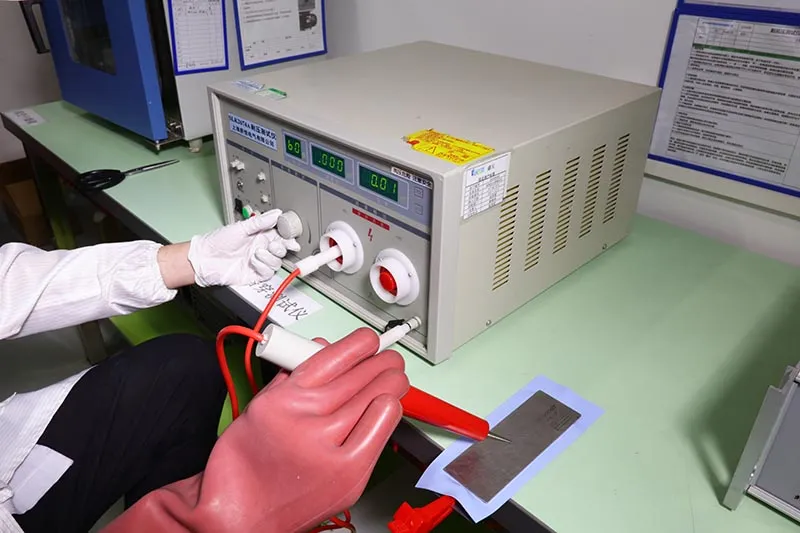
Add temperature cycling and electrical resistivity tests, and you know the compound won’t fail mid-run. Sheen Technology designs materials that stay calm under pressure.
Criterion 3: Material Composition and Specific Gravity
Material science drives performance.
Material formulation
1.1 Balanced filler type
1.2 Stable base material
1.3 Controlled material purity
Physical Control
2.1 Optimized specific gravity
2.2 Tuned rheological properties
2.3 Consistent viscosity
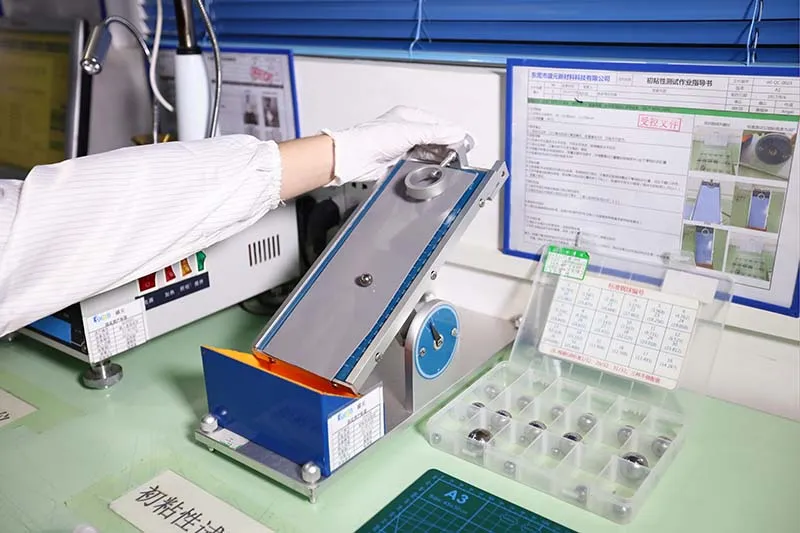
A dependable thermal putty manufacturer ensures chemical inertness so components stay clean and stable.
Criterion 4: Manufacturing Process and Quality Compliance
Even great formulas fail without discipline. A capable thermal putty manufacturer runs a strict manufacturing process backed by layered quality control.
Look for:
· Certified ISO standards
· Tight batch consistency
· Documented testing procedures
· Clear regulatory compliance
Sheen Technology, as a specialized thermal putty manufacturer, aligns production scalability with strong quality assurance, giving OEM buyers confidence that every shipment performs just like the last.
Why Next-Gen Heat-Dissipation Putty Dominates 5G Markets
5G hardware runs hot, fast, and nonstop. That reality pushes every thermal putty manufacturer to rethink formulas, fillers, and flow behavior. From base stations to compact LED modules, stable thermal management is no longer optional. Brands like Sheen Technology keep things practical: better heat paths, tighter process control, and materials that simply work when the pressure is on.
Ultrafast Thermal Cycling Performance for Telecommunications Gear
In 5G base stations, thermal cycling is brutal. Day-night shifts, traffic spikes, and outdoor exposure create sharp temperature swings. A serious thermal putty manufacturer must design for that grind.
 thermal management.jpg.webp "5G Communication Base Station Remote radio unit (RRU) thermal management")
Material Stability Under Repeated Stress
1.1 Base Requirements
· Maintain temperature stability across -40°C to 125°C
· Limit pump-out under continuous thermal stress
· Protect delicate electronic components
1.2 Performance in Live telecommunications Cabinets
· Consistent viscosity after 1,000+ cycles
· No cracking at interface gaps
· Reliable heat management during peak load
Reliability Benchmarks
2.1 Lab Simulation
· Accelerated cycling chambers
· Shear adhesion testing
· Thermal conductivity tracking
2.2 Field Deployment
· Stable signal output
· Lower failure rate in RF modules
· Improved overall reliability
Sheen Technology approaches this like a seasoned thermal putty manufacturer should: tight filler dispersion, controlled polymer crosslinking, and strict batch validation. That keeps the thermal putty flexible but not sloppy, conductive but not brittle. In fast-scaling 5G rollouts, that balance makes all the difference.
Low Thermal Impedance Solutions in High-Frequency Chipsets
High-frequency processors hate excess heat. Even small gaps in interface material raise thermal impedance, hurting heat transfer and long-term semiconductor health.
Core Technical Focus
1.1 Interface Efficiency
· Reduce contact resistance between die and heatsink
· Optimize filler loading for higher thermal conductivity
· Support advanced miniaturization trends
1.2 Power Handling
· Stable under rapid power dissipation
· Compatible with dense chipsets
· Maintains elasticity at elevated clock speeds
“Thermal interface innovation is becoming a primary differentiator in high-frequency computing hardware,” notes the 2025 Yole Group thermal management outlook, highlighting rapid demand growth in low-impedance materials for AI and 5G processors.
For any serious thermal putty manufacturer, numbers like these aren’t marketing fluff. They show how a capable putty manufacturer reduces interface resistance while supporting tighter board layouts. A reliable heat dissipation putty supplier doesn’t just sell compound; it enables stable signals at high GHz ranges.
Lightweight Polymer Matrix Design for Dense LED Arrays
LED modules are getting thinner and brighter. That means the polymer matrix inside thermal putty has to pull double duty: move heat and stay light.
Here’s what matters in real production:
· Lower material density without sacrificing heat dissipation
· Stable encapsulation around tight LED arrays
· Preserved optical performance under continuous lighting
A lightweight formula improves assembly speed. It also reduces mechanical load on aluminum substrates. That’s key in signage and automotive lighting.
Step-by-step, a capable thermal putty manufacturer handles it like this:
1) Select high-conductivity ceramic fillers.
2) Blend with a flexible lightweight resin base.
3) Fine-tune rheology for precise dispensing.
4) Validate long-term thermal management under 1,000-hour burn-in.
The result? Lower internal hot spots, reduced cracking, and better lumen stability. Sheen Technology positions itself not just as a thermal manufacturer, but as a partner in practical material science solutions. In dense lighting systems, that grounded approach keeps reliability high and maintenance costs low.
Across telecom racks, AI chipsets, and LED boards, the takeaway is simple: a forward-thinking thermal putty manufacturer wins by controlling thermal conductivity, reducing thermal impedance, and delivering stable performance where heat never takes a break.
Power Electronics: Choosing Reliable Thermal Putty
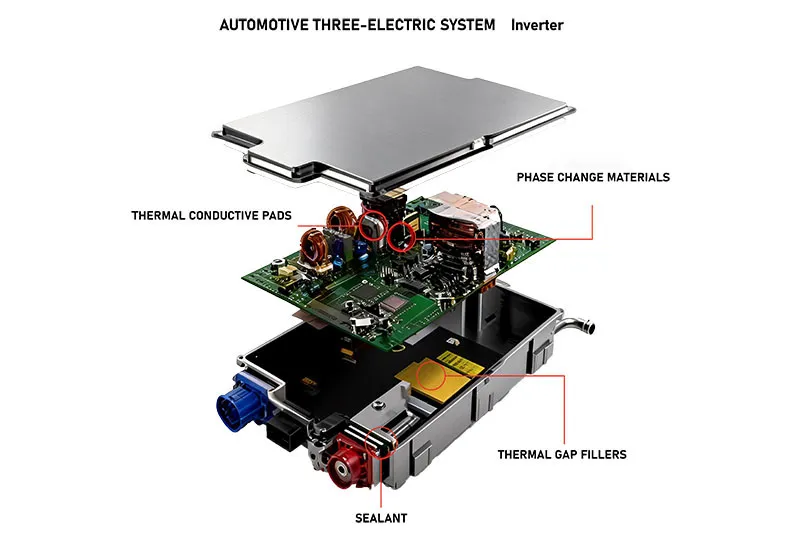
Power electronics runs hot, and picking the right thermal putty manufacturer can make or break product life. From cars to data centers and factory floors, heat control is serious business. A trusted thermal putty manufacturer helps keep systems cool, stable, and ready for the long haul.
Automotive Electronics: Ensuring IGBT Module Longevity
In electric vehicles, IGBT modules sit at the heart of power conversion. A qualified thermal putty manufacturer supports:
Core performance goals
· Junction temperature control for stable switching
· Lower thermal resistance between module and heatsink
· Improved heat transfer efficiency under load
Reliability targets
· Strong Automotive reliability during vibration
· Better power cycling performance
· Proven long-term stability in harsh climates
Material validation
· Dielectric strength testing
· Thermal shock cycling
· Aging under high humidity
Working with an experienced thermal putty supplier like Sheen Technology means the material stays compliant yet firm, filling gaps without pump-out. That balance protects silicon chips and keeps downtime low.
Data Centers Demands: Potting Compound vs Thermal Pad
For servers, cooling is money. A thermal putty manufacturer often competes with pads and potting systems in data center cooling setups.
| Material Type | Thermal Conductivity (W/m·K) | Reworkability | Typical Bond Line (mm) |
| Thermal Putty | 1.0–5.0 | High | 0.0152–0.04 |
| Thermal Pad | 1.0–15.0 | Medium | 0.1–0.9 |
| Gel TIM | 1.0–12.0 | Medium | 0.045–0.13 |
In practice:
· Thermal interface materials must handle uneven surfaces.
· Gap filling ability matters more than lab numbers.
· Application considerations decide service speed.
A skilled thermal putty manufacturer fine-tunes viscosity and heat dissipation solutions, while a thermal interface manufacturer may focus on pad hardness. The real win comes from matching the right material to rack density and airflow.
Industrial Controls: DSC & TGA Testing for Material Durability
Factory drives and PLCs demand serious material durability. A dependable thermal putty manufacturer proves performance through lab data:
· Under Differential Scanning Calorimetry, curing peaks and glass transition reveal processing windows.
· With Thermogravimetric Analysis, weight loss tracks thermal degradation at rising temperatures.
· Combined results confirm thermal stability analysis for industrial control systems.
Step by step, engineers review:
· Initial curing profile
· Post-cure thermal aging
· Long-term oxidation resistance
A capable thermal putty manufacturer and putty manufacturer partner doesn’t just ship material; it backs claims with material testing data. That’s how downtime stays low and production lines keep humming.
FAQs about Thermal Putty Manufacturer
What certifications should a thermal putty manufacturer maintain?
Trust begins with documentation and ends with stable performance on your line.
A qualified thermal putty manufacturer should align with:
· ISO 9001 for controlled formulation, curing, and quality control consistency.
· RoHS compliance & REACH compliance to meet environmental regulations in automotive electronics and consumer electronics.
· UL certification to verify dielectric strength and fire safety for power module and IGBT applications.
· Clear Material Safety Data Sheet (MSDS) for safe material handling during assembly processes.
These credentials protect buyers in data centers, telecommunications, and industrial controls where dielectric breakdown or thermal failure is not an option.
How do material composition and bond line thickness affect cooling performance?
Thermal behavior is shaped by chemistry and precision.
Material Composition
· Silicone-based systems with boron nitride, aluminum oxide, or zinc oxide ceramic fillers raise thermal conductivity while keeping electrical insulation stable.
· A balanced polymer matrix controls viscosity and prevents pump-out around GPUs or chipsets.
Bond Line Thickness (BLT)
· Thinner BLT lowers thermal impedance between a microprocessor and heat sink.
· Controlled screen printing, stencil printing, or automated dispensing keeps thickness uniform across memory modules and LED arrays.
When formulation and BLT align, heat flows cleanly through power electronics and high-density server boards.
Which tests confirm durability before bulk procurement from a thermal putty manufacturer?
Reliability is proven in the lab long before it reaches your assembly process.
Key validation methods include:
· DSC (Differential Scanning Calorimetry): Confirms curing stability and operating temperature range.
· TGA (Thermogravimetric Analysis): Tracks weight loss to reveal degradation limits.
· Thermal cycling & thermal shock: Simulate stress in automotive electronics and LED lighting modules.
· Dielectric breakdown test: Ensures safe insulation for IGBT and power module use.
· Rheology testing: Measures viscosity behavior for consistent dispensing.
For buyers comparing thermal grease, gap filler, thermal pad, or potting compound options, these tests translate data into confidence—especially where uptime in data centers or power electronics cannot be compromised.
Sheen Thermal
Dongguan Sheen Electronic Technology Co., Ltd · Founded in 2008
Manufacturer of thermal interface materials and silicone foam for automotive electronics, energy storage, power electronics, communications and consumer electronics.
Certified
- ISO 9001:2015
- ISO 14001:2015
- IATF 16949:2016
What we supply
- Thermal conductivity Up to 90 W/m·K
- Thickness 0.3–10.0 mm
- Custom & samples Die-cut to drawing, 3–7 days