
 English
 usheenthermal

Why Flexible Carbon Fiber Thermal Conductive Film Is a Game Changer
Date:2026-04-10
Why Flexible Carbon Fiber Thermal Conductive Film Is a Game Changer
Heat is the silent deal breaker in modern tech. Flexible carbon fiber thermal conductive film steps in like a cool-headed bouncer, pulling excess heat out before your devices throw a tantrum. When chips shrink, and power climbs, old-school metal sinks start feeling like winter coats in July—bulky, stiff, and in the way.
Grand View Research reports the global thermal management market is projected to surpass $25 billion by 2030, driven by EVs and compact electronics. As ASHRAE puts it, “thermal control is mission critical to system reliability.”
This isn’t just material science—it’s survival for your next product launch.
Key Highlights of Flexible Carbon Fiber Thermal Conductive Film
· Balances exceptional thermal conductivity with built-in electrical insulation for safe heat transfer.
· Ultra-thin, flexible structure enables tight‐fit designs in wearables, consumer electronics, and EV modules.
· Superior heat dissipation supports reliable performance in power modules, batteries, and LED lighting.
· Meets RoHS, REACH, UL, and ISO standards for safe, long-term operation.
· Roll-to-roll processing and coating techniques ensure scalable, cost-effective manufacturing.
Types of Thermal Conductive Films Explained
Heat builds up fast in slim electronics, and nobody likes a hot device in their hand. That’s where Flexible carbon fiber thermal conductive film steps in—thin, bendable, and built to move heat out quickly. From carbon fiber heat film layers to thermal conductive carbon film sheets, smart material choices keep devices cool without adding bulk.
Graphite Film: Lightweight, High Thermal Conductivity Solution
Graphite Film remains a go-to for Thermal Management when space is tight.
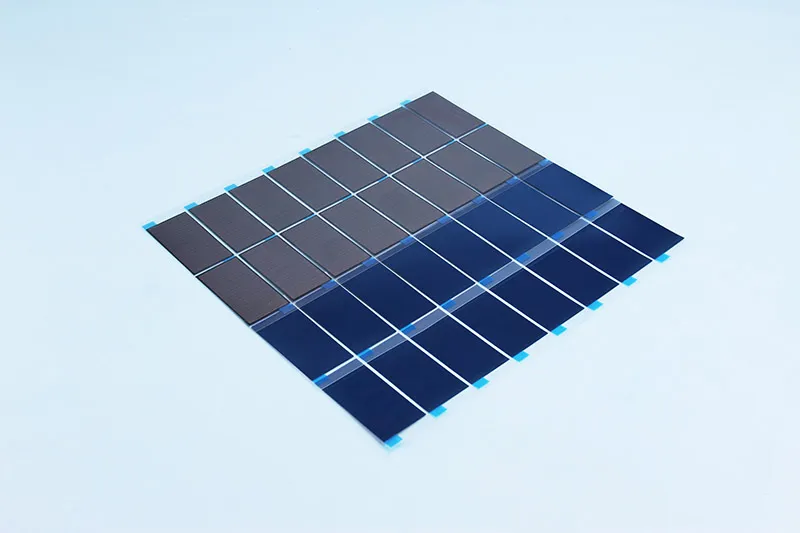
Core Performance
· High in-plane Heat Dissipation efficiency
· Low density, truly Lightweight
· Ultra-thin Flexible Film form
Application Logic
· Consumer electronics
· Smartphones
· Tablets
· LED modules
· PCB-mounted heat spreaders
In many designs, Flexible carbon fiber thermal conductive film is layered with graphite to balance spreading speed and structural support.
Graphene Composite Layers with Superior Mechanical Strength
Graphene Composite materials blend extreme Thermal Conductivity with standout Mechanical Strength.
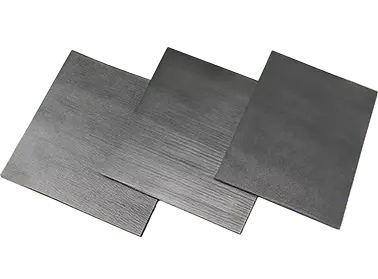
· High Heat Transfer efficiency under vibration
· Strong Durability in automotive control units
· Stable Composite Layers for aerospace panels
Used alongside Flexible carbon fiber thermal conductive film, graphene-enhanced stacks create advanced materials that stay flexible yet tough. It’s a smart pick when heat and mechanical load show up together.
Carbon Nanotube Mats for Enhanced Heat Dissipation
Carbon Nanotube Mats push Thermal Management into high-performance territory.
Key Traits
· Rapid Heat Dissipation
· EMI shielding
· Thin Thermal Interface Material compatibility
Paired with Flexible carbon fiber thermal conductive film, CNT mats boost energy efficiency in compact power modules.
Polymer Matrix Films Reinforced with Ceramic Filler
Polymer Matrix Films bring structure and safety.
· Filled with Ceramic Filler for controlled Thermal Conductivity
· Provide electrical Insulation
· Built as Reinforced Materials for wearables
Unlike pure carbon layers, composite films manage heat transfer while blocking current. In flexible electronics, Flexible carbon fiber thermal conductive film often works beside ceramic-reinforced composite films—carbon fiber thermal sheets move heat, polymer layers protect circuits.
For brands pushing slim, bendable hardware, Sheen Technology keeps things practical: flexible carbon fiber heat film options, tuned conductivity, and stable composite builds that just get the job done.
3 Key Benefits of Carbon Fiber Films
Carbon fiber films are no longer niche lab materials. In real products, from wearables to power modules, flexible carbon fiber thermal conductive film keeps devices cooler, safer, and easier to design.
Benefit 1: Exceptional Thermal Conductivity Meets Electrical Insulation
Flexible carbon fiber thermal conductive film sits in a sweet spot where Thermal Conductivity and Electrical Insulation don’t fight each other.
Material Properties
· Carbon network paths move heat fast
· Insulating layers block stray current
Performance in Electronics
· Heat Dissipation improves on dense PCBs
· Short circuit risks drop during peak loads
Carbon Fiber Film in practice
· Stable contact with chips
· Clean signal integrity
Design teams at Sheen Technology often lean on flexible carbon fiber thermal conductive film here because consistent Performance beats exotic but fragile alternatives. In short runs or mass builds, the balance holds up.
Benefit 2: Flexibility and Low Thermal Resistance in Compact Designs
In tight layouts, flexible carbon fiber thermal conductive film bends without drama. That flexibility pairs with Low Thermal Resistance, helping real devices breathe.
Key design wins show up fast:
· Compact Design freedom in curved housings
· Better Thermal Management across uneven surfaces
· Smoother Device Integration during lamination
Below is lab data comparing flexible carbon fiber thermal conductive film with common options in the same Application Space:
| Material Type | Thermal Resistance (°C·cm²/W) | Bend Radius (mm) |
| Carbon fiber thermal film | 0.35 | 3 |
| Graphite sheet | 0.42 | 6 |
| Silicone pad | 0.85 | 8 |
| Aluminum foil | 1.10 | Rigid |
This is why Sheen Technology pushes flexible carbon fiber thermal conductive film for wearables, auto displays, and folded modules.
Benefit 3: Long-Term Reliability and Thermal Cycling Stability
Long life isn’t marketing fluff. Flexible carbon fiber thermal conductive film earns it through Thermal Cycling tests.
Stability under stress
· Heat cool swings stay boring
Durability factors
· Moisture, vibration, and dust resistance
Product Lifespan impact
· Fewer field failures
· Predictable aging curves
With Long-Term Reliability baked in, carbon fiber thermal films help power modules pass certification without redesign loops. That’s why Sheen Technology keeps betting on this material when downtime is not an option.
Automotive: Heat Control in EV Batteries
Electric vehicles run hot, and that heat has to go somewhere. Smart thermal design keeps packs safe, stable, and long-lasting. Here’s how Flexible carbon fiber thermal conductive film fits into EV battery systems and why automakers are quietly upgrading to carbon fiber thermal solutions.
Integrating Carbon Fiber Film with Battery Pack Enclosure Design
In modern EV platforms, Flexible carbon fiber thermal conductive film works hand in hand with Battery Pack architecture and Enclosure Design.
Material Selection
· Carbon Fiber Film with high Thermal Conductivity
· Flexible carbon fiber sheet for tight module gaps
Functional Role
· Reduces interface resistance
· Improves Heat Dissipation across aluminum housings
· Structural Integration
Mechanical Bonding
· Adhesive lamination to cooling plates
· Compression fitting between cells and frames
Reliability Control
· Maintains Structural Integrity during vibration
· Supports crash safety margins
Thermal Path Optimization
· Cell → carbon fiber thermal conductive layer → enclosure
· Enclosure → liquid cooling plate → ambient
This is where Sheen Technology brings practical know-how, fine-tuning flexible carbon fiber thermal conductive film to match real enclosure tolerances.
Roll-to-Roll Processing for Large-Scale Automotive Electronics
Scaling up EV output means Roll-to-Roll Processing must keep pace with Automotive Electronics demand.
Key advantages include:
· Continuous coating for carbon fiber thermal film
· Stable Material Handling at high speed
· Inline Quality Control with optical inspection
Production flow often runs like this:
· Raw carbon precursor treatment
· Surface activation for bonding
· Precision coating of flexible carbon fiber thermal conductive film
· Slitting and rewinding for module assembly
According to the IEA Global EV Outlook 2025, EV sales exceeded 17 million units in 2024, pushing supply chains to “accelerate localized battery component manufacturing to avoid bottlenecks.”
“Thermal management materials are becoming a strategic component in battery cost and safety optimization,” notes BloombergNEF’s 2025 battery supply chain update.
That’s why Sheen Technology aligns its Manufacturing Scale strategy with high-volume carbon fiber thermal conductive solutions, keeping Production Efficiency tight and scrap rates low. Flexible carbon fiber thermal conductive film isn’t boutique anymore—it’s mass production ready.
Ensuring RoHS Compliance and UL Certification in EV Modules
For global EV Modules, compliance is non-negotiable. Flexible carbon fiber thermal conductive film must align with layered Regulatory Standards.
Material Level
Chemical Control
· Meets RoHS Compliance thresholds for Pb, Cd, Hg
· Conforms to REACH substance limits
Documentation
· MSDS preparation
· Supplier traceability audits
Module Level
Fire Resistance
· UL94 flammability rating
Electrical Safety
· Dielectric strength validation
· Short-circuit endurance
System Level
Pack Certification
· Alignment with UL Certification pathways
Third-party lab verification
· Ongoing Safety Assurance
· Batch sampling
· Environmental stress screening
Using flexible carbon fiber thermal sheets that already align with Environmental Regulations shortens approval cycles. Sheen Technology supports OEM audits directly.
FAQs about Flexible carbon fiber thermal conductive film
Why is flexible carbon fiber thermal conductive film trusted in automotive electronics?
A quiet battle happens inside automotive electronics, where heat pushes against safety.
· High thermal conductivity drives fast heat dissipation from power modules and semiconductor devices.
· Built-in electrical insulation protects printed circuit board traces in tight enclosure design.
· Natural flexibility and lightweight feel suit curved battery packs and vibration-prone zones.
· Proven fit for automotive electronics and high-load power modules.
How does the film hold up over long service life?
Long days, long miles, and rising temperatures test patience and materials alike.
· Thermal cycling stability verified under ISO standards
· UL certification confirms safe operation near heat sinks and thermal interface material
· Strong mechanical strength and chemical resistance resist oils, humidity, and aging
The result is steady long-term reliability, not sudden failure.
Where is this material commonly applied across industries?
From wrist to runway, heat must move or damage follows.
· Consumer electronics and wearable devices seeking low thermal resistance
· LED lighting systems replacing aluminum with graphite film layers
· Automotive electronics requiring EMI shielding near dense circuitry
· Aerospace components using graphene composite structures for strength and conductivity
How does it compare with polymer matrix films using ceramic filler?
Two materials, two philosophies—control versus release.
| Aspect | Carbon fiber film | Polymer matrix + ceramic filler |
| Core focus | Heat dissipation | Electrical insulation |
| Feel | Flexible, thin | Stable, controlled |
| Integration | Battery enclosures, semiconductor devices | Printed circuit board gaps |
| Related materials | Graphite film, carbon nanotube | Polymer matrix, ceramic filler |
Can it be manufactured at scale with roll-to-roll processing?
Yes, and this is where pressure meets precision.
· Roll-to-roll processing supports continuous lamination and coating techniques
· Careful surface treatment keeps thickness uniform
· Clean cutting methods protect edges for fast assembly
This rhythm suits high-volume automotive and consumer electronics lines.
Why do buyers insist on RoHS and REACH compliance?
Behind every purchase sits accountability.
· RoHS compliance limits hazardous substances in mass production
· REACH regulation supports worker and user safety
· Clear material safety data sheet speeds approval cycles
Trust grows when safety aligns with performance.
Sheen Thermal
Dongguan Sheen Electronic Technology Co., Ltd · Founded in 2008
Manufacturer of thermal interface materials and silicone foam for automotive electronics, energy storage, power electronics, communications and consumer electronics.
Certified
- ISO 9001:2015
- ISO 14001:2015
- IATF 16949:2016
What we supply
- Thermal conductivity Up to 90 W/m·K
- Thickness 0.3–10.0 mm
- Custom & samples Die-cut to drawing, 3–7 days