
 English
 usheenthermal

5 Benefits of High-Temperature Resistant Carbon Fiber Thermal Conductive Material (140℃+)
Date:2026-04-11
5 Benefits of High-Temperature Resistant Carbon Fiber Thermal Conductive Material (140℃+)
Heat is the silent deal breaker in modern electronics. When power modules start running hot, margins melt right along with them. That’s where High-temperature resistant carbon fiber thermal conductive material (160℃+) steps in—built to keep its cool long after aluminum taps out. Lighter than metal, tougher than it looks, and steady past 160℃, it’s made for factories that can’t afford downtime or drama.
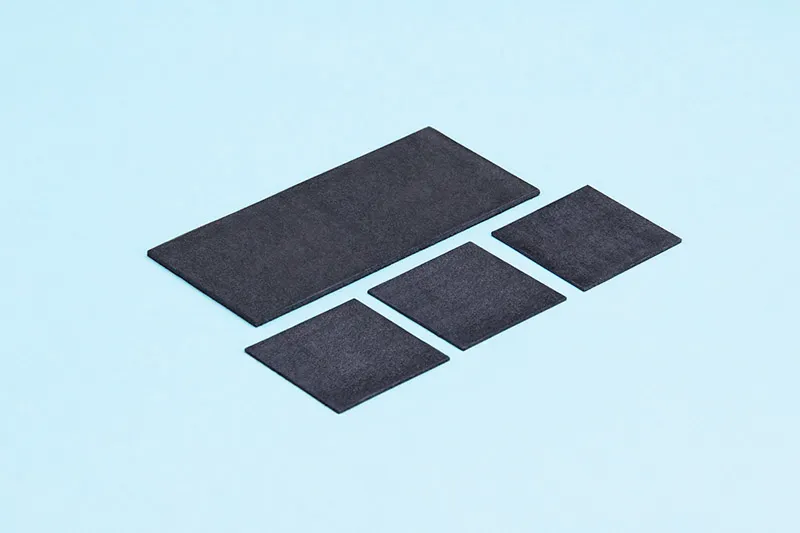
Think of it as the HVAC system your circuit board always wanted. Less weight on the chassis, steadier output under pressure, and fewer “uh-oh” warranty calls. If heat’s been the bottleneck, this is the fast lane forward.
5 Key Benefits of High-Temperature Resistant Carbon Fiber
High heat breaks weak materials fast. That’s the simple truth behind failures in power electronics and compact devices. This cluster walks through how High-temperature resistant carbon fiber thermal conductive material (160℃+) handles heat, weight, strength, and safety in real-world builds, using plain talk and shop-floor logic engineers appreciate.
Enhanced Thermal Conductivity with Carbon Fiber & Ceramic Fillers
At the core, Carbon Fiber works with Ceramic Fillers to push Thermal Conductivity higher without turning parts bulky.
In Material Science, this combo improves Heat Transfer paths inside Composite Materials.
· Carbon fiber forms the main heat highway.
· Ceramic fillers smooth gaps that slow heat flow.
In Thermal Management for power modules:
· Lower thermal resistance means steadier output.
· Hot spots cool down faster under load.
For designers using High-temperature resistant carbon fiber thermal conductive material (160℃+), that balance is gold.
Exceptional High-Temperature Stability Beyond 140℃
Heat endurance is not marketing fluff; it’s daily survival.
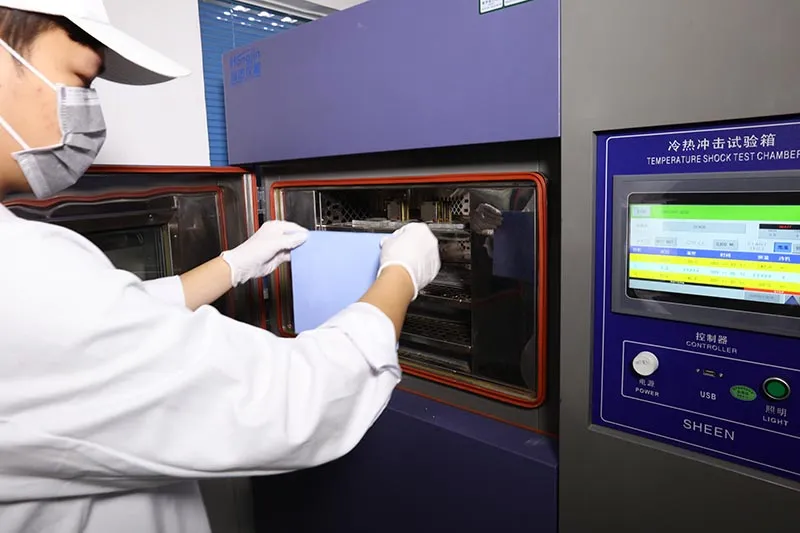
High-Temperature Stability supports long-term Operating Temperature above 140℃.
· Thermal Resistance stays predictable.
· Degradation Resistance slows aging.
Under Extreme Conditions like inverter cycling:
· Material Performance remains consistent.
· Heat Endurance protects solder joints and chips.
This is why High-temperature resistant carbon fiber thermal conductive material (160℃+) keeps showing up in LED and power designs.
Lightweight Composites for Faster Heat Dissipation
Weight matters more than most admit.
Lightweight Composites reduce system mass.
· Weight Reduction helps airflow.
· Faster Heat Dissipation follows naturally.
In use cases:
· Aerospace Applications need every gram saved.
· Automotive Components gain Energy Efficiency.
Short version: lighter parts cool quicker, especially with High-temperature resistant carbon fiber thermal conductive material (160℃+) in play.
Superior Mechanical Strength and Corrosion Resistance
Strength isn’t just about pulling force.
Mechanical Strength supports long service life.
· High Structural Integrity under vibration.
Corrosion Resistance adds quiet insurance.
· Better Durability in Harsh Environments.
· Lower Wear Resistance losses over time.
Sheen Technology often applies this balance where cracking or rust would kill weaker options.
Built-in Electrical Insulation and High Dielectric Strength
Thermal and electrical roles can coexist.
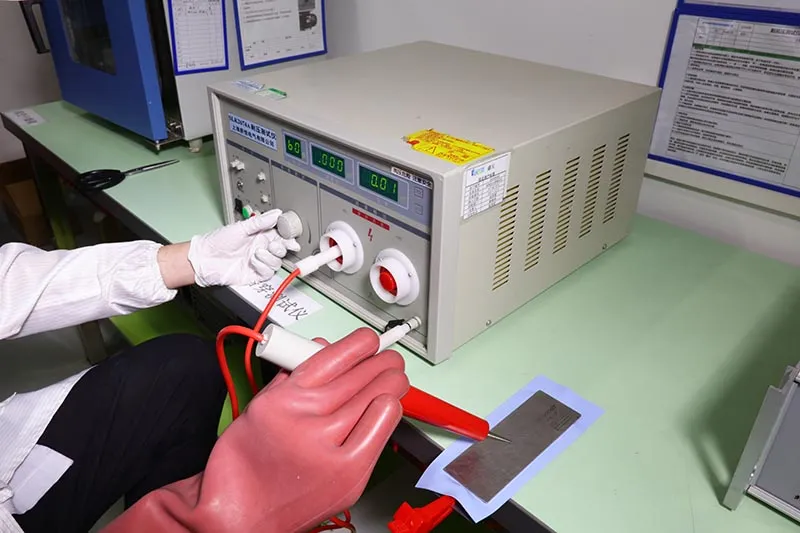
Electrical Insulation protects active circuits.
· High Dielectric Strength meets Safety Standards.
Inside Electronic Components:
· Circuit Protection stays intact.
· Insulating Materials don’t block heat paths.
| Property | Typical Value | Test Condition |
| Dielectric Strength | 18–22 kV/mm | 25℃ |
| Volume Resistivity | ≥10¹³ Ω·cm | Dry |
| Thermal Conductivity | 15–45 W/m·K | 160℃ |
| Continuous Use Temp | ≥160℃ | Long-term |
Paired with High-temperature resistant carbon fiber thermal conductive material (160℃+), this combo keeps designs safe and cool.
4 Challenges in High-Temperature Thermal Management
Heat keeps getting harder to tame as electronics shrink and power climbs. This cluster talks straight about real-world thermal pain points, mixing shop-floor experience with material science.
Controlling Thermal Resistance on Dense Circuit Boards
Dense layouts push thermal resistance up fast, especially on dense circuit boards where airflow is a joke. The fix usually lands in layers, not one magic part.
Material choices
· High-temperature resistant carbon fiber thermal conductive material (160℃+) helps spread heat before hotspots form
· Carbon fiber thermal material keeps signal integrity steady during power cycling
Interface strategy
· Tight contact lowers gaps that slow heat dissipation
· Stable surfaces cut the risk of thermal runaway
Board-level balance
· High component density needs heat paths planned early
· Lightweight thermal carbon fiber sheets avoid layout rework
Short version: high-temp resistant carbon fiber materials move heat sideways, not just down. That’s why Sheen Technology keeps pushing carbon fiber thermal solutions rated beyond 160℃.
Expanding Operating Temperature Range for Power Modules
For power modules, heat stress isn’t polite. It cracks solder, bends frames, and messes with output.
Core demands
· Wider operating temperature without drift
· Less performance degradation at high load
Stress control
· Carbon fiber thermal conductive material resists thermal stress
· Stable fibers protect semiconductor devices during cycling
Field reality
· High-temperature operation above 160℃ is no longer rare
· High-temperature resistant carbon fiber thermal conductive material (160℃+) keeps reliability in check
This is where Sheen Technology leans on carbon fiber composites that don’t soften or warp when pushed hard.
Optimizing Heat Sink Design without Added Weight
Weight hurts range, cost, and assembly. That’s why heat sink design keeps shifting.
Design goals
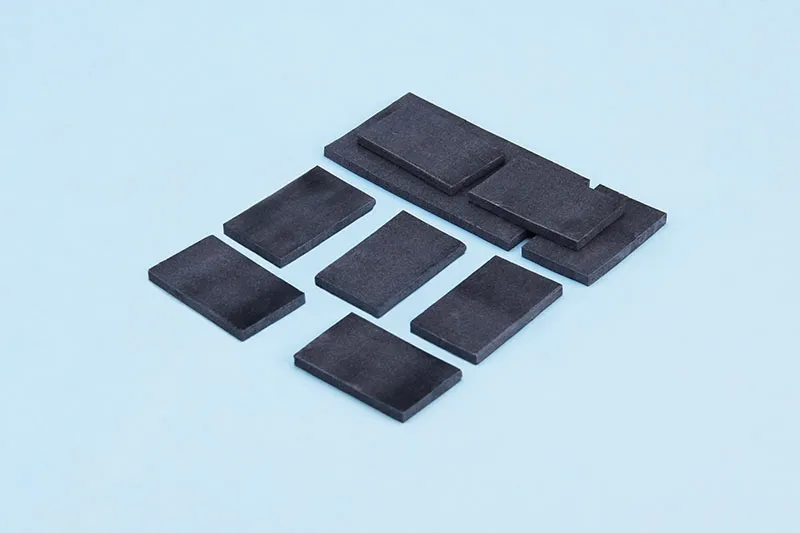
· Real weight reduction without losing thermal conductivity
Material trade-offs
· Carbon fiber thermal materials beat metals in compact form factor designs
Application focus
· Aerospace applications need stiffness
· Automotive components need shock tolerance
High-temperature resistant carbon fiber thermal conductive material (160℃+) hits the sweet spot: strong, light, and steady when things heat up.
Adhering to UL, JEDEC, and RoHS Compliance
Heat solutions still answer to rules. No shortcuts here.
Compliance layers
· UL compliance for safety
· JEDEC standards for thermal testing
Environmental checks
· RoHS directive and REACH limit risky substances
Business impact
· Clean material safety records speed product certification
· Lower environmental impact keeps customers calm
Sheen Technology designs carbon fiber thermal solutions with compliance baked in, not patched on later.
Electronics Assembly: High-Temp Resistant Conductive Material
High-power electronics run hot, and nobody likes fried boards. That’s where High-temperature resistant carbon fiber thermal conductive material (160℃+) steps in. Built for stable heat flow and serious durability, this high-temperature resistant carbon fiber solution keeps devices cool, steady, and ready for long hours of work.
Lamination Techniques for Carbon Fiber Thermal Interface Pads
When building a reliable Thermal Interface Material, lamination defines performance.
Core material stack
Carbon Fiber alignment
· Fiber orientation tuned for maximum Thermal Conductivity
· Layer density adjusted for target Pad Thickness
Resin integration
· High-grade Adhesive bonding
· Maintained Temperature Resistance above 160℃
Process control in the Lamination Process
· Pressure calibration:0.5–2.0 MPa depending on pad design
· Heat profile:Stable ramp-up to protect the High-temperature resistant carbon fiber thermal conductive material (160℃+)
Material Performance Table
| Property | Silicone thermal Pad | CSF45 carbon fiber thermal pad | Unit |
| Thermal Conductivity | 15 | 45 | W/m·K |
| Continuous Temp | 120 | 160 | ℃ |
| Compression Set | 15 | 8 | % |
Using High-temperature resistant carbon fiber thermal conductive material (160℃+) in layered pads cuts interface resistance and keeps heat moving fast. Sheen Technology fine-tunes each lamination cycle to avoid voids and ensure stable bonding.
Integrating Carbon Fiber Thermal Pads into CPU Coolers
Efficient Heat Dissipation depends on contact quality and structure.
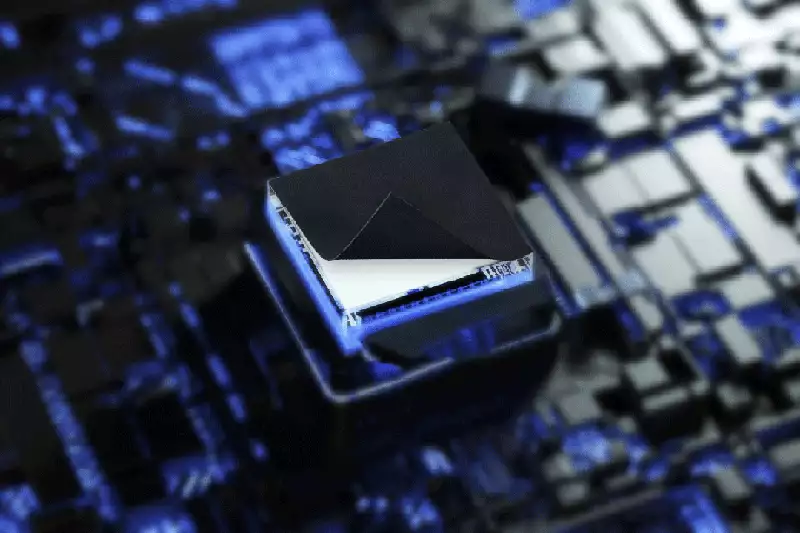
Interface matching
· Surface Flatness inspection
· CNC-machined CPU Cooler base
Controlled pad compression
· Balanced Mounting Pressure
· Even torque distribution
· Prevents fiber distortion
Thermal path design
· Carbon Fiber core:Direct channel from chip to sink
· Insulated Thermal Pad:Electrical safety maintained
In high-load systems, High-temperature resistant carbon fiber thermal conductive material (160℃+) keeps CPUs stable past 160℃ thresholds. This carbon fiber thermal interface handles sudden spikes without softening. Sheen Technology integrates each carbon fiber thermal pad with strict flatness checks, so the high-temp carbon fiber conductive layer performs consistently.
Automated Molding and Curing for Inverter and LED Modules
Production speed matters, but consistency matters more.
· Molding Process setup for precise cavity fill.
· Controlled Material Flow to avoid fiber clustering.
· Calibrated Curing Cycle for dimensional stability.
For every Inverter Module and LED Module, thermal management hinges on material integrity.
The High-temperature resistant carbon fiber thermal conductive material (160℃+) maintains structure under cycling loads.
This high-temperature resistant carbon fiber thermal conductive material (160℃+) also supports automated production lines without sacrificing performance. Sheen Technology applies strict curing curves to ensure each carbon fiber composite part leaves the line ready for long-term thermal management demands.
FAQs about High-Temperature Resistant Carbon Fiber Thermal Conductive Material (160℃+)
Why is High-temperature resistant carbon fiber thermal conductive material (160℃+) trusted in power modules and LED lighting?
When power modules and LED lighting run near their thermal limits, failure is rarely dramatic—it is gradual, silent, expensive. This material holds the line.
1) High temperature stability: steady performance across a wide operating temperature range above 160℃.
2) Thermal conductivity: carbon fiber + graphite + ceramic fillers guide heat toward heat sinks, cutting thermal resistance.
3) Electrical insulation: strong dielectric strength protects semiconductor devices during encapsulation.
The result is controlled heat dissipation, fewer thermal shocks, longer service life.
How does its composition improve heat dissipation in dense circuit boards and CPU coolers?
Heat trapped inside compact circuit boards builds pressure like steam in a sealed chamber. The internal structure answers that tension.
A conductive skeleton of carbon fiber forms rapid heat pathways.
The polymer matrix and resin bind the network during composite fabrication and curing.
Added ceramic fillers enhance thermal conductivity while keeping electrical insulation intact.
In CPU coolers and thermal interface materials, this balance lowers thermal resistance without adding weight—lightweight yet mechanically strong, with reliable tensile strength and flexural modulus.
Can it act as both structural support and insulation in inverters?
Yes—and this dual role is where it earns its reputation.
Performance Snapshot:
| Function | Key Metric | Impact on Inverters |
| Structural support | Mechanical strength / flexural modulus | Maintains shape during molding and machining |
| Electrical safety | Dielectric strength | Prevents leakage under high voltage |
| Thermal control | Thermal conductivity | Stabilizes semiconductor devices |
Its corrosion resistance and dimensional stability during lamination and curing keep inverters steady under long operating cycles.
Does it comply with global standards for electronics manufacturing?
Compliance is not an afterthought; it defines market entry.
· Meets RoHS compliance and REACH regulation for environmental safety.
· Designed for UL certification in insulation systems.
· Tested against JEDEC standards and aligned with ISO standards for reliability.
For engineers selecting thermal pads or encapsulation materials, certification reduces risk, protects brand trust, and ensures consistent supply for high-volume production.
Sheen Thermal
Dongguan Sheen Electronic Technology Co., Ltd · Founded in 2008
Manufacturer of thermal interface materials and silicone foam for automotive electronics, energy storage, power electronics, communications and consumer electronics.
Certified
- ISO 9001:2015
- ISO 14001:2015
- IATF 16949:2016
What we supply
- Thermal conductivity Up to 90 W/m·K
- Thickness 0.3–10.0 mm
- Custom & samples Die-cut to drawing, 3–7 days