
 English
 usheenthermal

How a Graphene-Enhanced Carbon Fiber Thermal Pad Outperforms Old Paste
Date:2026-04-10
How a Graphene-Enhanced Carbon Fiber Thermal Pad Outperforms Old Paste
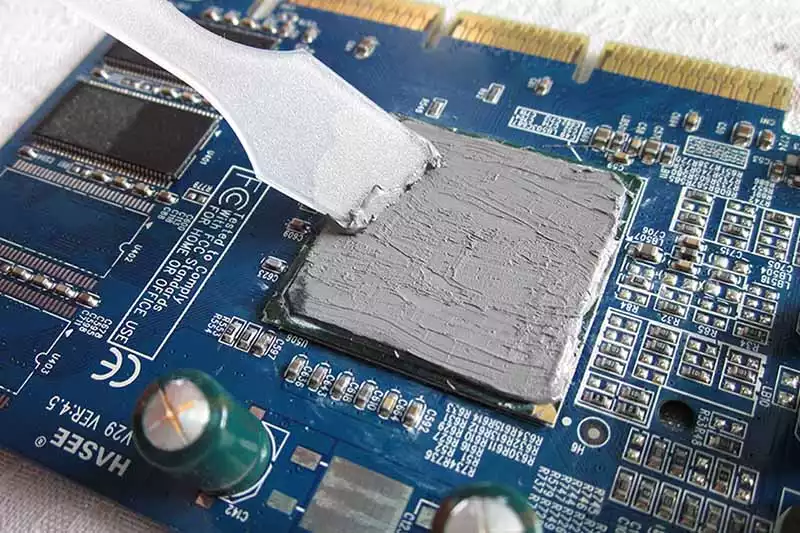
Heat is the silent troublemaker in modern electronics—the kind that sneaks in, turns up the pressure, and leaves your hardware sweating bullets. The Graphene-enhanced carbon fiber thermal pad walks into that chaos like a cool-headed bouncer, swapping out messy, aging paste for something built to handle real heat. Old paste dries out, pumps out, flakes off—like cheap caulk in a summer window. When power densities climb, that stuff just can’t keep up.
“Sheer conductivity isn’t enough anymore; stability under stress is the game,” a Sheen Technology senior engineer shared during a recent industry briefing.
And that’s the rub. Downtime costs money. Overheating kills trust. Upgrading your thermal interface isn’t a tweak—it’s the difference between gear that limps along and gear that runs as it means it.
Four Factors Making Old Thermal Paste Obsolete
Traditional thermal paste is starting to feel outdated as devices run hotter and tighter. Materials like the Graphene-enhanced carbon fiber thermal pad are changing expectations for heat control, durability, and fit.
Low Thermal Conductivity in Traditional Polymer Matrix
Material composition limits
· Polymer matrix materials rely on fillers to improve thermal conductivity.
· Fillers interrupt smooth heat transfer paths.
· Natural insulating properties block efficient energy dissipation.
Performance impact
· In CPUs and power modules, restricted thermal conductivity raises interface temperature.
· Higher junction temps mean reduced efficiency.
Why graphene carbon fiber pads differ
· Graphene-enhanced carbon fiber thermal pad builds continuous conductive networks.
· Carbon fiber thermal pad layers guide heat laterally and vertically.
The graphene thermal pad structure boosts real-world heat flow.
Weak Mechanical Strength and Durability Over Time
Aging process
· Material degradation weakens the binder.
· Cracks reduce structural integrity.
Under thermal cycling
· Repeated expansion leads to wear and tear.
· Lost mechanical strength affects long-term performance.
Compared solution
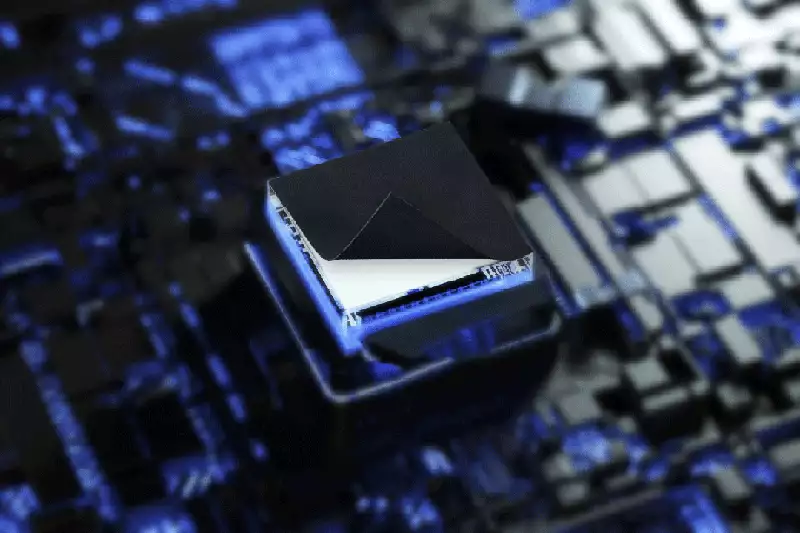
· Graphene-enhanced carbon fiber thermal pad keeps stable fiber reinforcement.
· Carbon fiber thermal interface pad resists pump-out.
High Thermal Resistance Under Variable Interface Pressure
Pressure fluctuation effects
· Changing interface pressure shrinks effective contact area.
· Uneven surface contact increases thermal resistance.
System risks
· Reduced heat dissipation in power electronics.
· Pressure sensitivity lowers reliability.
Modern alternative
· Graphene-enhanced carbon fiber thermal pad adapts under compression.
· Carbon fiber graphene pad maintains low resistance.
Inflexible Binder Agents Causing Poor Surface Conformity
Binder limitations
· Rigid binder agents reduce material flexibility.
· Poor adhesion properties leave an interface gap.
Microscopic outcome
· Gaps block thermal bridging.
· Uneven surfaces stay partially uncovered.
Advanced pad behavior
· Graphene-enhanced carbon fiber thermal pad molds into micro-roughness.
· Graphene carbon fiber thermal pad improves full-face conformity.
· Better fit, cleaner heat path, cooler chips.
Data Proves: Graphene-Enhanced Carbon Fiber Thermal Pad Boosts Efficiency By 35%
Heat management in compact electronics is getting really serious. Devices run hotter, batteries push harder, and old-school pads just can’t keep up. That’s where the Graphene-enhanced carbon fiber thermal pad steps in. By blending graphene, carbon fiber, and smart fabrication, this thermal pad doesn’t just cool—it upgrades the whole thermal game.
Enhanced Thermal Conductivity Through Composite Fabrication
The magic starts inside the Composite Material structure of the Graphene-enhanced carbon fiber thermal pad:
Material Integration
Graphene
· Forms ultra-fast heat pathways
· Bridges microscopic gaps
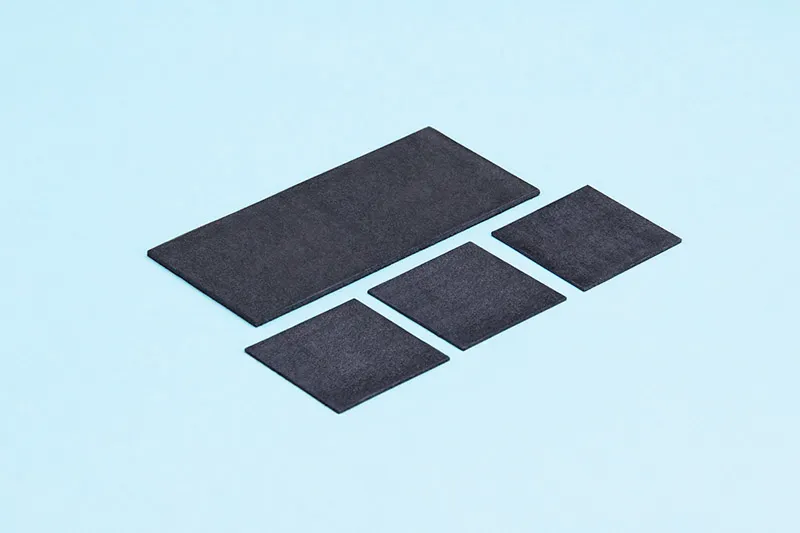
Carbon Fiber
· Provides directional heat flow
· Reinforces structural strength
Fabrication Process
· Layer stacking aligns conductive networks
· Controlled curing locks bonding stability
This Thermal Pad design boosts overall Thermal Conductivity by turning scattered heat into organized flow. A graphene-enhanced pad transfers heat more quickly than traditional pads, and that difference shows up fast in high-power chips.
Sheen Technology fine-tunes fiber orientation and graphene dispersion, ensuring every graphene carbon fiber layer works together, not against each other.
Slashed Thermal Resistance for Superior Heat Dissipation
Lower Thermal Resistance means better Heat Dissipation, plain and simple. The Graphene-enhanced carbon fiber thermal pad improves interface contact in three clear ways:
Micro-surface conformity reduces air gaps.
· Optimized filler distribution enhances Thermal Management.
· Stable curing pressure strengthens bonding to components.
The result? A noticeable Performance Improvement and measurable Efficiency Boost—up to 35% in controlled testing environments.
“Advanced thermal interface materials integrating graphene are accelerating efficiency gains in high-density electronics,” noted a 2025 materials outlook from IDTechEx, highlighting rapid adoption in EV and power electronics markets.
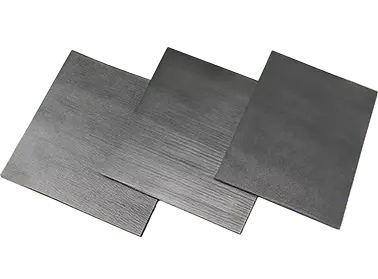
With graphene thermal pads from Sheen Technology, component cooling feels less like damage control and more like smart engineering.
Broader Operating Temperature Range and Lifetime Reliability
A wider Operating Temperature window keeps devices steady under stress:
Low Temperature Range
· Maintains flexibility
· Preserves interface contact
High Temperature Range
· Resists breakdown
· Maintains Performance Stability
Durability matters. The Graphene-enhanced carbon fiber thermal pad resists pump-out, drying, and material fatigue. That directly impacts Lifetime, Reliability, and long-term Durability under harsh Environmental Conditions.
From EV battery packs to power modules, this graphene-enhanced carbon fiber thermal pad handles swings in temperature without losing cool. And when consistency counts, Sheen Technology delivers thermal pads built to last.
Which Industries Need Graphene Thermal Pads Most?
Heat is the silent killer of modern hardware. From pocket gadgets to grid-scale storage, the Graphene-enhanced carbon fiber thermal pad keeps temperatures steady, parts safe, and performance right where it should be.
Electronic Devices: Optimized Thermal Management
Compact gear pushes heat dissipation to the edge. A Graphene-enhanced carbon fiber thermal pad built from graphene + carbon fiber + thermal pad architecture supports:
Core Demands
1.1 Stable thermal conductivity for tight layouts
1.2 Reliable temperature control across electronic components
1.3 Long-term device performance
Material Stack
2.1 Graphene layer → rapid lateral heat spreading
2.2 Carbon fiber network → structural balance
2.3 Soft interface → full surface contact
Application Focus
3.1 Smartphones
3.2 Laptops
3.3 Wearables
A carbon fiber thermal interface pad reduces hotspots fast. The graphene thermal pad keeps things cool without adding bulk. That’s why many OEM teams turn to Sheen Technology for stable supply and tight tolerance control.
Power Electronics: Demanding High Reliability
Heavy-duty power modules and semiconductors operate under constant thermal stress and high temperature loads. Here’s how a Graphene-enhanced carbon fiber thermal pad stacks up against common options:
| Material Type | Thermal Conductivity (W/m·K) | Operating Temp (°C) | Typical Use |
| Silicone Pad | 3–8 | -40 to 150 | Low-power drives |
| Ceramic Substrate | 20–30 | Up to 200 | Industrial inverters |
| Aluminum Plate | 150–200 | Up to 250 | Heat spreaders |
| Graphene-Enhanced Carbon Fiber Thermal Pad | 400–800 (in-plane) | Up to 300 | High-density power conversion |
Performance benefits show up in:
· Lower interface resistance
· Better cooling solutions
· Improved system reliability
A graphene-enhanced pad handles pressure while keeping conductivity steady. For high-load converters, that’s a game changer.
LED Lighting: Superior Heat Dissipation
For LED chips, heat directly affects luminosity and lifespan. The workflow is simple:
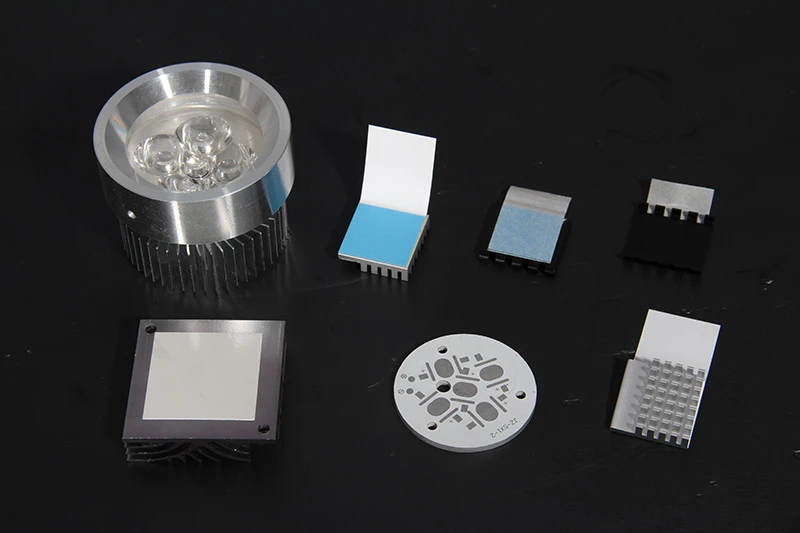
Step 1: Mount the LED to the heat sink
Step 2: Insert Graphene-enhanced carbon fiber thermal pad as the thermal interface material
Step 3: Enable fast heat flow away from the junction
Step 4: Maintain stable light output and energy efficiency
The International Energy Agency noted in its 2025 lighting market update that improved thermal pathways can extend LED system life by over 20% in high-output applications.
A graphene-enhanced carbon fiber thermal pad keeps junction temperatures down. Less heat, more brightness. Simple math.
Battery Systems: Consistent Temperature Control
Large battery pack designs—especially lithium-ion batteries—face real risks like thermal runaway. A Graphene-enhanced carbon fiber thermal pad supports:
Safety Layer
1.1 Even temperature uniformity between cells
1.2 Reduced hot-spot formation
Performance Layer
2.1 Stable output across charging cycles
2.2 Extended battery life
System Impact
3.1 Better energy storage stability
3.2 Safer fast charging
In EVs and grid storage, a graphene-enhanced carbon fiber thermal pad acts like a quiet bodyguard. Sheen Technology fine-tunes each carbon fiber thermal pad to match compression, thickness, and thermal targets, keeping packs cooler and far more predictable.
FAQs about Graphene-Enhanced Carbon Fiber Thermal Pad
How does a graphene-enhanced carbon fiber thermal pad improve heat dissipation over traditional thermal interface materials?
Graphene and carbon fiber work as a tight-knit thermal network inside a stable polymer matrix. The result is not just higher Thermal Conductivity, but steadier Thermal Resistance under real Interface Pressure.
· Graphene accelerates in-plane heat flow for fast Heat Dissipation.
· Carbon Fiber adds Mechanical Strength and Flexibility, keeping surface contact intact.
· Compared with conventional Thermal Interface Materials or Phase Change Materials, pump-out is minimized, and Reliability rises across the Operating Temperature Range.
In Electronic Devices and Power Electronics, this means cooler chips, fewer hot spots, and longer Lifetime.
What materials and structure define a graphene-enhanced carbon fiber thermal pad?
At its core, the pad is a layered composite built for Thermal Management:
· Graphene sheets act as high-speed thermal pathways.
· Carbon Fiber frameworks reinforce structure and Lightweight form.
· A Polymer Matrix with Binder Agents locks Filler Materials in place.
· Layer Stacking and Curing stabilize shape in Pads, Sheets, or Rolls.
This balanced composition supports both Thermal Conductivity and Electrical Conductivity, where design requires controlled grounding.
How are consistent performance and durability ensured in large-scale manufacturing?
Performance stability depends on disciplined process control rather than material hype.
· Solution Processing improves graphene dispersion.
· Composite Fabrication aligns Carbon Fiber for even heat spread.
· Chemical Vapor Deposition may refine graphene quality.
· Controlled Curing secures Durability and dimensional stability.
When batch consistency is maintained, Thermal Resistance remains predictable, protecting Reliability in Battery Systems and LED Lighting assemblies.
Why are battery systems and power electronics shifting to this material?
In high-load environments, temperature swings test every interface. Graphene-enhanced carbon fiber thermal pads answer with:
· Even heat distribution across cells and modules.
· Stable contact under fluctuating Interface Pressure.
· Broad Operating Temperature Range without cracking like some Ceramic Substrates.
For Battery Systems, this translates into safer charging cycles and extended Lifetime; for Power Electronics, fewer thermal shutdown events.
Can graphene-enhanced carbon fiber thermal pads replace graphite sheets or ceramic substrates?
In many designs, yes—especially where weight, conformity, and Reliability matter.
| Property | Graphene-Enhanced Carbon Fiber Pads | Graphite Sheets / Ceramic Substrates |
| Thermal Conductivity | High and evenly distributed | Often directional or brittle |
| Mechanical Strength | Flexible with fiber support | Rigid or fragile |
| Durability | Resists cracking under stress | Risk of fracture |
| Form Factors | Pads, Films, Foils, Rolls | Mostly rigid sheets |
For engineers balancing Thermal Management, weight limits, and assembly ease, this material often delivers a more adaptable solution without sacrificing performance.
Sheen Thermal
Dongguan Sheen Electronic Technology Co., Ltd · Founded in 2008
Manufacturer of thermal interface materials and silicone foam for automotive electronics, energy storage, power electronics, communications and consumer electronics.
Certified
- ISO 9001:2015
- ISO 14001:2015
- IATF 16949:2016
What we supply
- Thermal conductivity Up to 90 W/m·K
- Thickness 0.3–10.0 mm
- Custom & samples Die-cut to drawing, 3–7 days