
 English
 usheenthermal

5 Key Benefits of Low Volatility Carbon Fiber Thermal Conductive Material:
Date:2026-04-10
5 Key Benefits of Low Volatility Carbon Fiber Thermal Conductive Material
Heat is the silent troublemaker in modern electronics. One minute your system’s humming along; the next, it’s cooking itself from the inside out. That’s where Low volatility carbon fiber thermal conductive material steps in—like swapping a flimsy paper fan for a steel wind tunnel. It channels heat fast, holds its shape under pressure, and keeps outgassing drama to a bare minimum. For procurement teams staring down warranty claims and yield losses, that’s not fancy talk—that’s survival.
The global thermal management market is projected to surpass $20 billion by 2030, according to MarketsandMarkets. The heat problem isn’t shrinking.
When materials stop bleeding performance at high temps, production lines breathe easier. Fewer defects. Longer lifespans. Less midnight panic. And that’s exactly where this story starts.
Harmonizing Heat: Quick Insights on Low-Volatility Carbon Fiber Thermal Conductive Material
➔ Enhanced Conductivity: Carbon fiber pathways boost heat transfer versus traditional fillers.
➔ Minimal Resistance: Optimized interfaces and low outgassing deliver rapid dissipation for CPUs and power devices.
➔ Mechanical Durability: Reinforced strength and dimensional stability resist thermal cycling without volatile losses.
➔ Broad Temperature Range: Low-volatility composition ensures consistent performance from subzero to high-heat environments.
➔ Standards Compliance: Meets JEDEC, ASTM, RoHS, and REACH for reliable, eco-friendly electronic packaging.
Benefits of Low Volatility Carbon Fiber Thermal Conductive Material
Low volatility carbon fiber thermal conductive material sounds technical, but the idea is simple: better heat control, less gas release, and stronger performance. By combining low volatility, carbon fiber, and thermal conductive material science, this solution keeps electronics cool and stable.
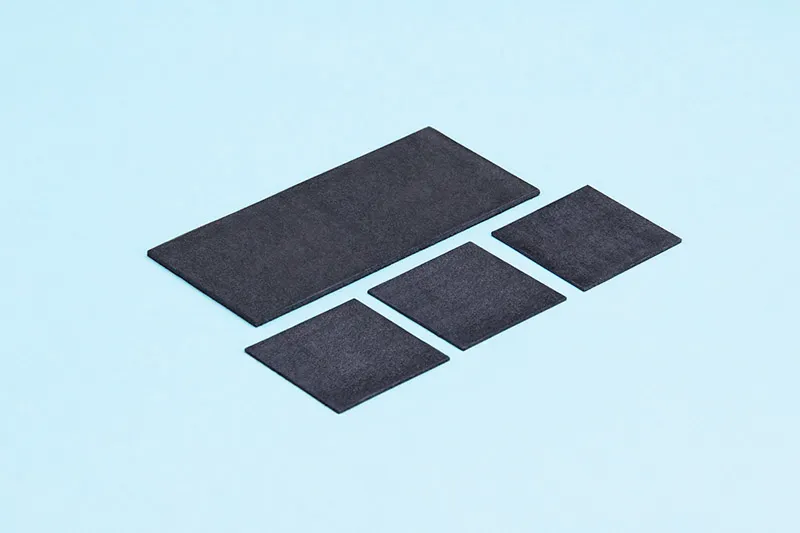
Boosted Thermal Conductivity with Carbon Fiber Reinforcement
At the core of Low volatility carbon fiber thermal conductive material lies a carefully engineered network:
Thermal Conductivity
· Carbon fiber creates continuous heat pathways.
· The polymer matrix locks fibers in aligned positions.
· Reduced voids improve Heat Dissipation efficiency.
Carbon Fiber Reinforcement
· Enhances structural bonding.
· Supports stable Material Properties under stress.
· Drives measurable Performance Enhancement.
Performance comparison data:
| Material Type | Thermal Conductivity (W/m·K) | Density (g/cm³) | Volatile Content (%) |
| SF1500 Silicone Pad | 15 | 3.2 | 0.8 |
| Low Volatility Carbon Fiber Thermal Conductive Material | 15–45 | 1.8 | <0.3 |
With this carbon fiber thermal conductive material, heat doesn’t get stuck. It moves—fast and clean.
Minimized Thermal Resistance for Faster Heat Transfer
The real trick isn’t just high Thermal Conductivity. It’s lowering Thermal Resistance at interfaces.
· Fiber alignment reduces microscopic air gaps.
· Controlled curing lowers internal stress.
· Clean formulation improves Heat Transfer Efficiency.
Inside a device:
· Chip surface:↓ contact resistance
· Interface layer:↓ internal resistance
· Heat sink contact:↑ overall Temperature Management
Low volatility carbon fiber thermal conductive material maintains conductivity even after repeated thermal cycling. That means fewer hotspots and steadier device output. For power modules and CPUs, that’s gold.
Superior Mechanical Strength and Low Volatility Synergy
This is where Mechanical Strength meets Low Volatility in true Synergy.
Structural Layer
· Carbon fiber skeleton boosts Structural Integrity.
· Resists compression creep.
Chemical Stability
· Reduced outgassing during reflow.
· Protects sensitive components.
Reliability Performance
· Long-term Material Durability.
· Stable bonding strength.
Low volatility carbon fiber thermal conductive material doesn’t soften under pressure. It holds shape, maintains contact, and keeps heat flowing. Less shrinkage. Less cracking. More Reliability.
Sheen Technology engineers this balance carefully, so mechanical support never compromises thermal output.
Wide Operating Temperature Range via Reduced Volatility
Electronics face harsh Environmental Conditions—from cold storage to high-load peaks.
Low volatility carbon fiber thermal conductive material performs across a broad Operating Temperature Range:
· -40°C:Stable Temperature Stability
· 25°C:Optimal Material Performance
· 125°C+:Minimal mass loss,Controlled expansion
Reduced volatile content prevents bubble formation at high heat. That keeps thermal pathways intact.
Low volatility carbon fiber thermal conductive material isn’t just about cooling. It’s about stability, strength, and long-term trust in every device it touches.
Reasons Why Companies Adopt Low-Volatility Materials
Low volatility carbon fiber thermal conductive material is getting serious attention in power and semiconductor manufacturing. When heat, voltage, and moisture all collide, materials either hold up or fall apart.
Enhanced Long-Term Stability in Power Electronics
When Power Electronics runs hot for years, material chemistry can’t be shaky. Low volatility carbon fiber thermal conductive material keeps performance steady by limiting outgassing and chemical drift.
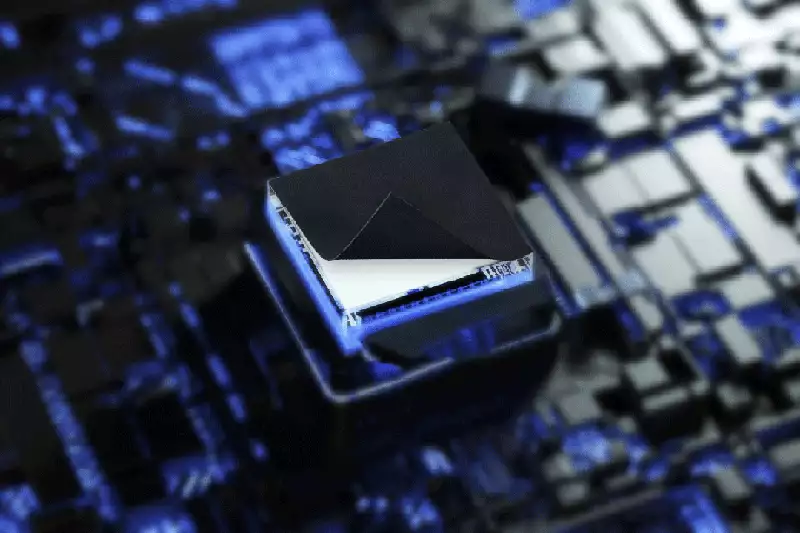
Stability at the material level
· Thermal Management stays consistent under continuous 150–200°C exposure
· Reduced molecular breakdown supports long Operational Lifespan
· Stable resin-fiber bonding improves Reliability
Impact on device outcomes
· Sustained Device Performance in inverters and converters
· Fewer shutdowns in industrial drives
· Lower maintenance frequency
Why firms choose it
· Carbon fiber thermal conductive material spreads heat fast
· Low-volatility thermal compound reduces contamination risks
· Proven field durability in renewable energy systems
Low volatility carbon fiber thermal conductive material is not hype—it simply keeps systems running without drama. Sheen Technology fine-tunes filler dispersion so thermal pathways remain efficient even after years of load cycling.
Improved Dielectric Strength in Semiconductor Devices
High voltage means zero room for error. Low volatility carbon fiber thermal conductive material supports strong Dielectric Strength while maintaining thermal flow.
Electrical insulation performance
· Enhanced Voltage Withstanding capability
· Balanced Material Properties between conductivity and insulation
· Reliable Circuit Protection
Structural control
· Even carbon fiber distribution
· Minimal void formation
· Stable resin crosslink density
Semiconductor advantages
· Safer Semiconductor Devices in EV power modules
· Better Performance Enhancement under surge loads
· Lower partial discharge probability
Sheen Technology engineers optimize this low volatility carbon fiber thermal conductive material to align thermal paths without sacrificing Electrical Insulation, which is a tricky balance most suppliers struggle with.
RoHS and REACH Compliance for Sustainable Manufacturing
Compliance is not optional. Low volatility carbon fiber thermal conductive material supports RoHS Compliance and REACH Compliance while maintaining technical strength.
Regulatory alignment
· Controlled substance profiles
· Transparent supply chain tracking
· Certified Material Safety documentation
Manufacturing benefits
· Easier export to EU and global markets
· Reduced hazardous waste handling
· Smoother audits under Environmental Regulations
Sustainability value
· Supports Sustainable Manufacturing targets
· Aligns with Global Standards
· Encourages Eco-friendly Production practices
Low volatility carbon fiber thermal conductive material helps firms hit performance goals and environmental targets at the same time. That balance is exactly why more manufacturers are moving toward advanced carbon fiber thermal conductive material systems built for both heat and compliance.
Enhanced Heat Dissipation
Heat control is not just engineering talk anymore—it’s survival for high-power devices. From LEDs to processors, Low volatility carbon fiber thermal conductive material keeps systems cool, stable, and ready for real-world stress.
Heat Sink Applications: Carbon Fiber vs Graphite Fillers
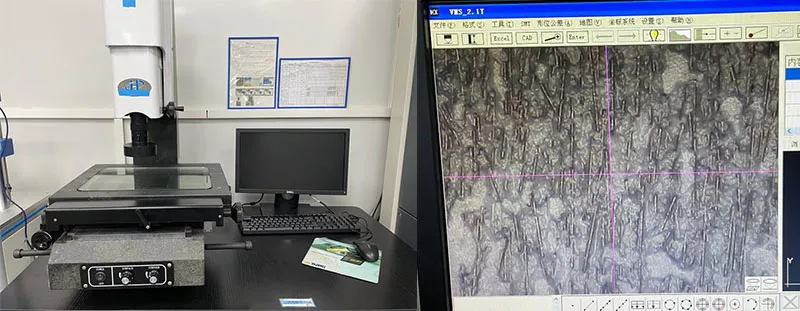
When comparing Heat Sink solutions, material choice shapes everything from Material Performance to long-term Heat Transfer stability. The debate often lands on Carbon Fiber versus Graphite Fillers, especially in advanced Composite Materials using Low volatility carbon fiber thermal conductive material.
· Carbon fiber supports directional Thermal Conductivity.
· Graphite fillers provide bulk thermal spreading.
· Weight, stiffness, and reliability shift depending on filler structure.
Structural Strength
· Carbon fiber reinforces mechanical integrity.
· Maintains alignment during thermal cycling.
Thermal Path Control
· Fiber orientation channels heat directly.
· Graphite disperses heat more randomly.
Stability in Service
· Low volatility carbon fiber thermal conductive material limits outgassing.
· Reduced micro-cracking over time.
A practical breakdown:
Mechanical Layer
· Carbon fiber = high tensile strength
· Graphite fillers = moderate reinforcement
Thermal Layer
· Fiber network = controlled conduction
· Particle network = isotropic spread
Application Fit
· Lightweight aerospace heat sinks
· Compact electronics modules
Sheen Technology fine-tunes carbon fiber loading to match precise heat sink geometry. The result feels straightforward: lighter builds, tighter thermal control, and fewer surprises during testing.
Optimizing Composite Fabrication for Thermal Interface Materials
Strong Composite Fabrication makes or breaks Thermal Interface Materials. Even the best Low volatility carbon fiber thermal conductive material underperforms if the Manufacturing Process lacks control.
Process optimization often flows like this:
· Step 1: Filler Dispersion. Ensure uniform Dispersion of carbon fiber thermal conductive material within the resin matrix. Clusters kill conductivity.
· Step 2: Orientation Control. Align fibers along primary heat paths to reduce Interface Resistance.
· Step 3: Controlled Curing. Accurate Curing temperature preserves Material Properties and limits shrinkage gaps.
· Step 4: Surface Matching. Minimize air pockets at contact zones to reduce thermal impedance.
Key fabrication focus areas include:
· Resin viscosity tuning
· Vacuum-assisted molding
· Post-cure stress relief
Low volatility carbon fiber thermal conductive material performs best when internal fiber bridges connect both mating surfaces cleanly. A sloppy cure? Heat stalls right there. A precise cure? Heat flows like it’s meant to.
Role of Coefficient of Thermal Expansion in LED Substrates
In LED Substrates, the Coefficient of Thermal Expansion decides long-term survival. Mismatch leads to Thermal Stress, cracking, and poor Device Reliability.
Here’s how stability plays out:
Material Selection
· Match substrate CTE to LED chip.
· Use low volatility carbon fiber thermal conductive material to control expansion.
Dimensional Stability
· Carbon fiber limits matrix expansion.
· Maintains bonding layers intact.
Heat Management
· Efficient conduction reduces temperature gradients.
· Lower gradients mean lower internal stress.
A quick reality check:
• High CTE mismatch = solder fatigue
• Controlled expansion = longer service life
Low volatility carbon fiber thermal conductive material acts like a stabilizing backbone. It keeps geometry steady even when devices heat up fast and cool down just as quickly. That balance supports consistent light output and fewer field failures.
FAQs about Low Volatility Carbon Fiber Thermal Conductive Material
What makes low-volatility carbon fiber thermal conductive material critical for power electronics?
In high-load power electronics, heat is relentless. This material responds with balance:
· High Thermal Conductivity enables fast heat transfer away from power transistors and processors.
· Low Volatility protects integrated circuits from contamination during long-term high-temperature operation.
· Controlled Coefficient of Thermal Expansion reduces stress between semiconductor devices and substrates.
The result is lower thermal resistance, wider operating temperature range, and improved reliability in demanding electronic packaging environments.
How does carbon fiber improve performance compared to graphite or boron nitride fillers?
Carbon fiber forms continuous conductive pathways inside the polymer matrix, unlike dispersed graphite or boron nitride filler materials.
· Faster directional heat flow.
· Higher mechanical strength under thermal cycling.
· Better structural integrity during molding and curing.
This structure supports heat sinks and thermal interface materials that must endure vibration, pressure, and temperature swings without cracking.
Why is low volatility essential for LED substrates and semiconductor devices?
Heat cycling in LEDs and memory modules can trigger material fatigue.
Low volatility helps by:
· Limiting outgassing during curing or sintering.
· Reducing moisture absorption that weakens bonding layers.
· Preserving dielectric strength and electrical resistivity over time.
For LED substrates and sensors, that stability directly supports long-term brightness and signal accuracy.
How does this material meet global industry standards?
Engineered for compliance and measurable consistency.
| Property / Standard | Performance Focus |
| JEDEC Standards | Thermal resistance validation |
| ASTM Standards | Thermal conductivity & density testing |
| RoHS & REACH Compliance | Restricted substance control |
| IPC Standards | Electronic packaging reliability |
Such alignment ensures composite fabrication processes integrate smoothly into existing semiconductor manufacturing lines.
Can additive manufacturing enhance heat sink and packaging performance?
Additive manufacturing changes geometry control at a fine scale.
· Optimized surface treatment improves bonding density.
· Directed carbon fiber orientation increases heat flow efficiency.
· Lightweight structures maintain strength while reducing density.
In advanced electronic packaging and heat sinks, this approach sharpens cooling efficiency without sacrificing mechanical durability or long-term stability.
Sheen Thermal
Dongguan Sheen Electronic Technology Co., Ltd · Founded in 2008
Manufacturer of thermal interface materials and silicone foam for automotive electronics, energy storage, power electronics, communications and consumer electronics.
Certified
- ISO 9001:2015
- ISO 14001:2015
- IATF 16949:2016
What we supply
- Thermal conductivity Up to 90 W/m·K
- Thickness 0.3–10.0 mm
- Custom & samples Die-cut to drawing, 3–7 days