
 English
 usheenthermal

Stop Overheating: Learn What Is Thermal Insulated Pad Efficiency
Date:2026-03-12
Stop Overheating: Learn What Is Thermal Insulated Pad Efficiency
Ever had a device run so hot you could fry an egg on it? That’s when the question hits: what is thermal insulated pad, and why does it suddenly matter so much? In power modules, LEDs, or control boards, heat isn’t just annoying—it’s a silent budget killer. Components cook, warranties spike, production lines stall. A tiny gap between a chip and a heat sink can act like a traffic jam for heat, and once temperatures climb, performance drops fast. No one wants their flagship product tapping out because it couldn’t keep its cool.

A thermal insulated pad is the bouncer at the club—letting heat move out smoothly while blocking electrical chaos. Get the efficiency wrong, and your whole system pays the price.
How Your Electronics Are Secretly Roasting Without Insulated Pads
Electronic gear works hard every day, yet many people still ask, what is thermal insulated pad, and why does it matter? Break the phrase down—what is (definition), thermal (heat control), insulated (electrical isolation), pad (interface layer). Miss that layer, and your devices quietly cook themselves.
Power Transistors And Microprocessors Overheating Without Thermal Conductivity Control
When power transistors and microprocessors run at high loads, heat builds up fast. Without proper thermal conductivity, the path for heat dissipation becomes blocked.
Core issue
• Rising junction temperature
• Increased resistance inside semiconductor devices
• Reduced switching efficiency
• Poor thermal management
• Uneven contact with metal chassis
• Microscopic air gaps trapping heat
Ask again, what is thermal insulated pad doing here? It fills those gaps while keeping circuits electrically safe. A proper thermal insulated pad improves contact pressure and keeps hotspots under control.
At Sheen Electronic Technology, pads are engineered to balance insulation and conduction, so chips stop frying under pressure.
Heat Sinks Alone Are Not Enough For Semiconductor Devices In Power Electronics
A heat sink looks solid, but surface roughness ruins perfect contact.
• Tiny gaps form.
• Air increases thermal resistance.
• Heat transfer slows down.
Still wondering what is thermal insulated pad in simple terms? It’s the safe bridge between a live chip and grounded metal. No short circuit. No wasted heat path.
Sheen Electronic Technology keeps this balance tight, helping designers avoid silent thermal creep.
Hidden Heat Risks In LED Lighting And Telecommunications Equipment
Compact layouts in LED lighting and telecommunications equipment create layered heat zones.
Heat generation
• LED junction temperature rise
• RF module warmingConsequences
• Thermal stress
• Solder fatigue
• Signal drift
• Reduced component lifespan and reliability
So, what is thermal insulated pad solving here? It stabilizes heat flow while adding insulation where space is tight. A quality insulated thermal pad keeps lumen output steady and signals clean.
Ignore it, and your hardware runs hot. Use it right, and your system breathes easy.
Types Of Thermal Insulated Pads
When people ask what is thermal insulated pad, they usually want the simple truth: it’s a heat-control layer that moves heat away while keeping electricity in check. Break the phrase down—what is / thermal / insulated / pad—and it’s really about safe heat flow. If you're still wondering what is thermal insulated pad doing inside electronics, this guide makes it plain and practical.
Silicone Elastomer Pads With Ceramic Filler For High Thermal Conductivity
If someone asks again, what is thermal insulated pad in power modules, this is the classic answer. A Silicone Elastomer base blended with Ceramic Filler boosts Thermal Conductivity while keeping solid Insulation.
Material and Performance Breakdown
Composition• Polymer Matrix: Silicone Elastomer
• Additive: Ceramic Filler (Al₂O₃ / BN)
Functional Role
• Promotes Heat Dissipation
• Handles High Temperature cycling
• Maintains dielectric strength
Typical Technical Data
| Parameter | Unit | Standard Grade | High Conductivity | Test Method |
| Thermal Conductivity | W/m·K | 0.8 | 5 | ASTM D5470 |
| Dielectric Strength | kV/mm | 6 | 8 | ASTM D149 |
| Operating Temp | °C | -40~180 | -50~200 | - |
| Hardness | Shore A | 40 | 60 | ASTM D2240 |
| Compression Set | % | ≤15 | ≤10 | ASTM D395 |
From raw compounding to die-cut shaping, the process is simple:
• Mix base and filler
• Mold into sheet
• Cure under heat
• Die-cut to size
• Final electrical test
For brands like Sheen Electronic Technology, tight control of filler dispersion directly affects long-term stability in power electronics.
Polyimide Film Insulated Pads For Integrated Circuits And Voltage Regulators
Ask again, what is thermal insulated pad in compact boards? This time it’s ultra-thin Polyimide Film protecting Integrated Circuits and Voltage Regulators.
• Core layer: Polyimide Film
• Function: Electrical Insulation + Thermal Management
• Application: slim Electronic Components in Compact Design
The structure often stacks like this:
• Top surface
• Smooth PI film
• Middle adhesive layer
• Thermally conductive acrylic
• Bottom interface
• Mounting surface to heat sink
Graphite Sheet Gap Fillers For High-Density Consumer Electronics
.webp "graphite sheet")
In high-end Consumer Electronics, a Graphite Sheet acts as both Gap Filler and Thermal Interface Material. It spreads heat laterally with impressive Heat Spreading efficiency and keeps a Thin Profile.
• High in-plane conductivity
• Natural surface tack
• Easy die-cut shaping
A 2025 IDC report on mobile hardware noted:
“Thermal spreading materials are now central to maintaining device performance under AI-driven processing loads, especially in high-density consumer formats.”
That explains why graphite-based thermal insulation pad options are growing fast in smartphones and tablets.
Fiberglass Reinforced Sheet Material For Industrial Control Systems
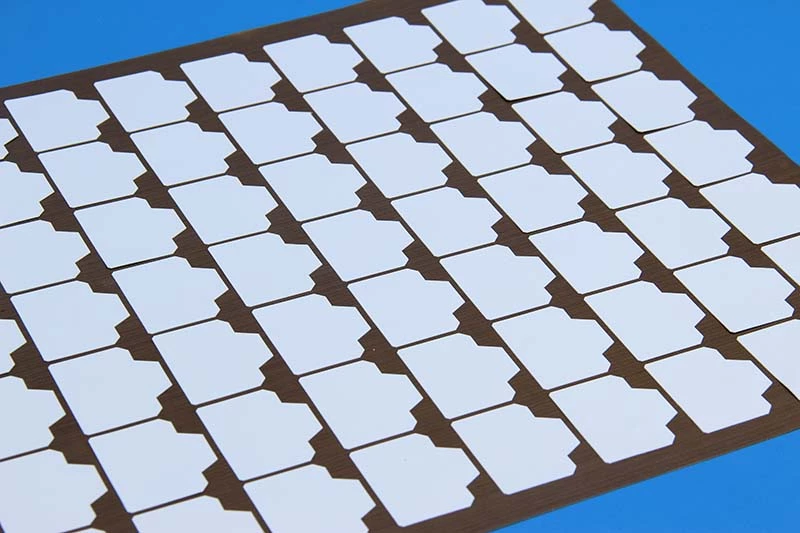
Heavy-duty gear demands tougher stuff. Fiberglass Reinforced Sheet Material strengthens Electrical Insulation while boosting Mechanical Strength and Durability in Industrial Control Systems.
Its layered build usually includes:
• Glass fiber core
• Resin bonding system
• Surface treatment for High Voltage endurance
In factory cabinets and power assemblies, vibration is constant. Heat rises. Voltage spikes happen. A reinforced thermal insulation pad absorbs mechanical stress and keeps circuits separated.
That’s the practical answer to what is thermal insulated pad in industrial settings—it’s protection, heat control, and reliability wrapped into one engineered layer. And when sourced carefully, like solutions offered by Sheen Electronic Technology, it becomes a quiet but critical part of system safety.
4 Key Metrics For Pad Performance
When people ask what is thermal insulated pad, they usually want a straight answer. In simple words, it’s a thermal insulation pad that moves heat away while blocking electricity. So if you’re still wondering what is thermal insulated pad used for, this guide breaks it down through four core metrics that really matter in real devices.
Thermal Resistance And Thermal Impedance In Power Electronics Cooling
If you're asking what is thermal insulated pad doing inside a power module, the short answer is managing Heat Dissipation without risking electrical shorts. The longer answer sits in two linked metrics: Thermal Resistance and Thermal Impedance.
Understanding Heat Flow in Power Electronics
Thermal Resistance
• Measures steady-state heat transfer.
• Lower values mean better Thermal Conductivity.
• Expressed in °C·cm²/W or K/W.
Thermal Impedance
• Reflects dynamic heat response.
• Critical during load spikes.
• Impacts transient Cooling performance.
How a Thermal Insulation Pad Works in Practice
Chip → Pad → Heat Sink
• The pad fills micro air gaps.
• Maintains contact pressure.
• Reduces thermal bottlenecks.
Material Influence
• Filler loading affects Thermal Conductivity.
• Thickness affects total Thermal Resistance.
So next time someone asks what is thermal insulated pad in a converter, you can say: it’s the silent middle layer that keeps junction temperatures in check.
Breakdown Voltage And Volume Resistivity For Electrical Insulation Safety
A proper answer to what is thermal insulated pad must include insulation safety. A pad that transfers heat but fails electrically is useless. Two indicators define safety: Breakdown Voltage and Volume Resistivity.
Core Electrical Metrics
Breakdown Voltage
• Maximum voltage before dielectric failure.
• Related to Dielectric Strength.
Volume Resistivity
• Resistance through material bulk.
• Expressed in Ω·cm.
• Linked to long-term Insulation Resistance.
Typical Performance Data of Thermal Insulation Pads
| Material Type | Breakdown Voltage (kV/mm) | Volume Resistivity (Ω·cm) | Thermal Conductivity (W/m·K) |
| Silicone-Based Pad | 5 – 8 | 10¹³ – 10¹⁵ | 1.5 – 3.0 |
| Ceramic-Filled Pad | 8 – 12 | 10¹⁴ – 10¹⁶ | 3.0 – 6.0 |
| Fiberglass Reinforced Pad | 6 – 10 | 10¹² – 10¹⁴ | 1.0 – 2.5 |
Application-Level Safety
• In inverters
• Prevents short circuits to chassis.
• In battery systems
• Maintains Electrical Insulation under vibration.
That’s another layer of the answer to what is thermal insulated pad: it separates live parts while letting heat escape.
Shore Hardness And Compression Set Affecting Gap Fillers And Heat Sinks
So, what is thermal insulated pad doing mechanically? It acts like a smart cushion between Gap Fillers and Heat Sinks.
• Shore Hardness defines softness.
• Compression Set shows long-term recovery.
• Elasticity maintains pressure.
A softer Thermal Interface Material adapts better to uneven surfaces. Still, too soft can cause pump-out. Balance matters.
Here’s how it plays out:
During assembly
• Pad compresses.
• Air gaps shrink.
During operation
• Heat cycles expand metals.
• Low Compression Set keeps contact stable.
Short version? Good hardness plus low compression set equals steady thermal contact. That’s key when explaining what is thermal insulated pad in real hardware.
Temperature Resistance And Flame Retardancy In Automotive Electronics
Cars run hot. Really hot. So what is thermal insulated pad expected to handle in Automotive Electronics? High heat and strict safety codes.
Thermal Limits
• Continuous High Temperature rating
• 125°C to 180°C common.
Peak tolerance
• Short bursts above 200°C.
Fire Protection
• UL94 V-0 Flame Retardancy standards
• Fire Safety compliance
Required in battery packs.
• Material Stability
• Aging resistance
• Maintains Material Stability under oil and humidity.
• Thermal cycling durability
• Prevents cracking and delamination.
In simple terms, if someone asks again what is thermal insulated pad in an EV controller, you can say it’s a heat-moving, electricity-blocking, fire-resistant layer that keeps the system safe and cool at the same time.
FAQs about What Is Thermal Insulated Pad
What Is a Thermal Insulated Pad and Why Is It Critical in Power Electronics?
A thermal insulated pad is a sheet material placed between semiconductor devices and heat sinks to move heat while blocking electricity. In power electronics, even a small rise in temperature can shorten the life of power transistors, microprocessors, and voltage regulators.
It works by combining:
• Thermal conductivity to push heat away quickly
• Electrical insulation and high dielectric strength to prevent short circuits
• Low thermal impedance to stabilize performance under constant load
You’ll find these pads in automotive electronics, LED lighting, telecommunications equipment, and industrial control systems where overheating means failure.
How Do Material Composition and Structure Affect Performance?
Different builds change how the pad behaves under pressure and heat:
• Silicone elastomer + ceramic filler → flexible, strong thermal conductivity, good compression set control.
• Polyimide film → thin profile, high breakdown voltage for integrated circuits.
• Graphite sheet → excellent heat spreading, often laminated with electrical insulation layers.
• Fiberglass reinforcement → added flame retardancy and mechanical strength.
Many products use lamination, coating, or molding to bond layers, forming roll stock, custom shapes, or gap fillers for uneven surfaces.
Which Performance Metrics Matter Most When Selecting a Pad?
Choosing the wrong pad can quietly damage expensive assemblies. Focus on measurable data:
• Thermal resistance / thermal impedance → real cooling efficiency
• Breakdown voltage & volume resistivity → safety margin in high-voltage systems
• Shore hardness & compression set → long-term contact with heat sinks
• Temperature resistance & flame retardancy → survival in harsh environments
In consumer electronics and power electronics, stable numbers mean fewer returns and longer device life.
What Forms and Manufacturing Options Are Available?
Thermal insulated pads are not one-size-fits-all. Production adapts to equipment design:
• Sheet material for large panels
• Die-cut parts for precise semiconductor layouts
• Roll stock for automated assembly
• Custom shapes for compact telecommunications equipment
Processes such as die-cutting, slitting, lamination, and acrylic adhesive coating refine thickness, surface tackiness, and fit. The right form factor ensures tight contact between heat sinks and components—where a fraction of a millimeter can decide success or overheating.
Sheen Thermal
Dongguan Sheen Electronic Technology Co., Ltd · Founded in 2008
Manufacturer of thermal interface materials and silicone foam for automotive electronics, energy storage, power electronics, communications and consumer electronics.
Certified
- ISO 9001:2015
- ISO 14001:2015
- IATF 16949:2016
What we supply
- Thermal conductivity Up to 90 W/m·K
- Thickness 0.3–10.0 mm
- Custom & samples Die-cut to drawing, 3–7 days