
 English
 usheenthermal

Essential Trends in Energy Storage System Thermal Solution Design
Date:2026-03-13
Essential Trends in Energy Storage System Thermal Solution Design
Heat is the silent deal-breaker in every energy storage system thermal solution. Push batteries harder, pack them tighter, and things warm up fast—like a phone left on the dashboard in July. When cooling lags, performance dips, warranties spike, and procurement teams get the 2 a.m. call.
BloombergNEF reports global energy storage installations hit 45 GW/90 GWh in 2023, nearly triple the prior year. Scale is soaring; so is thermal risk.
This article cuts straight to the pressure points—materials, cooling architectures, and design bets that keep systems cool when the stakes get hot.
78% Of Battery Failures Stem From Overheating
Battery packs rarely fail out of nowhere. Heat creeps in, builds up, and chips away at reliability. In any energy storage system thermal solution, small material flaws can snowball. From adhesives to substrates, thermal management in energy storage systems decides who lasts and who burns out.
How Inadequate Thermal Adhesives Accelerate Hot Spots
In an energy storage system thermal solution, thermal adhesives sit quietly between cells, cold plates, and heat spreaders. When thermal conductivity is too low, trouble starts.
Interface Layer Problems
• High interfacial resistance.
• Poor interface materials trap microscopic air gaps.
• Air pockets slash heat dissipation efficiency.
Uneven curing
• Incomplete crosslinking weakens bonding.
• Local delamination increases hot spots.
Thermal Aging Chain Reaction
• Adhesive drying and cracking
• Rising contact resistance
• Localized temperature spikes
• Accelerated adhesive degradation
Measured Impact in Battery Modules
| Material Type | Thermal Conductivity (W/m·K) | Interface Temp Rise (°C) | Hot Spot Risk Level |
| Standard Epoxy | 0.8 | +18 | High |
| Filled Silicone Adhesive | 3.0 | +9 | Medium |
| Advanced Ceramic Adhesive | 6.0 | +3 | Low |
When the adhesive layer underperforms, the entire battery thermal solution struggles. A solid energy storage system thermal solution depends on low-resistance bonding, stable curing, and long-term interface reliability.
The Role of Poor Insulation Materials in Heat Buildup
Bad insulation materials don’t just sit there—they quietly choke airflow and trap energy.
• Low-density foam increases thermal resistance.
• Thin fiberglass loses dielectric strength under cycling stress.
Here’s how heat piles up inside an energy storage system:
• Cells discharge at high current.
• Internal resistance generates heat.
• Insulation blocks outward heat transfer.
• Internal gradients widen.
• Risk of thermal runaway rises.
Short bursts of overheating? That’s manageable. Constant trapped heat? That’s a slow burn toward failure.
BloombergNEF noted in its 2025 battery safety briefing that
“Thermal management design remains the leading differentiator in grid-scale storage reliability, particularly under high cycling frequency.”
That insight hits home. An effective energy storage system thermal solution balances electrical insulation and thermal pathways. Good insulation protects against shorts while still allowing smart thermal management. Cheap materials do neither well.
When Substrate Choices (Aluminum Nitride vs FR4) Fail
Power electronics inside energy storage packs rely heavily on substrate materials. The choice between Aluminum Nitride and FR4 isn’t minor—it shapes long-term performance.
Thermal Performance Limits
FR4
• Thermal conductivity: ~0.3 W/m·K
• Poor lateral heat spreading
• Higher junction temperatures
Aluminum Nitride
• Thermal conductivity: 140–180 W/m·K
• Excellent heat transfer
• Stable under high current loads
• Electrical and Mechanical Balance
FR4 advantages
• Low cost
• Acceptable electrical insulation
Performance limitations
• Cracking under thermal cycling
• Delamination in high-power modules
System-Level Consequences
• Elevated MOSFET stress
• Reduced inverter lifespan
• Compromised thermal management
In a serious energy storage system thermal solution, substrate decisions ripple through the entire design. An underperforming base layer forces cooling systems to work overtime. Over time, that strain shows up as efficiency loss, component fatigue, and unexpected shutdowns.
A reliable battery thermal solution doesn’t cut corners at the substrate level. Because once heat gets trapped at the base, everything above it pays the price.
Energy Storage System Thermal Solution Best Practices
A reliable energy storage system thermal solution keeps batteries cool, safe, and long-lasting. From interface materials to coolant and sealing details, every layer shapes system life. Let’s break down smart choices for energy storage, thermal control, and real-world performance.
Selecting the Right Thermal Interface Materials: Pads, Grease, and Liquid Metal
A smart energy storage system thermal solution begins at the interface level, where Thermal Interface Material directly impacts Thermal Resistance and system stability.
Material Type
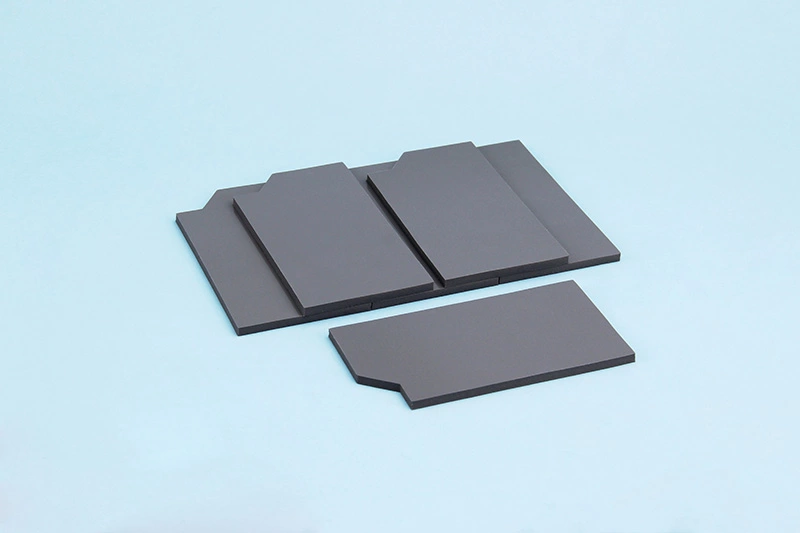
Thermal Pads
• Handle uneven gaps
• Offer electrical insulation
• Stable across wide Operating Temperature Range

Thermal Grease
• Low contact resistance
• Flexible Application Method
• Risk of pump-out under vibration
Liquid Metal
• Ultra-high Thermal Conductivity
• Requires strict insulation control
• Demands careful handling
Heat Spreader Materials Comparison: Aluminum Alloys vs. Copper Alloys
In any energy storage system thermal solution, the Heat Spreader defines how fast heat moves sideways before active cooling kicks in.
Copper Alloys
• Higher Thermal Conductivity (~380 W/m·K)
• Greater Density, heavier packs
• Strong but higher material cost
Aluminum Alloys
• Lower density
• Good Cost-Effectiveness
• Easier Manufacturing Process such as extrusion
For compact battery racks, hybrid plates—aluminum base with copper inserts—balance Corrosion Resistance and thermal flow. This layered approach keeps the energy storage thermal solution efficient without blowing the budget.
Coolant Fluids Guide: Dielectric Fluids and Glycol Water Mixtures
Fluid choice defines the heart of an energy storage system thermal solution.
Immersion Cooling
• Coolant Fluid: dielectric oil
• High Dielectric Strength
• Direct cell contact
• Lower Viscosity improves circulation
Cold Plate Cooling
• Glycol-water mix
• Controlled Freezing Point (down to -35°C typical)
• Strong Heat Transfer Coefficient
• Requires corrosion inhibitors
Performance checklist:
• Verify Boiling Point above max pack temp
• Confirm Material Compatibility with seals and plates
• Track pump load versus viscosity
Sheen Electronic Technology validates coolant aging under real cycling so the energy storage system thermal solution doesn’t fade after a few summers.
Sealing Strategies with Silicone Gaskets and Viton Seals
A tight enclosure protects the entire energy storage system thermal solution from leaks and moisture.
Sealing Material Selection
• Silicone for wide Temperature Resistance
• Viton for strong Chemical Resistance
Mechanical Design
• Controlled compression
• Limit Compression Set
Environmental Defense
• IP-rated Environmental Sealing
• Long-term Mechanical Durability
Silicone works great in outdoor battery cabinets. Viton stands up to oils in liquid cooling loops. Pick the wrong seal and coolant loss sneaks in fast.
In short, a stable energy storage system thermal solution depends on tiny details done right—and that’s exactly where Sheen Electronic Technology keeps its edge.
ESS Cooling Architectures: Liquid Vs. Air
Energy storage projects are scaling fast, and heat is the quiet troublemaker behind the scenes. Choosing the right energy storage system thermal solution can make or break performance, safety, and battery life in any serious installation.
Liquid cooling
Liquid cooling is built for high-density racks where every cell counts. In a demanding energy storage system thermal solution, fluid does the heavy lifting.
Core flow path
• Heat transfer fluid circulates through sealed loops
• Often glycol-water blends or dielectric liquids
• Fluid passes across Cold plates and Cooling plates mounted directly under battery modules
• Heat moves outward to Radiators or centralized Chillers
System circulation layer
• Electrically driven Pumps maintain steady pressure
• Sensors feed data into the Thermal management system
Controls temperature window
• Balances module-to-module variation
• Integration inside the storage cabinet
• Tight battery spacing
• Support for fast charging cycles
• Reduced hotspot formation
In practical terms, this type of battery thermal management system keeps temperature drift low, even when charge rates spike. That stability boosts cycle life and lowers fire risk. For operators chasing long-term ROI, liquid-based energy storage cooling solutions often justify the higher upfront cost.
BloombergNEF noted in its 2025 battery market outlook that advanced liquid-cooled architectures are becoming standard in utility-scale storage due to higher energy density and safety expectations.
For integrators like Sheen Electronic Technology, liquid design means custom loop sizing, smart Chillers, and precise Cooling plates layout so the full energy storage system thermal solution runs smooth, not stressed.
Air cooling
Air cooling keeps things simple, and sometimes simple just works. This energy storage system thermal solution relies on managed airflow rather than fluid circuits.
Air movement layer
• High-efficiency Fans
• Directed Airflow management ducts
• Cabinet-level Ventilation
Heat dissipation interface
• Aluminum Heat sinks
• Passive Heat exchangers
• Materials selected for strong Thermal conductivity
Operational characteristics
• Easier maintenance
• Lower installation cost
• More visible inspection access
The heat leaves cells through conduction, then rides moving air out of the enclosure. That’s basic Convection, but layout matters. Poor airflow paths create uneven temperatures, and uneven temperatures shorten battery life.
For small and mid-sized systems, air-based energy storage thermal solutions remain practical. Sheen Electronic Technology fine-tunes duct routing and Heat sinks geometry to reduce dead zones, keeping the energy storage system cooling approach efficient without adding mechanical complexity.
In short, liquid cooling handles intensity. Air cooling handles simplicity. The right energy storage system thermal solution depends on power density, budget, and how hard the batteries are expected to work day after day.
Trend: Phase-Change Materials In ESS Cooling
As battery capacity keeps climbing, keeping heat under control is getting serious. A smart energy storage system thermal solution now goes beyond fans and pads. It blends material science with system design to protect performance, extend lifespan, and keep every energy storage system running cool and steady.
Why Phase Change Materials Outperform Traditional Gap Fillers
In a modern energy storage system thermal solution, material choice shapes everything. Traditional pads focus mainly on thermal conductivity, but phase change materials rethink heat dissipation from the ground up.
Core thermal behavior

Latent heat absorption
• PCM melts at a designed temperature.
• Heat is absorbed without a sharp temperature rise.
Temperature uniformity
• Hot spots flatten out across modules.
• Cell imbalance drops inside energy storage systems.
Interface performance
Contact resistance
• Conventional thermal interface materials rely on surface pressure.
• PCM flows slightly during melting, filling micro gaps naturally.
• Result: lower resistance, smoother heat flow.
System-level impact
• Stable peaks mean fewer thermal alarms.
• Lower stress extends battery service life.
A stronger energy storage system thermal solution overall.
For integrators like Sheen Electronic Technology, PCM brings flexibility to battery pack layouts while maintaining tight thermal management targets. That balance is hard to beat.
Integrating PCM with Vapor Chambers and Heat Pipes
A single material rarely solves everything. Smart engineers mix tools.
In advanced energy storage system thermal solution design, phase change materials pair with:
• Vapor chambers for fast planar spreading
• Heat pipes for directional heat transfer enhancement
Here’s how the combo works:
• PCM absorbs peak heat during charge or discharge spikes.
• Vapor chambers redistribute energy laterally.
• Heat pipes move excess heat toward remote sinks.
The payoff?
• Better cooling efficiency
• Smoother module-level thermal management
• Cleaner system integration inside tight cabinets
BloombergNEF noted in a 2025 battery outlook that grid-scale storage growth is pushing designers toward “more advanced passive and hybrid cooling architectures to manage higher energy density safely.”
That’s exactly where this hybrid energy storage system thermal solution shines. Sheen Electronic Technology applies this layered strategy to reduce risk while keeping installation simple. Less drama, more uptime.
Future Outlook: Graphite Sheets Combined with Solid–Liquid Transitions
Next-gen energy storage thermal solution strategies are getting lighter and smarter.
Material evolution
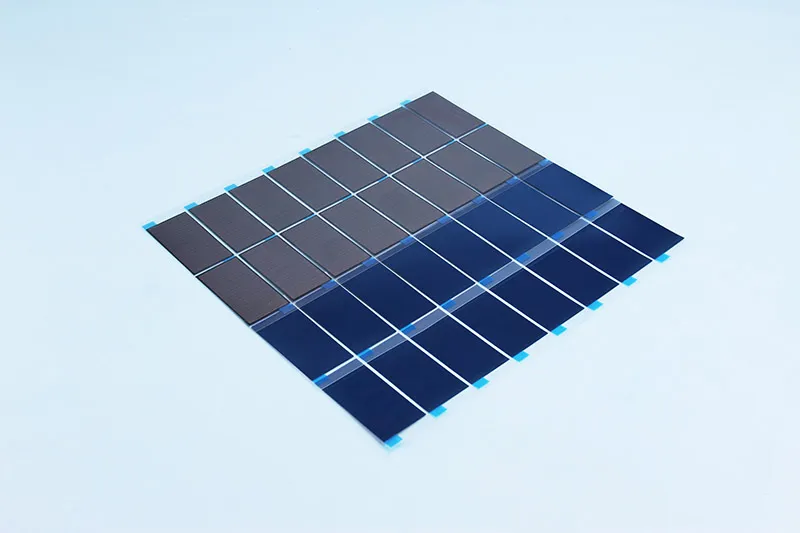
Graphite sheets
• High in-plane conductivity
• Thin, lightweight structure
Solid-liquid transitions
• Controlled melting points
• Repeatable cycling stability
Functional synergy
• Advanced thermal solutions merge fast spreading with latent heat storage.
• High-performance cooling happens without bulky liquid loops.
Design implications for energy storage thermal design
• Slim battery racks
• Passive safety layers
• Lower maintenance demands
In material science innovation, combining graphite sheets with PCM creates a dual-path heat network: rapid lateral conduction plus buffered peak absorption. For large-scale energy storage system thermal solution projects, that means fewer components and better reliability.
Sheen Electronic Technology continues refining these hybrid stacks, aligning future trends with real-world deployment needs. The goal is simple: keep every energy storage system steady, efficient, and ready for the long haul.
5 Steps To Optimize Thermal Interfaces
Energy storage projects are heating up—literally. A solid energy storage system thermal solution keeps batteries calm, safe, and efficient. From surface prep to monitoring gaps, every interface matters.
Step 1: Surface Prep and Choosing the Best Thermal Grease
A stable energy storage system thermal solution starts at the contact surface.
• Clean metal plates with proper cleaning agents to improve heat transfer.
• Check surface finish; rough plates increase interface material resistance.
• Match thermal grease selection to pressure and cycling needs.
For deeper control:
• Inspect substrate flatness.
• Remove oxidation and debris.
• Apply grease using controlled application methods.
• Verify bond line thickness.
When storage racks vibrate, poor surface preparation leads to pum out. In any battery energy storage thermal solution, grease viscosity must balance flow and stability. Too thin, it migrates. Too thick, it traps air. A practical energy storage system thermal solution always treats the interface as a heat highway, not an afterthought.
Step 2: Applying Gap Fillers for Uneven Battery Surfaces
Battery modules rarely sit perfectly flat. That’s where gap fillers earn their keep in an energy storage system thermal solution.
• Target uneven surfaces around busbars and module frames.
• Confirm thermal conductivity matches heat density.
• Maintain steady pressure application during assembly.
Under the hood:
Material behavior
• Material flexibility absorbs tolerance stack ups.
• Proper void filling blocks trapped air pockets.
System impact
• Better battery thermal management
• Lower interface resistance
A storage thermal solution fails fast if pads are too stiff. In energy storage system thermal solution design, compression set and aging matter just as much as conductivity numbers on paper.
Step 3: Using Graphite Sheets to Spread Heat Efficiently
Hot spots kill cycle life. Graphite sheets fix that by boosting heat spreading across large cell surfaces.
• High in plane thermal conductivity
• Controlled anisotropic heat transfer
• Reduced interface resistance
Typical material comparison in an energy storage system thermal solution:
| Material Type | In-Plane Conductivity (W/m·K) | Through-Plane (W/m·K) | Thickness (mm) | Typical Use Case |
| Aluminum Plate | 200 | 200 | 1.0 | Structural base |
| Silicone Thermal Pad | 3–8 | 3–8 | 0.5–3.0 | Gap filling |
| Pyrolytic Graphite Sheet | 700–1500 | 10–20 | 0.1–0.5 | Heat spreading |
| Copper Foil | 380 | 380 | 0.5–1.0 | Bus cooling |
| Phase Change Material | 2–6 | 2–6 | 0.2–0.5 | Interface layer |
In large energy storage thermal solution layouts, graphite works like a heat equalizer, guiding heat dissipation toward cooling plates and fans.
Step 4: Curing Thermal Adhesives and Conformal Coatings
Adhesion is not just about sticking parts together. In an energy storage system thermal solution, thermal adhesives influence structural safety and heat flow.
Key control points:
Curing profile
• Follow exact curing process temperature ramps.
• Monitor dwell time for full cross linking.
Mechanical strength
• Validate bonding strength after cycling.
• Environmental resistance
• Confirm thermal stability under high humidity.
• Ensure environmental protection against dust and salt.
For conformal coatings, application temperature affects thickness uniformity. In storage system thermal solution builds, poor curing can create micro cracks, raising thermal resistance over time.
Step 5: Verifying Performance with Silicone Encapsulants and Gap Sensors
No energy storage system thermal solution is complete without proof.
• Deploy silicone encapsulants for shock and moisture control.
• Integrate gap sensors for real time thickness tracking.
• Use temperature measurement points near critical cells.
Validation flow inside a battery energy storage thermal solution:
• Install calibrated thermal monitoring probes.
• Record baseline heat flux measurement during steady load.
• Compare data after thermal cycling.
• Flag drift impacting system reliability.
When storage, system, thermal, and solution design teams review live data together, issues show up early. A tuned energy storage system thermal solution doesn’t just move heat—it proves it can keep doing so year after year.
FAQs about Energy Storage System Thermal Solution
What defines a high-performance energy storage system thermal solution?
A reliable energy storage system thermal solution stands on three tightly linked layers:
Heat transfer path
• Thermal grease, thermal pads, or liquid metal reduce microscopic air gaps.
• Graphite sheets or phase change materials stabilize peak temperature swings.
Heat spreading core
• Aluminum alloys balance weight and cost.
• Copper alloys, vapor chambers, or heat pipes respond faster under high C-rate discharge.
• Pyrolytic graphite and graphite composites flatten hot spots across dense modules.
Structural base
• Aluminum nitride or silicon carbide substrates conduct heat far better than FR4 laminates.
• Metal core PCBs enhance lateral spreading in compact packs.
When one layer underperforms, the whole pack feels it—temperature rises fast, aging accelerates, margins shrink.
How do poor interface and encapsulation choices trigger overheating risks?
Small material mistakes create large thermal tension.
• Incomplete curing of thermal adhesives increases interfacial resistance.
• Low-grade gap fillers dry out, forming thermal voids.
• Weak epoxy resins or silicone encapsulants trap heat instead of guiding it outward.
• Thick potting compounds without conductivity additives slow heat escape.
Add moisture intrusion from failed conformal coatings, and localized hot spots appear. Under heavy cycling, that heat concentrates—capacity drops, safety thresholds narrow, and thermal runaway risk climbs.
Which coolant fluids and sealing materials ensure long-term ESS stability?
Cooling and sealing act as a single defense line.
Cooling options by system type:
• Immersion systems: dielectric fluids or mineral oils remove heat directly from cells.
• Cold plate systems: glycol water mixtures offer cost-effective circulation control.
• Harsh environments: synthetic esters or refrigerants handle wider temperature swings.
Sealing integrity matters just as much:
• Silicone gaskets and fluorosilicone seals resist chemical attack.
• EPDM O-rings suit water-glycol loops.
• Viton seals and butyl rubber protect against fluid degradation.
A stable coolant with a failed seal is still a failure waiting to happen.
Can advanced insulation and spreader materials reshape large-scale ESS safety margins?
Yes—when paired correctly.
Heat spreading layer
• Vapor chambers + heat pipes react quickly to spikes.
• Graphite composites distribute heat evenly across prismatic cells.
Thermal barrier layer
• Aerogel blankets and ceramic fibers slow cross-module propagation.
• Mica sheets and fiberglass insulation add electrical isolation.
• Polymer foams reduce vibration while limiting conductive bridges.
The result is controlled temperature gradients, slower propagation between cells, and a wider safety buffer during extreme charge–discharge events. In high-density systems, that margin is everything.
Sheen Thermal
Dongguan Sheen Electronic Technology Co., Ltd · Founded in 2008
Manufacturer of thermal interface materials and silicone foam for automotive electronics, energy storage, power electronics, communications and consumer electronics.
Certified
- ISO 9001:2015
- ISO 14001:2015
- IATF 16949:2016
What we supply
- Thermal conductivity Up to 90 W/m·K
- Thickness 0.3–10.0 mm
- Custom & samples Die-cut to drawing, 3–7 days