
 English
 usheenthermal

How to Apply Thermal Compound Paste Like a Pro for Optimal Cooling
Date:2026-03-13
How to Apply Thermal Compound Paste Like a Pro for Optimal Cooling
Thermal compound paste is the quiet hero in your hardware—more like the stagehand than the spotlight, yet without it, the whole show overheats and crashes. One sloppy application, one tiny air gap, and your high-powered chip starts sweating like it’s stuck in August traffic.
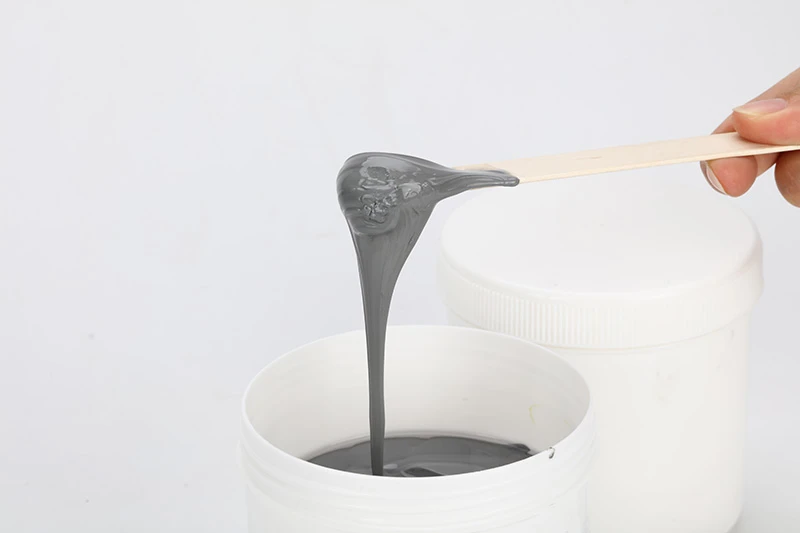
In production, that’s money melting on the table. In server rooms, it’s downtime no one can afford. A thin, even spread isn’t a detail—it’s the difference between smooth sailing and a five-alarm fire.
Get it right, and your systems stay cool, steady, and ready for the long haul.
Why Does Thermal Compound Paste Matter?
A tiny gap between a chip and a heat sink can cook your hardware faster than you think. That’s where thermal compound paste steps in. By filling microscopic air pockets, this thermal compound, thermal paste, or heat transfer compound keeps devices cool, stable, and alive longer.
Thermal Conductivity’s Role in Heat Dissipation
When it comes to thermal conductivity and smooth heat transfer, performance starts at the interface.
Core Function of Thermal Compound Paste
• Filling surface voids between CPU and heat sink
• Reduces air gaps that block temperature reduction
• Forming a stable thermal interface material layer
• Maintains bond during thermal cycling
Performance Factors
Material base
• Silicone-based thermal compound paste
• Metal-oxide-filled paste
Filler loading ratio
• Higher loading → better CPU cooling
• Balanced viscosity → less pump-out
Sheen Electronic Technology designs each thermal compound paste to balance spreadability and long-term heat transfer stability, so devices don’t overheat after a few cycles.
Dielectric Strength and Substrate Compatibility (FR-4 vs Silicon)
Good cooling means nothing if circuits short out. Strong dielectric strength keeps electrical insulation intact across different substrate material types.
Substrate Considerations
FR-4 PCB
• Needs high short circuit prevention
• Avoids conductive bleed into traces
Bare silicon die
• Requires chemical stability
• No corrosion or ion migration
Copper baseplate
• Demands anti-oxidation compatibility
Protection Layers
• Maintains uniform thickness
Interface boundary
• Shields delicate components
Edge sealing
• Limits contamination spread
With thermal compound paste engineered for both FR-4 and silicon, Sheen Electronic Technology ensures component protection without trade-offs. The right thermal paste protects as much as it cools.
Regulatory Demands: RoHS-Compliant & UL Recognized Pastes
Compliance isn’t paperwork fluff. It’s market access.
Material Certification Path
• Environmental control
• Verified RoHS compliance
• Meets environmental regulations
Safety validation
• Tested for UL recognition
• Aligned with global safety standards
Chemical screening
• Restricted hazardous substances
• Transparent material certification
For global brands, thermal compound paste must pass audits as smoothly as it spreads on a chip. Sheen Electronic Technology supplies thermal compound solutions with documented traceability, making sourcing simple and stress-free.
Metal Vs Ceramic Compounds: Pros & Cons
Thermal management can make or break device life. Picking the right thermal compound paste is not just about specs on paper; it affects heat flow, safety margins, and long-term stability.
Metal Compounds
When choosing a thermal compound paste with metal fillers, performance usually centers on conductivity and raw power.
Core Performance Factors
Heat Handling
• High thermal conductivity supports aggressive heat dissipation in CPUs and power modules.
• Ideal for tight thermal budgets.
Electrical Behavior
• Noticeable electrical conductivity may raise short-circuit risk.
• Extra care during application method is essential.
Material Interaction
• Possible oxidation over time.
• Compatibility concerns with aluminum surfaces.
Practical Application Considerations
Flow & Control
• Medium-to-high viscosity affects spreadability.
• Precise dispensing improves bonding.
Long-Term Use
• Strong mechanical durability, yet surface prep matters.
Market Insight
IDC’s 2025 thermal materials outlook notes that high-conductivity interface materials are gaining traction in AI hardware due to rising chip power density.
Brands like Sheen Electronic Technology fine-tune metal-based thermal compound paste to balance output and safety, giving stable heat dissipation without messy overflow.
Ceramic Compounds
Ceramic-filled thermal compound paste takes a safer, more stable path.
Electrical & Safety Profile
Insulation Strength
• True non-electrical conductivity protects dense PCB layouts.
• Strong dielectric performance for FR-4 and silicon.
Thermal Behavior
Heat Movement
• Moderate thermal transfer, slightly below metal types.
• Reliable under long cycles due to solid thermal stability.
Handling & Lifecycle
Workability
• Smooth ease of application thanks to balanced viscosity.
• Less risk of accidental bridging.
Service Life
• Impressive longevity in varied humidity conditions.
Ceramic thermal paste fits general electronics, LED modules, and control boards where safety beats peak numbers. Sheen Electronic Technology also offers ceramic thermal compound paste options designed for stable output, clean spreading, and steady thermal compound performance across years of operation.
4 Steps To Spread Compound Paste Evenly
Getting thermal compound paste right isn’t just about squeezing and hoping for the best. A smooth layer of thermal compound, heat paste, or thermal interface material keeps chips cool and stable.
Step 1: Dispensing with Syringe Application
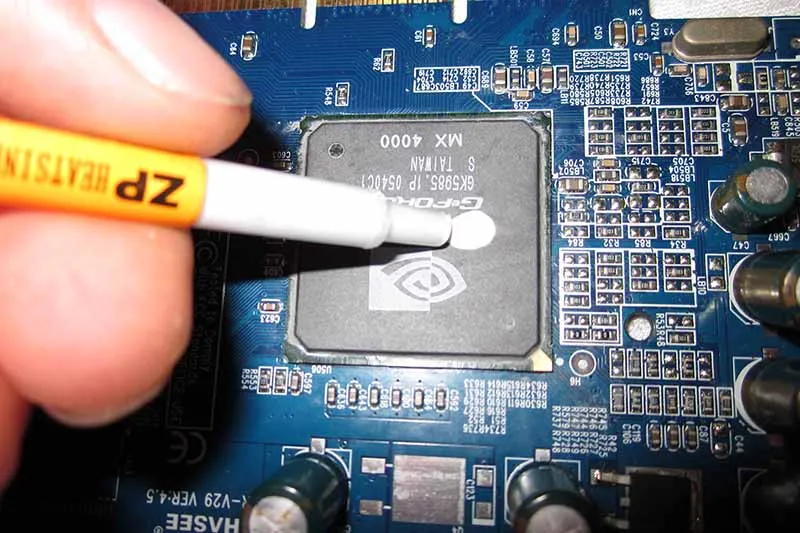
When applying thermal compound paste with a syringe, control beats speed.
Preparation of Materials
• Check thermal paste batch consistency
• Confirm correct amount for the CPU cooler and heat spreader
Dispensing Control
• Align syringe tip vertically
• Apply steady pressure for accurate dispensing
• Avoid trapped air during application
Thickness Management
• Dot diameter defines bond line
• Keep compound paste centered for even squeeze-out
A clean syringe process keeps the thermal compound paste stable and reduces rework.
Step 2: Stencil Printing for Uniform Coverage
For volume builds, stencil and printing methods make thermal compound paste consistent.
Stencil Setup
• Material: stainless steel
• Aperture defines pattern
• Controls final thickness
Printing Process
• Align PCB or substrate
• Spread thermal compound evenly
• Lift stencil smoothly for uniform coverage
Application Method Control
• Monitor squeegee pressure
• Maintain repeatable paste height
| Parameter | Typical Range | Impact on Coverage | Inspection Tool |
| Stencil Thickness | 0.10–0.20 mm | Layer height | Micrometer |
| Squeegee Speed | 20–50 mm/s | Edge definition | Visual AOI |
| Paste Viscosity | 150–300 Pa·s | Flow stability | Rheometer |
| Print Gap | 0–0.05 mm | Uniformity | Feeler gauge |
Thermal compound paste applied this way suits FR-4, silicon, and metal bases.
Step 3: Roller Coating to Control Viscosity
For larger plates, roller coating keeps thermal paste smooth.
Tool Preparation
• Select calibrated tool roller
• Confirm viscosity control range
Application Flow
• Feed compound onto roller
• Spread across surface
• Maintain even spread
Consistency Checks
• Observe edge bleed
• Adjust pressure for stable consistency
This approach handles aluminum heat sinks well. It keeps thermal compound paste balanced, not too thick, not too thin.
Step 4: Final Inspection of Specific Gravity and Thixotropy
Quality teams close the loop on thermal compound paste with lab checks.
Material Properties Review
• Measure specific gravity
• Evaluate thixotropy
Inspection Workflow
• Sample collection
• Controlled environment test
• Data logging for quality control
Performance Validation
• Dispensing repeatability
• Cure profile stability
• Long-term performance tracking
Brands like Sheen Electronic Technology focus on tight inspection standards so each batch of thermal compound paste, thermal grease, or heat compound behaves the same in real builds. In production lines that rely on thermal compound paste every day, that kind of steady performance keeps devices cool and customers happy.
Pressure, Pattern, Thickness Explained
Getting thermal compound paste right is not rocket science, but it does take care. The way you press, spread, and control thickness affects cooling more than most people think. From thermal compound flow to thermal paste coverage, small tweaks change real-world temps.
Optimal Pressure: Balancing Pump-Out and Crack-Free Layers
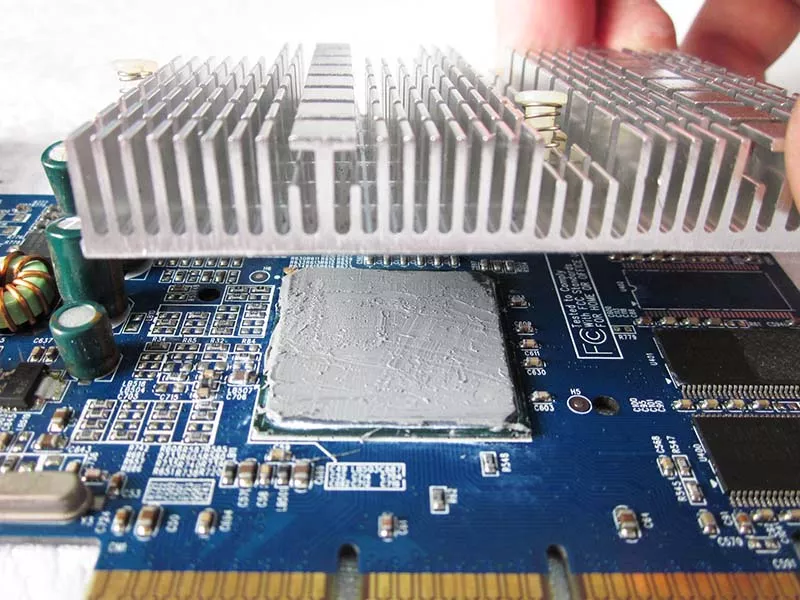
Correct CPU cooler mounting pressure keeps thermal compound paste stable over time. Too tight, and you risk thermal paste pump-out. Too loose, and gaps form.
Mounting Pressure Control
Target Range
• Light desktop CPU: 30–50 PSI
• High-power workstation CPU: 50–70 PSI
Goal
• Ensure even heat spreader coverage
• Maintain a consistent thermal interface
Risk Management
• Excess Pressure
• Micro-cracks in dried thermal compound paste
• Edge squeeze-out
Insufficient Pressure
• Hotspots
• Trapped air and avoiding air bubbles becomes impossible
Thermal Cycling Stability
• Daily power cycles
• Long gaming or AI loads
• Repeated expansion and contraction“
Thermal interface materials remain critical in managing higher chip power densities above 300W,” noted IDC’s 2025 semiconductor thermal management outlook, highlighting the growing need for controlled mounting and stable bond lines.
Brands like Sheen Electronic Technology design thermal compound paste to resist pump-out under repeated stress, keeping performance steady instead of fading after a few months.
Pattern Selection: Dots, Lines, and Screen Printing Methods
Pattern choice changes how thermal compound paste spreads across the CPU IHS shape.
Common thermal paste application patterns include:
Pea-sized
• The classic pea-sized dot method for square CPUs
Line
• The line application technique works well on rectangular dies
Full spread
• Manual spread or spread or screen printing for larger heat spreaders
Here’s how to decide:
• Small desktop CPU Use a dot. Let pressure do the work.
• Long rectangular processor Use a line aligned with the die.
• Server-grade or large GPU Consider stencil or screen printing for uniform coverage.
Watch for:
• Uneven squeeze-out
• Dry edges
• Excess compound paste pooling
A smooth layer of thermal compound paste should cover the center and gently reach edges without overflow. Too much thermal paste isn’t better; it just makes a mess.
Achieving Target Thickness via Cartridge vs Jar Delivery
Bond-line control defines real cooling efficiency. Thermal paste thickness should stay thin but continuous.
Cartridge Applicator Systems
• Precision Output
• Metered dispensing
• Repeatable volume control
Ideal For
• Production lines
• High repeat accuracy
Tools
• Cartridge applicator
• Automated valves
Jar Application Methods
• Manual Scooping
• Requires skilled operator
Risks
• Inconsistent controlled application amount
• Variable bond lines Thickness
Control Targets
• Consumer CPU: 0.05–0.15 mm
• Power module: 0.10–0.20 mm
• Industrial IGBT: application-specific tuning
Bulk users often choose jars for scale, while cartridges help maintain tight tolerance. Sheen Electronic Technology supports both formats, ensuring each thermal compound paste batch maintains stable viscosity and spread rate.
Dial in pressure. Pick the right pattern. Control thickness. That’s how thermal compound paste performs like it should.
Air Bubbles? Eliminate Gaps For Better Cooling
Air bubbles are tiny troublemakers. In any setup using thermal compound paste, small gaps can quietly raise temperatures and drag down performance. When thermal compound paste isn’t applied or cured right, heat flow suffers.
Understanding Failure Modes: Dry-Out and Delamination Risks
When thermal paste or thermal compound paste traps air, common failure modes show up over time:
Dry-out Causes
• Air pockets increase oxidation inside the thermal paste.
• Repeated heat cycles push volatile components out of the thermal compound paste.
Dry-out Results
• Rising interface temperature.
• Noticeable performance degradation during peak loads.
Long-term impact
• Reduced long-term stability of the thermal interface material.
Delamination Triggers
• Poor surface contact.
• Uneven bond-line thickness of the thermal compound paste.
Mechanical stress path
• Thermal expansion mismatch.
• Micro-cracks forming at void edges.
Outcome
• Partial lift-off from the heat spreader.
• Higher thermal resistance and hotspot risk.
System-Level Risk
• Pump-out under vibration.
• Local overheating near power-dense chips.
In 2025, the International Data Corporation (IDC) noted in a thermal management outlook that reliability issues tied to interface materials remain a leading contributor to hardware returns in high-density electronics.
“Thermal interface reliability is now a top-three design constraint in compact computing hardware,” IDC reported in its 2025 thermal management update.
That’s why dialing in thermal compound paste quality and application isn’t optional—it’s basic survival for modern devices.
Degassing Techniques Before UV Cure or Heat Cure
Air bubbles sneak in during the application process, especially when viscosity is high and dispensing speed is rushed. A thick thermal compound paste can hold onto air bubbles and hidden voids like a sponge.
Vacuum degassing is the go-to fix. Place the mixed thermal compound paste in a controlled chamber. Lower pressure slowly so trapped gas expands and escapes. Hold, then release pressure gradually. This keeps the thermal compound uniform before UV cure or heat cure.
For UV systems:
• Degas before exposure.
• Keep layer thickness consistent.
• Cure evenly to avoid edge shrinkage.
For heat-cured materials:
• Pre-mix gently to limit air entry.
• Run vacuum degassing.
• Apply controlled ramp-up during heat cure to prevent new void formation.
If you skip this, those tiny voids turn into long-term cracking points. A smooth, bubble-free thermal compound paste layer spreads heat cleanly and bonds stronger.
Substrate Prep: Copper, Aluminum, and Ceramic Wetting
Good substrate preparation makes or breaks surface wetting. Even the best thermal compound paste can’t fix a dirty base.
Step 1: Inspect the surface.
Check copper, aluminum, or ceramic for oxidation, machining residue, or oils.
Step 2: Clean properly.
Use solvent wipes suited for electronics. No shortcuts. Residue blocks adhesion and weakens the thermal interface material bond.
Step 3: Light surface activation if needed.
For aluminum, mild abrasion or plasma treatment can improve surface wetting. For ceramic, ensure it’s dust-free and dry.
Step 4: Apply thermal compound paste evenly.
Spread with controlled pressure so the compound paste fills micro-gaps without bleed-out.
Step 5: Verify contact.
After mounting, check for uniform squeeze-out. Too much means waste; none at all might signal poor spread.
Clean metal. Smooth spread. Solid bond. That’s how thermal compound paste turns from a messy gray blob into a reliable heat path that keeps hardware cool and steady.
Server Rack Maintenance: Paste Re-Application
Keeping racks cool isn’t just about fans roaring in the background. Over time, thermal compound paste breaks down, and that tiny layer between chip and heatsink becomes the weak link. Smart teams track heat trends, refresh thermal paste on schedule, and stay sharp on compliance. Let’s keep it practical and real.
Monitoring Operating Temperature Range Over Time
Core Metrics to Track
CPU temperature
• Idle vs. load variance
• Spikes logged in server logs
GPU temperature
• Sustained render loads
• AI task fluctuations
Ambient temperature
• Rack inlet vs outlet gaps
Warning Indicators
• Thermal throttling
• Performance degradation
• Unusual alerts from temperature monitoring software
Action Flow
• Detect trend → Confirm with logs → Inspect heatsink → Replace thermal compound paste
When thermal compound paste dries out or pumps out, heat transfer drops fast. A fresh thermal compound layer restores proper contact, stabilizes CPU temperature, and keeps thermal paste doing its job.
Re-application Tools: Cartridges, Drums, and Syringe Refills
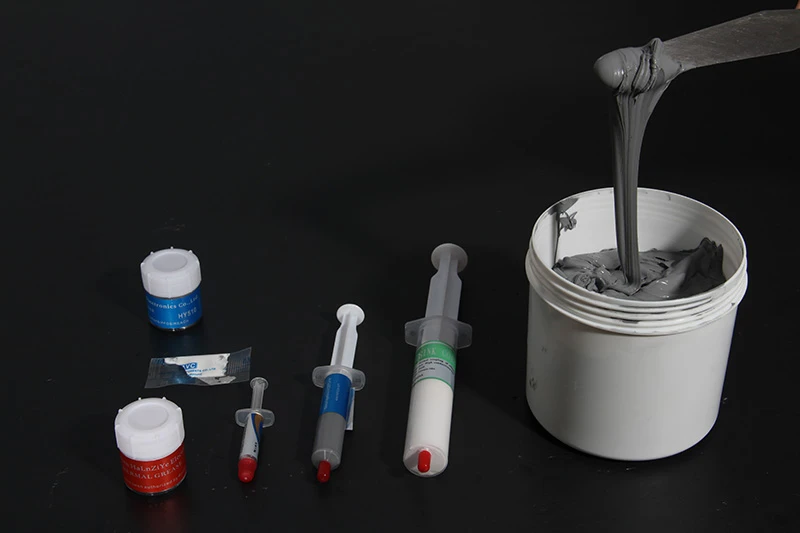
For tight rack spaces, a syringe-style thermal paste applicator with a fine applicator nozzle gives clean lines of thermal compound paste. Cartridges work well for routine swaps. Drums? That’s data center scale.
Quick prep checklist:
• Isopropyl alcohol
• Lint-free cleaning wipes
• Gloves
• Anti-static wrist strap
• Small spatula
• Power down.
• Clean old heat sink compound fully.
• Apply fresh thermal compound paste evenly.
• Re-seat cooler with steady pressure.
Sheen Electronic Technology supplies bulk thermal compound and precision syringes that make repeat maintenance less messy and more consistent. Good tools mean fewer redo jobs.
Ensuring MSDS Availability and REACH Compliance
Documentation Control
• Maintain updated Material Safety Data Sheet
• Storage guidance
• Handling rules
• Archive compliance documentation
Regulatory Alignment
• Verify adherence to REACH regulations
• Screen for hazardous substances
• Confirm supplier-backed chemical safety data
• Source-verified supplier information
• Environmental disclosures on environmental impact
Gartner’s 2025 infrastructure operations outlook notes that compliance-ready documentation reduces audit delays and operational risk exposure in large data centers.
Using certified thermal compound paste with clear MSDS records protects staff and simplifies audits. Sheen Electronic Technology supports REACH-aligned thermal compound solutions, helping teams stay cool—technically and legally.
FAQs about Thermal Compound Paste
Why is thermal compound paste critical in server and PCB assemblies?
Thermal compound paste sits in the thin, tense space between silicon and metal, where heat either escapes—or builds to failure.
• High thermal conductivity pulls heat from silicon to aluminum or copper heatsinks.
• Stable viscosity and controlled thixotropy prevent pump-out under vibration.
• Strong dielectric strength protects FR-4 circuits from short risk.
• A wide operating temperature range resists cracking and dry-out during thermal cycling.
When the bond line fails, temperatures rise fast. When it holds, systems breathe easier.
How do material properties influence application and long-term stability?
Performance is shaped by formulation and handling:
• Specific gravity & viscosity affect screen printing, stencil printing, and dispensing accuracy.
• Balanced thixotropy keeps the paste in place after syringe application or roller coating.
• Proper cure choice—heat cure, room temperature cure, UV cure, dual cure, or anaerobic cure—limits bleed-out and delamination.
A mismatch between material and process often shows up later as cracking or rising chip temperatures.
How can buyers confirm regulatory compliance for bulk orders?
Procurement teams look beyond price; compliance protects market access.
| Checkpoint | Why It Matters |
| RoHS compliant | Restricts hazardous substances in electronics |
| REACH compliant | Meets EU chemical safety standards |
| Halogen-free | Reduces environmental and fire risk concerns |
| UL recognized | Supports product safety certification |
| MSDS availability | Ensures safe handling and transport |
For shipments in cartridges, syringes, jars, pails, or drums, documentation must match the batch—no gaps, no surprises.
What causes thermal compound paste failure over time?
Failure rarely happens overnight; it creeps in.
• Pump-out from repeated heating cycles on copper plates.
• Dry-out in high airflow server racks.
• Bleed-out that stains ceramic or aluminum surfaces.
• Delamination between silicon and heatsink due to poor surface prep.
Clean substrates—aluminum, copper, ceramic, or FR-4—careful dispensing, and correct curing reduce these risks. When temperatures suddenly spike, the paste is often telling its story.
Sheen Thermal
Dongguan Sheen Electronic Technology Co., Ltd · Founded in 2008
Manufacturer of thermal interface materials and silicone foam for automotive electronics, energy storage, power electronics, communications and consumer electronics.
Certified
- ISO 9001:2015
- ISO 14001:2015
- IATF 16949:2016
What we supply
- Thermal conductivity Up to 90 W/m·K
- Thickness 0.3–10.0 mm
- Custom & samples Die-cut to drawing, 3–7 days