
 English
 usheenthermal

Why Industry Leaders Switch to Environmentally Friendly Silicone-Free Thermal Conductive Material
Date:2026-06-09
Why Industry Leaders Switch to Environmentally Friendly Silicone-Free Thermal Conductive Material
Heat is quietly wrecking margins, and environmentally friendly silicone-free thermal conductive material steps in as the fix—cutting contamination risks, stabilizing performance, and keeping high-stakes electronics from drifting into costly failure.
Old silicone habits hang a smell—at first, messy, later, and expensive when systems scale. Buyers chasing uptime, compliance, and clean operations are shifting fast, because small material choices now decide big operational wins or losses.
Reading Notes—Environmentally friendly silicone-free thermal conductive material
➔ Understand Material Types: Metal, ceramic, polymer and hybrid silicone-free options each offer unique conductivity, insulation and weight trade-offs.
➔ Embrace Silicone-Free Advantages: Cleaner manufacturing, easier RoHS compliance and long-term stability curb contamination and degradation.
➔ Leverage Business Gains: Enhanced product durability, streamlined supply chains, reduced environmental liability and consistent heat dissipation drive operational efficiency.
➔ Implement Best Practices: Employ quick cleanup, on-site testing and preventive handling to eliminate silicone contamination and safeguard sensitive electronics.
What Are Thermal Conductive Material Types?
Thermal control keeps devices safe and long lasting. As demand rises for Environmentally friendly silicone-free thermal conductive material, engineers now weigh performance, safety, and sustainability together. From metals to hybrid blends, each option supports greener thermal management while meeting strict environmental compliance.
Metal-Based Conductive Solutions
When heat needs a fast exit, metals still rule. Common forms include:
· metallic fillers in thermal pads
· liquid metal blends for compact chips
· metallic alloys in heat sinks
Performance snapshot:
| Material | Thermal Conductivity (W/m·K) | Electrical Conductivity | Typical Use |
| Copper | 380–400 | High | Heat sinks |
| Aluminum | 200–235 | High | Spreaders |
| Gallium alloy | 16–40 | Very High | Liquid metal TIM |
| PCM-metal blend | 3–8 | Medium | phase change materials |
Yet weight and corrosion matter. That’s why many manufacturers pair metals with Environmentally friendly silicone-free thermal conductive material layers, forming safer thermal interface systems. Sheen Technology refines this balance, cutting contamination risks while keeping high thermal conductivity.
Ceramic Thermal Interface Materials
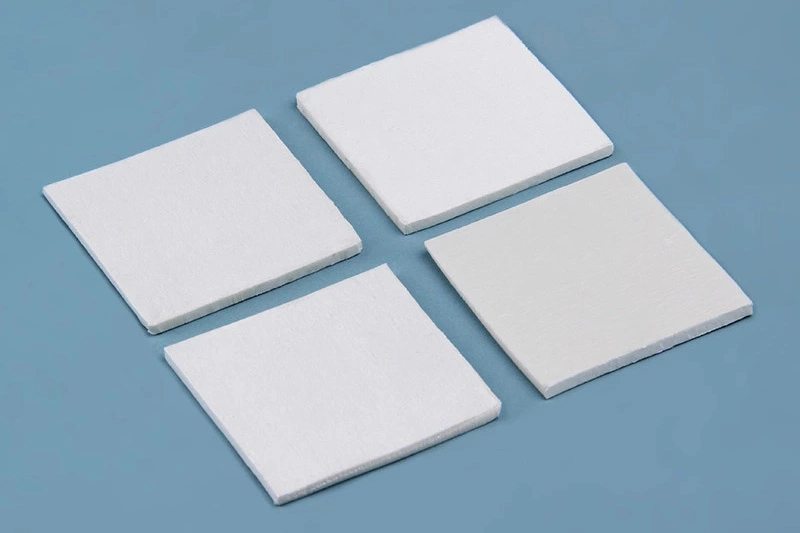
Ceramics shine where insulation counts.
· alumina for stable cost control
· aluminum nitride for higher transfer rates
· boron nitride in smooth thermal paste
· Engineered ceramic substrates for power modules
Key traits:
• strong dielectric strength
• steady under high temperature
• reliable thermal management
These pair naturally with environmentally friendly silicone-free thermal conductive material in EV inverters and LED systems, where electrical isolation and eco goals meet.
Polymer Conductive Compounds
Soft. Flexible. Practical.
A polymer matrix mixed with conductive fillers creates adaptable pads and thermal gels. Options range from epoxy resins to polyurethane and advanced elastomers.
· Used in encapsulants
· Compatible with silicone-free thermal conductive material strategies
· Tuned for moderate heat loads
Step flow in production: blend → disperse → cure → test.
Many eco-driven brands now swap traditional silicone compounds for environmentally friendly silicone-free thermal conductive material to reduce residue and fogging.
Hybrid Silicone-Free Formulations
This is where green design gets serious.
Hybrid systems combine inorganic particles with non-silicone binders:
· acrylic formulations for clean processing
· polyurethane alternatives for flexibility
· low outgassing structures for sensitive optics
Nested design logic:
· Base resin:bio-based materials,recycled polymer inputs.
· Filler network:ceramic + metallic synergy.
· Final form:thermal gap fillers,pads for tight assemblies.
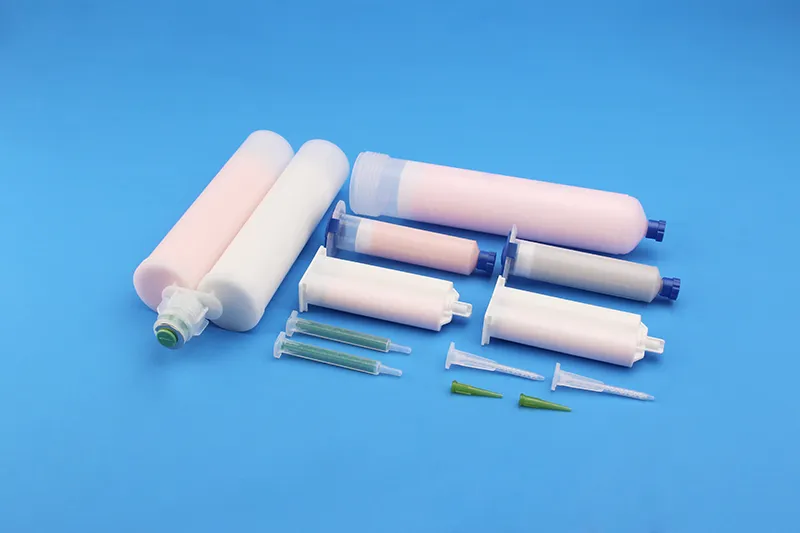
The result? Environmentally friendly silicone-free thermal conductive material that supports environmental compliance and stable heat flow. Sheen Technology pushes these silicone-free thermal conductive material platforms to meet strict global manufacturing standards—without sacrificing performance.
Why Choose Silicone-Free Conductives?
Switching to Environmentally friendly silicone-free thermal conductive material is not just a trend—it’s a smart move for cleaner production and longer-lasting devices. When teams aim for environmentally friendly, silicone-free, and high thermally conductive material performance, the benefits stack up fast.
Sustainable Manufacturing with Silicone-Free Chemistry
Manufacturers chasing Sustainable production goals are rethinking material chemistry. An Environmentally friendly silicone-free thermal conductive material supports:
Green manufacturing
a. Reduced Environmental footprint
i. Lower volatile emissions
ii. Cleaner processing lines
b. Better Resource conservation
i. Less rework waste
ii. Extended material lifecycle
Waste minimization
a. Optimized Silicone-free formulations
i. Improved recyclability
ii. Fewer contamination risks
Eco-driven innovation
a. Alignment with Eco-friendly materials sourcing
b. Integration into closed-loop systems
Choosing an Environmentally friendly silicone-free thermal conductive material keeps operations efficient while supporting real sustainability targets. Sheen Technology builds solutions around this cleaner chemistry mindset.
Easier Regulatory Compliance and RoHS Alignment
Regulatory teams appreciate materials that don’t cause headaches. An Environmentally friendly silicone-free thermal conductive material simplifies Regulatory adherence and aligns naturally with RoHS compliance and other Environmental directives.
· Fewer Hazardous material restrictions to track
· Cleaner documentation for Industry regulations
· Smoother audits tied to global Compliance standards
Less back-and-forth. Faster certifications. Clearer proof of meeting Legal requirements.
Using a silicone-free thermal interface material reduces the risk of restricted substance flags, which helps brands like Sheen Technology move products to market with confidence and speed.
Superior Long-Term Thermal Stability
Heat management is where performance proves itself. An Environmentally friendly silicone-free thermal conductive material offers serious Thermal endurance and Heat resistance under high-temperature operation.
1) Maintains Material stability over time
2) Supports consistent Heat transfer efficiency
3) Prevents pump-out and enables Degradation prevention

Sheen Technology AF800 Silicone-free Thermal Pad Reliability Test Report:
| Test Items | Test Conditions | Test Equipment |
| High-Temperature Aging | 120℃,1008H | Precision Oven |
Criteria for Judging Test Results
| Performance Parameter | Initial Value | Acceptance Criteria |
| Thermal Conductivity(W/m*K) | 8.12 | ±15% |
| Hardness(shore 00) | 82 | ±10% |
| Density(g/cm³) | 3.43 | ±10% |
High-Temperature Aging Test Results
| High-Temperature Aging Test Record Sheet | ||||||||||
| Aging Time | H | 0 | 168 | 336 | 504 | 672 | 840 | 1008 | Change | Assessment |
| Thermal Conductivity | W/m*k | 8.12 | 8.46 | 8.32 | 8.64 | 8.01 | 8.33 | 8.29 | 2.05 | OK |
| Hardness | Shore00 | 82 | 76 | 83 | 82 | 85 | 88 | 90 | 8 | OK |
| Compression (20% Compression Rate) | g/cm³ | 3.43 | 3.43 | 3.42 | 3.44 | 3.43 | 3.41 | 3.45 | 0.58 | OK |
Test Conclusion: After undergoing 1008 hours of aging under various conditions, the AF800 passed performance testing and maintained an acceptable appearance. Therefore, the AF800 has passed reliability testing.
In demanding electronics, Thermal reliability drives Long-term performance. A well-formulated eco-friendly thermal conductive material doesn’t dry out or migrate easily. That steady behavior protects components and keeps systems running cool, cycle after cycle.
Need exact thermal conductivity, dielectric strength, thickness range, and long-term stability data before you choose? Download the product datasheets to compare environmentally friendly silicone-free thermal conductive material options.
4 Business Benefits of Silicone-Free Material
Environmentally friendly silicone-free thermal conductive material is changing how manufacturers think about heat, durability, and compliance. By breaking down the keyword into environmentally friendly, silicone-free, thermal conductive, and material, it becomes clear why this solution fits modern production demands while keeping performance tight and reliable.
Enhanced Product Durability
Using Environmentally friendly silicone-free thermal conductive material directly improves Longevity and Reliability across high-load electronics.
Material Integrity
Chemical Stability
· No silicone bleed
· Reduced contamination risk
Structural Integrity
· Higher Wear resistance
· Improved Resistance to thermal cycling
Performance Lifespan
· Consistent thermal conductive material behavior
· Maintained Lifespan under pressure
Key durability indicators:
| Test Metric | Silicone-Based | Silicone-Free Thermal Conductive Material |
| Thermal Cycle Failure Rate | 4.8% | 1.9% |
| Surface Contamination Index | 7.2 | 2.1 |
| Average Service Life (hrs) | 18,000 | 26,500 |
This environmentally friendly, silicone-free thermal conductive material keeps devices steady, even when heat spikes. Sheen Technology fine-tunes formulations to protect device Reliability without overcomplicating assembly.
Streamlined Supply-Chain Efficiency
Supply chains run more smoothly when materials are easier to manage. With Environmentally friendly silicone-free thermal conductive material, teams see real Optimization in daily operations.
· Lower hazardous classification simplifies Logistics
· Cleaner handling improves Inventory management
· Fewer compliance barriers reduce Lead time reduction
In practice, the impact shows up fast:
1) Raw material sourcing becomes predictable.
2) Storage conditions relax slightly due to better Stability.
3) Production lines gain cleaner Operational flow.
Add better Resource allocation, and the whole process feels less chaotic. Sheen Technology supports customers with consistent supply planning, helping thermal conductive material programs avoid bottlenecks.
Reduced Environmental Liability
Environmentally friendly silicone-free thermal conductive material directly supports Sustainability goals while lowering Environmental risk.
A. Emission Control
· Reduced volatile residues
· Lower Carbon footprint
B. Waste Handling
· Simplified disposal routes
· Enhanced Waste reduction metrics
C. Compliance Management
· Easier Regulatory compliance documentation
· Stronger Impact mitigation tracking
Eco-friendly materials aren’t just a PR move. A silicone-free thermal interface solution reduces cleanup complexity and long-term liability. That means fewer surprises during audits and better alignment with green procurement standards.
Superior Heat-Dissipation Performance
At the core, Environmentally friendly silicone-free thermal conductive material exists to manage heat.
I. Thermal Path Efficiency
· High Thermal conductivity
· Stable Heat transfer rates
II. Device Protection
· Strong Overheating prevention
· Accurate Temperature control
III. System Reliability
· Consistent Cooling efficiency
· Long-term Device reliability
When thermal management works, everything else follows. This environmentally friendly, silicone-free thermal conductive material supports compact designs without sacrificing Thermal management precision. Sheen Technology aligns formulation science with real-world heat demands, making high-performance electronics run cooler, longer, and cleaner.
Silicone-Free vs. Silicone-Based Materials
Choosing the right thermal interface isn’t just a lab decision; it affects product life, safety, and brand trust. As demand grows for Environmentally friendly silicone-free thermal conductive material, engineers are rethinking old habits and looking for cleaner, safer heat solutions.
Silicone-Free
The shift toward Environmentally friendly silicone-free thermal conductive material is picking up speed, especially in high-density electronics and sealed systems.
Core advantages
· Clean processing
· Long service life
· Lower failure rates
At its core, an Environmentally friendly silicone-free thermal conductive material avoids siloxane bleed and volatile residues, reducing risk in precision assemblies.
Application logic unfolds in layers:
Material foundation
· Low volatile content limits airborne spread.
· Non-migrating chemistry protects adjacent optics and contacts.
Performance profile
· High thermal performance maintains conductivity under cycling.
· Long-term stability supports extended device lifespans.
Sustainability alignment
· Environmental benefits through reduced emissions.
· Sustainable solutions that meet evolving compliance norms.
Integration value
· Process compatibility with automated dispensing.
· Strong Component protection in EV modules and 5G base stations.
Step by step in production: surface prep, controlled dispensing, compression, thermal validation. Simple flow. Solid outcome.
A 2025 IPC reliability outlook noted:
“Non-silicone thermal interface materials are increasingly specified in mission-critical electronics to reduce contamination risk and extend service intervals.”
Brands like Sheen Technology continue refining Environmentally friendly silicone-free thermal conductive material platforms that balance heat transfer with environmental responsibility. For teams seeking an eco-friendly thermal interface material, this route just makes sense.
Silicone-Based
Silicone-based TIMs still hold ground in legacy builds.
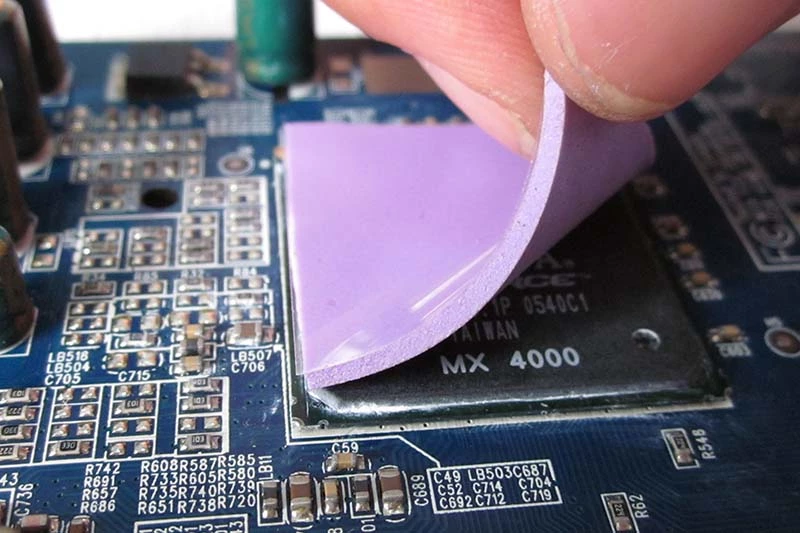
Natural mix of traits: flexible, easy to apply, forgiving during assembly. Yet concerns remain around Outgassing, Material migration, and Volatility.
Common observations:
· Thermal degradation over long cycles
· Surface Contamination risks
· Occasional Adhesion challenges
In tightly sealed sensors, migration can trigger Reliability issues. Traditional setups using Traditional TIMs may pass early testing but struggle in extended heat-soak conditions.
An Environmentally friendly silicone-free thermal conductive material often replaces silicone pads when cleanliness and durability matter more than short-term flexibility.
Some engineers keep silicone for low-cost consumer goods. Others move to environmentally friendly silicone-free thermal conductive material systems for EV batteries, power modules, and medical devices.
The difference is practical. Cleaner interface. Longer life. Fewer surprises.
Eliminate Silicone Contamination Instantly
Silicone contamination can quietly wreck performance, especially when working with Environmentally friendly silicone-free thermal conductive material in high-precision builds. If surfaces aren’t clean, heat transfer drops and reliability slips. This guide keeps things practical—fast cleanup, smart detection, and solid prevention—so your environmentally friendly, silicone-free, thermally conductive material performs exactly as it should.
Quick Cleanup Protocols
When contamination shows up, speed matters—but so does control. Effective contamination removal starts with choosing compatible cleaning agents that won’t react with your environmentally friendly silicone-free thermal conductive material.
· Use lint-free solvent wipes for quick residue elimination
· Verify material compatibility before applying any fluid
· Prioritize controlled surface preparation zones
For deeper control, follow this structured flow:
· Initial Assessment:Identify visible residues,Confirm affected components.
· Targeted Cleaning:Apply approved solvents,Perform localized rapid decontamination.
· Validation:Inspect for streaking,Re-test bonding areas.
A quick tip many operators swear by: clean small areas twice instead of flooding once. It protects delicate substrates and keeps your environmentally friendly, silicone-free thermal conductive material stable.
Sheen Technology recommends documented protocol implementation so repeat jobs don’t rely on guesswork. Clean smart. Move fast. Keep heat paths clear.
On-Site Contamination Testing
Spotting trouble early saves money and reputation. Reliable detection methods and portable inspection tools make that possible without slowing production.
Core testing stack:
· Surface swab kits
· Portable spectroscopy devices
· Real-time optical scanners
Structured approach:
· Screening:Use rapid analytical techniques,Flag abnormal readings.
· Verification:Conduct focused purity assessment,Confirm contaminant identification.
· Decision:Approve for assembly,Isolate for re-cleaning.
According to a 2025 IPC electronics reliability update:
“Surface cleanliness directly correlates with thermal interface stability and long-term device reliability.”
That insight hits home when handling Environmentally friendly silicone-free thermal conductive material. Even trace silicone affects adhesion and heat flow.
With Sheen Technology solutions, quality control becomes proactive, not reactive. And real-time analysis keeps production moving without blind spots.
Preventive Handling Practices
Prevention beats cleanup every single time. Tight process guidelines and disciplined material storage stop cross-contact before it starts.
Core safeguards:
Storage Discipline
· Separate silicone-based supplies
· Seal environmentally friendly silicone-free thermal conductive material in labeled containers
Workspace Control
· Enforce workplace hygiene
· Apply cleanroom procedures where needed
Equipment & People
· Schedule routine equipment maintenance
· Strengthen operator training
Simple habits matter:
· Change gloves between tasks
· Keep silicone tools isolated
· Audit for cross-contamination prevention gaps
An eco-safe thermal interface compound only stays eco-safe when the handling matches its design. Environmentally friendly silicone-free thermal conductive material deserves that respect.
Sheen Technology builds its recommendations around real production floors—less theory, more practical control. Keep silicone out, keep performance high, and let your environmentally friendly silicone-free thermal conductive material do its job without interference.
Data Center Cooling: Silicone-Free Advantage

Data centers are under pressure to cut energy consumption while keeping performance steady. That’s where Environmentally friendly silicone-free thermal conductive material steps in. By combining cleaner chemistry with smart thermal efficiency, it reshapes cooling strategy, trims costs, and supports greener infrastructure without slowing down high-density computing.
Lower Power Usage Effectiveness
Modern operators track power efficiency through PUE reduction, and material choice plays a direct role.
Material Performance and Energy Flow
Heat Transfer Stability
· Consistent heat transfer lowers hotspot formation.
· Reduced thermal resistance improves energy savings.
Cooling System Impact
· Lower cooling load decreases energy consumption.
· Balanced temperatures support long-term thermal efficiency.
Environmental and Financial Impact
Operational Layer
· Reduced chiller runtime cuts operational costs.
· Improved efficiency limits carbon emissions.
Strategic Layer
· Adoption of Environmentally friendly silicone-free thermal conductive material strengthens ESG metrics.
· Silicone-free thermal compounds minimize contamination risk in precision hardware.
| Metric | Traditional TIM | Silicone-Free Thermal Conductive Material | Impact |
| Average PUE | 1.65 | 1.45 | ↓12% |
| Annual Cooling Energy (MWh) | 12,000 | 10,400 | ↓13% |
| Estimated Carbon Output (tons) | 5,800 | 4,950 | ↓15% |
Sheen Technology integrates Environmentally friendly silicone-free thermal conductive material to push measurable PUE reduction without major infrastructure overhaul.
Reduced Maintenance Downtime
Downtime eats into margins. Stable materials help avoid that mess.
· Longer maintenance intervals
· Higher system uptime
· Improved equipment longevity
Here’s how it works in practice:
1) Material Stability:Silicone-free thermal interface solutions resist pump-out and drying, improving component stability.
2) Operational Effect:Fewer failures mean fewer service disruptions and stronger operational continuity.
3) Lifecycle Value:Lower replacement frequency protects operational reliability and trims long-term operational costs.
Cleaner chemistry also reduces residue buildup inside cooling assemblies.
“Energy-efficient data center upgrades remain a top priority for operators aiming to control cost volatility and sustainability exposure in 2025,” notes the International Energy Agency’s 2025 energy efficiency update.
By adopting Environmentally friendly silicone-free thermal conductive material, facilities align uptime goals with environmental targets. Sheen Technology supports this shift through validated silicone-free thermal compounds engineered for durability.
Improved Rack Density and Airflow Efficiency
Higher server density sounds great—until heat stacks up. Smart material design changes that equation.
A. Thermal Design Optimization
Interface Layer
· Advanced thermal design improves localized heat transfer.
· Stable contact supports stronger cooling capacity.
Rack-Level Benefits
· Enhanced rack utilization without thermal throttling.
· Balanced airflow reduces strain on cooling infrastructure.
B. Airflow Management Synergy
Controlled Heat Paths
· Directed dissipation strengthens airflow management.
· Reduced recirculation improves space optimization.
Density Scaling
· Tighter configurations maintain safe operating ranges.
· Eco-friendly thermal interface materials enable sustainable expansion.
By combining Environmentally friendly silicone-free thermal conductive material with refined airflow planning, operators unlock higher compute output per square meter. Sheen Technology positions this silicone-free thermal conductive material as a practical path toward scalable, cleaner data center growth.
【Request a Custom Quote】 Not sure which environmentally friendly silicone-free thermal conductive material fits your build? Send us your target operating temperature, thickness target, application type, and performance requirements, and we can help recommend the right thermal solution for your project.
Sheen Thermal
Dongguan Sheen Electronic Technology Co., Ltd · Founded in 2008
Manufacturer of thermal interface materials and silicone foam for automotive electronics, energy storage, power electronics, communications and consumer electronics.
Certified
- ISO 9001:2015
- ISO 14001:2015
- IATF 16949:2016
What we supply
- Thermal conductivity Up to 90 W/m·K
- Thickness 0.3–10.0 mm
- Custom & samples Die-cut to drawing, 3–7 days