
 English
 usheenthermal

How to Choose Silicone-Free Thermal Conduction for Laboratory Equipment
Date:2026-06-09
How to Choose Silicone-Free Thermal Conduction for Laboratory Equipment
Silicone-free thermal conduction for laboratory equipment isn’t a luxury; it’s the difference between clean data and ghost errors that creep in when heat and outgassing start misbehaving inside sensitive instruments.
Buyers know the headache: drifting results, fried components, recalibration. The fix is picking materials that stay stable, insulate well, and move heat without contaminating the system.
Key Notes on Silicone-free Thermal Conduction for Laboratory Equipment
➔ Outgassing Control: Silicone-free compounds eliminate volatile siloxanes, preserving measurement accuracy in high-vacuum spectroscopy and chromatography systems.
➔ Thermal Performance: High-conductivity pads, graphite films, and boron nitride pastes reduce junction temperatures and ensure rapid, stable thermal cycling in power modules and PCR instruments.
➔ Dielectric Integrity: Silicone-free gap fillers and polymer-ceramic composites deliver strong electrical insulation, low contact resistance, and long-term stability on PCBs and semiconductor packages.
Why Silicone-Free Thermal Conduction Matters In Labs

In modern labs, stable readings and safe hardware are non negotiable. Silicone-free thermal conduction for laboratory equipment supports clean data, cooler chips, and longer device life. From vacuum chambers to PCB stacks, silicone-free thermal conduction for laboratory equipment keeps heat moving without risking contamination or electrical drift.
Reducing Outgassing in Analytical Instruments
High-end analytical instruments working in vacuum environments are sensitive to outgassing and volatile organic compounds. Choosing silicone-free materials in thermal interface materials reduces contamination risks and protects calibration stability.
· Lower siloxane fogging
· Reduced signal drift
· Cleaner mass spectra
“Contamination control remains a top priority in advanced semiconductor and analytical manufacturing,” notes the 2025 IPC electronics reliability outlook, highlighting stricter material screening in precision systems.
Silicone-free thermal conduction for laboratory equipment matters because even minor silicone migration can skew results. Labs adopting thermal management for laboratory equipment built on silicone-free platforms, including solutions from Sheen Technology, report steadier baselines and fewer maintenance cycles.
Enhancing Heat Dissipation for Power Modules
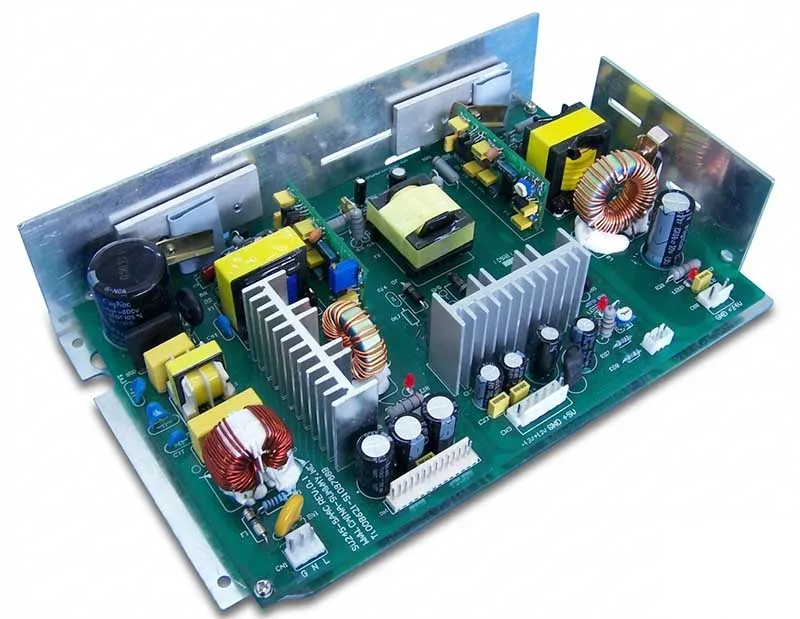
For power modules and semiconductor devices, steady heat dissipation defines uptime. Below is a performance snapshot comparing typical interface options used in electronic components.
| Material Type | Thermal Conductivity (W/m·K) | Outgassing Level (%) | Typical Application | Max Temp (°C) |
| Silicone Grease | 3.5 | 1.2 | Legacy modules | 180 |
| Silicone Pad | 4.0 | 0.8 | Standard PCB | 200 |
| Silicone-Free Pad | 6.5 | 0.2 | Lab power units | 220 |
Nested decision path for heat transfer upgrades:
Thermal Management Goals
· Reduce junction temperature:Select high thermal conductivity pad,Confirm compression range.
· Control contamination:Verify silicone-free certification,Test in simulated load cycles.
Silicone-free thermal conduction for laboratory equipment improves cooling solutions efficiency while limiting airborne residues. Sheen Technology aligns product specs with real lab duty cycles, not just brochure numbers.
Maintaining Dielectric Strength on PCB Assemblies
On dense PCB assemblies, heat and voltage rise together. That’s where dielectric strength and electrical insulation step in.
· Prevent electrical contamination
· Limit silicone migration
· Protect circuit reliability
Layered protection logic:
High breakdown voltage gap fillers
· Stable under thermal stress
· Resistant to moisture
· Insulated mounting pressure
Thermal Path
· Direct heat conduction to the sink
· Even pressure distribution
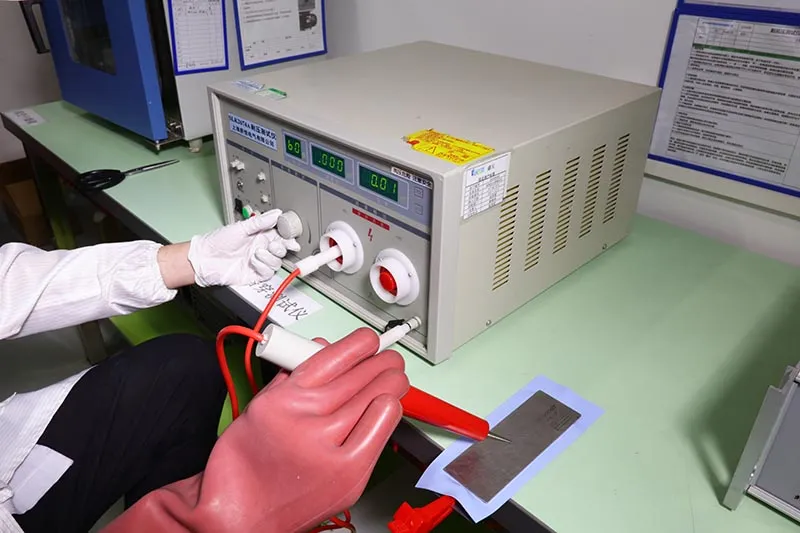
Silicone-free thermal conduction for laboratory equipment ensures stable electronic circuits during repeated heating cycles. In practice, silicone-free thermal pads maintain insulation above 6 kV/mm while moving heat efficiently. That balance—clean heat flow plus strong insulation—is why labs upgrading to silicone-free thermal conduction for laboratory equipment see fewer field failures and steadier long-term performance.
5 Key Parameters For Thermal Pad Selection
Silicone-free thermal conduction for laboratory equipment sounds technical, yet it comes down to keeping instruments cool, stable, and clean. In labs, even small heat shifts can mess with readings. Choosing the right pad for Silicone-free thermal conduction for laboratory equipment helps protect accuracy, safety, and long service life.
Thermal Conductivity and Heat Dissipation
When evaluating Silicone-free thermal conduction for laboratory equipment, heat control sits at the core:
Material Core Performance
· thermal conductivity determines how quickly heat flow moves away from chips.
· Lower thermal resistance improves total thermal performance.
Interface Efficiency
· Pad conformity reduces air gaps.
· Better contact boosts heat transfer across the thermal interface material.
System-Level Impact
· Stable heat dissipation protects sensors.
· Consistent lab equipment thermal conduction keeps calibration tight.
For silicone-free thermal conduction, filler type and compression matter just as much as conductivity ratings.
Dielectric Strength for Electrical Insulation
In dense lab boards, power modules sit close together. That’s risky without solid electrical insulation.
· High dielectric strength supports strong voltage withstand.
· Reliable breakdown voltage avoids short circuits.
· Stable electrical resistance preserves signal integrity.
Sheen Technology Silicone-free thermal pad performance properties:
| Properties | Color | Thermal Conductivity | Thermal Impedance (1mm,@30psi) | Dielectric Strength (@AC) | Operating Temp. |
|---|---|---|---|---|---|
| Unit | - | W/m·K | ℃*in2/W | kV/mm | ℃ |
| AF100 | White | 1.0 | 1.1 | 8 | -40 ~ 125 |
| AF300 | White | 2.0 | 0.8 | 8 | -40 ~ 125 |
| AF500 | White | 3.0 | 0.6 | 8 | -40 ~ 125 |
| AF600 | White | 5.0 | 0.3 | > 8 | -40 ~ 120 |
| AF600G | White | 6.0 | 0.25 | > 8 | -40 ~ 120 |
| AF800 | White | 8.0 | 0.2 | > 8 | -40 ~ 120 |
| AF1000 | Gray | 10.0 | ≤0.13 | ≥4 | -40 ~ 150 |
| Test Method | Visual | ASTM D5470 | ASTM D5470 | ASTM D149 | - |
For Silicone-free thermal conduction for laboratory equipment, the pad must balance insulation and thermal conductivity. Good electrical properties in an insulation material mean heat moves, electricity doesn’t. Simple idea. Critical outcome.
Need exact thermal conductivity, dielectric strength, thickness range, and outgassing data before you choose? Download the product datasheets to compare silicone-free thermal conduction for laboratory equipment options.
Operating Temperature Range Compatibility
For silicone-free thermal conduction and stable operation:
· Confirm rated operating temperature matches real lab conditions.
· Check upper temperature limits for ovens or reactors.
· Validate low temperature range flexibility for cold storage tools.
· Review thermal stability to prevent material degradation.
Silicone-free conduction for lab equipment must survive both high temperature spikes and long low temperature exposure without cracking or losing performance.
Contact Resistance and Thermal Cycling Stability
Performance over time depends on structure and mechanics:
Interface Control
· Low contact resistance reduces thermal impedance.
· Stable interface resistance supports repeatable results.
Mechanical Behavior
· Balanced thermal expansion prevents stress.
· Minimal compression set keeps pressure even.
Durability
· Resistance to thermal cycling avoids pump-out.
· Proven long-term reliability protects semiconductor packages.
In Silicone-free thermal conduction for laboratory equipment, cycling between heating and cooling is normal. Pads must handle that daily grind without shifting or drying out.
Long-Term Stability and Outgassing Characteristics
Labs hate contamination. Silicone-free heat transfer for laboratory equipment reduces the risk of drifting readings caused by volatile compounds.
• Low outgassing supports clean optics.
• Strong chemical stability limits material degradation.
• Verified vacuum compatibility suits analytical chambers.
Recent testing guidance from ASTM International in 2025 emphasized that controlling outgassing is vital for precision optical and analytical assemblies.
“Minimizing outgassing is essential to maintain measurement accuracy and prevent contamination in enclosed systems,” noted ASTM committee updates on material performance standards (2025).
For Silicone-free thermal conduction for laboratory equipment, long-term stability is not a bonus. It’s the baseline expectation in serious lab environments.
Silicone-Free Vs. Silicone-Based: Which Is Safer?
In labs and precision workshops, heat control is serious business. When discussing Silicone-free thermal conduction for laboratory equipment, safety, contamination control, and long-term stability matter more than quick fixes. Let’s break down how silicone-free and silicone-based materials actually behave in real-world lab environments.
Silicone-Free Thermal Interface Materials
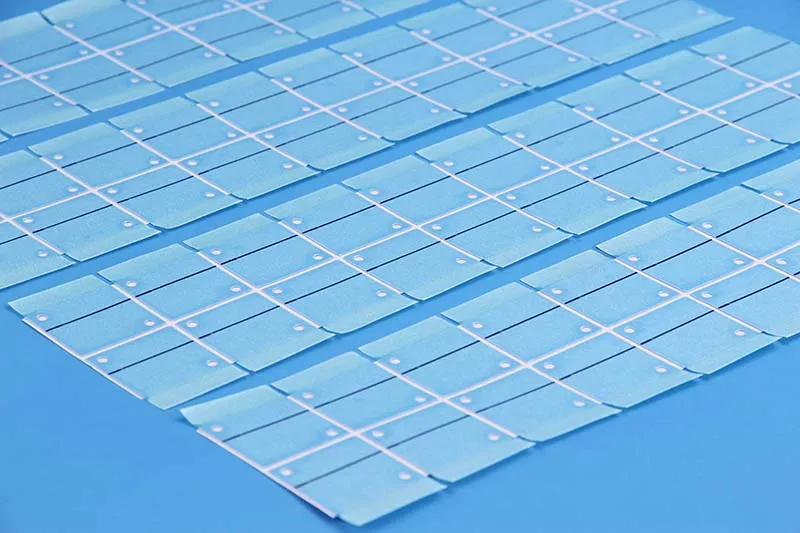
When labs specify Silicone-free thermal conduction for laboratory equipment, the focus usually lands on non-silicone compounds built with ceramics or graphite.
Core Material Types
· Ceramic-filled alternative TIMs
· Graphite composite sheets
· Phase-change pads without siloxanes
Performance Factors
· Stable thermal conductivity under cycling
· Strong outgassing prevention for vacuum chambers
· Tight contamination control in optical benches
Application Context
✔ Laboratory applications with lasers
✔ Semiconductor inspection tools
✔ Aerospace vacuum assemblies
Because chemical compatibility is critical in lab tools, silicone-free thermal conduction solutions reduce residue buildup. For Silicone-free thermal conduction for laboratory equipment, that means fewer shutdowns and cleaner sensors. In short, less mess, fewer headaches.
Silicone-Based Thermal Interface Materials

Silicone compounds dominate consumer electronics, and for good reason.
· Easy spreadability as thermal grease
· Flexible thermal pads
· High dielectric strength
Heat transfer can be decent, especially under high temperature performance conditions. Yet in lab gear:
Material Behavior
· Possible material migration over time
· The pump-out phenomenon under thermal cycling
· Release of siloxanes in confined systems
Risk Mapping for Labs
· Optical contamination
· Sensor drift
· Reduced calibration stability
For everyday electronics, silicone works fine. But when Silicone-free thermal conduction for laboratory equipment is required, switching to non-silicone options often improves long-term reliability. In clean environments, even tiny vapors matter.
Scenario: High-Throughput PCR Thermal Management
High-throughput PCR platforms live or die by temperature precision. Even a tiny fluctuation can skew amplification curves. That’s why Silicone-free thermal conduction for laboratory equipment has become a serious focus in modern lab design. By combining Polymer systems, Boron nitride fillers, and Graphite frameworks, smarter heat control is now achievable. Sheen Technology pushes this idea forward with practical, lab-ready materials built for stable, repeatable cycling.
Polymer-Based Compounds for Uniform Temperature Control
In PCR blocks, temperature uniformity decides data credibility. A refined Polymer compound engineered for thermal conductivity ensures smooth heat transfer across every reaction well.
Material Base
· Polymer matrix optimized for thermal conduction materials
· Additives tuned for temperature uniformity
Functional Mechanism
a) Even surface wetting
b) Reduced micro air gaps
c) Stable contact under cycling stress
Application in laboratory PCR
• Thin bond lines
• Consistent amplification curves
Silicone-free thermal conduction for laboratory equipment avoids contamination risks while keeping heat conduction for lab equipment clean and stable. Sheen Technology designs these silicone-free thermal interface solutions specifically for PCR aluminum blocks, delivering balanced heat flow without pump-out.
Short version? Better contact. Faster response. Cleaner cycles.
Boron Nitride Paste to Lower Junction Temperature
High-density PCR control boards face rising junction temperature during rapid cycling. A Boron nitride thermal paste built for heat dissipation directly tackles that issue.
Performance snapshot for Silicone-free thermal conduction for laboratory equipment:
| Material Type | Thermal Conductivity (W/m·K) | Junction Temp Reduction (°C) |
| Standard Paste | 3.5 | 4–6 |
| Boron nitride Paste | 6.0 | 8–12 |
| BN + Hybrid Filler | 8.5 | 12–15 |
Key advantages in laboratory PCR systems:
· Silicone-free composition
· Improved IC lifespan
· Stable thermal interface material performance
By lowering junction temperature, silicone-free thermal conduction for laboratory equipment protects delicate controllers. Sheen Technology integrates this approach into compact PCR modules, where every degree matters.
Graphite Composites Ensuring Rapid Thermal Cycling Stability
Fast cycling demands extreme thermal cycling stability. Graphite composite sheets offer strong in-plane conductivity, perfect for rapid heating and cooling.
Core Property
High in-plane heat management
· → Supports rapid heating
· → Enables controlled cooling
Reinforced composite layers
· → Maintains mechanical stability
· → Resists expansion fatigue
System Impact in laboratory PCR
· Uniform block recovery
· Reduced overshoot
· Longer module life
When paired with Silicone-free thermal conduction for laboratory equipment, graphite spreads energy evenly while keeping contamination risks low. The result is smooth thermal cycling that feels effortless.
For labs chasing speed without sacrificing accuracy, Sheen Technology combines graphite layers with silicone-free thermal interface layers to form dependable laboratory thermal management solutions.
【Request a Custom Quote】 Not sure which silicone-free thermal conduction for laboratory equipment solution fits your build? Send us your target operating temperature, thickness target, application type, and performance requirements, and we can help recommend the right thermal solution for your project.
Sheen Thermal
Dongguan Sheen Electronic Technology Co., Ltd · Founded in 2008
Manufacturer of thermal interface materials and silicone foam for automotive electronics, energy storage, power electronics, communications and consumer electronics.
Certified
- ISO 9001:2015
- ISO 14001:2015
- IATF 16949:2016
What we supply
- Thermal conductivity Up to 90 W/m·K
- Thickness 0.3–10.0 mm
- Custom & samples Die-cut to drawing, 3–7 days