
 English
 usheenthermal

Mastering Thermal Management with High-Temperature Resistant Carbon Fiber Thermal Conductive Material (160℃+)
Date:2026-04-05
Mastering Thermal Management with High-Temperature Resistant Carbon Fiber Thermal Conductive Material (160℃+)
Heat is the silent dealbreaker in modern electronics. Push a power module past its comfort zone and things go sideways—fast. That’s where High-temperature resistant carbon fiber thermal conductive material (160℃+) steps in. Built to keep its cool above 160℃, it moves heat efficiently while staying electrically insulated and structurally tough. No meltdowns. No drama. Just steady performance when the stakes are high.
McKinsey reports electrification and advanced electronics are driving sharp growth in thermal management demand across automotive and power sectors. Translation? If your system runs hot, the market expects it to run smarter.
Think of this material like a seasoned pit crew at Daytona—lightweight, quick under pressure, and unfazed by the heat. It trims weight, resists corrosion, and holds its shape when metal parts start waving the white flag. For OEMs and bulk buyers, that means fewer failures, longer lifecycles, and products that don’t flinch when the temperature climbs.
High-Temperature Resistant Carbon Fiber Thermal Conductive Material (160℃+) Overview
High-temperature resistant carbon fiber thermal conductive material (160℃+) is built for heat that just won’t quit. By combining carbon fiber, thermal conductivity, and 160℃+ endurance, this material keeps electronics cool and stable. From aerospace to power modules, high-temperature resistant carbon fiber thermal conductive material (160℃+) solves real-world heat headaches without drama.
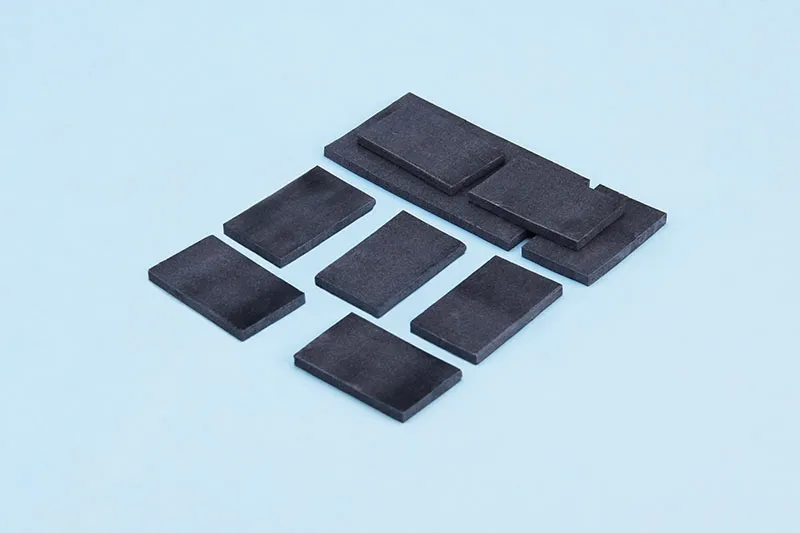
Composition and Structure: Carbon Fiber, Polymer Matrix, Ceramic Fillers
High-temperature resistant carbon fiber thermal conductive material (160℃+) relies on a carefully engineered Composite Material system:
Core Framework
1.1 Carbon Fiber network
· Forms continuous Thermal Pathways
· Controls in-plane heat spreading
1.2 Microstructure alignment
· Oriented fibers reduce hotspots
· Balanced weave improves mechanical strength
Binding Phase
2.1 Polymer Matrix
· Anchors fibers through strong Interfacial Bonding
· Maintains electrical insulation
2.2 Resin stability
· Supports high-temperature resistant carbon fiber thermal conductive material (160℃+) at sustained 160℃+
Conductive Enhancement
3.1 Ceramic Fillers
· Boost through-thickness conductivity
· Improve dielectric strength
3.2 Graphite synergy
· Enhances heat diffusion
This carbon fiber thermal conductive material works because each layer plays its part. The 160℃+ thermal conductive material design keeps the structure tight, heat moving, and stress low.
Thermal Conductivity versus Thermal Resistance Balance
In high-temperature resistant carbon fiber thermal conductive material (160℃+), performance is a balancing act inside the material itself:
Heat Flow Control
1.1 Thermal Conductivity optimization
· Fiber orientation tunes Energy Transfer
· Filler ratio reduces Temperature Gradient
1.2 Targeted Heat Dissipation
· Prevents local overheating
Resistance Management
2.1 Lower Thermal Resistance
· Minimizes interface gaps
· Enhances surface conformity
2.2 Controlled expansion
· Stabilizes Material Performance under cycling
Optimization Strategy
3.1 Simulation-driven Optimization
3.2 Lab validation under 160℃+ load
Typical data for high-temperature resistant carbon fiber thermal conductive material (160℃+):
| Property | Standard Grade | Enhanced Grade |
| Thermal Conductivity (W/m·K) | 15–25 | 25–45 |
| Thermal Resistance (°C·cm²/W) | 0.12 | 0.07 |
| Continuous Use Temp (℃) | 160 | 160 |
This high-temperature resistant carbon fiber thermal conductive material (160℃+) keeps resistance low without killing insulation. That balance is where real reliability lives.
High Temperature Stability and Corrosion Resistance Insights
High-temperature resistant carbon fiber thermal conductive material (160℃+) stands up to heat and harsh air through layered protection logic:
Thermal Endurance
1.1 High Temperature Stability
· Stable resin chemistry
· Reduced Thermal Degradation
1.2 160℃+ continuous operation
· Maintains structural integrity
Chemical Protection
2.1 Oxidation Resistance
· Surface-treated fibers
2.2 Chemical Inertness
· Shields against coolants and solvents
Long-Term Durability
3.1 Resistance to Environmental Factors
3.2 Improved Durability in aerospace and power electronics
This 160℃+ thermal conductive material doesn’t flinch under cycling heat. Carbon fiber thermal conductive material with corrosion resistance means fewer replacements and less downtime. That’s why high-temperature resistant carbon fiber thermal conductive material (160℃+) is trusted in tough environments.
Material Forms: Sheets, Films, Prepregs, Molded Parts
High-temperature resistant carbon fiber thermal conductive material (160℃+) is not locked into one shape. It adapts:
Flat Configurations
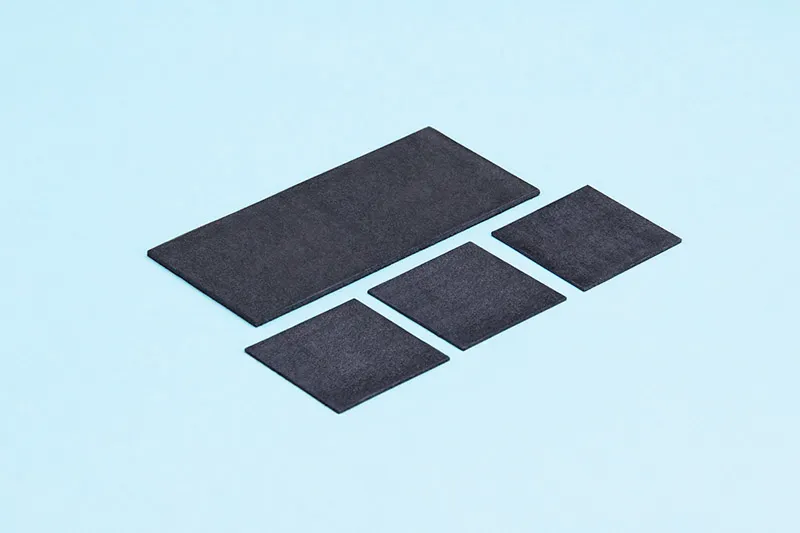
1.1 Sheets
· For heat sinks and battery modules
1.2 Films
· Thin, flexible, ideal for compact layouts
Process-Ready Materials
2.1 Prepregs
· Controlled resin content
· Easy lamination
2.2 Custom cutting options
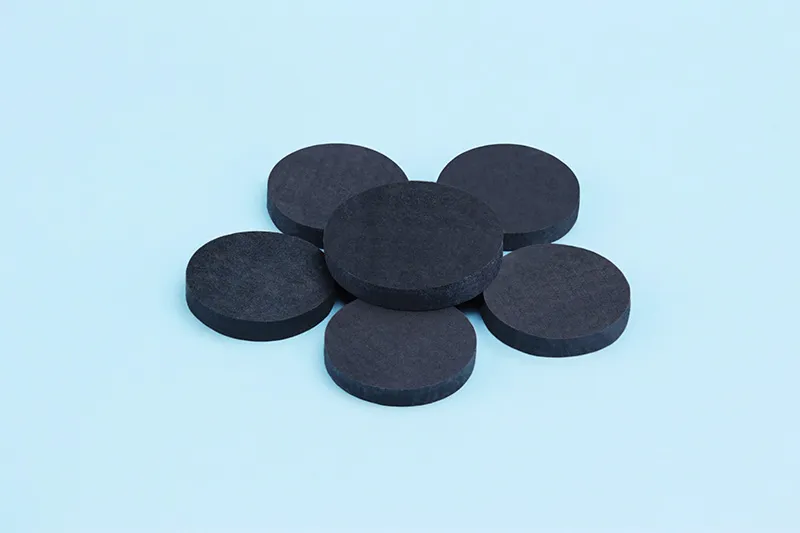
Engineered Components
3.1 Molded Parts
- Complex geometries
- Tight tolerance control
3.2 Integration with diverse Fabrication Methods
- Compression molding
- CNC finishing
Across these Application Forms, high-temperature resistant carbon fiber thermal conductive material (160℃+) supports smart Product Design. Sheen Technology fine-tunes carbon fiber thermal conductive material for 160℃+ electronics, offering stable supply and tailored specs. When heat climbs past 160℃+, Sheen Technology keeps systems cool, steady, and ready for the long haul.
5 Steps to Integrate 160℃+ Resistant Carbon Fiber
High heat electronics are getting intense, and cooling solutions must keep up. The focus today is High-temperature resistant carbon fiber thermal conductive material (160℃+)—breaking it down into high-temperature resistant, carbon fiber, thermal conductive material, and 160℃+. This heat-ready carbon fiber thermal solution keeps devices stable, efficient, and safe. Here’s how integration actually works in real production settings.
Step 1: Optimizing Resin System and Graphite Fillers
When building High-temperature resistant carbon fiber thermal conductive material (160℃+), the foundation sits in the Resin System and Graphite Fillers.
Core formulation priorities
Resin System
· High glass transition temperature
· Stable Viscosity during mixing
· Compatibility with ceramic additives
Graphite Fillers
· Controlled Filler Loading
· Uniform Dispersion
· Synergy with carbon matrix
A stable Resin System keeps structural integrity beyond 160℃+. Push Filler Loading too high and flow drops; keep it too low and Thermal Conductivity suffers. Balance matters.
In real production lines at Sheen Technology, engineers fine-tune Viscosity so prepreg coating remains even. Good Dispersion means no hot spots later. That’s the difference between average high-temperature carbon fiber heat conduction material and a reliable High-temperature resistant carbon fiber thermal conductive material (160℃+) built for long service life.
Step 2: Composite Molding for Uniform Fiber Orientation
Heat moves fastest along fiber direction. So Composite Molding and Fiber Orientation control performance more than most people expect.
Material preparation
· Prepreg conditioning
· Controlled humidity storage
Layup strategy
· 0° alignment for in-plane heat flow
· Cross-ply stacking for structural balance
Tooling factors
· Precision Mold Design
· Even Pressure distribution
Within Composite Molding, aligned Carbon Fiber forms thermal highways. If Fiber Orientation drifts, in-plane Thermal Conductivity drops sharply.
Sheen Technology adjusts Layup sequences to match semiconductor package layouts. That means high-temperature resistant carbon fiber thermal conductive material 160℃+ can channel heat exactly where power density peaks. No guesswork—just targeted conduction.
Step 3: Controlled Curing and Lamination Techniques
The Curing Process locks everything in place. Poor control leads to internal stress. Controlled parameters give dimensional stability above 160℃.
Key technical layers include:
Thermal management during cure
· Gradual Temperature Control ramp
· Optimized Cure Cycle duration
Consolidation
· Calibrated Pressure Application
· Air removal through Vacuum Bagging
High-performance setups
· Uniform heating in Autoclave systems
· Multi-layer Lamination alignment
During Lamination, resin flow must fill micro-voids without disturbing Carbon Fiber alignment. That’s where precision Temperature Control meets smart Pressure Application.
A well-managed Curing Process reduces internal mismatch in coefficient of expansion. As a result, High-temperature resistant carbon fiber thermal conductive material (160℃+) remains flat, strong, and thermally stable during repeated heating cycles.
Step 4: Precision Machining into Pads and Thermal Interface Films
Once laminated, the material shifts from panel form into application-ready components. Precision Machining transforms raw laminate into usable Pads and Films.
Manufacturing breakdown:
Cutting stage
· CNC routing
· Laser-assisted trimming
Surface refinement
· Controlled Grinding
· Edge smoothing
Quality verification
· Tight Dimensional Accuracy
· Surface flatness inspection
For Thermal Interface Material use, thickness tolerance directly affects contact resistance. A slight deviation changes system efficiency.
This is where high-temperature carbon fiber heat conduction material becomes practical. When processed into thin films, High-temperature resistant carbon fiber thermal conductive material (160℃+) bridges chips and heat sinks while handling 160℃+ without softening. That reliability matters in power modules and telecom boards running nonstop.
Step 5: Surface Treatment to Enhance Dielectric Strength
Thermal performance alone isn’t enough. Electrical safety matters just as much.
Surface Treatment fine-tunes both insulation and bonding behavior:
Electrical performance
· Increased Dielectric Strength
· Improved Electrical Insulation
Adhesion enhancement
· Higher Surface Energy
· Stronger bonding interfaces
Advanced finishing
· Thin Coating layers
· Targeted Plasma Treatment
Through controlled Plasma Treatment, surface chemistry shifts slightly, raising Surface Energy. That allows adhesives to anchor more effectively.
Boosting Dielectric Strength ensures the High-temperature resistant carbon fiber thermal conductive material (160℃+) separates conductive layers safely while still transferring heat fast. In telecom racks and EV control systems, that balance is critical.
By combining thermal efficiency, insulation reliability, and structural strength, Sheen Technology delivers high-temperature resistant carbon fiber thermal conductive material solutions that meet 160℃+ operational demands without compromise.
And yes, when systems run hot and tight on space, High-temperature resistant carbon fiber thermal conductive material (160℃+) simply gets the job done.
Can Carbon Fiber Materials Beat Metal TIMs?
Thermal management keeps devices alive, plain and simple. As heat loads rise beyond 160℃, engineers are rethinking old-school Metal solutions and looking hard at Carbon Fiber composites. So can High-temperature resistant carbon fiber thermal conductive material (160℃+) really outperform metal-based Thermal Interface Material options? Let’s break it down in real-world terms.
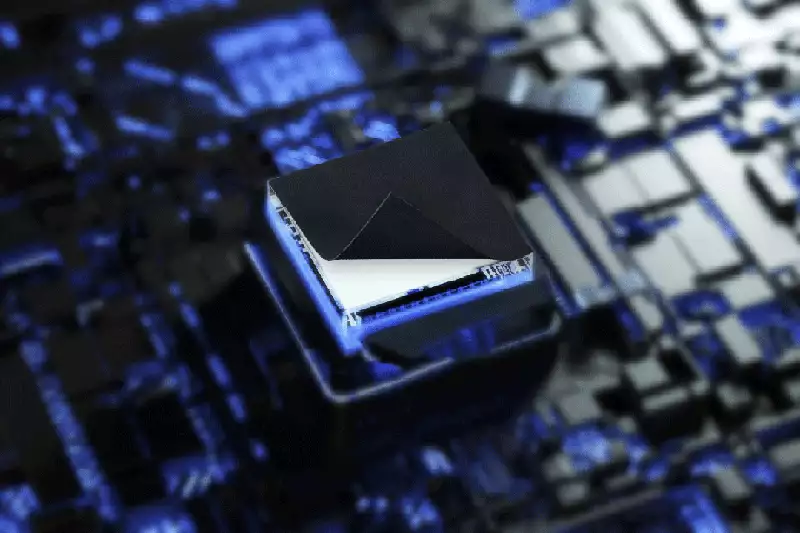
Carbon Fiber Thermal Conductive Materials
When heat climbs past 160℃, material limits show up fast. That’s where High-temperature resistant carbon fiber thermal conductive material (160℃+) starts to shine.
Core Material Foundation
· Carbon Fiber network
· Creates directional Thermal Conductivity
Maintains structure under High Temperature Resistance conditions
Composite Material matrix
· Enhances Electrical Insulation
· Improves corrosion resistance
Thermal Management Performance
· Heat Flow Control
· Stable Heat Dissipation above 160℃
· Lower interface resistance under pressure
System Compatibility
· Works in EV battery packs
· Fits power modules and industrial inverters
Practical Engineering Advantages
· Lightweight build
· Reduced galvanic corrosion
· Safer insulation vs bare metal
The full High-temperature resistant carbon fiber thermal conductive material (160℃+) platform balances conductivity and insulation. That combo is tough to beat.
The International Energy Agency’s 2025 EV Outlook notes that higher operating temperatures in power electronics are pushing demand for advanced thermal management materials with improved insulation and heat tolerance.
Brands like Sheen Technology are pushing carbon fiber thermal conductive material solutions tailored for 160℃+ systems, helping designers move beyond heavy metal plates.
Metal Thermal Interface Materials
Traditional Metal Thermal Interface Material products still dominate many designs. Copper sheets, aluminum shims, and even metal-filled Thermal Grease or Phase Change Material solutions are known for strong Thermal Conductivity.
High bulk Heat Transfer rates
· Proven supply chain
· Simple machining
But trade-offs show up fast:
· Heavier weight
· Limited Electrical Insulation
· Risk of oxidation or corrosion
Below is a practical comparison at elevated temperatures:
| Material Type | Thermal Conductivity (W/m·K) | Density (g/cm³) | Electrical Insulation | Max Temp (℃) |
| Copper TIM Plate | 390 | 8.9 | No | 200+ |
| Aluminum Shim | 205 | 2.7 | No | 180+ |
| Metal-filled Thermal Grease | 3–8 | 2.5–3.5 | Partial | 150–180 |
| Thermal Pad (Metal Oxide) | 1–6 | 2–4 | Yes | 150–200 |
| High-temperature resistant carbon fiber thermal conductive material (160℃+) | 10–40 (in-plane) | 1.5–2.0 | Yes | 160℃+ |
When weight, insulation, and sustained 160℃ operation matter, High-temperature resistant carbon fiber thermal conductive material (160℃+) starts looking less like an alternative and more like the smart move. Sheen Technology continues refining these high-temperature carbon fiber solutions for next-gen Thermal Management systems.
High-Temperature Resistant Carbon Fiber Thermal Conductive Material (160℃+) in Automotive Scenarios
Cars today run hotter than ever. Inverters, batteries, and control units push limits daily. That’s where High-temperature resistant carbon fiber thermal conductive material (160℃+) steps in. By blending carbon fiber, thermal conductivity, and 160℃+ heat resistance, this material keeps automotive systems cool, light, and steady under stress.
Power Module Cooling: Flexural Modulus and Mechanical Strength
When a Power Module runs at high load, Cooling can’t rely on airflow alone. Structural support matters. A High-temperature resistant carbon fiber thermal conductive material (160℃+) offers:
· High Flexural Modulus to resist bending
· Stable Mechanical Strength at 160℃+
· Reliable Thermal Conductivity for fast heat spread
Key performance snapshot:
| Material Type | Thermal Conductivity (W/m·K) | Flexural Modulus (GPa) | Continuous Temp (℃) |
| Aluminum Plate | 205 | 69 | 150 |
| Standard CFRP | 10–20 | 70–110 | 120 |
| High-temp carbon fiber thermal conductive material | 25–45 | 120–160 | 160–200 |
In vibration-heavy EV platforms, carbon fiber sheets act as both heat path and structural brace. That dual role trims weight and avoids metal fatigue.
For OEM programs working with Sheen Technology, the High-temperature resistant carbon fiber thermal conductive material (160℃+) is tuned for tight inverter layouts where space is limited but heat is wild.
Battery Pack Thermal Management with Lightweight Prepregs
Inside a Battery Pack, Thermal Management decides lifespan and safety. Lightweight Prepregs built from Carbon Fiber and high-temperature resin form a smart path forward.
Cell-Level Control
· Uniform heat spreading layer
· Reduced thermal gradient between modules
· High temperature resistance above 160℃
Module-Level Structure
a. Structural reinforcement
b. Integrated thermal conduction layer
c. Electrical insulation compatibility
Pack-Level Integration
· Weight reduction up to 20% compared with aluminum trays
· Improved crash stiffness
· Stable Thermal Conductivity under long cycling
This high temp carbon fiber solution keeps cells within a safe window. Less hot spotting. Less drama. The result is a lighter system that still handles abuse.
Automotive LED and ECU Heat Sink Applications
For Automotive LED headlights and ECU housings, heat piles up fast in compact spaces. A Heat Sink made from High-temperature resistant carbon fiber thermal conductive material (160℃+) changes the game.
Application logic breaks down like this:
Thermal Path Design
· Direct contact sheet for LED substrate
· Molded carbon fiber plate for ECU casing
High surface conductivity
· Corrosion-resistant material
· Stable at 160℃+ peaks
Mechanical Benefits
· High stiffness keeps optical alignment steady
· Lower expansion than aluminum reduces stress
Durability Edge
· Resistant to road salt
· Handles thermal cycling without cracking
Compared with traditional metal sinks, this high-temperature resistant carbon fiber thermal conductive material runs lighter and stays tough. Sheen Technology applies precise layup control so each automotive program hits both heat and durability targets without overbuilding the part.
FAQs about High-Temperature Resistant Carbon Fiber Thermal Conductive Material (160℃+)
Why is High-temperature resistant carbon fiber thermal conductive material (160℃+) trusted in power electronics and aerospace components?
High heat changes everything. In power modules and semiconductor packages, a small rise in temperature can mean failure. This material stands firm because of its structure:
· Carbon fiber network → high thermal conductivity + mechanical strength
· Polymer matrix + resin system → electrical insulation + high temperature stability
· Ceramic fillers and graphite → lower thermal resistance, controlled coefficient of thermal expansion
In power electronics, LED lighting, and aerospace components, it protects heat sinks and thermal interface materials from warping, cracking, or electrical breakdown—while staying lightweight and corrosion resistant.
How does it compare with traditional metal thermal interface materials?
A quick contrast makes the tension clear:
| Property | Carbon Fiber Composite | Metal TIM |
| Weight | Lightweight | Heavy |
| Electrical insulation | Excellent dielectric strength | Conductive |
| Corrosion resistance | High | Prone to oxidation |
| Operating temperature range | Stable above 160℃ | Often limited by oxidation |
For printed circuit boards and telecommunications equipment, the balance of thermal conductivity and insulation reduces design risk. You gain mechanical stability without adding unnecessary mass—critical in automotive electronics and consumer electronics.
What forms and customization options are available for different electronic components?
Production is not one-size-fits-all. Through composite molding, lamination, curing, machining, and surface treatment, the material adapts to demanding layouts.
Common forms include:
· Sheets – for heat sinks and power modules
· Films & prepregs – for printed circuit boards
· Pads – for tight semiconductor packages
· Molded parts – for complex automotive electronics housings
Performance can be tuned around thermal resistance, flexural modulus, dielectric strength, and operating temperature range. In high-stress systems, that precision decides long-term reliability.
Sheen Thermal
Dongguan Sheen Electronic Technology Co., Ltd · Founded in 2008
Manufacturer of thermal interface materials and silicone foam for automotive electronics, energy storage, power electronics, communications and consumer electronics.
Certified
- ISO 9001:2015
- ISO 14001:2015
- IATF 16949:2016
What we supply
- Thermal conductivity Up to 90 W/m·K
- Thickness 0.3–10.0 mm
- Custom & samples Die-cut to drawing, 3–7 days