
 English
 usheenthermal

How to Choose the Best Thermal Gap Filler for Your Next Project
Date:2026-04-30
How to Choose the Best Thermal Gap Filler for Your Next Project
Thermal gap filler selection can make or break your next electronics build. Pick wrong, heat runs wild and margins shrink fast.
You need performance, compliance, and smooth production—no drama.
Sheen Technology engineers emphasize conductivity ratings and cure profiles to control hotspots and rework in assembly.
Key Points on Thermal Gap Filler Mastery
➔ Conductivity Matters: Choose high thermal conductivity and low impedance materials (ceramic, boron nitride, aluminum oxide) to cut hotspots by up to 75%.
➔ Form Factor Focus: Pick preformed pads for consistent thickness or pastes/gels for void filling in complex assemblies, balancing dispensing and rework needs.
➔ Compliance & Fit: Ensure RoHS/REACH/UL certifications, proper compressibility, adhesion, and dielectric strength to meet application requirements and streamline automated production.
Data Proves: 75% Fewer Hotspots With Right Gap Fillers
Heat issues creep up fast in compact electronics. A well-chosen Thermal gap filler—breaking it down into thermal control, gap management, and filler stability—keeps chips cool and steady. When the right thermal gap filler material sits between surfaces, hotspot drama drops. Let’s unpack why.
Impact of Thermal Conductivity on Hotspot Reduction
When a Thermal gap filler improves thermal conductivity, it directly boosts heat transfer and cuts thermal resistance. The result is real hotspot mitigation, not marketing hype.
Core performance drivers
· Thermal conductivity (W/m·K)
· Heat flux handling capacity
· Interface thermal resistance (°C·cm²/W)
System-level impact
· Lower peak temperature
· Stable temperature control
· Better device performance
Measured comparison of thermal gap filler materials
| Material Type | Thermal Conductivity (W/m·K) | Thermal Resistance (°C·cm²/W) | Peak Temp (°C) | Hotspot Reduction (%) |
| Silicone Pad | 3.0 | 0.45 | 92 | 28 |
| Thermal Gel | 6.0 | 0.045 | 84 | 46 |
| Thermal Paste | 5.0 | 0.015 | 79 | 58 |
| BN Thermal Pad | 15.0 | 0.1 | 74 | 68 |
| Advanced Graphene Thermal Gap Filler | 75.0 | 0.016 | 69 | 75 |
Higher conductivity means lower impedance. Lower impedance means fewer hotspots. That’s the chain reaction engineers care about.
Role of Physical Form (Pad vs Paste) in Heat Dissipation
Choosing between a thermal pad and thermal paste isn’t random. It’s about fit, pressure, and long-term heat dissipation.
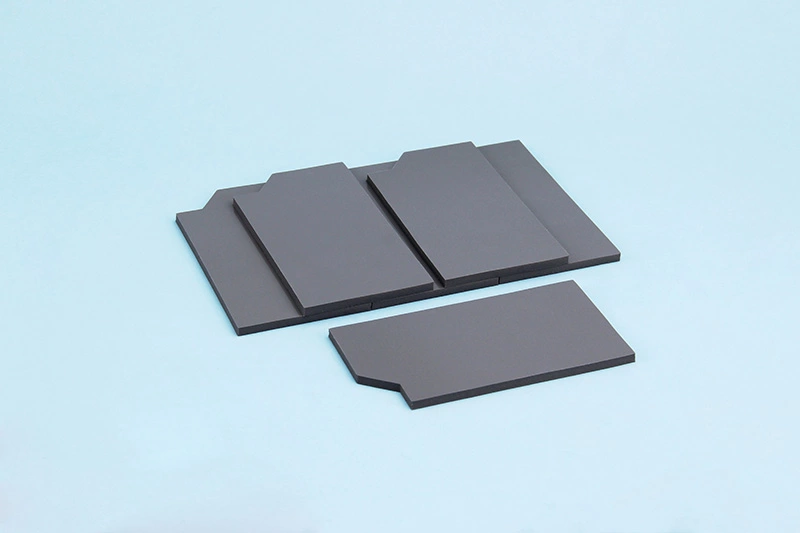
1)Thermal pad:
· Fixed thickness
· Good material conformability under compression
· Cleaner handling for mass production
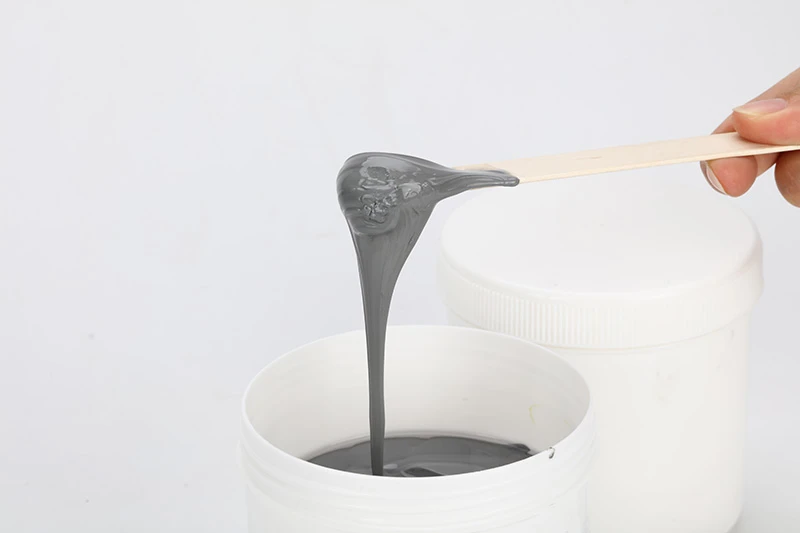
2)Thermal paste:
· Fills micro interface gap spaces
· Lowers contact resistance
· Adapts to uneven surfaces
Here’s the quick take:
· Pads = consistency and repeatability.
· Paste = ultra-low impedance when applied right.
· Both act as a Thermal gap filler, but application technique shapes final heat dissipation results.
In power modules, a gap filler pad often wins for vibration resistance. In tight GPU assemblies, a gap filler paste may shave off extra degrees. The form factor changes the game.
How Material Composition Drives 75% Fewer Hotspots
A Thermal gap filler works because of smart material composition, not luck.
Matrix foundation
· Silicone-based polymer binder
· Maintains elasticity across temperature cycles
Conductive network
· Ceramic filler type such as aluminum oxide
· Boron nitride for higher thermal performance
· Engineered composite structure for even heat spreading
Electrical integrity
· Stable dielectric strength
· Reliable insulation resistance
When formulation design balances conductivity and insulation, hotspot prevention jumps dramatically. That’s how advanced gap filler compounds reach 75% fewer hotspots in stress testing.
Manufacturers like Sheen Technology fine-tune filler loading ratios to optimize material properties without sacrificing compressibility. The result? A thermal interface material that keeps thermal, gap, and filler performance aligned.
In short, the right Thermal gap filler isn’t just a spacer. It’s the quiet hero behind stable boards, cooler chips, and hardware that doesn’t freak out under load.
Types Of Gap Filler Materials
Modern electronics run hot, and managing that heat is no joke. A Thermal gap filler bridges uneven surfaces, improves heat flow, and protects sensitive parts. From flexible pads to engineered compounds, each thermal gap solution fits a different build style and budget.
Silicone-Based Gap Fillers
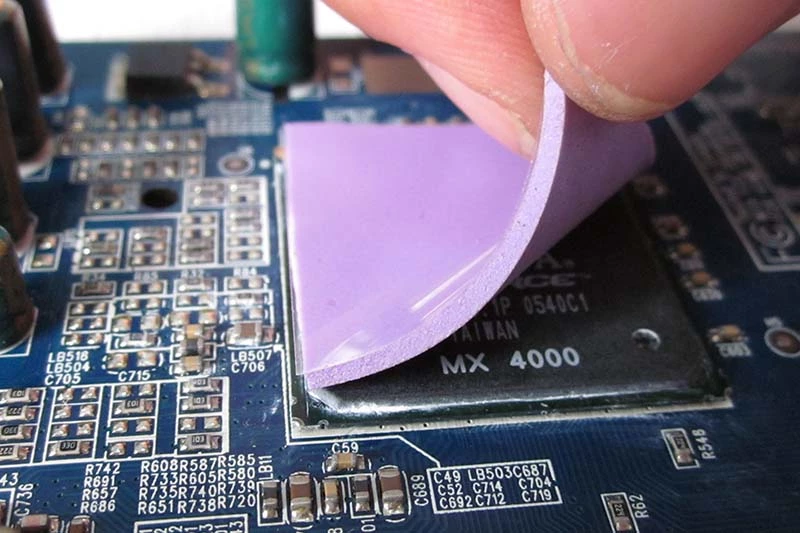
A Thermal gap filler built on silicone and elastomer chemistry focuses on:
Material behavior
· Flexibility and conformability for tight stacks
· Stable thermal conductivity across wide ranges
· Strong dielectric strength
Performance edge
· High temperature resistance in automotive ECUs
· Built-in vibration damping for rough environments
For brands like Sheen Technology, silicone-based thermal gap fillers balance softness and durability, making thermal interface alignment easier during assembly.
Ceramic-Infused Thermal Pads
Ceramic-enhanced Thermal gap filler pads rely on:
Core composition
· Ceramic particles inside a soft matrix
· Maintained electrical insulation
Functional gains
· Better heat transfer
· Controlled compressibility
· Long-term durability
Used as a thermal interface in LED drivers and power modules, this gap filler keeps heat moving without short risks.
Boron Nitride Gap Filling Compounds
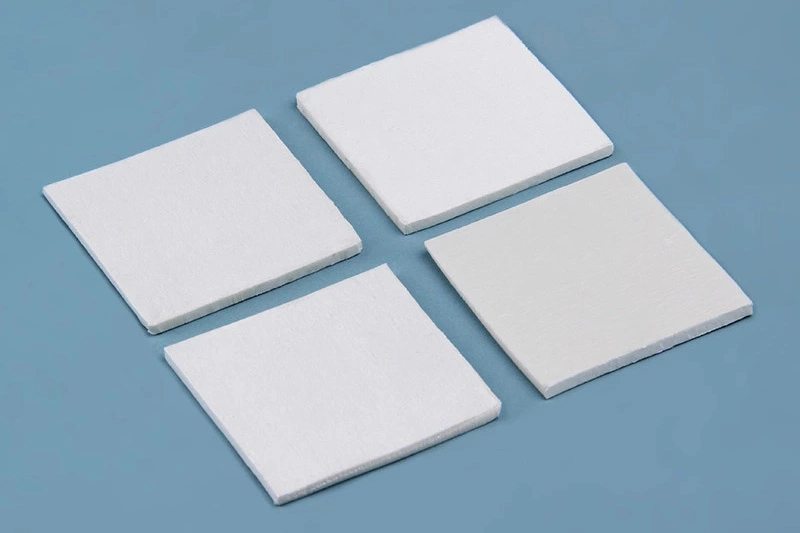
Built around boron nitride, this thermal gap compound delivers:
Material traits
· High thermal conductivity
· Reliable electrical insulator behavior
· High temperature stability
Chemical profile
· Chemical inertness
· Non-wetting surface
· Naturally low friction
For advanced applications, Sheen Technology tunes these fillers for high-frequency boards needing clean heat paths.
Aluminum Oxide Thermal Sheets
With aluminum oxide (or alumina) fillers, these thin sheets provide:
Electrical safety
· Strong electrical isolation
· High dielectric strength
Physical support
· Solid mechanical strength
· Consistent heat dissipation
As a cost-smart thermal gap filler, this format fits consumer devices requiring repeatable automated placement.
Acrylic & Polyurethane Gap Fillers
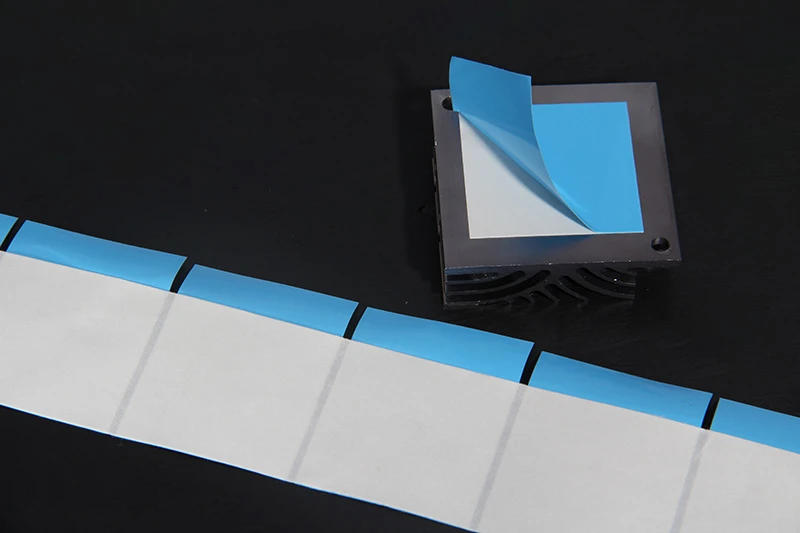
Acrylic and polyurethane-based thermal gap filler options focus on:
Processing perks
· Tuned adhesive properties
· Easy, conformable dispensing
· Often reworkable
Field performance
· Reliable vibration damping
· Strong environmental sealing
· Cost-effective scaling
When teams need a practical thermal interface material that sticks well and lasts, Sheen Technology offers gap filler systems ready for real-world stress.
Top 4 Factors When Choosing Gap Filler
Choosing the right Thermal gap filler isn’t just about specs on paper. In real devices, heat, voltage, vibration, and compliance rules all collide. A smart pick keeps temperature steady, protects circuits, and saves rework costs down the road.
Thermal Conductivity vs Thermal Impedance
When selecting a Thermal gap filler, heat flow depends on more than a single number.
Core performance factors
· thermal conductivity (W/m·K): bulk material ability for heat transfer
· thermal impedance (°C·cm²/W): real interface behavior
· thermal resistance: total opposition to heat dissipation
Interface realities
· Thickness increases thermal impedance
· Poor surface contact raises contact resistance
· Air gaps spike temperature
Quick comparison
| Thickness (mm) | Thermal Conductivity (W/m·K) | Thermal Impedance (°C·cm²/W) |
| 0.5 | 3.0 | 0.45 |
| 1.0 | 3.0 | 0.90 |
| 1.5 | 5.0 | 0.85 |
| 2.0 | 6.0 | 1.10 |
A high-conductivity gap filling material can still underperform if impedance is ignored.
Dielectric Strength and Volume Resistivity Criteria
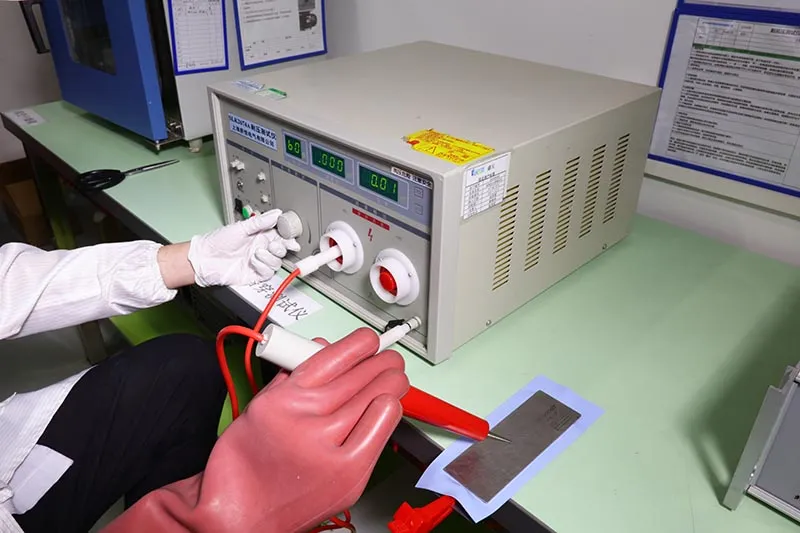
A Thermal gap filler must insulate as well as cool.
Electrical safety essentials
· High dielectric strength
· Stable volume resistivity
· Strong electrical insulation
Risk control
· Prevent leakage current
· Avoid low breakdown voltage
· Maintain reliable electrical properties
Application focus
· Power modules
· Automotive ECUs
· Telecom boards packed tight
For dense layouts, the thermal interface pad acts as both heat path and insulator.
Compressibility, Adhesion, and Mechanical Fit
Mechanical behavior often decides long-term stability.
Fit and tolerance control
· Proper compressibility supports gap filling
· Controlled material deformation ensures full surface contact
Bond reliability
· Balanced adhesion
· Durable bond strength
Physical durability
· Stable mechanical fit under vibration
· Consistent physical properties across cycles
A well-designed Thermal gap filler keeps contact tight even after thousands of thermal swings.
RoHS, REACH, and UL Certification Compliance
Compliance keeps products market-ready.
Regulatory alignment
· RoHS material restrictions
· REACH chemical reporting
· UL certification for product safety
Why it matters
· Meets environmental standards
· Follows global safety standards
· Avoids costly redesigns
Brands like Sheen Technology design each Thermal gap filler to match strict regulatory compliance demands. For engineers who want fewer headaches and smoother approvals, Sheen Technology keeps both performance and paperwork in check.
Preform Vs Liquid Gap Filler
Thermal gap filler sounds technical, but it’s really about keeping devices cool and stable. In electronics, heat builds up fast, and a reliable Thermal gap filler bridges tiny air spaces so heat can move out smoothly. Let’s break down how solid and liquid options stack up in real use.
Preform Gap Filler
When choosing a Thermal gap filler, many engineers prefer a solid format like a pad or sheet because control matters.

Material Form
· Die-cut shapes fit exact footprints
· Compressible structure adapts to stack tolerances
Performance Factors
· Stable thermal conductivity over time
· Clean assembly with low mess
· Easy, reworkable removal
Design Stage
· Measure gap height
· Select thickness range
Production Stage
· Place pre-cut part
· Apply controlled compression
Service Stage
· Remove and replace without residue
| Type | Thickness (mm) | Thermal Conductivity (W/m·K) | Compression Rate (%) |
| Pad A | 0.5 | 3.0 | 20 |
| Pad B | 1.0 | 5.0 | 30 |
| Sheet C | 1.5 | 6.0 | 35 |
| Sheet D | 2.0 | 8.0 | 40 |
A Thermal gap filler in preformed style keeps the thermal gap predictable, cuts dispensing errors, and helps manage shelf life. Many OEM lines working with Sheen Technology adopt this approach for stable, repeatable heat control.
Liquid Gap Filler
A Thermal gap filler in paste or gel form plays a different game. It’s dispensable, flowable, and great at void filling inside complex geometries.
Material Behavior
· Controlled viscosity for pump systems
· Defined cure time for takt balance
Application Flow
· Automated bead dispensing
· Natural spread under compression
Program dispensing path
· Calibrate volume
· Verify bead width
Apply to component
· Allow material to settle
Close housing
· Ensure even squeeze-out
Short story? A liquid Thermal gap filler hugs uneven surfaces better, reducing trapped air in tight thermal gap zones. In high-density boards where every millimeter counts, this style of gap filler improves contact and lowers thermal resistance.
Both forms serve the same mission—efficient heat transfer—but the right Thermal gap filler depends on geometry, speed, and service needs.
Which Filler Suits High-Power Electronics?
High-power devices run hot, plain and simple. Picking the right Thermal gap filler—from grease to pads to gels—keeps heat in check, protects circuits, and makes your thermal gap solution last longer without drama.
Selecting High-Conductivity Grease for Power Electronics
When CPUs and IGBTs spike in temperature, a Thermal gap filler in grease form steps up for tight interfaces and fast heat dissipation.
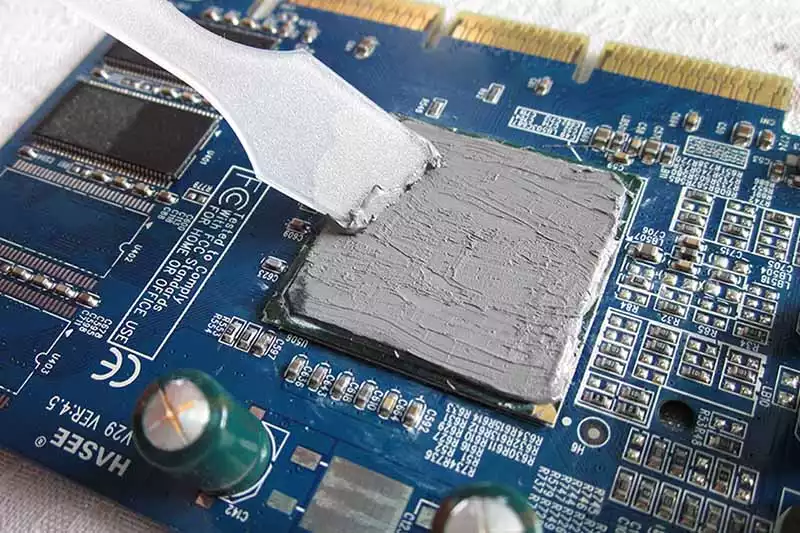
Material foundation
· thermal interface material design
· silicone-based, often non-curing
· Built for low thermal resistance
Performance priorities
· Stable electrical insulation
· Reduced pump-out under cycling
· Improved component reliability
Application focus
· Thin bond lines for MOSFETs
· Rework-friendly spread
· Compatible with automated dispensing
A well-formulated thermal gap filler grease keeps contact solid and heat moving. Sheen Technology fine-tunes viscosity so the Thermal gap filler stays put under pressure and time.
Ceramic Gap Pads for Automotive and LED Lighting
For rugged setups, a pad-style Thermal gap filler handles vibration and wide temperature swings.
Core properties
· High thermal conductivity
· Strong dielectric strength
· Balanced material composition
Mechanical behavior
· Smart conformability
· Built-in vibration damping
· Reliable shock absorption
Long-term stability
· Survives thermal cycling
· Consistent heat transfer
· Maintains insulation in compact thermal gap designs
In cars and high-brightness LEDs, a ceramic Thermal gap filler bridges uneven surfaces fast, no mess, no fuss.
Gel & Paste Solutions for Medical Device Heat Loads
Medical electronics call for a softer touch. A gel-type Thermal gap filler supports delicate components while managing steady heat flow.
· biocompatibility matters.
· low outgassing protects sensors.
· thermal stability keeps readings accurate.
1) Apply controlled thickness.
2) Confirm heat management across contact zones.
3) Allow easy removal for reworkability.
Soft interface, non-toxic chemistry, steady insulation resistance—that’s the vibe. Sheen Technology offers thermal gap filler gels that balance comfort and control, giving sensitive devices a safer path for heat to escape.
Long Cure Times? Fast-Curing Gap Fillers
Long cure cycles can seriously slow a production line. A well-designed Thermal gap filler changes that story by cutting wait time while keeping heat flow steady. By breaking down “thermal,” “gap,” and “filler,” we focus on heat transfer, space compensation, and material stability—core ideas behind every smart Thermal gap filler choice.
UV-Curable Acrylic Gel for Rapid Assembly
When speed drives rapid assembly, a UV-based acrylic gel works like this:
UV curing
Energy exposure
· Seconds-level curing speed
· Controlled depth reaction
Result
· Stable thermal interface
· Consistent bond line for each Thermal gap filler
Material properties
Flow behavior
· Precise dispensing into micro gaps
· Clean edges, less overflow
Thermal control
· Low impedance
· Reliable heat path across the thermal gap
For factories chasing manufacturing efficiency, Sheen Technology pairs UV systems with engineered gap filler chemistries so the Thermal gap filler locks in fast and stays put.
One-Minute Curing Silicone Pads for Automated Lines
In high-volume automated lines, speed and control sit side by side:
Silicone pads
One-minute curing
· Short dwell time
· Faster conveyor rhythm
Mechanical traits
· High compressibility
· Strong dielectric strength
Thermal management
· Even pressure spread
· Reliable gap filler material contact
This type of Thermal gap filler supports smoother manufacturing process flow. Sheen Technology fine-tunes pad thickness so every thermal gap is filled without slowing production speed.
Pot Life and Reworkability in High-Speed Manufacturing
Balancing pot life and cure rate takes careful tuning:
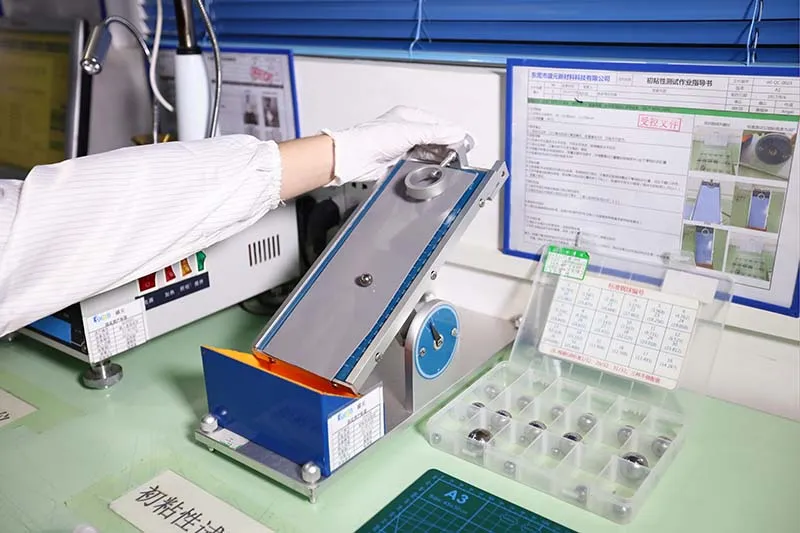
Mixing stage
· Stable viscosity
· Predictable material handling
Application stage
· Clean dispense of each Thermal gap filler
· Controlled spread across the thermal gap
Post-cure stage
· Practical reworkability
· Maintained adhesion and thermal resistance
In high-speed manufacturing, that balance keeps the assembly process steady. A dependable thermal interface gap filler shouldn’t trap you in repairs. With Sheen Technology, optimized formulas protect both production efficiency and long-term device cooling.
FAQs about Thermal Gap Filler
What determines the performance of a Thermal gap filler in Power Electronics and Automotive Electronics?
Performance stands on three pillars:
Thermal control
· High Thermal Conductivity lowers Thermal Resistance and Thermal Impedance.
· Stable Operating Temperature range prevents heat runaway in IGBTs and MOSFETs.
Electrical safety
· Strong Dielectric Strength and Breakdown Voltage guard against short circuits.
· High Volume Resistivity maintains insulation under load.
Mechanical contact
· Proper Compressibility fills uneven gaps.
· Balanced Hardness and Adhesion keep long-term interface stability.
A well-matched Silicone or Ceramic-filled Pad often makes the difference between stable output and repeated overheating alarms.
How does material composition influence hotspot reduction?
Hotspots form where contact fails or heat cannot spread fast enough. Material choice directly shifts that balance:
· Boron Nitride / Aluminum Oxide (Ceramic-filled) → higher Thermal Conductivity, faster Heat Dissipation.
· Silicone matrix → flexibility, better surface wetting, stable Insulation Resistance.
· Acrylic or Polyurethane systems → tailored Phase Change Temperature or controlled curing for tight assemblies.
In LED Lighting and Telecommunications racks, the right blend can cut peak temperature zones dramatically and extend component life.
Pad, Paste, Gel, or Grease: which form fits high-volume manufacturing?
Selection often follows production rhythm rather than theory.
| Form | Best For | Key Manufacturing Notes |
| Pad / Sheet | Automated Assembly lines | Clean handling, fixed Density, long Shelf Life |
| Paste / Grease | Reworkable Power Electronics | Easy Dispensing, good Reworkability |
| Gel / Liquid | Irregular surfaces | Controlled Viscosity, adaptable gap filling |
· Pads suit fast placement.
· Grease favors maintenance access.
· Liquids shine when geometry refuses to cooperate.
Why are curing speed and handling properties critical in mass production?
Cycle time is pressure. A slow material blocks the line.
· Short Curing time improves throughput.
· Managed Pot Life reduces waste.
· Stable Viscosity supports precise Dispensing.
· Consistent Tensile Strength prevents pump-out after compression.
In Consumer Electronics assembly, even a one-minute gain per unit reshapes total output.
Which certifications should buyers verify before bulk purchasing?
Compliance protects both brand and market access.
· RoHS / Halogen-free → environmental safety.
· REACH → smooth European distribution.
· UL Certification → validated electrical safety and Breakdown Voltage reliability.
· IPC Standards & ISO Certification → process consistency for Automotive Electronics and Medical Devices.
A Thermal gap filler is not just a material between surfaces—it is a silent contract between heat, electricity, and long-term trust.
Sheen Thermal
Dongguan Sheen Electronic Technology Co., Ltd · Founded in 2008
Manufacturer of thermal interface materials and silicone foam for automotive electronics, energy storage, power electronics, communications and consumer electronics.
Certified
- ISO 9001:2015
- ISO 14001:2015
- IATF 16949:2016
What we supply
- Thermal conductivity Up to 90 W/m·K
- Thickness 0.3–10.0 mm
- Custom & samples Die-cut to drawing, 3–7 days