
 English
 usheenthermal

How to Identify and Select the Best RoHS-Compliant Thermal Pastes
Date:2026-04-30
How to Identify and Select the Best RoHS-Compliant Thermal Pastes
Cut corners on thermal paste, and your entire production line pays the price. RoHS-compliant thermal pastes aren’t just a checkbox for auditors; they’re your ticket to safe exports, stable performance, and fewer 2 a.m. panic calls from the factory floor.
Pick the right formula, and you balance conductivity, insulation, and compliance without blowing the budget. Miss it, and you’re stuck reworking boards and explaining delays to clients.
Quick Answers: RoHS-compliant thermal pastes Unveiled
➔ Balance conductivity and insulation for efficient heat transfer without risking electrical shorts.
➔ Verify RoHS, REACH, and halogen-free certifications via MSDS and conflict minerals declarations.
➔ Choose viscosity and curing specs that suit your dispensing method and storage conditions.
➔ Match operating temperature range and phase-change properties to your CPU coolers, LEDs, or power electronics.
4 Factors For Choosing RoHS-Compliant Thermal Pastes
Choosing the right RoHS-compliant thermal pastes is not just about heat flow. It’s about safety, compliance, and long-term reliability. When selecting RoHS compliant thermal paste, thermal pastes for electronics, or compliant thermal interface materials, small details can make or break your device.
Balancing Thermal Conductivity with Electrical Insulation
When evaluating RoHS-compliant thermal pastes, balance sits at the core:
Heat Transfer Performance
Key Metrics
· thermal conductivity (W/m·K)
· thermal resistance (°C·cm²/W)
Goal
· Efficient heat transfer from chip to heatsink
· Stable thermal interface material layer
Electrical Safety
Critical Properties
· High electrical insulation
· Strong dielectric strength
· High electrical resistivity
Application Focus
· Power modules
· Sensitive semiconductor ICs
Practical Checkpoints
▸ Avoid metal-filled pastes if short-circuit risk exists
▸ Confirm insulation ratings in datasheets
▸ Test under real load conditions
Good RoHS compliant thermal paste should move heat fast while staying electrically quiet. That’s the sweet spot.
Ensuring RoHS Compliance and Halogen-Free Certification
Compliance is not optional with RoHS-compliant thermal pastes.
Regulatory Layer
RoHS compliance
· Limits on restricted substances
· Verification of lead-free status
REACH alignment
· Disclosure of hazardous materials
Environmental Credentials
· halogen-free declaration
Material traceability
· Third-party certification documents
Supplier Review Checklist
· MSDS accuracy
· Batch-level compliance reports
· Conflict mineral statements
Sheen Technology provides RoHS compliant thermal paste backed by updated compliance files, making audits less of a headache.
Evaluating Viscosity, Curing Time, and Shelf Life
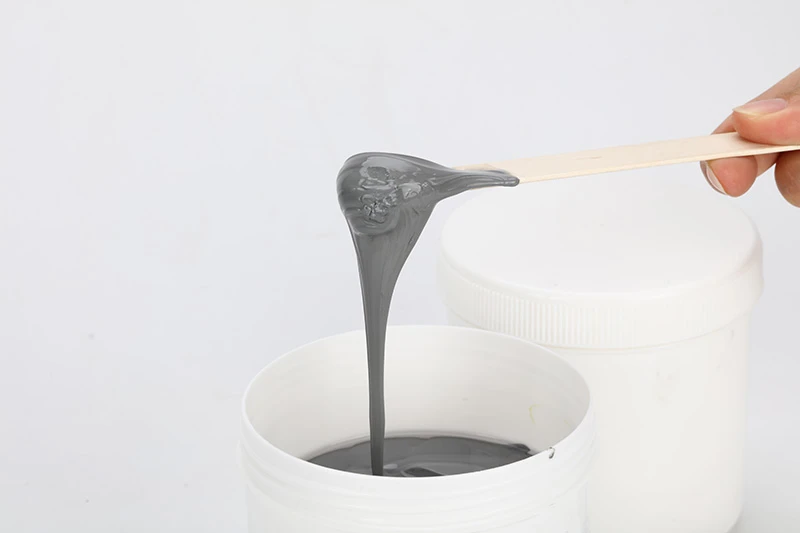
Performance on paper means little if the paste can’t be applied properly. With RoHS-compliant thermal pastes, processing behavior matters.
| Parameter | Typical Range | Test Standard | Impact on Application | Risk if Incorrect |
| viscosity (Pa·s) | 50–300 | ASTM D2196 | Controls dispensing flow | Pump clogging |
| curing time (min) | 5–60 | Manufacturer spec | Affects assembly speed | Incomplete bonding |
| shelf life (months) | 6–24 | Storage test | Inventory planning | Material waste |
| pot life (hours) | 1–8 | Process trial | Work window | Premature thickening |
| storage conditions (°C) | 5–25 | Stability test | material stability | Separation or drying |
Under the hood, rheology determines how the thermal paste spreads across surfaces. Too thick, and air gaps remain. Too thin, and pump-out happens during thermal cycling. Sheen Technology fine-tunes storage conditions and curing profiles to keep material stability tight.
Matching Operating Temperature Range to Application
Not all RoHS-compliant thermal pastes handle heat the same way.
Define application requirements
· CPU coolers
· LED modules
· Automotive ECUs
Confirm operating temperature limits
· Continuous temperature range (e.g., -40°C to 200°C)
· Resistance to extreme temperatures
Assess durability factors
· thermal cycling endurance
· Long-term reliability under vibration
· Sustained thermal stability
For high-load chips, the thermal paste must stay stable after thousands of heating and cooling cycles. That’s where a proven RoHS compliant thermal paste from Sheen Technology earns its keep—steady heat flow, no surprises, and compliance locked in.
Types Of Thermal Paste Materials
Thermal paste isn’t just gray goo squeezed onto a chip. The material type changes heat flow, safety, and compliance. If you’re sourcing RoHS-compliant thermal pastes, knowing the differences helps you pick smarter and avoid costly rework later.
Silicone-Based Thermal Grease
Silicone systems built on Silicone polymer chemistry remain a go-to for RoHS-compliant thermal pastes in consumer electronics.
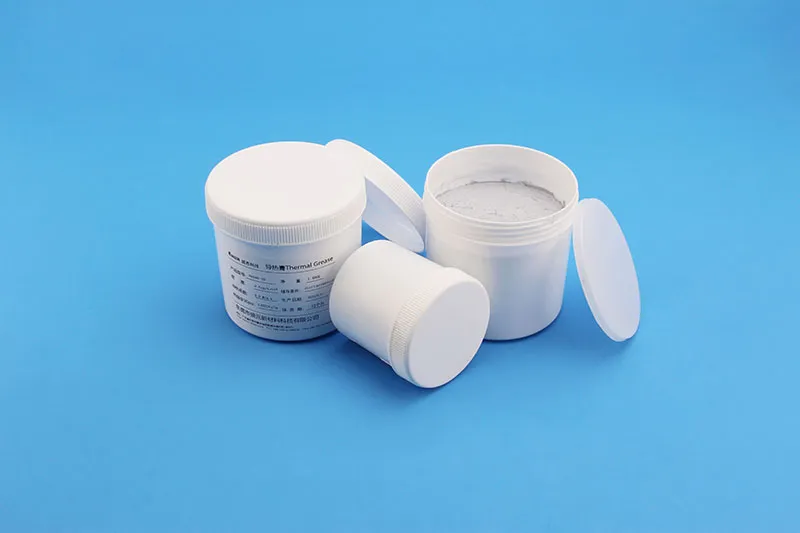
Core material traits
Base: Silicone polymer matrix
· Maintains Grease consistency across wide temperatures
· Supports steady Thermal conductivity
Electrical profile
· Strong Dielectric properties
· Safe for compact PCB layouts
Compliance and durability
Formulation style
· Non-curing behavior prevents cracking
· Easy rework during maintenance
Regulatory fit
· Designed for RoHS compliance
· Common in compliant thermal paste lines
For brands like Sheen Technology, this type balances stable Heat dissipation with long shelf life, making RoHS-compliant thermal pastes practical for mass production.
Ceramic-Filled Thermal Compounds
These mixes rely on Ceramic particles suspended in a Compound matrix. Typical fillers include Aluminum oxide and Boron nitride.
· Non-electrical conductive and safe around traces
· Strong Electrical insulator performance
· Lower Thermal resistance at tight interface gaps
Short story: solid insulation, steady heat flow. Great for power modules needing compliant thermal paste without electrical risk.
“Environmental compliance is now a baseline requirement for electronics supply chains,” notes the 2025 IPC Global Electronics Sustainability Outlook, highlighting growing demand for certified materials.
That’s why RoHS-compliant thermal pastes with ceramic fillers keep gaining traction.
Metal-Filled Thermal Pastes
When heat loads spike, Metallic particles step in.
Filler composition
Silver content or Aluminum content
· Drives High thermal conductivity
· Improves tight Interface contact
Electrical impact
Often Electrically conductive
· Careful masking required
· Not ideal for exposed pads
Some advanced versions resemble Liquid metal, pushing heat transfer hard. Sheen Technology offers compliant thermal paste options here too, but proper insulation planning is key when selecting RoHS-compliant thermal pastes with metal fillers.
Phase Change Materials
These materials shift from solid to soft at a set Melting temperature, triggering a Phase transition.
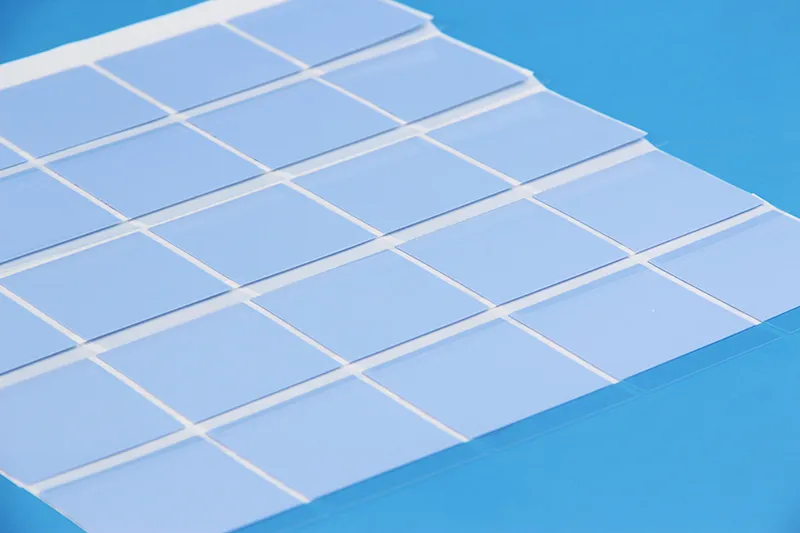
Material science
Wax formulation or Polymer blend
· Moves from Solid-liquid state during operation
· Enhances Gap filling
Performance cycle
During Thermal cycling
· Reflows slightly
· Supports long-term Interface optimization
The result is cleaner assembly, reduced pump-out, and dependable heat flow in CPUs and power modules using RoHS-compliant thermal pastes designed for smart compliance and steady output.
Metallic Vs Ceramic Vs Silicone Pastes
Choosing the right RoHS-compliant thermal pastes can feel a bit like picking tires for a race car—each type grips heat differently. From metallic blends to ceramic mixes and silicone bases, every option balances performance, safety, and cost. Let’s break down how RoHS compliant thermal pastes behave in real-world electronics.
Metallic Pastes
When heat is brutal and performance is king, metallic options stand out among RoHS-compliant thermal pastes.
Core Material Composition
· Liquid metal and gallium alloys dominate high-end blends.
· These materials boost thermal conductivity to extreme levels.
· Higher electrical conductivity can increase short-circuit risk if misapplied.
Performance Characteristics
· Designed for high performance CPUs and GPUs.
· Ultra-low thermal resistance supports tight overclocking margins.
· Long-term stability depends on careful surface prep.
Risk & Application
· Potential corrosion risk with aluminum heatsinks.
· Demands precise application control.
· Preferred in advanced builds backed by Sheen Technology testing protocols.
Ceramic Pastes
Ceramic blends hit a sweet spot in RoHS compliant thermal pastes.
Material Structure
· Filled with metal oxides for steady thermal conductivity.
· Built for strong electrical insulation and high dielectric strength.
· Naturally non-conductive, lowering hardware risk.
Practical Advantages
· Solid stability under daily load cycles.
· Straightforward application process.
· Often more cost-effective than liquid metal.
According to a 2025 IPC electronics materials outlook, demand for electrically insulated, RoHS compliant thermal paste solutions continues to rise in consumer and automotive electronics due to stricter safety compliance.
Sheen Technology formulates ceramic-based RoHS-compliant thermal pastes for sensitive semiconductor assemblies where safety matters just as much as heat flow.
Silicone Pastes
Silicone-based RoHS-compliant thermal pastes are the everyday workhorse.
Base Chemistry
· Built on a flexible silicone base.
· Balanced thermal conductivity and electrical insulation.
· Smooth viscosity for easy spread.
Performance in Use
· Great ease of application for technicians.
· Reliable long-term stability across wide temperatures.
· Ideal for general purpose cooling.
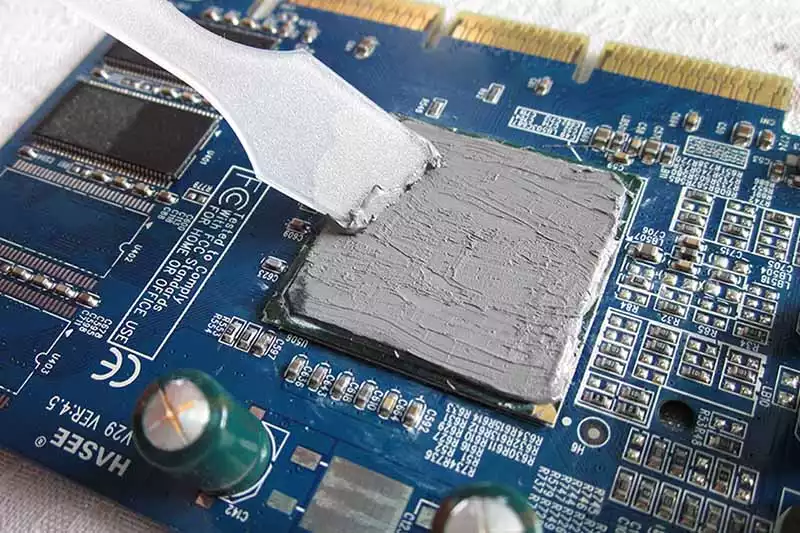
Functional Benefits
· Maintains flexibility during thermal cycling.
· Works well in CPU coolers and embedded boards.
· Frequently selected in RoHS thermal paste lines produced by Sheen Technology.
From extreme builds to daily devices, picking the right RoHS compliant thermal pastes keeps heat in check and hardware happy.
Data Center Builds: Optimal Paste Choices
Modern data centers run hot, nonstop. Choosing RoHS-compliant thermal pastes isn’t just about rules; it’s about steady uptime, clean materials, and serious cooling muscle for packed racks.
High Heat Dissipation Capability for Server Racks
Dense racks push server components hard, so RoHS-compliant thermal pastes must drive efficient heat transfer across every interface material layer.
Material Core Performance
1.1 Thermal conductivity range
· 8–15 W/m·K suits high-density CPUs
· Lower thermal resistance improves thermal performance
1.2 Contact Efficiency
· Smooth bond to heat sink base
· Reduced air gaps for stronger dissipation
Rack-Level Impact
2.1 Node Stability
· Balanced temperature across blades
2.2 Power Electronics
· Stable load handling under peak draw
| Paste Type | Thermal Conductivity (W/m·K) | Thermal Resistance (°C·cm²/W) | Operating Temp (°C) | Pump-Out Rate (%) |
| Standard Silicone | 4.5 | 0.18 | -40~150 | 6.5 |
| Enhanced Ceramic | 8.2 | 0.11 | -40~180 | 4.2 |
| Metal Hybrid | 12.5 | 0.07 | -50~200 | 3.1 |
| Advanced RoHS-compliant thermal pastes | 14.8 | 0.05 | -50~220 | 2.4 |
When racks stay cooler, fans chill out too. That’s real-world thermal performance gains.
Automated Application Methods for Large-Scale Deployment
Scaling up means smart automation and steady dispensing. With RoHS compliant thermal pastes, flow behavior must align with robotics and fast assembly lines.
Manufacturing Alignment
1.1 Viscosity Control
· Supports precision application process
· Prevents overflow during screen printing
1.2 Pattern Accuracy
· Even spread ensures consistency
Production Efficiency
· Fewer reworks
· Cleaner manufacturing floors
· Better throughput
In high-volume builds, RoHS-compliant thermal pastes that handle automated dispensing reduce waste and boost line efficiency without slowing things down.
Long-Term Thermal Stability Under Continuous Load
Data centers don’t sleep. RoHS-compliant thermal pastes must survive long continuous operation with zero drama.
Material Durability
1.1 Resistance to aging
1.2 Low degradation under heat
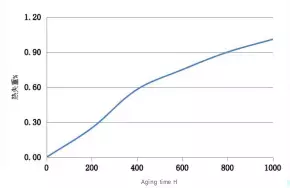
| Sheen technology SG560-10 Thermal paste High-Temperature Aging Test Results | |||||||||
| Aging Duration(H) | 0 | 200 | 400 | 600 | 800 | 1000 | Change Rate (1000 Hours) | Acceptance Criteria | Result |
| Thermal Resistance(℃*in²/W) | 0.06975 | 0.08018 | 0.08246 | 0.08717 | 0.09615 | 0.1046 | +50% | Increase ≤ 2x | OK |
| Thermogravimetric Analysis(%) | 0 | 0.25% | 0.58% | 0.75% | 0.9% | 1.01% | -1.01% | ≤20% | OK |
 |
 |
||||||||
Conclusion: After 1,000 hours, thermal resistance increased by 50% and thermal weight loss was 1.01%; the high-temperature aging test was passed.
Reliability Metrics
· Stable thermal resistance after 1,000+ thermal cycles
· Minimal pump-out during thermal cycling
Lifecycle Outcomes
· Extended component lifespan
· Stronger system reliability
· Predictable cooling performance
RoHS thermal paste that maintains structure under pressure protects both silicon and budget. Over time, that steady reliability makes all the difference.
FAQs about RoHS-Compliant Thermal Pastes
What should engineers evaluate when selecting RoHS-compliant thermal pastes for semiconductor devices?
Choosing the right RoHS-compliant thermal paste affects reliability more than many expect. Key checkpoints include:
Thermal Performance Characteristics
· Thermal Conductivity and Thermal Resistance define real heat flow from Semiconductor Devices to Heat Sinks.
· Low Thermal Impedance supports stable Heat Dissipation Capability in CPU Coolers and Power Electronics.
· Operating Temperature Range and Thermal Stability must match continuous load conditions.
Electrical Properties
· Electrical Insulation, Dielectric Strength, and Volume Resistivity protect sensitive Integrated Circuits.
· Non-conductive grades reduce risk in tight Electronic Assemblies.
Regulatory & Documentation
· Confirm RoHS Compliance, REACH Compliance, Halogen-Free status.
· Review the Material Safety Data Sheet (MSDS) and Conflict Minerals declarations.
A careful match between thermal demand and compliance documentation prevents costly redesigns later.
How do viscosity and curing behavior influence large-scale dispensing?
In production, flow behavior can make or break yield.
Viscosity controls the Dispensing Method:
· Low viscosity suits Automated Application and Screen Printing.
· Higher viscosity improves gap filling but needs precise pressure control.
Curing Time & Curing Process
· Short, predictable Curing Time speeds throughput.
· Stable Adhesion reduces pump-out under thermal cycling.
Storage & Handling
· Proper Storage Conditions protect Shelf Life and prevent separation.
· Low Volatile Organic Compounds (VOCs) support Environmental Regulations and worker safety.
When viscosity and curing are balanced, application becomes consistent, clean, and repeatable across thousands of units.
How do material formulations differ in thermal and electrical performance?
Material choice shapes both heat flow and safety margins.
| Formulation Type | Thermal Performance Characteristics | Electrical Properties | Typical Applications |
| Metal-filled Thermal Compound | High Thermal Conductivity, strong Heat Dissipation Capability |
Lower Electrical Insulation, reduced Breakdown Voltage |
Server CPUs, high-load Heat Sinks |
| Ceramic-filled Thermal Grease | Balanced Thermal Resistance, stable Thermal Stability |
High Dielectric Strength, Non-conductive, strong Corrosion Resistance |
LED Lighting Modules, Integrated Circuits |
| Silicone-based (or Non-silicone) | Wide Operating Temperature Range, flexible under cycling |
Good Volume Resistivity, stable insulation | Power Electronics, mixed Electronic Assemblies |
Metal-filled grades push raw performance, ceramic-filled options protect delicate circuits, and Silicone-based systems offer elasticity across thermal swings. The right choice depends on heat intensity, insulation needs, and long-term reliability expectations.
Sheen Thermal
Dongguan Sheen Electronic Technology Co., Ltd · Founded in 2008
Manufacturer of thermal interface materials and silicone foam for automotive electronics, energy storage, power electronics, communications and consumer electronics.
Certified
- ISO 9001:2015
- ISO 14001:2015
- IATF 16949:2016
What we supply
- Thermal conductivity Up to 90 W/m·K
- Thickness 0.3–10.0 mm
- Custom & samples Die-cut to drawing, 3–7 days