
 English
 usheenthermal

How to Conduct Lifespan Testing of Insulating Thermal Sheets
Date:2026-03-31
How to Conduct Lifespan Testing of Insulating Thermal Sheets
Lifespan testing of insulating thermal sheets is where quiet materials face their trial by fire. One tiny crack, one slow fade in thermal conductivity, and your high power system goes from hero to headache. It’s like buying a raincoat that looks sharp—until the storm hits.
UL reminds manufacturers that insulation failure remains a leading contributor to electrical faults in power equipment. That’s not drama. That’s data.
For procurement teams and engineers, this isn’t lab trivia. It’s insurance. Real-world heat cycles, humidity swings, voltage stress—pushed hard on purpose—so nothing slips through the cracks later. Because when your product ships, there’s no reset button.
Key Highlights: Lifespan Testing of Insulating Thermal Sheets
➔ Verify thermal conductivity, dielectric strength and flammability against certification standards through controlled aging tests.
➔ Predict real-world performance by simulating humidity cycling, thermal shock and sustained temperature exposure.
➔ Equip test chambers with UV/vibration modules, precision temperature control and defect detection sensors.
➔ Automate logging of conductivity, moisture and temperature trends to ensure batch consistency and early fault detection.
Why Conduct Lifespan Testing Of Insulating Thermal Sheets?
Lifespan testing of insulating thermal sheets sounds technical, yet it’s really about peace of mind. When thermal insulation sheets sit next to hot chips and high voltage parts, small failures turn into big headaches. By breaking down lifespan, testing, insulating, thermal, and sheets, teams can track durability, heat resistance, and insulation strength in real time. Repeated Lifespan testing of insulating thermal sheets also supports smarter material choices and steadier product performance.
Ensuring Reliability Assessment and Certification Standards
In Lifespan testing of insulating thermal sheets, proving Reliability and Compliance goes beyond a quick lab check.
Core Testing Domains
1.1 Electrical Integrity
· Dielectric breakdown voltage
· Insulation resistance drift
1.2 Thermal Stability
· Thermal conductivity shift after aging
· Heat exposure at rated temperature
1.3 Fire Safety
· Flammability class verification
· Flame spread timing
Certification Alignment
2.1 Map results to Standards (UL, IEC)
2.2 Document Assessment procedures for audit trails
2.3 Validate repeatability for long-term Performance
| Test Item | Initial Value | After 1000h Aging | Standard Limit |
| Dielectric Strength (kV) | 6.5 | 6.1 | ≥5.0 |
| Thermal Conductivity (W/mK) | 1.8 | 1.7 | ±10% change |
| Insulation Resistance (MΩ) | 5000 | 4200 | ≥1000 |
This layered check keeps insulation sheets aligned with certification demands and avoids nasty surprises in the field.
Predicting Thermal Degradation under Real-World Loads
Real gear runs hot, shakes, and faces moisture. Thermal Degradation under Real-World Loads needs structured Prediction backed by stress data.
Environmental Stress Mapping
1.1 Temperature Cycling:−40°C to 150°C loops
1.2 Humidity Soak:85°C / 85% RH exposure
1.3 Mechanical Vibration:Random frequency sweeps
Degradation Indicators
2.1 Surface discoloration
2.2 Crack initiation near edges
2.3 Drop in dielectric margin
Durability Evaluation Path
3.1 Measure baseline
3.2 Apply combined Stress factors
3.3 Compare post-test Performance
Consistent Lifespan testing of insulating thermal sheets reveals how insulating thermal materials behave when pushed hard, helping teams forecast failure windows instead of guessing.
Aligning Material Properties with Application Requirements
No single insulating sheet fits every job. Matching Material Properties to Application Requirements keeps designs practical.
Material Selection Logic
1.1 Polymer Base
· Silicone for flexibility
· Polyimide for high heat
1.2 Filler System
· Ceramic for conductivity
· Glass fiber for strength
Functional Matching
2.1 Heat dissipation targets
2.2 Electrical isolation distance
2.3 EMI shielding needs
Design Integration
3.1 Thickness tolerance control
3.2 Compression set behavior
3.3 Long-term Compatibility with housings
Through repeated Lifespan testing of insulating thermal sheets, teams confirm Suitability, refine Design, and protect real-world Functionality. In short, thermal insulation sheet testing turns lab numbers into reliable hardware that just keeps working.
3 Key Parameters In Thermal Sheet Tests
Lifespan testing of insulating thermal sheets sounds technical, yet it’s really about checking how long materials stay safe and stable. From heat flow to moisture stress, every metric matters in real-world insulating thermal sheet lifespan testing.
Thermal Conductivity: Measuring Heat Dissipation Efficiency
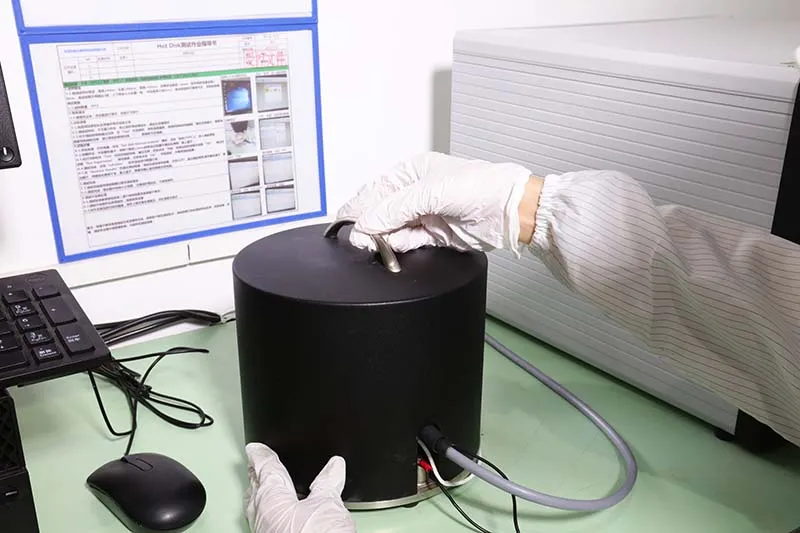
In Lifespan testing of insulating thermal sheets, tracking thermal conductivity keeps heat under control and avoids silent failures.
Core evaluation logic
· Thermal conductivity and heat dissipation
· Measure heat flux under fixed temperature gradient
· Compare changes after thermal aging
Thermal resistance
· Analyze layer thickness impact
· Record interface loss after lamination
Material properties
· Filler dispersion uniformity
· Resin matrix stability
Test Data from Insulating Thermal Sheet Lifespan Testing
| Sample | Thermal Conductivity (W/m·K) | Thermal Resistance (°C·cm²/W) | Aging Time (hrs) |
| A1 | 1.8 | 0.42 | 0 |
| A2 | 1.6 | 0.48 | 500 |
| A3 | 1.5 | 0.51 | 1000 |
| A4 | 1.3 | 0.60 | 1500 |
In thermal sheet lifespan testing, even a small dip in conductivity can shift long-term material properties.
Dielectric Strength and Electrical Breakdown Voltage
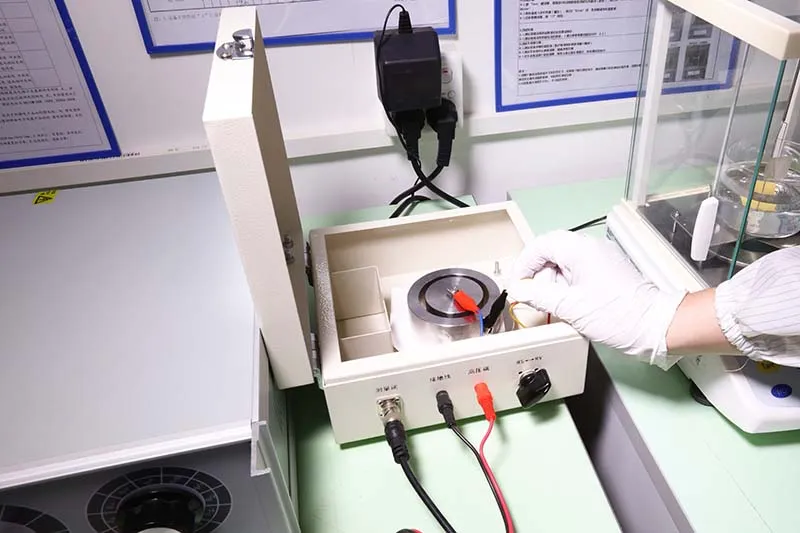
For Lifespan testing of insulating thermal sheets, electrical safety is non negotiable.
Key checks:
· Dielectric strength
· Breakdown voltage
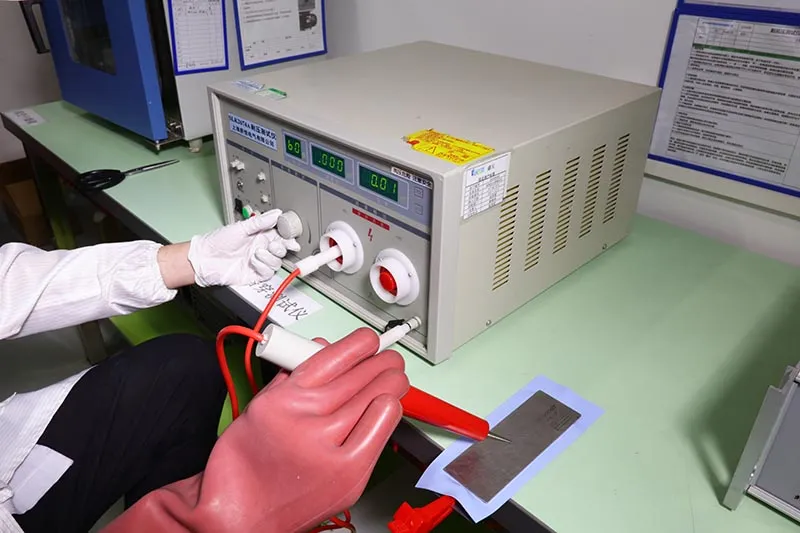
Electrical insulation stability
· Apply rising voltage stress under controlled humidity.
· Record failure point across varied thickness.
· Re-test after thermal cycling.
When insulation integrity drops, overall electrical performance follows. That’s why lifespan testing of insulating thermal sheets must simulate damp storage and real load swings. Sheen Technology fine-tunes sheet thickness and curing control so breakdown margins stay solid during extended insulating material lifespan testing.
Operating Temperature Range Coupled with Moisture Absorption
In Lifespan testing of insulating thermal sheets, heat and humidity team up to test limits.
Environmental interaction
Operating temperature extremes
· Low-temp brittleness
· High-temp creep
Moisture absorption
· Weight gain tracking
· Dimensional shift rate
Stress simulation
· Thermal cycling
· Rapid ramp
· Hold phase
· Humidity soak
Long exposure drives material degradation and affects long-term stability. Sheen Technology designs validation plans that mirror real insulating thermal sheet lifespan testing conditions, keeping performance steady even when the weather turns rough.
Components Of A Test Chamber Setup
A solid lab setup makes Lifespan testing of insulating thermal sheets feel less like guesswork and more like proof. When insulation lifespan testing meets real-world stress, the data speaks loud and clear—no fluff, just facts.
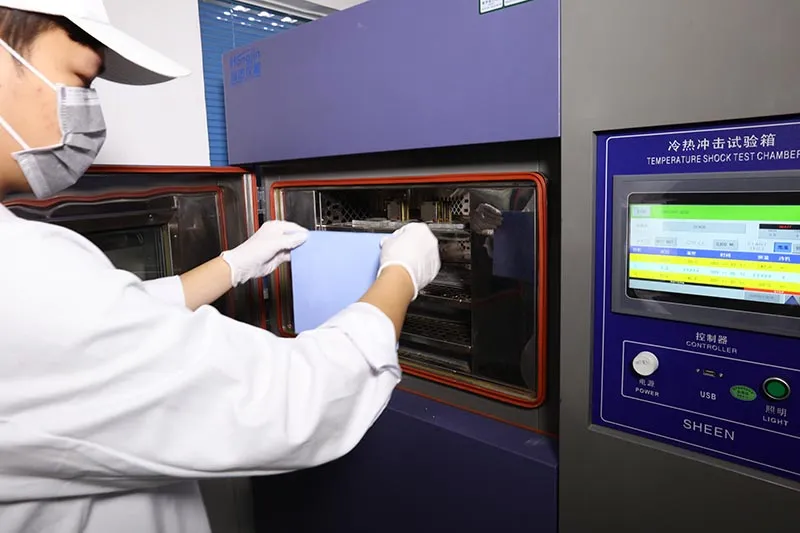
Humidity Cycling and Thermal Shock Modules
For accurate Lifespan testing of insulating thermal sheets, environmental stress must hit hard and stay controlled.
Core stress drivers:
· humidity control for moisture balance
· temperature cycling across extreme bands
· Rapid thermal shock transitions
Nested validation flow:
Moisture Phase
a. Simulated moisture ingress
b. Surface condensation buildup
Freeze Phase
a. Rapid freeze-thaw cycles
b. Crack mapping under environmental stress
Recovery Phase
a. Structural rebound check
b. Insulation lifespan tracking
This cycle defines true thermal sheet durability testing.
UV Exposure and Vibration Testing Integration
Material aging is rarely gentle. UV plus motion tells the real story.
| Test Cycle | UV Intensity (W/m²) | Vibration (Hz) | Duration (hrs) |
| A1 | 0.55 | 20 | 72 |
| A2 | 0.70 | 35 | 96 |
| B1 | 0.85 | 50 | 120 |
| B2 | 1.00 | 65 | 144 |
Evaluation layers:
· UV radiation under solar simulation
· Coupled vibration testing for mechanical stress
· Tracking material degradation and surface cracking
· Accelerated weathering impact on insulating thermal sheets lifespan testing
Sheen Technology integrates these modules to tighten insulation durability metrics without wasting lab hours.
Precision Temperature Control and Surface Treatment
Consistent heat matters. Tiny shifts ruin data.
Control stack:
· ±0.3°C temperature accuracy
· Even-air uniform heating
· Calibrated thermal conductivity readings
Surface durability check:
· surface modification after curing
· heat aging validation
· Monitoring insulation performance inside a controlled environment
This keeps Lifespan testing of insulating thermal sheets honest and repeatable.
Defect Detection Sensors and Material Traceability
Breakdowns hide small at first.
Detection hierarchy:
Level 1
· visual inspection
· Batch material identification
Level 2
· thermal imaging scans
· Embedded non-destructive testing
Level 3
· Digital batch tracking
· Root-cause failure analysis
Data feeds into lifecycle insulation testing dashboards, locking in quality control.
At Sheen Technology, Lifespan testing of insulating thermal sheets connects every sensor, every cycle, and every sheet—so nothing slips through the cracks.
Accelerated Vs Real-Time Aging Tests
Lifespan testing of insulating thermal sheets sounds technical, yet it’s really about knowing how long materials can hold up in real life. From insulating thermal sheets lifespan checks to full thermal sheet durability evaluation, this work keeps products honest and safe.
Accelerated Aging Tests
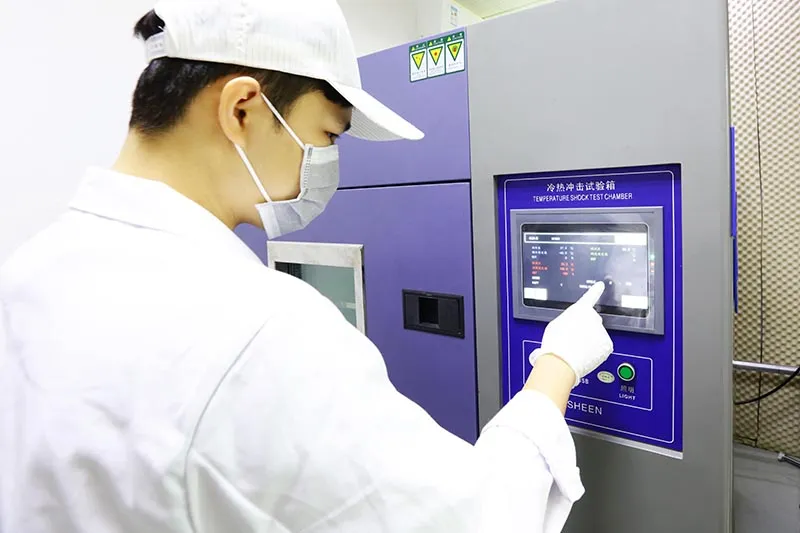
When running Lifespan testing of insulating thermal sheets under compressed timelines, labs push materials hard. The aim is simple: reveal weak points fast without waiting years.
Core stress factors in accelerated programs
temperature stress
· High-heat exposure above rated limits
· Rapid thermal cycling between extreme ranges
humidity exposure
· Saturated chamber conditioning
· Condensation-driven surface breakdown
UV radiation
· Simulated sunlight intensity
· Surface cracking and color shift
Material response tracking
· Chemical changes
· oxidative degradation rates
· Mechanical shifts
· material fatigue under repeated expansion
In practice, accelerated Lifespan testing of insulating thermal sheets compresses ten years into months. Insulating thermal sheets lifespan predictions come from correlating stress intensity with degradation curves. Sheen Technology applies strict control over chamber calibration, so insulating sheet life testing reflects real operating margins, not lab guesswork.
Real-Time Aging Tests
Real-time Lifespan testing of insulating thermal sheets plays the long game. Materials sit in normal service settings while engineers log gradual change.
Field validation layers
environmental monitoring
· Outdoor sensors for heat and moisture
· Indoor load tracking
natural weathering
· Seasonal expansion cycles
· in-situ testing
· Installed panel inspections
Data interpretation
· degradation kinetics modeling
· service life prediction updates
“Long-duration material validation is increasingly critical as end-users demand traceable durability data,” notes the 2025 Global Insulation Materials Outlook by MarketsandMarkets, highlighting the shift toward extended performance verification.
Here, Lifespan testing of insulating thermal sheets confirms what accelerated trials predict. Thermal insulation lifespan testing links lab forecasts with field proof. Sheen Technology combines both paths, giving clients confidence that insulating thermal sheets lifespan claims match real-world wear, not just accelerated charts.
High-Power Electronics: Thermal Sheet Lifespan
High-power devices run hot, loud, and under pressure. That’s why Lifespan testing of insulating thermal sheets matters so much. From insulating layers to heat spreaders, every detail counts. Real-world thermal sheet lifespan testing, insulating thermal sheet aging checks, and full Lifespan testing of insulating thermal sheets help engineers avoid surprise failures and costly downtime.
EMI Shielding and Insulation Breakdown Prevention
When handling Lifespan testing of insulating thermal sheets, electrical stability sits at the core:
Electrical Protection Layer
EMI shielding effectiveness
· Attenuation stability under high frequency
· Long-term drift in electrical conductivity
Dielectric strength
· Resistance to partial discharge
· Margin before breakdown voltage
Insulation Reliability
Insulation resistance
· Humidity exposure impact
· Surface contamination risks
Aging Factors
· Material degradation over thermal cycling
· Conductive filler migration
Consistent insulating thermal sheet durability testing reduces arc risk and keeps high-voltage boards steady. Sheen Technology aligns Lifespan testing of insulating thermal sheets with strict dielectric validation so insulation holds up when power spikes hit.
Managing Thermal Management at High Power Densities
Heat is the silent killer, so Lifespan testing of insulating thermal sheets must examine thermal flow:
Heat Transfer Core
Thermal conductivity
· Filler dispersion uniformity
· Interface void control
Thermal resistance
· Contact pressure sensitivity
· Aging after thermal cycling
Interface Stability
· Pump-out control in thermal interface material
· Long-term heat dissipation balance
Ongoing thermal sheet lifespan testing shows how insulating thermal sheets react when watts stack up. Done right, Lifespan testing of insulating thermal sheets prevents overheating drift that slowly cooks components.
Avoiding Cracking and Delamination under Load
Mechanical fatigue sneaks in during vibration and expansion:
Tensile strength
· Pull resistance after aging
· Fiber alignment impact
Flexural modulus
· Bend tolerance in compact layouts
Adhesion strength
· Bond line thickness control
· Peel resistance trends
Delamination resistance
· Voids after thermal shock
· Cycles to failure and fatigue life
Thermal expansion matching
· Substrate CTE comparison
· Crack initiation points under mechanical stress
Practical insulating thermal sheet life testing keeps cracking from creeping in. With disciplined Lifespan testing of insulating thermal sheets, Sheen Technology supports longer service cycles and fewer field returns.
FAQs about Lifespan Testing of Insulating Thermal Sheets
Why is lifespan testing of insulating thermal sheets critical for large-scale projects?
Lifespan testing of insulating thermal sheets protects buyers from silent failure in high power systems where heat dissipation and electrical insulation cannot falter.
It confirms:
· Stable thermal conductivity for continuous thermal management
· Reliable dielectric strength and electrical breakdown voltage under stress
· Compliance with certification standards and documented material traceability
Behind the report lies deeper control:
Material composition check
· Polymer type and filler materials
· Reinforcement fibers and additive compounds
Manufacturing discipline
· Extrusion method stability
· Lamination technique precision
· Tight sheet thickness control
Quality assurance loop
· Batch consistency tracking
· Defect detection before shipment
· Ongoing reliability assessment
Without this chain, risks such as insulation breakdown, delamination, and thermal degradation surface long after installation—when repairs are costly and reputations are at stake.
How do accelerated aging and real-time tests predict field performance?
Accelerated aging compresses years into months by intensifying stress:
· ↑ Temperature for operating temperature range validation
· ↔ Humidity cycling to expose moisture absorption and dimensional instability
· ⇄ Thermal shock to trigger cracking and delamination
· ⚡ Electrical stress for dielectric strength limits
· ☀ UV exposure and vibration testing for surface and structural fatigue
Real-time testing runs alongside it, quietly verifying tensile strength, flammability rating stability, and long-term thermal conductivity drift.
| Test Focus | Stress Method | Failure Modes Observed |
| Thermal load | Thermal shock | Cracking, thermal degradation |
| Moisture stress | Humidity cycling | Discoloration, dimensional instability |
| Electrical load | Breakdown voltage test | Insulation breakdown |
| Mechanical stress | Vibration testing | Delamination |
The tension lies in comparison: accelerated data predicts; real-time data confirms. When both align, performance validation becomes credible.
Which properties matter most for high-power electronics applications?
High-power density systems demand balance—thermal control without electrical risk, strength without added bulk.
Core material properties include:
· Thermal conductivity → efficient heat dissipation
· Dielectric strength → safe electrical insulation
· Flammability rating → controlled risk under overload
· Moisture absorption control → environmental sealing stability
· Tensile strength → mechanical support under compression
These depend on tightly managed variables:
Composition
· Optimized filler materials for EMI shielding
· Stable curing agents and substrate material
Process control
· Precise curing parameters
· Surface treatment for bonding integrity
· Controlled coating application
Application alignment
· Thermal management in confined spaces
· Resistance to cracking under vibration
When lifespan testing validates this chain, the sheet becomes more than insulation—it becomes a guarded barrier against failure in heat intense environments.
Sheen Thermal
Dongguan Sheen Electronic Technology Co., Ltd · Founded in 2008
Manufacturer of thermal interface materials and silicone foam for automotive electronics, energy storage, power electronics, communications and consumer electronics.
Certified
- ISO 9001:2015
- ISO 14001:2015
- IATF 16949:2016
What we supply
- Thermal conductivity Up to 90 W/m·K
- Thickness 0.3–10.0 mm
- Custom & samples Die-cut to drawing, 3–7 days