
 English
 usheenthermal

Insulating Thermal Sheet vs Thermal Paste Comparison: Key Differences
Date:2026-03-31
Insulating Thermal Sheet vs Thermal Paste Comparison: Key Differences
Heat is the silent deal breaker in electronics, and the Insulating thermal sheet vs thermal paste comparison sits right at the nerve center of that drama. I’ve watched purchasing teams sweat bullets when a design runs hot, safety margins shrink, and deadlines keep ticking. Pick the wrong material, and costs creep, failures whisper, reputations wobble.
A small choice. Big consequences.
On busy factory floors and in clean labs, this call shapes uptime, compliance, and warranty sleep at night. Sheets promise order and insulation; paste plays the speed demon for heat flow. The pages ahead cut through the noise and get straight to the call your project can’t dodge.
Types Of Thermal Interface Materials
When people search for an Insulating thermal sheet vs thermal paste comparison, they’re usually stuck between clean installation and raw performance.
Thermal Paste
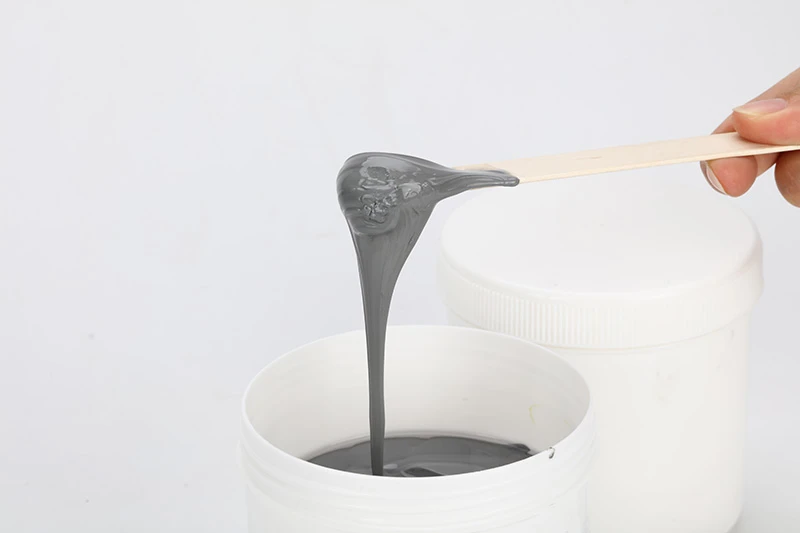
In any solid Insulating thermal sheet vs thermal paste comparison, paste shows up as the go-to for tight metal contact.
Core performance factors
1.1 Material behavior
· Viscosity controls spread and pump-out resistance.
· Thermal Conductivity defines heat flow efficiency.
1.2 Electrical profile
· Most formulas offer low Electrical Conductivity, reducing short risk.
Application control
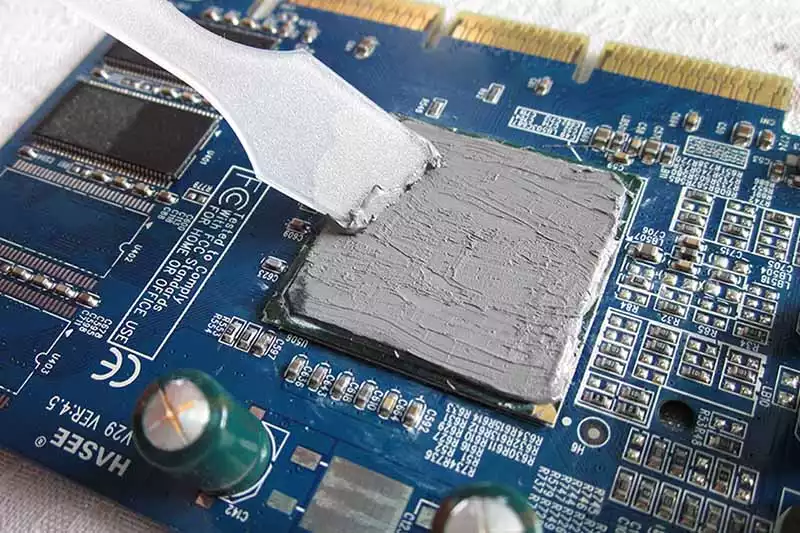
2.1 Methods
· Manual dot or line Application Method for DIY builds.
· Stencil printing in mass production.
2.2 Lifecycle
· Watch Drying Time and long-term Durability under thermal cycling.
In thermal paste vs insulating sheet debates, paste wins when surface flatness is high and mounting pressure is stable. Sheen Technology supplies controlled-consistency pastes tuned for CPUs and power modules.
Thermal Pads
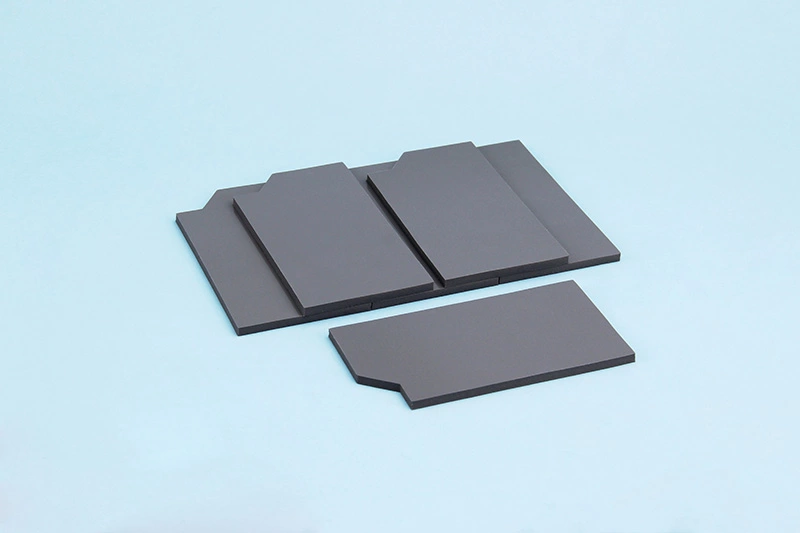
Thermal pads—often called insulating thermal sheets—simplify the insulating thermal sheet vs thermal paste comparison for teams that hate mess.
Key traits:
· Thickness options from 0.5–5 mm
· Defined Compressibility
· Reliable Surface Area Coverage
Why engineers like them
1) Fast install, strong Ease of Use
2) Built-in electrical isolation
3) Decent Thermal Conductivity for gap filling
Limits to note
· Lower peak performance than high-end paste
· Limited Reusability after heavy compression
In many thermal sheet vs paste decisions, pads dominate uneven surfaces or vibration-heavy gear.
Phase Change Materials
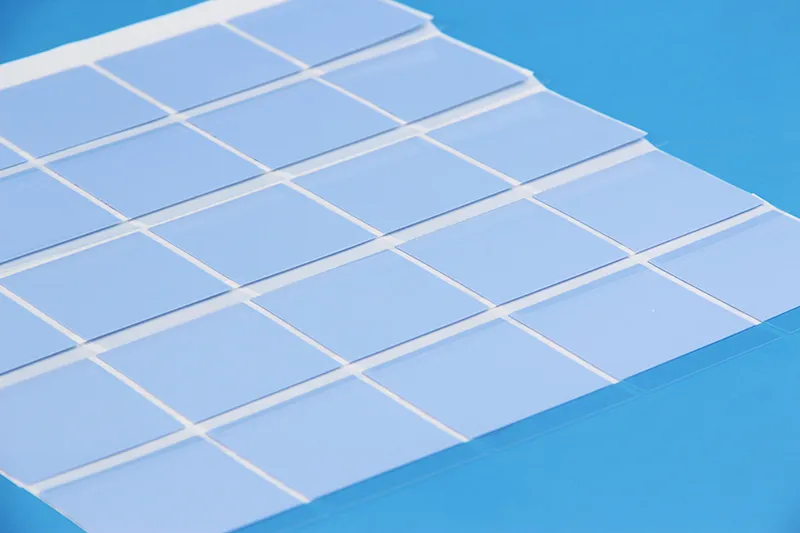
Phase change options shift the insulating thermal sheet vs thermal paste comparison again.
Thermal transition logic
· Solid at room state for clean handling
· Softening near Activation Temperature to enhance wetting
Performance balance
· Moderate Thermal Conductivity
· Stable Consistency after repeated cycles
· Strong Heat Dissipation once activated
Practical notes
· Designed for automated Application
· Limited Reapplication after phase cycling
Teams comparing insulating sheet vs thermal compound often pick this for repeatable assembly lines.
Liquid Metal TIMs
For extreme builds, liquid metal changes the tone of any Insulating thermal sheet vs thermal paste comparison.| Material Type | Thermal Conductivity (W/m·K) | Electrical Conductivity | Corrosiveness | Leakage Risk |
| Standard Paste | 5–12 | Low | Low | Low |
| Thermal Pad | 3–8 | None | None | None |
| Liquid Metal | 30–73 | High | Medium–High | Medium |
· Pros: insane Thermal Conductivity
· Cons: high Electrical Conductivity, surface Corrosiveness, and real Leakage Risk
Surface prep and Surface Compatibility checks are non-negotiable. In high-performance paste vs insulating sheet comparisons, this sits in a league of its own.
Thermal Adhesives
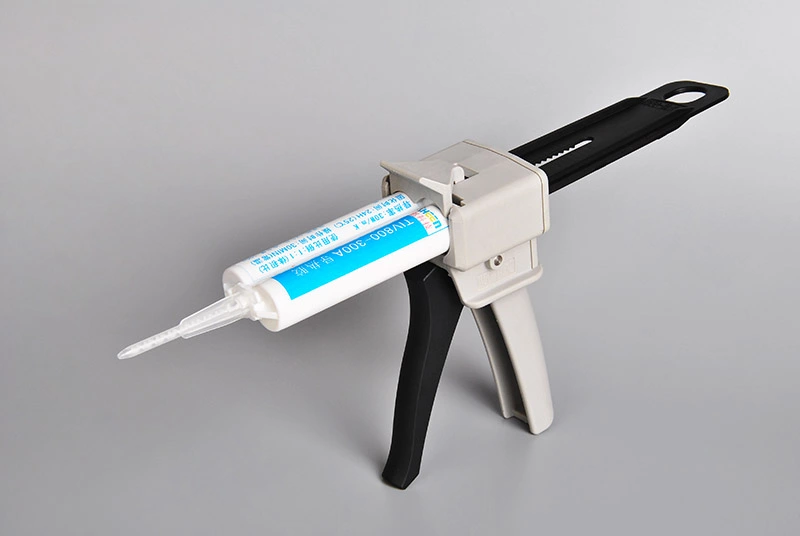
Sometimes heat control and bonding must happen together. That’s where adhesives enter the insulating thermal sheet vs thermal paste comparison.
Structural + thermal role
1.1 Strong Bond Strength for LEDs and MOSFETs
1.2 Managed Curing Time for line efficiency
Material behavior
· Balanced Thermal Conductivity
· Designed Flexibility to handle expansion
Controlled Gap Filling
· Service considerations
· Limited Removability once cured
For brands like Sheen Technology, integrating adhesive TIMs into custom modules helps clients skip extra fasteners while keeping thermal sheet vs paste trade-offs in check.
4 Key Factors In Insulating Thermal Sheet Vs Thermal Paste
When people search for an Insulating thermal sheet vs thermal paste comparison, they usually just want straight talk—what runs cooler, what stays safer, and what lasts longer. This breakdown slices the topic into thermal conductivity, insulation, temperature range, and material behavior, so the insulating thermal sheet vs thermal paste comparison actually makes sense in real-world builds.
Thermal Conductivity: Heat Transfer Efficiency
In any solid Insulating thermal sheet vs thermal paste comparison, thermal conductivity sits at the top of the list.
Core performance indicators:
· Thermal conductivity (measured in W/mK)
· Resulting thermal resistance
· Overall heat dissipation efficiency
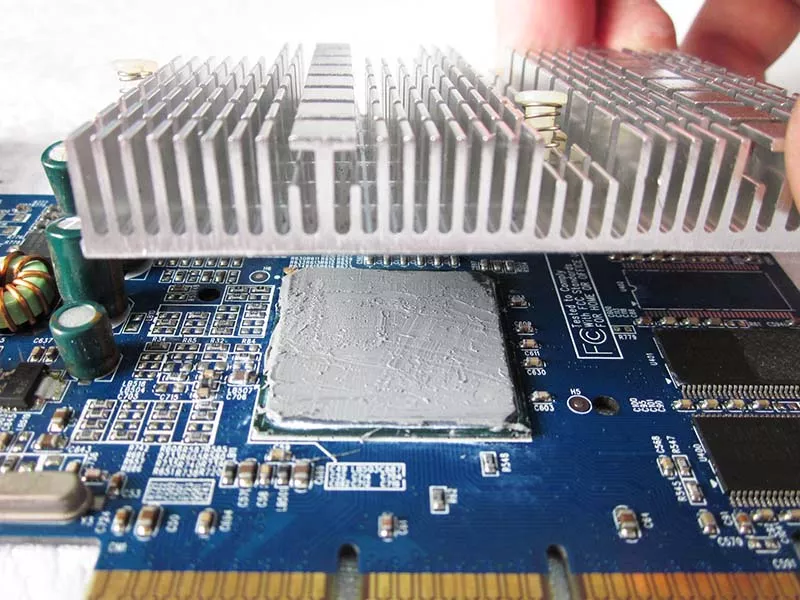
With thermal paste
a. Higher W/mK ratings are common.
b. Lower interface thermal resistance when applied correctly.
c. Better microscopic surface wetting, boosting heat transfer.
With insulating sheets
a. Moderate thermal conductivity, balanced with insulation layers.
b. Stable thickness supports predictable heat dissipation.
c. Often preferred when electrical safety matters as much as efficiency.
For engineers doing an insulating thermal interface comparison, paste often wins pure performance numbers, but sheets bring safer integration in compact power boards. That’s why many OEM buyers working with Sheen Technology look beyond raw W/mK and check long-term efficiency under load cycling.
Dielectric Strength and Electrical Isolation
An accurate Insulating thermal sheet vs thermal paste comparison cannot skip dielectric strength.
Electrical safety essentials:
· High dielectric strength
· Strong electrical isolation
· Controlled leakage current
Insulating thermal sheets
a. Built-in insulation film.
b. Defined voltage breakdown ratings.
c. Low conductivity across the interface.
Standard thermal paste
a. Focused on heat, not always on isolation.
b. Some formulas reduce risk, yet lack certified electrical isolation layers.
In high-voltage regulators or automotive ECUs, even tiny leakage current can ruin a board. That’s where insulating sheets clearly stand out in an insulating thermal sheet vs thermal paste comparison, especially for compact converters.
Operating Temperature Range and Thermal Impedance
Temperature swings are brutal. A serious insulating thermal sheet vs thermal paste comparison must consider operating temperature stability and thermal impedance.
Key temperature factors:
· Rated temperature range
· Peak maximum temperature
· Start-up minimum temperature
Thermal paste
a. Wide rated temperature range.
b. Risk of pump-out under repeated expansion.
c. Gradual shift in thermal impedance over time.
Insulating sheets
a. Fixed thickness between chip and heat sink.
b. Stable component temperature control.
c. Reliable performance near maximum temperature limits.
For long-cycle industrial drives, consistency often beats peak numbers.
Viscosity vs Mechanical Conformability
Material behavior seals the deal in any Insulating thermal sheet vs thermal paste comparison.
Paste characteristics:
· High viscosity
· Strong gap filling
· Excellent surface contact
Sheet characteristics:
· Defined mechanical conformability
· Clean application
· Better reusability
During assembly
a. Paste spreads, adapts, and maximizes surface contact.
b. Sheets compress to manage gap filling without mess.
Over vibration cycles
a. Excess paste may migrate.
b. Sheets maintain shape, improving long-term stability.
That’s why buyers comparing insulating pad vs grease options often test both. Sheen Technology supports side-by-side validation so the insulating thermal sheet vs thermal paste comparison becomes data-driven, not guesswork.
Thermal Sheet Vs Paste: Performance Showdown
When engineers debate an Insulating thermal sheet vs thermal paste comparison, it usually comes down to real-world heat, not theory. This thermal interface material comparison shapes how CPUs, GPUs, and memory stay cool under pressure. Let’s break down the insulating thermal sheet vs thermal paste comparison in plain terms and see what actually shifts performance.
Junction Temperature
In any Insulating thermal sheet vs thermal paste comparison, maximum operating temperature is the headline metric. Lower is better. Always.
1) Heat Path Structure
Thermal paste
· Fills micro-gaps, reducing thermal resistance
· Improves heat transfer efficiency
· Minimizes temperature gradient between die and heat sink
Insulating thermal sheet
· Fixed thickness controls compression
· Slightly higher interface resistance
· Stable contact over wide operating range
2) Performance Under Load
· High-power CPU/GPU → Paste often lowers peak temperature by 2–8°C.
· Mid-power memory/VRM → Sheet maintains safe maximum operating temperature with simpler assembly.
3) Measured Example
| Material Type | Thermal Conductivity (W/m·K) | Avg Peak Temperature (°C) | Thermal Resistance (°C/W) | Application Power (W) |
| Standard Paste | 8.5 | 78 | 0.12 | 150 |
| High-End Paste | 12.0 | 74 | 0.10 | 180 |
| Silicone Sheet | 6.0 | 82 | 0.16 | 120 |
| Ceramic Sheet | 7.5 | 80 | 0.14 | 140 |
So in a straight thermal sheet vs thermal paste comparison, paste often wins raw temperature control, while sheets deliver steadier mechanical spacing.
Device Lifespan
The Insulating thermal sheet vs thermal paste comparison also affects operational longevity. Heat drives component degradation, and even a small shift in thermal stress adds up over years.
· Lower interface resistance → less heat-related failure
· Electrical insulation → fewer short risks
· Stable compression → improved durability
Paste can stretch endurance in high-flux chips by trimming peak heat. Yet sheets shine in medical and telecom gear where electrical isolation matters as much as temperature.
In many insulating pad vs thermal paste evaluations, engineers look at:
· Continuous load hours
· Ambient temperature swings
· Mounting pressure variation
Sheen Technology supports this balance by offering insulating sheets engineered for controlled impedance and consistent thickness, helping extend device lifespan without messy rework.
Short version? Cooler chips last longer. Safer insulation avoids surprise failures.
Power Dissipation Capability
An Insulating thermal sheet vs thermal paste comparison gets serious when heat flux climbs.
1) Energy Transfer Path
· Chip generates heat →
· Interface material conducts →
· Heat sink spreads →
· Air or liquid removes
2) Material Influence
Paste
· Higher thermal conductivity
· Better heat sink effectiveness in dense racks
· Stronger cooling performance under 200W+ loads
Sheet
· Controlled thickness
· Electrical insulation
· Predictable thermal management in compact builds
3) Application Scenarios
· Data centers → Paste dominates high energy transfer demands.
· Embedded control boards → Sheets offer safe, compact integration.
That’s why the insulating thermal sheet vs thermal paste comparison keeps popping up in server design meetings.
Thermal Cycling Reliability
Temperature swings cause expansion and contraction. Over time, that movement drives material fatigue.
Paste can pump out during repeated temperature fluctuations, especially if surface prep is sloppy. Performance consistency then drops.
Sheets behave differently:
· Maintain thickness
· Absorb mechanical stress
· Offer stronger stress tolerance
· Deliver better long-term stability
In thermal interface material comparison testing, cycling from -40°C to 125°C highlights this gap. Paste performance depends heavily on formulation. Sheets rely more on structure.
Sheen Technology designs insulating materials focused on performance consistency, making the insulating thermal sheet vs thermal paste comparison less about hype and more about fit-for-purpose engineering.
At the end of the day, the best choice in any insulating thermal sheet vs thermal paste comparison comes down to power level, safety needs, and how wild the temperature ride will be.
FAQs about Insulating Thermal Sheet Vs Thermal Paste Comparison
What are the core performance differences in an insulating thermal sheet vs thermal paste comparison?
When engineers compare these Thermal Interface Materials, the tension usually sits between heat flow and safety.
Thermal paste / thermal grease
· Higher thermal conductivity and lower thermal impedance
· Reduces junction temperature in CPUs and GPUs under heavy loads
· Best for data centers and high-performance consumer electronics
Insulating thermal sheet (with dielectric films or silicone insulators)
· Moderate heat transfer
· High electrical resistivity and strong dielectric strength
· Protects power transistors, voltage regulators, and memory modules from short circuits
In short: paste pushes heat out faster; sheets guard against electrical risk while keeping heat under control.
How does dielectric strength influence material choice in power electronics?
In automotive electronics and industrial control systems, electrical isolation is not optional—it protects device lifespan.
A quick contrast:
| Property | Insulating Thermal Sheet | Thermal Paste / Pads |
| Dielectric strength | High (ceramic insulators, mica sheets) | Low to minimal |
| Electrical isolation | Excellent for integrated circuits | Requires extra insulation layer |
| Thermal conductivity | Moderate | Medium to high |
| Typical use | LED arrays, power transistors | CPUs, GPUs |
For voltage-heavy designs, engineers often accept slightly higher thermal impedance in exchange for reliable electrical isolation and safer thermal cycling reliability.
Which applications favor liquid metal TIMs or phase change materials instead of sheets or paste?
Some systems demand extreme power dissipation capability.
Liquid metal TIMs
· → Ultra-low thermal impedance
· → Used in aerospace systems and advanced data centers
· → Requires careful surface preparation due to electrical conductivity
Phase change materials
· → Solid at room temperature, soften at operating temperature range
· → Ideal for assembly automation using stencil application or screen printing
· → Stable thickness improves vibration resistance in telecommunications equipment
For high-volume manufacturing, engineers also consider dispensing methods, curing profiles (for thermal adhesives), and long-term thermal cycling reliability.
The final decision balances heat flow, electrical isolation, manufacturability, and the quiet goal behind every design: extending device lifespan without adding risk.
Sheen Thermal
Dongguan Sheen Electronic Technology Co., Ltd · Founded in 2008
Manufacturer of thermal interface materials and silicone foam for automotive electronics, energy storage, power electronics, communications and consumer electronics.
Certified
- ISO 9001:2015
- ISO 14001:2015
- IATF 16949:2016
What we supply
- Thermal conductivity Up to 90 W/m·K
- Thickness 0.3–10.0 mm
- Custom & samples Die-cut to drawing, 3–7 days