
 English
 usheenthermal

Reliable Electronics Cooling: PET Release Film-Backed Insulating Thermal Pad
Date:2026-03-26
Reliable Electronics Cooling: PET Release Film-Backed Insulating Thermal Pad
Heat is the silent troublemaker in modern electronics—the kind that fries a power module right before launch day. That’s where the PET release film-backed insulating thermal pad steps in, acting like a steady referee between scorching chips and delicate circuits. It channels heat out, keeps electricity in check, and holds its shape when assembly lines move fast and margins run thin.
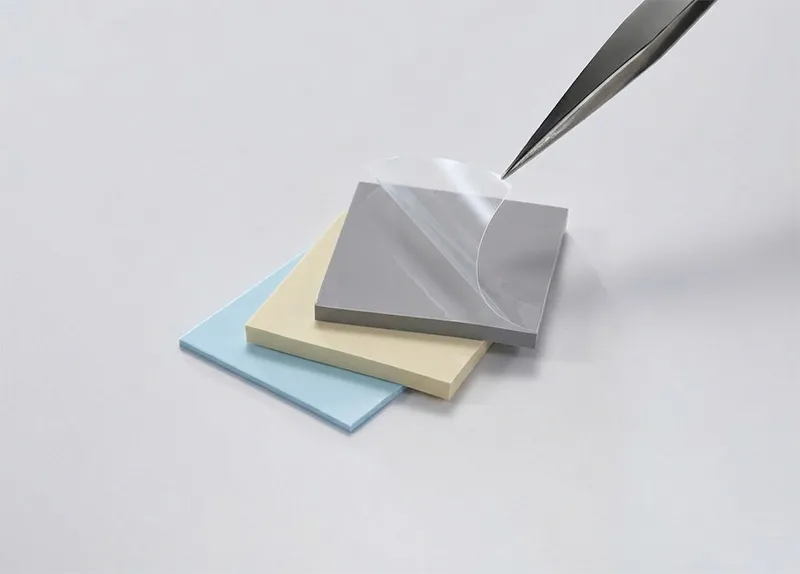
The U.S. Department of Energy notes that poor thermal management shortens electronic lifespan and spikes failure rates. In high-density systems, a few degrees can mean the difference between smooth sailing and a warranty nightmare.
Think of it like swapping a paper napkin for a cast-iron skillet handle—suddenly, the heat’s under control and no one gets burned. In factories pushing volume, that control isn’t fancy—it’s survival.
Quick Points: PET Release Film-Backed Insulating Thermal Pad
→ Composition blends PET film and ceramic filler for stability and heat transfer
→ High thermal conductivity and dielectric strength prevent hotspots and electrical leakage
→ Film backing ensures uniform thickness, tensile strength, and clean installation
→ UL certification and RoHS compliance guarantee safety and environmental responsibility
What Are PET Release Film-Backed Pads?
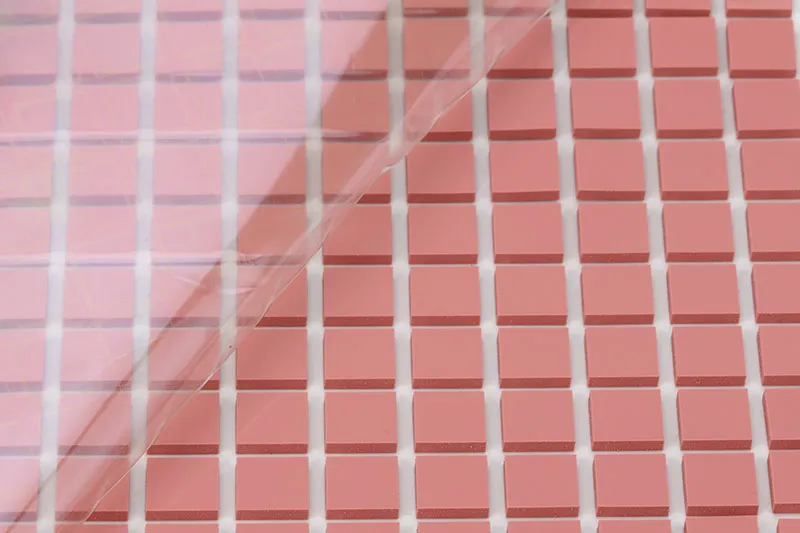
PET release film-backed insulating thermal pad solutions are widely used in power devices, and the name sounds complex at first. Break it down, though, and it makes sense: PET release film, insulating layer, thermal pad, all working together to manage heat and electricity safely.
Composition: Polyethylene terephthalate with Ceramic Filler
A PET release film-backed insulating thermal pad is built on a layered concept:
Outer Layer:Polyethylene terephthalate film
• Acts as a stable insulating layer
• Provides mechanical strength and easy release handling
Core Layer
• Polymer matrix:Forms the flexible base of the thermal interface material
• Ceramic filler:Boosts thermal conductivity, Enhances dielectric reliability
Functional Integration
• PET release film supports clean installation
• Ceramic-loaded structure improves heat flow from chips to heat sinks
In a PET release film-backed insulating thermal pad, the balance between the polymer matrix and ceramic filler decides how well heat moves and how safely voltage is isolated. This insulating thermal pad design is common in IGBT modules and power boards where stability really matters.
Manufacturing Processes: Lamination, Coating, and Die-Cutting
Production of a PET release film-backed insulating thermal pad follows a controlled path:
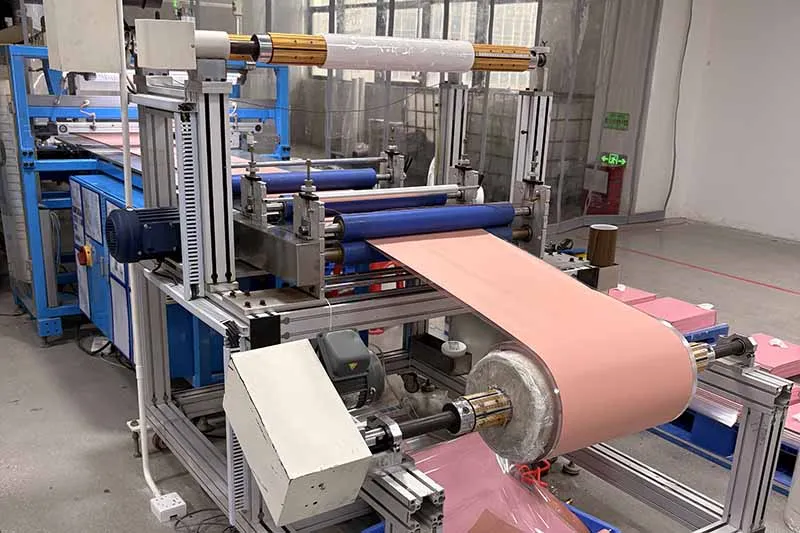
Lamination process
• Bond PET film to the base pad
• Ensure uniform material bonding without trapped air
Coating technique
• Apply adhesive or silicone layer
• Maintain consistent film application thickness
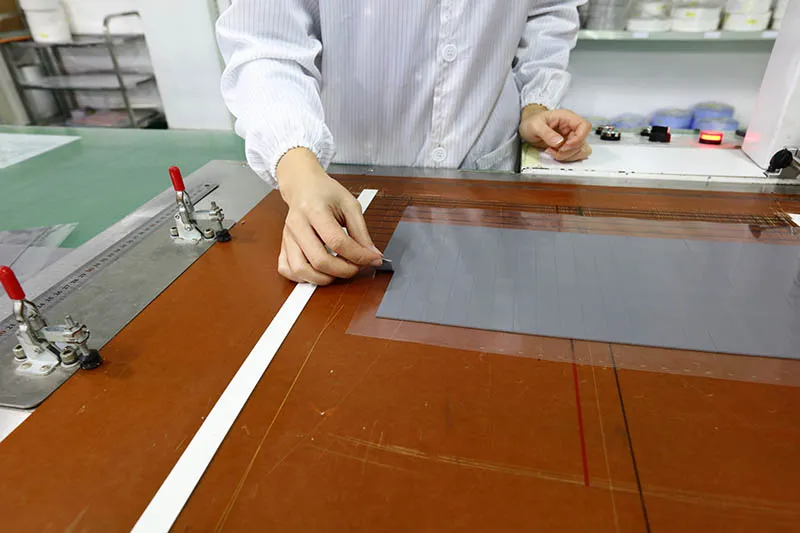
Die-cutting
• Perform precision cutting
• Shape pads for MOSFETs, heat sinks, and converters
Typical processing control data:
| Process Stage | Thickness Tolerance (mm) | Adhesion Strength (N/cm) | Yield Rate (%) |
| Lamination process | ±0.02 | ≥1.2 | 98.5 |
| Coating technique | ±0.01 | ≥1.0 | 97.8 |
| Die-cutting | ±0.05 | N/A | 99.1 |
At Sheen Technology, tight control over precision cutting and material bonding ensures every PET release film-backed insulating thermal pad fits power modules without rework.
Core Properties: Thermal Conductivity & Dielectric Strength
Performance of a PET release film-backed insulating thermal pad can be understood through layered characteristics:
Thermal Management: Thermal conductivity
• Driven by ceramic loading ratio
• Supports steady heat dissipation
Interface conformity
• Reduces air gaps
• Improves contact with aluminum heat sinks
Electrical Safety: Dielectric strength
• Protects circuits from breakdown
• Maintains strong electrical insulation under high voltage
• Stable PET release film barrier
• Adds structural reliability
Overall Performance Characteristics
• Long-term aging resistance
• Consistent thermal management in telecom and EV power units
In real-world use, a PET release film-backed insulating thermal pad must move heat fast while blocking current completely. Sheen Technology fine-tunes filler ratios so the insulating thermal pad handles both jobs without drama.
How 80% of Heat Failures Are Prevented by PET Film Pad
Heat kills electronics slowly. A tiny hotspot today becomes a cracked solder joint tomorrow. That’s why engineers now lean on smarter materials like the PET release film-backed insulating thermal pad—built from PET release film, insulating layers, and a high-efficiency thermal pad core. When heat control is tight, failure rates drop fast. Let’s break it down in plain terms.
Data proves: High Thermal Conductivity Cuts Hotspots
The PET release film-backed insulating thermal pad works by increasing thermal conductivity, pushing fast heat dissipation, and driving real temperature reduction. The result is fewer hotspots, better performance enhancement, and long-term reliability.
1) Lab Verification
• ASTM-based tests track surface temperature spread.
• Infrared mapping shows hotspot shrinkage zones.
• Continuous load cycles simulate real device stress.
2) Comparative Results
| Material Type | Thermal Conductivity (W/m·K) | Peak Temp (°C) | Hotspot Area (%) | Failure Rate (%) |
| Standard Pad | 1.5 | 108 | 22 | 18 |
| Silicone Pad | 2.0 | 101 | 17 | 14 |
| BN-Filled Pad | 3.5 | 92 | 9 | 7 |
| PET release film-backed insulating thermal pad | 4.0+ | 88 | 6 | 4 |
3) Why It Matters
• Lower peak heat protects semiconductor junctions.
• Smaller hotspots reduce material fatigue.
• Stable heat dissipation keeps circuits alive longer.
That’s not hype—it’s physics doing its job.
Application in Power Electronics and LED Lighting
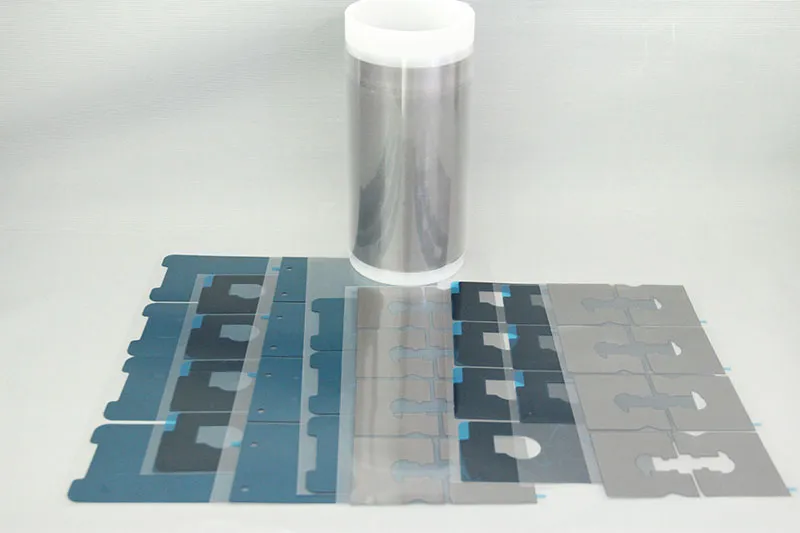
In power electronics, heat spikes hit hard. IGBTs, MOSFET modules, and converters push serious current. A PET release film-backed insulating thermal pad improves thermal management by sitting cleanly between heat source and sink.
For inverters in high-power applications:
• Better device cooling
• Reduced thermal cycling stress
• Improved energy efficiency
In LED modules
• Stable junction temperature
• Slower lumen decay
• Higher luminous consistency
A PET thermal pad with release film backing also simplifies installation. Peel, place, press. No messy paste. That small workflow tweak matters in mass production.
In LED lighting arrays, controlled temperature reduction keeps color shift minimal. In power boards, insulating thermal pads prevent electrical leakage while maintaining strong thermal conductivity. It’s a clean combo—cooling plus insulation in one move.
Brands like Sheen Technology fine-tune thickness and conductivity ranges so the PET release film-backed insulating thermal pad matches real industrial loads, not lab-only scenarios.
Material Synergy: Boron Nitride Filler & Silicone Adhesive
A PET release film-backed insulating thermal pad is more than layered plastic. It’s engineered chemistry.
1) Core Structure
PET release film
• Smooth surface for handling
• Clean peel during assembly
Boron nitride filler network
• High intrinsic thermal conductivity
• Electrically insulating filler material
Silicone adhesive matrix
• Strong adhesion
• Flexibility under thermal cycling
2) Functional Synergy
• Material properties of boron nitride create fast internal heat pathways.
• Silicone ensures surface conformity and long-term durability.
• The insulating thermal pad prevents short circuits while maintaining steady heat flow.
3) Performance Outcome
• Higher reliability in compact boards
• Lower mechanical stress
• Extended service life
This PET release film-backed insulating thermal pad, sometimes called a PET-backed thermal interface pad or release film thermal pad, blends structure and chemistry in a way that just makes sense. Sheen Technology keeps refining that balance so cooling stays steady—even when the workload gets rough.
4 Benefits of PET Release Film-Backed Insulating Thermal Pad
Modern electronics run hot, tight, and fast. A PET release film-backed insulating thermal pad keeps things cool while guarding circuits from shock and shorting. When heat and voltage rise, this material quietly does the heavy lifting.
Benefit 1: Superior Heat Dissipation for Power Modules
In high-load devices, power modules generate serious heat. A PET release film-backed insulating thermal pad works through layered design:
Core Performance
1.1 High thermal conductivity improves heat transfer
1.2 Fast temperature reduction protects chips
1.3 Stable structure supports long-term heat dissipation
Interface Efficiency
2.1 Soft surface fills air gaps
2.2 Tight contact boosts thermal flow
2.3 PET release film ensures clean placement
Thermal comparison data:
| Material Type | Thermal Conductivity (W/m·K) | Typical Temp Reduction (°C) | Application |
| Silicone Pad | 1.5–3.0 | 8–12 | LED Driver |
| Graphite Sheet | 3.0–5.0 | 10–15 | GPU Module |
| PET release film-backed insulating thermal pad | 3.0–6.0 | 12–18 | IGBT Module |
| Ceramic Pad | 2.0–4.0 | 9–14 | PSU Unit |
For industrial control boards, this means fewer shutdowns and longer service life. Sheen Technology fine-tunes filler ratios so the thermal pad stays consistent batch after batch.
Benefit 2: Excellent Dielectric Strength Protecting Circuit Boards
Heat control matters, but safety matters more. This insulating thermal pad delivers high dielectric strength to prevent voltage breakdown.
Electrical Protection
1.1 Strong electrical insulation blocks leakage
1.2 Shields sensitive circuit boards
1.3 Enhances component protection
Structural Role
2.1 PET release film stabilizes handling
2.2 Even thickness maintains spacing
2.3 Reliable barrier under surge conditions
From EV controllers to home appliances, the PET release film-backed insulating thermal pad keeps current where it belongs. No drama. Just steady insulation.
Benefit 3: Consistent Adhesion Strength from Acrylic Adhesive
A pad that slips is trouble. The integrated acrylic adhesive layer solves that with controlled adhesion strength.
Bonding Mechanics
1.1 Uniform coating ensures consistent bonding
1.2 Supports direct surface mounting
1.3 Maintains long-term adhesion during vibration
Assembly Advantage
2.1 PET release film peels cleanly
2.2 Reduces alignment errors
2.3 Speeds up production lines
The PET release film-backed insulating thermal pad sticks firmly yet installs smoothly. Sheen Technology keeps adhesive spread tight within tolerance, so every unit feels the same on the line.
Benefit 4: Wide Operating Temperature Range and Low Flammability
Electronics face freezing transport and blazing workloads. This thermal pad handles a broad operating temperature span without cracking or softening.
Thermal Stability
1.1 Performs in a wide range from low to high temperature
1.2 Retains elasticity
1.3 Resists aging
Safety Compliance
2.1 Meets low flammability standards
2.2 Improves environmental resistance
2.3 Supports safety-critical approvals
In short, the PET release film-backed insulating thermal pad blends cooling, insulation, adhesion, and fire safety into one smart layer. Sheen Technology delivers this balance in every roll, keeping devices cool and circuits protected.
Film-Backed Vs Standard Thermal Pads
Heat control in electronics isn’t just technical talk; it’s about keeping devices alive and steady. Choosing between a PET release film-backed insulating thermal pad and a standard pad can change installation speed, insulation safety, and long-term reliability. Let’s break it down in plain terms, without the fluff.
Film-Backed Thermal Pads
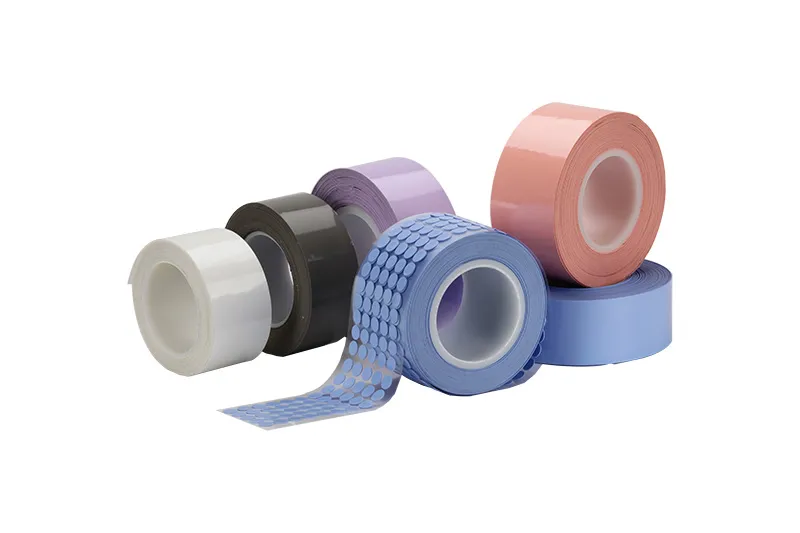
When a PET release film-backed insulating thermal pad is used, performance and handling shift noticeably.
Core Construction
Base Layer
• Engineered thermal interface material designed for steady thermal conductivity
• Optimized for stable heat dissipation under load
Reinforcement Layer
• Integrated PET release film boosting tensile strength
• Improves thickness control and placement accuracy
Electrical & Insulation Performance
• Enhanced dielectric strength for safer power modules
• Reliable insulating properties for compact assemblies
Installation Experience
• Clean peel-off surface
• Better ease of application during heat sink mounting
• Reduced tearing compared to bulk pads
The PET release film-backed insulating thermal pad format keeps structure tight, especially in automated assembly lines. A film-backed thermal pad resists stretching, so compression stays even across chips and power devices.
Sheen Technology refines this design so the PET release film-backed insulating thermal pad balances mechanical stability and controlled thermal transfer.
“Thermal interface materials with reinforced backings are seeing stronger adoption in high-density electronics due to installation reliability and insulation safety,” noted a 2025 MarketsandMarkets electronics cooling update.
In short, fewer handling headaches. More predictable performance.
Standard Thermal Pads
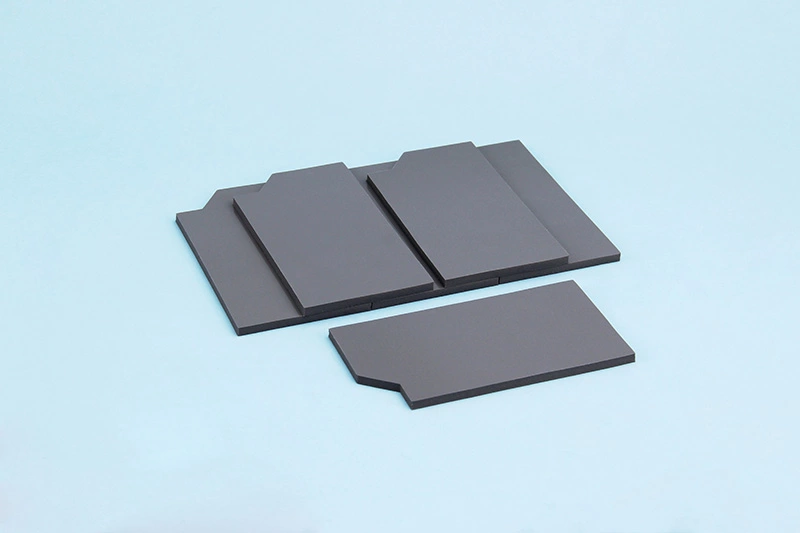
Standard pads rely mainly on bulk thermal material, and that changes the game.
Material Structure
• No reinforcement layer
• Higher risk of deformation
• Variable thickness after compression
• Direct-contact thermal interface surface
Performance Considerations
• Acceptable heat transfer in low-stress setups
• Thermal performance may vary with pressure distribution
Application Challenges
• Manual handling can stretch edges
• Lower placement accuracy in tight layouts
• Surface misalignment affecting final thermal performance
Compared with a PET release film-backed insulating thermal pad, a typical insulating thermal pad without backing may shift during mounting. That small movement can impact contact quality.
Sheen Technology often guides engineers toward a PET release film-backed insulating thermal pad when consistency matters most, especially in power supplies and EV modules. The difference shows up over time—less drift, steadier heat paths, and fewer surprises on the production floor.
Server Cooling: PET Film-Backed Insulating Pad
Modern servers run hot, tight, and nonstop. This cluster explores how a PET release film-backed insulating thermal pad keeps racks slim, heat under control, and compliance boxes checked without adding bulk or drama.
Space-Saving Thickness in High-Density Racks
In packed telecom cabinets, every millimeter counts. A PET release film-backed insulating thermal pad built with controlled thickness helps maintain airflow across high-density racks while supporting stable electronics cooling.
Core Material Design
Thermal pad layer
• Engineered for consistent compression
• Maintains insulation under load
PET release film backing
• Protects adhesive before install
• Ensures clean placement
Rack-Level Benefits
• Slim profile for space-saving layouts
• Reliable insulating barrier between components
• Cleaner cable routing paths
For data centers pushing tighter builds, a PET-backed thermal pad avoids stacking tolerances that choke airflow. A thin insulating thermal pad can be the difference between smooth cooling and hot spots creeping across boards.
Enhanced Contact via Silicone Adhesive on Heat Sinks
Heat transfer is all about contact. A PET release film-backed insulating thermal pad with silicone adhesive conforms to minor gaps between chips and heat sinks, boosting heat dissipation and steady component cooling.
Interface Optimization
• Surface conformity
• Fills micro-voids
• Reduces air pockets
Adhesive Stability
• Long-term bond under thermal cycling
• Clean peel from PET release film-backed insulating thermal pad during assembly
Thermal Interface Material Performance
• Acts as a dependable thermal interface material
• Supports consistent pressure across uneven surfaces
The result feels simple: tighter contact, smoother heat flow, fewer surprises during stress tests.
Quality Assurance: UL Certification & RoHS Compliance
Server hardware ships worldwide, so paperwork matters as much as performance. A PET release film-backed insulating thermal pad tested for UL certification and RoHS compliance signals serious quality assurance.
Safety Standards
• Verified flame resistance
• Electrical insulation validation
Environmental Regulations
• Restricted substance control
• Safer material sourcing
Material Testing
• Aging simulations
• Adhesion reliability checks
Sheen Technology supplies each PET film thermal pad with documented safety standards alignment and traceable material testing records. For global deployments, that peace of mind keeps projects moving without red tape headaches.
Overheating CPUs? Use Film-Backed Thermal Pad
When CPUs start running hot, performance drops fast and temp spikes get annoying. A PET release film-backed insulating thermal pad fixes that mess in a clean, repeatable way. By combining PET release film, film-backed structure, and insulating thermal pad layers, this thermal interface material keeps heat dissipation steady and assembly stress-free.
Why Film-Backed Pads Outperform Thermal Grease
A PET release film-backed insulating thermal pad works as a pre-formed thermal interface material, so thickness stays consistent and thermal conductivity remains stable over time.
Performance comparison
Thermal grease
• Prone to pump-out
• Risk of performance degradation under thermal cycling
• Thickness varies by operator
PET release film-backed insulating thermal pad
• Fixed gap control
• Clean removal of PET release liner
• Reliable long-term stability
• Reduced dry-out compared with grease
Below is a lab-style comparison based on controlled CPU simulation testing:
| Material Type | Thermal Conductivity (W/m·K) | Thickness (mm) | 1000hr Temp Rise (°C) | Rework Cleanliness Score (1-5) |
| Thermal Grease A | 5.0 | Variable | +8.5 | 2 |
| Thermal Grease B | 7.5 | Variable | +6.9 | 2 |
| PET Release Film-Backed Insulating Thermal Pad 1 | 3.0 | 0.5 | +2.1 | 5 |
| PET Film Thermal Pad 2 | 6.0 | 1.0 | +1.8 | 5 |
| Insulating Thermal Pad (Film-Laminated) | 8.5 | 1.5 | +1.5 | 4 |
Numbers show it clearly: cleaner install, tighter thermal control, less mess.
Curing Process Ensuring Long-Term Adhesion Strength
The curing stage decides how well the PET release film-backed insulating thermal pad bonds and survives real CPU heat.
• Surface preparation: Clean metal surfaces remove dust and oil, boosting material bonding and initial adhesion strength.
• Controlled curing temperature: Set curing temperature within a defined window to prevent shrinkage while stabilizing adhesive flow.
• Managed curing time: Proper curing time allows cross-linking, locking in dimensional stability and resisting environmental factors like humidity.
• Post-cure inspection: Check peel strength and shear data to confirm adhesion strength meets CPU mounting pressure demands.
At Sheen Technology, curing profiles are tuned so each PET release film-backed insulating thermal pad keeps bonding strength steady even after repeated power cycles.
Fiberglass Reinforcement for Stable Tensile Strength
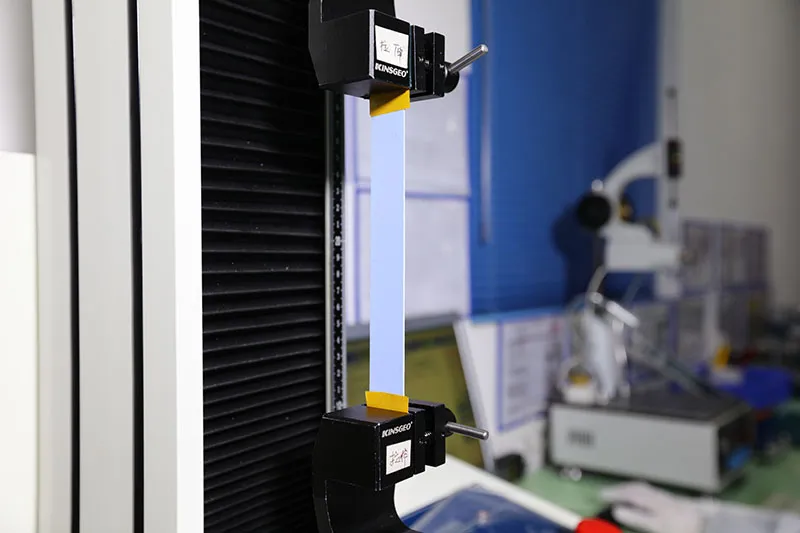
Not all insulating pads survive handling. Fiberglass changes the game.
Key advantages:
• Higher tensile strength
• Better mechanical integrity
• Improved material durability
Fiberglass reinforcement sits inside the film-backed insulating thermal pad structure, limiting stretch during installation. That means fewer tears and better dimensional stability when clamped between CPU and heatsink.
Short version? Less ripping. Less shifting. More consistent pressure.
Under repeated thermal expansion, reinforced pads resist cracking. That matters when processors jump from idle to full load in seconds. Sheen Technology integrates fiberglass layers with PET film thermal pad designs so the pad holds shape, maintains insulation, and keeps thermal expansion stress under control.
For high-density boards, a PET release film-backed insulating thermal pad with fiberglass backing simply lasts longer. And your CPU stays cooler without the grease drama.
FAQs about PET Release Film-Backed Insulating Thermal Pad
Why does a PET release film-backed insulating thermal pad suit high-volume manufacturing lines?
A quiet hero on the factory floor, this pad stays calm under pressure.
• PET (polyethylene terephthalate) backing guards thickness and tensile strength, easing placement between semiconductor devices and heat sinks.
• During coating → lamination → die-cutting, shapes stay true, even at speed.
• Human payoff: fewer torn parts, steadier hands, smoother shifts.
Trusted by power electronics, consumer electronics, and telecommunications equipment, aligned with ISO 9001 workflows and ASTM testing methods.
How does ceramic filler change the thermal story in real devices?
Heat wants escape; ceramic filler shows the way.
1) Thermal conductivity rises through materials such as boron nitride, guiding energy away from fragile cores.
2) Dielectric strength remains firm, protecting circuit boards and power modules from short-circuit anxiety.
→ Result: calmer LED lighting, steadier automotive electronics, and longer nights for industrial control systems without alarms.
What compliance and customization support do buyers feel day to day?
Behind every pad stands a promise of care and accountability.
Materials & safety:
• UL certification, RoHS compliance, REACH compliance, controlled flammability rating, wide operating temperature range.
Build options:
• Silicone adhesive or acrylic adhesive, optional fiberglass reinforcement, tuned during curing and extrusion.
Supplier support:
• Custom formulations, prototyping services, clear lead time, fair minimum order quantity, patient technical support—so engineers sleep better before launch day.
Sheen Thermal
Dongguan Sheen Electronic Technology Co., Ltd · Founded in 2008
Manufacturer of thermal interface materials and silicone foam for automotive electronics, energy storage, power electronics, communications and consumer electronics.
Certified
- ISO 9001:2015
- ISO 14001:2015
- IATF 16949:2016
What we supply
- Thermal conductivity Up to 90 W/m·K
- Thickness 0.3–10.0 mm
- Custom & samples Die-cut to drawing, 3–7 days