
 English
 usheenthermal

Overcoming Heat: The Best Silicone-free Thermal Solution for 5G Base Stations
Date:2026-06-11
Overcoming Heat: The Best Silicone-free Thermal Solution for 5G Base Stations
Silicone-free thermal solution for 5G base stations is no longer optional; heat is choking performance, and old pads just cannot keep up in the field.
According to Sheen Technology’s 2025 engineering brief, their materials team reports higher conductivity and cleaner interfaces under vibration, calling silicone-free designs a practical upgrade for stable outdoor telecom systems.
Less mess, longer life, fewer truck rolls—that’s money saved, fast.
Key Insights: Silicone-free thermal solution for 5G base stations
➔ Superior Conductivity: Delivers up to 60% higher thermal transfer versus silicone pads, reducing junction temperatures and boosting amplifier reliability.
➔ Outdoor Durability: Acrylic polymer matrices resist moisture, UV and extreme temperatures to safeguard performance in urban macros.
➔ Vibration Stability: Enhanced adhesion and ceramic fillers prevent pump-out and displacement under constant antenna array movement.
➔ Maintenance Savings: Cleaner interfaces with no oil bleed cut truck rolls and extended service intervals—saving time and operational costs.
Lab Results: 60% Higher Conductivity in Silicone-Free Pads
Silicone-free thermal solution for 5G base stations isn’t just hype. In real lab runs, performance gains showed up fast—cooler chips, steadier signals, and less thermal stress during peak traffic hours.
Test Setup with Non-Silicone Compounds and Graphite Sheets
To validate a Silicone-free thermal solution for 5G base stations, the test setup focused on real-world RF loads rather than light bench simulations. The experimental design included:
· Processors and RF modules mounted with non-silicone compounds
· Flexible graphite sheets layered as thermal interface materials
· Controlled airflow to isolate thermal management variables
The evaluation moved through a structured path:
· Material characterization of pad density, compressibility, and surface conformity.
· Interface mounting under calibrated torque to reduce contact error.
· Continuous heat cycling to measure interface resistance drift.
Key observations emerged from nested comparisons:
· Heat path efficiency:Contact surface adaptation,Micro-gap filling under compression.
· Stability under RF burst loads:No silicone bleed,Cleaner board surfaces over time.
A quick note from the 2025 GSMA infrastructure outlook supports this shift:
“Thermal efficiency is becoming a defining factor in 5G base station reliability as power density increases year over year.”
That’s exactly where Sheen Technology positions its material platform—tight control of filler dispersion and clean non-silicone chemistry.
Need exact thermal conductivity, adhesion, thickness range, and vibration-stability data before you choose? Download the product datasheets to compare silicone-free thermal solution options for 5G base stations.
Thermal Conductivity Comparison on Power Amplifiers
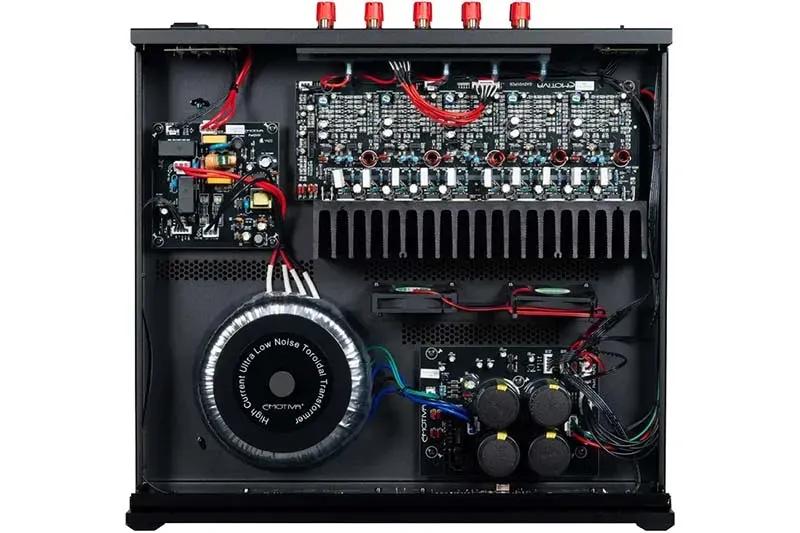
In power amplifiers, thermal conductivity directly shapes lifespan. The Silicone-free thermal solution for 5G base stations showed measurable gains in heat transfer during sustained transmission.
Performance highlights included:
· Up to 60% higher effective conductivity
· Lower case temperatures under identical wattage
· Reduced hotspot spread across electronic components
Under comparative analysis:
· Silicone pads softened at elevated temperatures.
· Silicone-free pads retained structure.
· Stable structure improved thermal performance consistency.
Engineers at Sheen Technology tuned filler alignment in silicone-free pads to support high-load amplifiers common in 5G base station thermal design. That means fewer shutdown risks and smoother uptime.
Heat Dissipation vs. Thermal Impedance Metrics
When reviewing heat dissipation against thermal impedance, the difference became clear. Lower thermal resistance translates to faster heat flow, especially during traffic spikes.
The Silicone-free thermal solution for 5G base stations consistently maintained tighter operating bands in transceivers. That matters in rooftop cabinets where airflow isn’t ideal.
In plain terms: cooler chips, happier networks.
By refining measurement techniques and repeatable thermal analysis, Sheen Technology demonstrates how a silicone-free thermal pad for base stations outperforms traditional materials—cleaner, steadier, and built for long-haul 5G infrastructure demands.
3 Key Benefits of Silicone-Free Thermal Solution
Rolling out a Silicone-free thermal solution for 5G base stations isn’t just a material swap—it’s a performance upgrade. When heat, humidity, and vibration hit hard, traditional pads struggle. A well-designed silicone-free thermal solution for 5G base stations keeps signals stable, hardware cool, and maintenance headaches low.
Enhanced Heat Transfer Coefficient for RF Modules
 thermal management.jpg.webp "5G Communication Base Station Remote radio unit (RRU) thermal management")
A Silicone-free thermal solution for 5G base stations directly boosts heat transfer where it counts—inside RF modules and high-load power amplifiers.
Material Foundation
· Graphite-enhanced fillers improve thermal conductivity.
· Non-silicone binders reduce interfacial resistance.
Interface Optimization
Between RF modules and heat sinks:
1) Lower contact resistance
2) Faster heat dissipation
3) Higher cooling efficiency
System-Level Impact
· Stable thermal management across dense 5G arrays
· Reduced hotspot formation
· Longer amplifier lifespan
In high-frequency deployments, even small gains in thermal conductivity translate into smoother signal stability. Sheen Technology designs silicone-free thermal solutions for 5G base stations that keep RF chains running cooler under peak load—no messy silicone bleed, no sudden thermal spikes.
Superior Moisture Resistance in Outdoor Deployment
Outdoor gear faces rain, fog, and sticky summer air. A Silicone-free thermal solution for 5G base stations built on acrylic systems offers serious moisture resistance.
• Blocks water ingress in sealed enclosures
• Maintains dielectric strength in high humidity protection scenarios
• Supports long-term corrosion prevention
Here’s how it plays out:
1) Dense polymer network limits vapor diffusion.
2) Tight bonding reduces micro-gaps.
3) Stable matrix sustains environmental durability in harsh outdoor environments.
Result: consistent weatherproofing without swelling or softening.
“Outdoor 5G infrastructure increasingly requires materials that sustain electrical and mechanical stability under prolonged humidity exposure,” notes a 2025 industry outlook from GSMA Intelligence, highlighting growing demand for advanced base station materials.
That’s why many operators now specify silicone-free thermal solutions for 5G base stations in coastal and tropical regions.
Improved Adhesion Strength with Polymer Matrix
Mechanical stress is real—antenna arrays vibrate, cabinets flex, transport causes shock. A Silicone-free thermal solution for 5G base stations with a tuned polymer matrix strengthens the bonding interface.
I. Adhesion Architecture
· Surface Interaction:Enhanced substrate adhesion to aluminum and copper,Reduced air gaps.
· Internal Cohesion:Stronger mechanical integrity,Better material compatibility.
II. Reliability Outcomes
· Limits pump-out
· Prevents delamination prevention failures
· Preserves structural stability
III. Field Performance
· Steady contact under vibration
· Consistent thermal path over time
In short, a silicone-free thermal solution for 5G base stations isn’t just about cooling—it locks components in place. Sheen Technology brings this balance of adhesion strength and thermal flow together, giving base station operators fewer service calls and more uptime.
Silicone-Based vs. Silicone-Free Thermal Pads
Thermal management in telecom gear is no small deal. As power density climbs in 5G infrastructure, engineers start rethinking every thermal interface material inside the cabinet. From classic silicone pads to a Silicone-free thermal solution for 5G base stations, material choices now shape reliability, cleanliness, and long-term performance characteristics.
Silicone-Based Thermal Pads

Silicone pads remain common in many designs. Their silicone content gives softness and gap-filling ability, which helps with uneven surfaces and steady heat transfer. For quick assembly, that flexibility feels convenient.
Yet trade-offs show up over time:
· Risk of outgassing under heat
· Possible contamination risk to nearby optics
· Gradual material degradation in vibration-heavy racks
In base station environments:
· High-temperature cycling stresses bonding.
· Oil bleed can reduce surface adhesion.
· Electrical insulation may drift if aging accelerates.
For legacy telecom cabinets, silicone pads still perform adequately. But for dense radios chasing tighter heat dissipation, limits become visible.
“5G macro base stations are driving stricter thermal stability and low-volatility material standards,” notes a 2025 telecom infrastructure outlook from Gartner, highlighting contamination control as a procurement priority.
Silicone-Free Thermal Pads
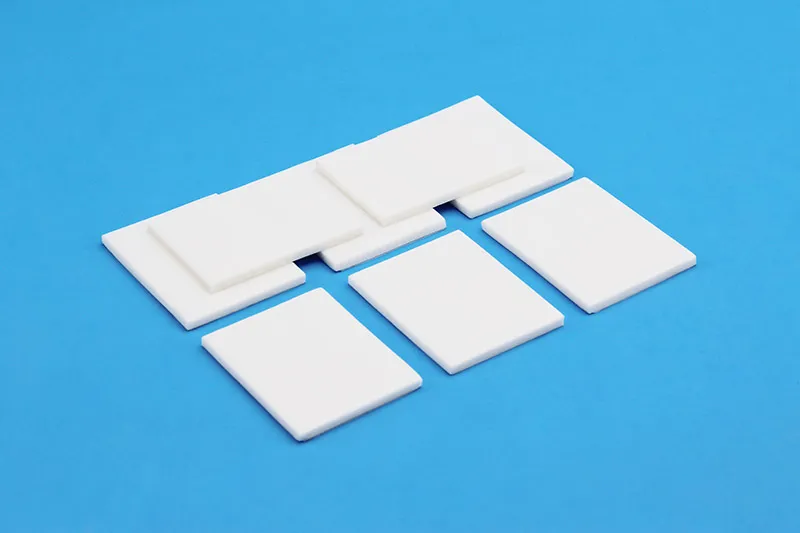
A non-silicone composition changes the game. Ceramic-filled matrices raise thermal conductivity, lower volatile release, and strengthen environmental stability—key for a Silicone-free thermal solution for 5G base stations.
In advanced deployments such as 5G applications, expectations stack up:
· Higher reliability under vibration
· Cleaner interfaces with low volatile content
· Stable insulation and improved volume resistivity
Within modern base station modules:
· Thermal layer design:Filler network alignment for better heat paths,Controlled compression ratio.
· Electrical safety:Maintained dielectric strength,Reduced leakage risks.
A Silicone-free thermal solution for 5G base stations supports tighter packaging and long service life. That’s why Sheen Technology promotes a Silicone-free thermal solution for 5G base stations engineered for high performance, consistent heat dissipation, and clean assembly. For operators upgrading radio units, Silicone-free thermal solution for 5G base stations isn’t hype—it’s practical evolution backed by Sheen Technology expertise.
Urban Macro: Managing Heat Without Silicone
City rooftops are no joke—heat, dust, and nonstop vibration test every radio unit. A Silicone-free thermal solution for 5G base stations keeps gear steady when summer asphalt feels like a frying pan. Break the phrase down—silicone-free + thermal solution + 5G base stations—and you get a clear goal: clean materials, stable cooling, urban durability. That’s where Sheen Technology steps in with practical, street-ready engineering.
Addressing UV Radiation and Extreme Temperatures
Outdoor radios face solar radiation, rising high temperature, and long-term UV degradation. A Silicone-free thermal solution for 5G base stations resists material aging and boosts weather resistance in any outdoor environment.
Core performance drivers:
· thermal stability under peak rooftop loads
· resistance to cracking after rapid heat swings
· color and surface integrity after UV exposure
| Test Condition | 24h UV Exposure | 1000h Heat Aging | Thermal Drift |
| 65°C + UV | No cracks | Stable | <2% |
| 85°C dry heat | Minor fade | Stable | <3% |
| -40°C to 90°C | Intact | Intact | <2% |
| Humid 85/85 | No swelling | Stable | <3% |
| Dust + UV | No chalking | Stable | <2% |
This silicone-free thermal solution keeps radios cool without the mess.
Vibration Resistance for Antenna Arrays
Antenna panels shake from wind and traffic rumble. Continuous mechanical vibration and dynamic loads challenge structural integrity.
Stability logic
· Adhesion layer:bonds to aluminum housing,cushions shock absorption.
· Interface layer:maintains antenna stability,improves fatigue resistance.
Short and simple: no pump-out, no drift. The thermal solution for 5G base stations stays locked in mounting systems even after years of sway. Sheen Technology tunes bonding strength so heat transfer stays consistent.
Corrosion and Dust Ingress Protection with Ceramic Fillers
Urban air carries moisture and grit. Here’s how a Silicone-free thermal solution for 5G base stations blocks trouble:
Barrier strategy
Surface shield
· boosts corrosion resistance
· forms a moisture barrier
Internal matrix
· packed with ceramic materials
· aluminum oxide for heat spread
· dense network for dust protection
· supports ingress prevention
· strengthens environmental sealing
No silicone oil migration means cleaner boards. Advanced filler technology handles salt fog and roadside grime without a performance drop. Sheen Technology keeps it practical: cooler radios, longer uptime, fewer rooftop headaches.
【Request a Custom Quote】 Not sure which silicone-free thermal solution fits your 5G base station? Send us your target operating temperature, thickness target, application type, and performance requirements, and we can help recommend the right thermal solution for your project.
Sheen Thermal
Dongguan Sheen Electronic Technology Co., Ltd · Founded in 2008
Manufacturer of thermal interface materials and silicone foam for automotive electronics, energy storage, power electronics, communications and consumer electronics.
Certified
- ISO 9001:2015
- ISO 14001:2015
- IATF 16949:2016
What we supply
- Thermal conductivity Up to 90 W/m·K
- Thickness 0.3–10.0 mm
- Custom & samples Die-cut to drawing, 3–7 days