
 English
 usheenthermal

Performance Review: Are Thermal Gap Filler Pads Worth the Upgrade?
Date:2026-03-17
Performance Review: Are Thermal Gap Filler Pads Worth the Upgrade?
Heat is the silent troublemaker in modern electronics—the kind that sneaks up, slows performance, and quietly shortens product life. That’s why thermal gap filler pads are suddenly the talk of design reviews and procurement meetings. When processors run hot and LEDs start fading like old porch lights, the culprit is often poor contact between surfaces. Air gaps act like tiny winter coats, trapping heat where it doesn’t belong. Swap that out for a compliant pad, and it’s like trading a pothole-filled back road for fresh asphalt—smooth transfer, less stress, better flow.
“Consistency in thermal interface materials is now a purchasing priority, not a bonus,” notes a senior materials engineer at Sheen Electronic Technology in a 2025 supplier briefing.
So here’s the real question: are you patching problems—or fixing them for good?
Rhythmic Rundown: thermal gap filler pads
➔ Material Choices: Select silicone, acrylic, ceramic-filled, or non-silicone polymer based on conductivity, compressibility, and application requirements.
➔ Performance Metrics: Prioritize high thermal conductivity, low impedance, adequate dielectric strength, and optimized hardness for vibration damping.
➔ Installation Tips: Use die-cut shapes, adhesive backing, or laminating to ensure tight contact, stress relief, and long-term thermal cycling stability.
Types of Gap Filler Materials
Thermal management can feel like a small detail, yet it keeps devices from frying out. When thermal gap filler pads sit between chips and heat sinks, every material choice matters. From soft silicone to reinforced composites, different thermal gap filler pads shape heat flow, stress control, and long-term reliability.
Silicone-based vs Acrylic-based Elastomeric Pads
When choosing thermal gap filler pads, material chemistry sets the tone.
Silicone Elastomer
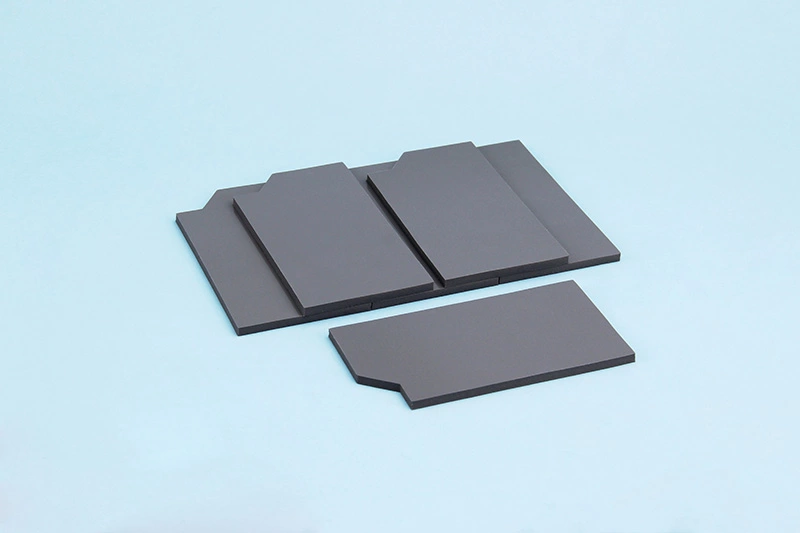
Core traits
• Wide Operating Temperature Range for power modules
• High Compliance for uneven IC surfaces
Performance impact
• Stable Thermal Conductivity across cycling
• Strong Durability under compression
Acrylic Elastomer
Cost and structure
• Lower raw material cost
• Controlled compressibility for LED boards
Electrical behavior
• Reliable Dielectric Strength
• Balanced thermal interface pad performance
In consumer gear, thermal gap pads made from silicone handle heat swings better. Acrylic-based thermal gap filler pads shine when budgets are tight and pressure loads stay moderate.
Ceramic-filled and Fiberglass-Reinforced Options
Advanced thermal gap filler pads often rely on fillers and reinforcements.
Ceramic Fillers
Material design
• High Filler Loading to boost Thermal Stability Functional outcome
• Lower interface resistance in Thermal Interface Material stacks
• Improved heat spread in power supplies
Fiberglass Reinforcement
Structural layer
• Embedded within Composite Materials
• Mechanical gains
• Added Mechanical Strength
• Better dimensional control in vibration-heavy cabinets
For industrial drives, these thermal gap pads reduce pump-out and keep contact tight over time.
Non-silicone Polymer Matrix Compositions
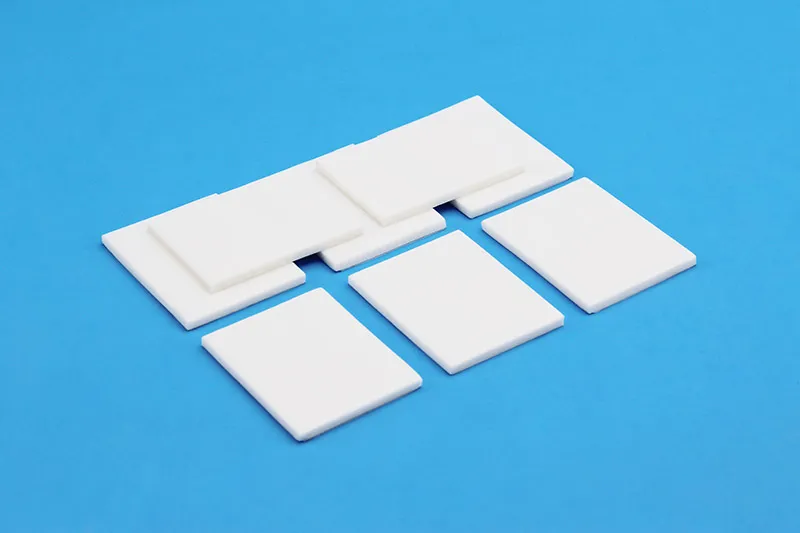
Some environments reject siloxane traces, so thermal gap filler pads shift to alternative matrices.
Polyurethane Matrix
• Offers flexible bonding
• Enhances Adhesion Properties
Epoxy Matrix
• Rigid backbone
• Strong Chemical Resistance
Thermoplastic Elastomers
• Rework-friendly
• Tuned Thermal Performance
From a Polymer Science angle, each matrix balances insulation and heat flow. In telecom racks and medical systems, non-silicone thermal interface pads avoid contamination while still moving heat efficiently.
Impact of Density and Hardness on Performance
Physical metrics steer how thermal gap filler pads behave in real builds.
Material Density
• Higher density. Often lowers Thermal Resistance.
• May reduce Surface Conformability
Shore Hardness
• Lower values,Improve gap filling,Reduce Contact Resistance
• Higher values,Limit long-term Compression Set
Engineers tweak Material Properties so thermal gap filler pads press just enough—firm, not brutal. Get that balance right, and the heat sink and chip stay in solid contact, keeping electronics cool without stressing the board.
3 Key Specs for Gap Filler Pads
Thermal management can make or break modern electronics. From base stations to automotive ECUs, thermal gap filler pads sit quietly between chips and heat sinks, pushing heat where it needs to go. Picking the right thermal gap, filler pad, or gap filler material is not guesswork—it’s about specs that truly count.
Thermal Conductivity and Thermal Impedance
When choosing thermal gap filler pads, two performance metrics matter most:
1) Heat Flow Capability
• thermal conductivity (W/m·K) reflects intrinsic heat transfer ability.
• Higher values generally reduce thermal resistance inside tight assemblies.
2) Interface Efficiency
• thermal impedance (°C·cm²/W) shows real contact behavior.
• Lower numbers mean smoother heat dissipation from chips to sinks.
In practice, thermal gap filler pads must balance bulk conductivity and interface contact. A high number looks cool on paper, but poor surface wetting kills heat dissipation fast.
Dielectric Strength for Telecommunications Equipment
Inside telecom racks, voltage isn’t playing around. thermal gap filler pads must provide solid electrical insulation while moving heat.
• Core requirement: high dielectric strength to prevent voltage breakdown.
• Application focus: dense telecommunications boards with mixed power and signal layers.
Key evaluation path:
1) Material Level
• Verify rated kV/mm under standard test conditions.
2) System Level
• Check spacing between PCB and heat sink.
• Confirm margin for equipment safety.
3) Signal Layer Protection
• Maintain signal integrity in high-frequency modules.
A reliable gap filler pad acts as both thermal bridge and electrical shield. No sparks. No drift. Just stable uptime.
Compressibility Optimized for Vibration Damping
Real hardware shakes. Cars hit potholes. Control cabinets hum all day. That’s where compressible thermal gap filler pads shine.
• High compressibility absorbs tolerance stack-up.
• Strong conformability fills surface irregularities.
• Built-in vibration damping reduces long-term mechanical stress.
In automotive electronics, soft yet resilient thermal interface pads cushion components, improving component protection. Press, release, repeat—the pad keeps shape while maintaining contact. That balance between softness and rebound is what keeps heat flowing and solder joints intact.
Data Shows 30% Temperature Drop with Gap Filler Pads
When heat builds up inside power modules, performance drops fast and components age quicker than expected. That’s why thermal gap filler pads matter so much. By improving contact between chips and heat sinks, these thermal gap solutions push heat out efficiently. The result? Cooler boards, steadier output, and fewer surprise shutdowns in demanding electronics.
Heat Dissipation Gains in Power Electronics
Performance impact of thermal management in power devices
Interface improvement
• Filling microscopic voids with thermal gap filler pads boosts heat transfer between power devices and heat sinks.
• Reduced air pockets mean stronger thermal conductivity across the contact surface.
Temperature control
• Lower junction heat supports measurable temperature reduction in high-load converters.
• Stable operating ranges help avoid thermal throttling.
Efficiency improvement in high-current systems
• Optimized contact pressure with thermal pads.
• Balanced heat flow across MOSFET arrays.
• Enhanced efficiency improvement under peak switching cycles.
Why manufacturers choose Sheen Electronic Technology
• Consistent pad density.
• Reliable bonding to aluminum sinks.
• Proven results using thermal gap filler pads in compact inverters.
From EV chargers to industrial drives, thermal management is not optional. It keeps power devices cool and business running.
Long-term Reliability and Thermal Cycling Stability
Material behavior under environmental stress
Structural stability
• Elastomeric design absorbs thermal expansion differences between PCB and heat sink.
• Reduced material degradation during repeated start-stop cycles.
Durability focus
• Maintains elasticity after thousands of heating loops.
• Protects solder joints, extending component lifespan.
Performance consistency over time
• Stable compression set.
• Minimal pump-out effect.
• Ongoing performance consistency in outdoor telecom cabinets.
Practical value in daily operation
• Fewer cracks.
• Less maintenance.
• Better uptime.
With thermal gap filler pads supplied by Sheen Electronic Technology, durability becomes a built-in advantage, not an afterthought.
Comparative Thermal Resistance on Circuit Boards
Direct comparison: air gap vs thermal interface material
Air as barrier
• High contact resistance limits heat escape.
• Rising junction temperature stresses processors.
Gap filler advantage
• Soft thermal pad conforms to uneven surfaces.
• Creates a continuous thermal pathway toward the heat sink.
Impact on PCB cooling performance
• Lower thermal resistance across interfaces.
• Improved heat sink effectiveness.
• More stable PCB cooling in dense layouts.
Real-world board-level gains
• Faster clock stability.
• Fewer thermal alarms.
• Noticeable boost in system reliability.
Engineers looking to cut overheating issues often switch to thermal gap filler pads from Sheen Electronic Technology. Once installed, these gap filler pads quietly handle the heat, keeping boards cool and performance steady without drama.
Gap Filler Pads vs Thermal Grease
Thermal management can make or break modern electronics. From EV control boards to LED drivers, choosing between thermal gap filler pads and grease is not just technical talk—it affects lifespan, safety, and real-world performance.
Gap Filler Pads
When engineers compare thermal gap filler pads to liquid options, the focus usually lands on fit, durability, and clean assembly. In practice, thermal gap pads and gap filler solutions shine in layered hardware stacks.
Material Performance
• Thermal conductivity ensures steady heat flow from MOSFETs to heat sinks.
• Controlled compression handles height differences across PCB components.
• Strong surface conformity reduces trapped air.
Mechanical & Electrical Role
• Built-in electrical insulation protects sensitive circuits.
• Stable structure supports vibration-heavy automotive modules.
• Long-term durability resists cracking under thermal cycling.
Application Value
• Simple die-cut formats improve ease of application.
• Pre-formed thermal gap filler pads avoid messy cleanup.
• Consistent thickness keeps assembly repeatable.
Brands like Sheen Electronic Technology supply thermal interface pad formats tailored for EV battery packs and power modules, where thermal gap filler pads must perform without drama over years of use.
Thermal Grease
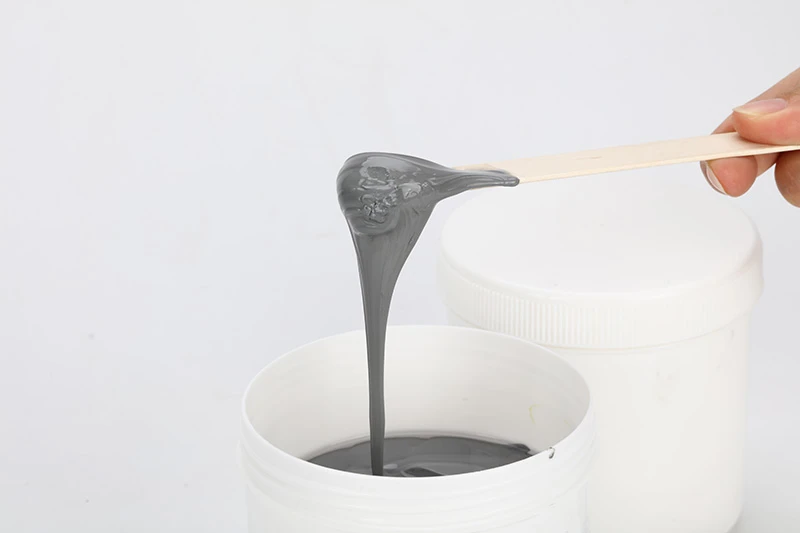
Thermal grease is a classic thermal interface material. It spreads easily, thanks to controlled viscosity, and works well on flat, closely mated surfaces.
Key traits include:
• High initial heat dissipation performance
• Flexible application method (manual or stencil)
• Risk of pump-out effect during thermal cycling
In daily production, the story often goes like this:
1) Apply grease in a thin layer.
2) Mount the heat sink with pressure.
3) Run thermal cycling tests.
Over time, grease may shift. That movement affects long-term stability, especially in systems exposed to vibration. It offers little structural backing and zero gap-bridging strength compared with thermal gap filler pads.
For tight CPU assemblies, grease still makes sense. For uneven stacks, tall components, or shock-heavy environments, many designers switch back to thermal gap filler pads or other gap filler pads to keep heat dissipation steady and predictable.
Struggling with Hot Spots? Try Gap Filler Pads
Hot spots in electronics are a real headache. When heat builds up fast, boards warp, chips throttle, and lifespan drops. That’s why thermal gap filler pads matter. By splitting the phrase into thermal + gap + filler + pads, it’s clear: they manage heat, fill space, and protect parts. Let’s break it down.
Tackling Automotive Electronics Overheating
In automotive applications, rising component temperature often leads to serious overheating issues. Thermal gap filler pads improve thermal management by boosting heat dissipation and steady thermal conductivity.
Control Unit Protection
• Heat Source
• Power MOSFETs
• ECUs
Gap Problem
• Uneven surfaces
• Vibration stress
Solution
• Thermal gap pads
• Filler pads with elasticity
Performance Impact
| Material Type | Thermal Conductivity (W/m·K) | Operating Temp (°C) | Compression Rate (%) |
| Silicone Pad A | 3.0 | -40 to 150 | 30 |
| Gap Filler B | 5.0 | -50 to 180 | 40 |
| Thermal Pad C | 6.5 | -40 to 200 | 35 |
| Standard Pad D | 2.0 | -30 to 120 | 25 |
Brands like Sheen Electronic Technology fine-tune thermal gap filler pads so cars stay reliable even in extreme climates.
Surface Tack and Adhesive Backing for LED Modules
Mounting LED modules gets easier with surface tack and adhesive backing. No sliding. No messy handling.
• Better heat transfer from chip to heatsink
• Lower interface resistance with quality thermal interface material
• Cleaner assembly during mass production
Thermal gap filler pads sit snug between board and housing. That tight contact cuts air pockets. Less air means better cooling. Even thin gap filler sheets can stabilize brightness and prevent color shift. For lighting makers, thermal gap filler pads aren’t optional—they’re the quiet hero behind steady output.
Custom Shapes via Molding and Punching
Complex boards demand custom shapes. Off-the-shelf won’t always cut it.
Design Input
CAD Layout
• IC spacing
• Mounting holes
Thickness Spec
• 0.5 mm
• 1.0 mm
Manufacturing processes
Molding
• Large-volume sheets
Punching and die-cutting
• Tight tolerance edges
• Application-specific inserts
With smart thermal pad customization, thermal gap filler pads match tricky layouts, from compact ECUs to slim LED arrays. Sheen Electronic Technology supports tailored gap filler pads that fit right the first time, saving rework and keeping heat under control.
Data Center Heatsink: Pad Upgrade
Data centers run hot, and nobody wants throttled processors or surprise downtime. Upgrading heat sinks with smarter materials like thermal gap filler pads makes cooling more stable and less of a headache. From lamination to die-cut sizing, the right thermal gap solutions keep servers calm, efficient, and built to last.
Laminating Elastomeric Sheets on Heat Sinks
When bonding Elastomeric Sheets to Heat Sinks, performance depends on how the Thermal Interface Material behaves under pressure and heat.
Material pairing basics:
• Match sheet softness to chip height tolerance.
• Confirm Thermal Conductivity meets processor load.
• Check surface flatness for tighter Surface Contact.
Lamination workflow inside server builds:
• Clean metal fins to boost Adhesion.
• Align pre-cut thermal gap filler pads over hotspots.
• Apply controlled pressure during the Lamination Process to avoid air gaps.
Performance tuning layers:
• Base layer: standard thermal gap filler pads for memory modules.
• Mid layer: reinforced gap filler pads for uneven ASIC packages.
• Top interface: thin thermal pad sheet to stabilize clamping force.
In high-density racks, thermal gap filler pads act like shock absorbers for heat, filling micro gaps that paste simply cannot handle. Sheen Electronic Technology refines lamination so each thermal gap filler pad bonds cleanly, keeping resistance low and uptime steady.
Die-cut Sheet Sizes for Server Rack Integration
Not all boards share the same Form Factor, so custom Die-cut Sheets matter.
Key sizing considerations:
• Match Component Dimensions of CPUs, GPUs, and VRMs.
• Respect available Installation Space inside each Server Rack.
• Balance density for airflow and compression.
Measure hotspot zones.
• Select thermal gap filler pads thickness.
• Validate fit against standard brackets for Standardization.
For mixed workloads, thermal gap filler pads can be trimmed into gap pad strips or full-coverage sheets. A quick tweak in Customization keeps pressure even and avoids board warp. Sheen Electronic Technology supports bulk die-cut thermal gap filler pads that drop straight into production lines, saving time and reducing scrap.
Ensuring Electrical Insulation and Stress Relief
Inside a packed chassis, heat control is only half the story. Electrical Insulation and Stress Relief protect fragile circuits.
Electrical layer control:
• High Dielectric Strength in thermal gap filler pads prevents short circuits.
• Stable Material Properties under long heat cycles.
Mechanical buffering system:
• Cushioning reduces Mechanical Stress on solder joints.
• Built-in Vibration Dampening limits micro-cracks.
• Flexible gap filler pad structure improves Component Protection.
Thermal gap filler pads do double duty: heat transfer plus insulation. In stacked server boards, that flexibility absorbs torque from heat sink screws and keeps traces safe. With carefully engineered thermal interface pads, Sheen Electronic Technology helps operators run dense data halls without worrying about silent board damage or electrical drift.
FAQs about Thermal Gap Filler Pads
What performance differences exist between silicone-based and acrylic thermal gap filler pads?
Thermal gap filler pads vary by composition and feel in real assemblies:
Silicone-based (Elastomeric)
• Wide Operating Temperature Range for Power Electronics and Automotive Electronics.
• Higher Dielectric Strength for Integrated Circuits and Circuit Boards.
• Softer Hardness improves Compressibility and Stress Relief.
Acrylic-based (Polymer Matrix)
• Stable Thickness and Density for LED Lighting and Consumer Electronics.
• Lower cost in large Sheet Size formats.
• Controlled Thermal Impedance for compact LED Modules.
In daily production, the choice often balances flexibility against budget and assembly speed.
How do ceramic-filled or fiberglass reinforced materials improve durability?
Ceramic-filled and Fiberglass Reinforced pads are built for pressure and heat:
Ceramic-filled:
• Higher Thermal Conductivity → faster Heat Dissipation from Processors and Power Transistors.
• Lower Thermal Resistance in tight Heat Sink interfaces.
Fiberglass Reinforced:
• Improved Flammability Rating for Industrial Control Systems.
• Stable Density and Thickness after Curing and Laminating.
• Better Thermal Cycling Stability under long load hours.
This structure keeps pads steady when equipment runs day and night.
Why choose non-silicone polymer matrix thermal gap filler pads for sensitive equipment?
In Telecommunications Equipment and Medical Devices, contamination control matters. Non-silicone, Polymer Matrix formulations reduce siloxane transfer while maintaining:
• Reliable Electrical Insulation
• Consistent Compressibility and Hardness
• Clean Slitting, Punching, and Coating during production
Adhesive Backing with balanced Surface Tack secures contact to Heat Sinks and Circuit Boards without residue. For engineers, that means fewer field failures and stronger Long-term Reliability.
Are thermal gap filler pads more reliable than thermal grease in high-power systems?
In server racks and Automotive Electronics, consistency decides uptime.
• Pads provide fixed Thickness and Die-cut Shapes for Memory Modules and Processors.
• No pump-out risk during Thermal Cycling Stability tests.
• Molding and Cutting control Sheet Size for repeatable assembly.
Testing in Power Electronics shows temperature drops up to 30% compared to air gaps, improving Heat Dissipation and protecting Integrated Circuits under sustained load.
Sheen Thermal
Dongguan Sheen Electronic Technology Co., Ltd · Founded in 2008
Manufacturer of thermal interface materials and silicone foam for automotive electronics, energy storage, power electronics, communications and consumer electronics.
Certified
- ISO 9001:2015
- ISO 14001:2015
- IATF 16949:2016
What we supply
- Thermal conductivity Up to 90 W/m·K
- Thickness 0.3–10.0 mm
- Custom & samples Die-cut to drawing, 3–7 days