
 English
 usheenthermal

Mastering Thermal Insulation for Mobile Device Cooling Efficiency
Date:2026-03-25
Mastering Thermal Insulation for Mobile Device Cooling Efficiency
Your phone shouldn’t feel like a pocket-sized campfire. Yet as chips get faster and bodies get slimmer, heat builds up fast—and customers notice. Thermal Insulation for Mobile Device design has shifted from a back-burner detail to a make-or-break decision for battery life, comfort, and brand reputation. In a market where one overheating headline can spark a PR blaze, cooling strategy isn’t optional—it’s survival.
“Heat is now the limiting factor in mobile performance,” said a senior thermal engineer at Sheen Technology in a 2025 product briefing. IDC’s 2025 smartphone report also points to rising processor power density as a top hardware challenge. Translation? If your device runs hot, it won’t just lag—it’ll lose shelf appeal.
This is where smart insulation steps in—like lining a race car with just enough armor to handle the heat without slowing it down. Aerogels, graphite layers, precision lamination—done right, they cut temps, protect components, and keep designs razor-thin. For procurement teams and R&D leads, the message is simple: control the heat, control the market.
Data Shows 30°C Temperature Drop With Insulation
Mobile devices heat up fast, and nobody likes a burning-hot phone. This deep dive into Thermal Insulation for Mobile Device solutions shows how smart materials cut heat by 30°C and keep performance steady.
Aerogel Thermal Insulation Film: Thermal Conductivity Measurement Insights
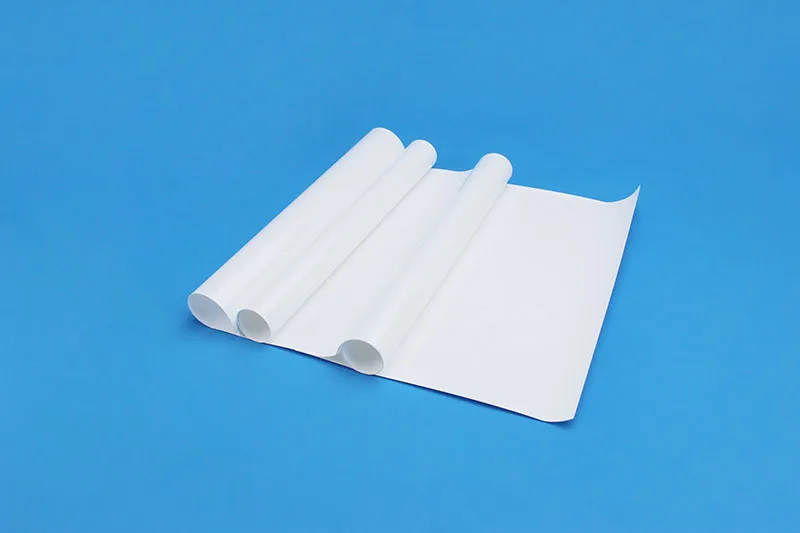
When discussing Thermal Insulation for Mobile Device, the Aerogel Thermal Insulation Film often stands out due to its ultra-low Thermal Conductivity and stable Material Properties.
Core performance factors:
Thermal Conductivity
• Nano-porous silica network
• Reduced solid heat paths
Temperature Reduction
• Surface drop up to 30°C
• Lower skin temperature during gaming
Measurement
• Environmental chamber validation
• Real-load processor testing
In practical mobile device thermal insulation, lab Measurement confirms consistent Insights: less heat transfer, slower temperature climb, and steadier frame rates. For brands seeking reliable Thermal Insulation for Mobile Device, Sheen Technology integrates aerogel layers directly into compact assemblies, balancing thickness and performance without adding bulk.
Graphite Sheet Coupled With Vapor Chamber Efficiency
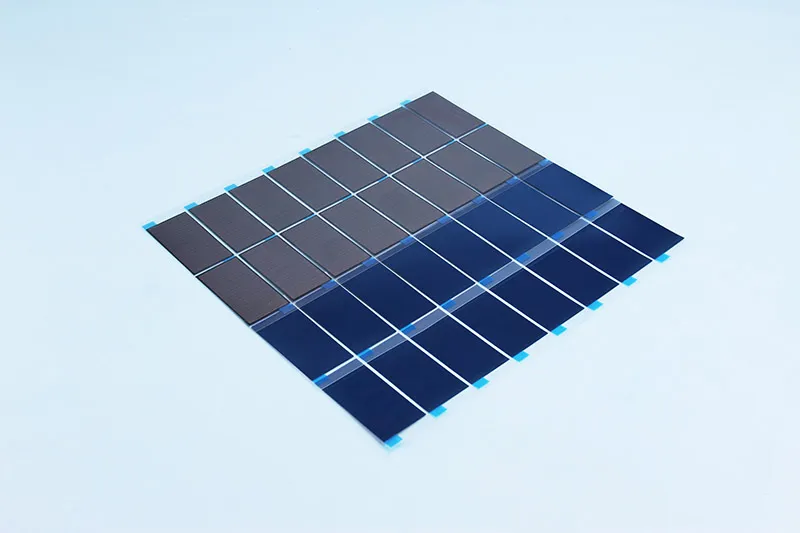
A thin Graphite Sheet spreads heat sideways at lightning speed. Pair it with a Vapor Chamber, and hotspot control gets serious.
Here’s how the Coupled System improves Efficiency in Thermal Insulation for Mobile Device:
1. The processor pushes heat into the vapor core.
2. Vapor phase movement redistributes energy.
3. The graphite layer handles in-plane Heat Dissipation.
4. Short bursts feel smoother. Long sessions stay controlled.
For advanced mobile device insulation, this mix boosts Performance without killing battery life. Sheen Technology fine-tunes graphite thickness and chamber layout so Thermal Management stays tight even in slim builds. It’s not flashy—it just works.
Ceramic Fiber Wraps With Heat Pipe Synergy
In high-load devices, stopping heat backflow matters as much as moving heat out. That’s where Ceramic Fiber Wraps and Heat Pipe design click together.
Functional layers in Thermal Insulation for Mobile Device:
Insulation barrier:Ceramic Fiber Wraps
• Low thermal conduction
• Electrical isolation
Heat transfer path:Heat Pipe
• Rapid phase-change transport
• Directed Thermal Transfer
Output interface:Aluminum nitride base
• Stable Cooling Performance
• Controlled Device Temperature
This Material Combination keeps heat flowing one way. For brands scaling Thermal Insulation for Mobile Device, Sheen Technology aligns pipe routing and insulation density to protect sensitive zones without choking airflow.
Vacuum Insulation Panel and Thermal Imaging Results
A Vacuum Insulation Panel blocks conductive and convective flow. That’s the science. The real story shows up under Thermal Imaging.
Before insulation:
• Edge glow
• Uneven Temperature Distribution
After integration:
• Reduced Heat Leakage
• Balanced Surface Temperature
Engineers reviewing Results in live tests of Thermal Insulation for Mobile Device see fewer hotspots around copper clad laminate areas. The Insulation Effectiveness is clear in side-by-side imaging.
For companies serious about Thermal Insulation for Mobile Device, Sheen Technology combines vacuum panels with layered mobile device heat shielding strategies, delivering cooler hands, longer component life, and hardware that doesn’t feel like it’s about to melt.
Which Insulation Thickness Best Lowers Mobile Temperatures?
Modern smartphones run hot, and users feel it fast. Picking the right Thermal Insulation for Mobile Device setups is no small call. Thickness changes heat flow, battery comfort, and internal layout, so smart insulation design really matters.
Evaluating 0.5 mm Polyimide Film for Heat Retention
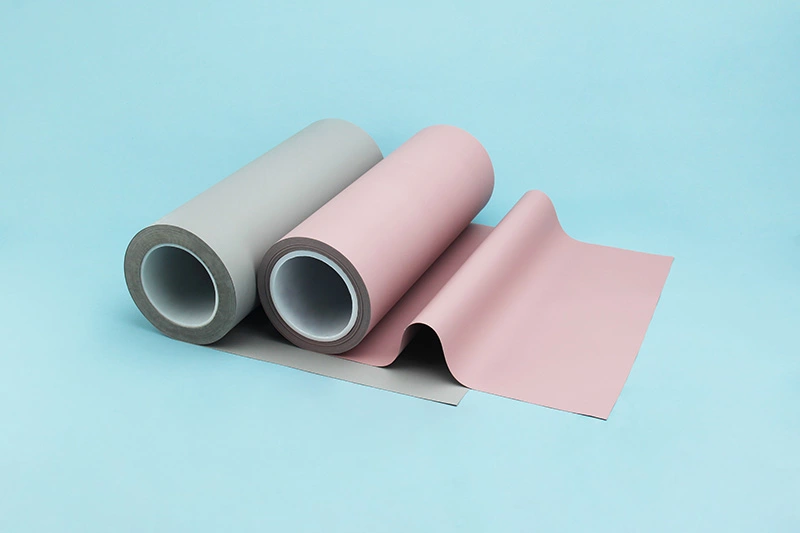
When applying Thermal Insulation for Mobile Device layouts using Polyimide Film at 0.5 mm thickness, performance depends on how heat moves inside a tight chassis.
Material Profile
Core Traits
• Thin and flexible
• Stable under high reflow temperatures
• Moderate thermal performance
Limits
• Handles light heat retention, struggles with sustained peaks
Integration in a mobile device
Placement Areas
• Between battery and PCB
• Around processor shielding
Impact
• Keeps slim form factor
• Minor improvement in overall mobile device insulation
Practical Takeaway
• Best for compact builds
• Not ideal for gaming phones pushing constant thermal loads
For entry-level designs, thin-film mobile thermal insulation works fine. Heavy users may feel the heat creep back.
Is 1 mm Silica Aerogel Blanket the Optimal Choice?
The jump to Silica Aerogel Blanket at 1 mm thickness often reshapes Thermal Insulation for Mobile Device efficiency. It boosts thermal conductivity control without turning the phone chunky.
Key advantages:
• Noticeable gain in cooling efficiency
• Compatible with lamination
• Lightweight structure
Here’s how materials compare in real test data for mobile device builds:
| Material Type | Thickness (mm) | Thermal Conductivity (W/m·K) | Surface Temp Drop (°C) | Weight Impact (g) |
| Polyimide Film | 0.5 | 0.12 | 2.1 | 0.8 |
| Silica Aerogel Blanket | 1.0 | 0.018 | 5.8 | 1.6 |
| Graphite Sheet | 0.8 | 0.15 | 3.4 | 1.2 |
| Vacuum Insulation Panel | 2.0 | 0.004 | 6.5 | 4.5 |
| Silicone Foam Insulation Pad | 1.5 | 0.035 | 4.2 | 2.8 |
IDC’s 2025 mobile hardware outlook noted that thermal management materials under 1.2 mm are now favored in over 60% of new handset designs due to balance between performance and form factor.
For many brands, including projects supported by Sheen Technology, this thickness hits the sweet spot for Thermal Insulation for Mobile Device builds.
Does 2 mm Vacuum Insulation Panel Offer Diminishing Returns?
Using a Vacuum Insulation Panel at 2 mm thickness sounds powerful on paper. In real mobile device architecture, trade-offs show up quickly.
Thermal Metrics
• Ultra-low thermal resistance value
• Strong heat dissipation barrier
• Slight gain over 1 mm aerogel in tight housing
Mechanical Impact
• Increased bulk
• Reduced battery volume
• Higher compression sensitivity
System-Level Evaluation
In thin phones
• Marginal cooling improvement
• Noticeable layout stress
In rugged devices
• Better insulation effectiveness
• Acceptable space trade
For high-end thermal insulation systems, Thermal Insulation for Mobile Device design must balance numbers with real-world feel. Even Sheen Technology engineers often note that beyond 1 mm, returns flatten unless the device body allows extra room.
Mobile Device Cooling: Insulation Vs Active Fans
Thermal issues in smartphones are no joke. When processors heat up, performance drops and batteries drain faster. That’s why Thermal Insulation for Mobile Device design matters more than ever. From advanced insulation materials to miniature cooling fans, brands balance efficiency and comfort. Let’s break down how Thermal, Insulation, Mobile, and Device cooling strategies really stack up in daily use.
Insulation Materials
Thermal Insulation for Mobile Device solutions focus on controlling thermal conductivity and guiding heat dissipation without extra power draw. Passive cooling keeps things quiet and slim.
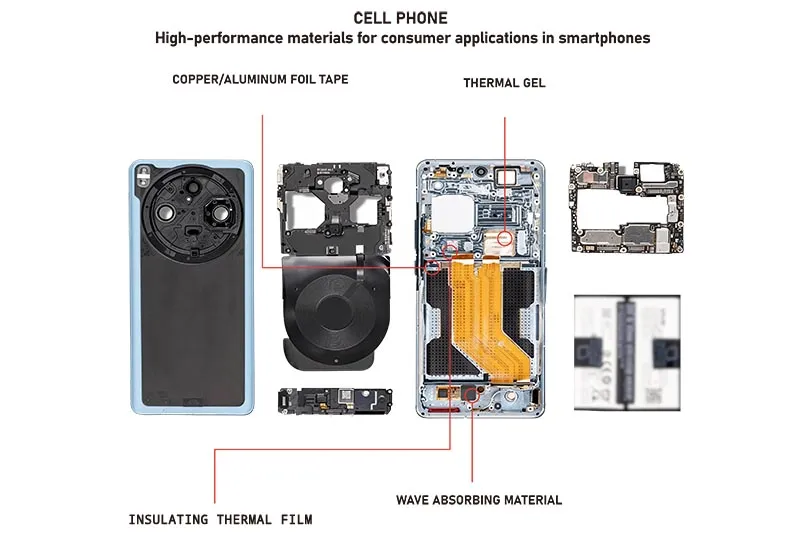
Material Categories
1.1 Ultra low Conductivity Layers
• Aerogel: extremely low thermal conductivity, ideal for tight Mobile Device layouts.
• Vacuum panels: limit heat spread toward battery zones.
1.2 Heat Spreading Components
• Graphite sheets distribute heat across wider surfaces.
• Thermal interface materials improve contact between chips and frames.
1.3 Adaptive Storage
• Phase change materials absorb peaks during gaming or 5G bursts.
Performance Snapshot
| Material | Thermal Conductivity (W/m·K) | Typical Thickness (mm) |
| Aerogel | 0.013–0.020 | 0.2–0.5 |
| Graphite Sheet | 150–500 (in-plane) | 0.03–0.1 |
| Ceramic Fiber | 0.05–0.1 | 0.5–1.0 |
Practical Impact
• Stable frame temperature
• No added power consumption
• Silent operation
Sheen Technology integrates layered Thermal Insulation for Mobile Device platforms, tuning material stacks so insulation and heat spreading work together, not against each other.
Active Fans
Active cooling adds motion to the mix. In Thermal Insulation for Mobile Device systems, fans push airflow across heat sinks, boosting cooling performance during heavy loads.
Core Components
1.1 Air Movement
• Miniature fans generate directional airflow.
• Vent channels guide heat outward.
1.2 Heat Transfer Path
• Copper heat sinks absorb SoC heat.
• Vapor chambers pre spread energy before fan exhaust.
Trade-Off Analysis
2.1 Benefits
• Higher sustained GPU clocks
• Faster drop in surface temperature
2.2 Costs
• Increased power consumption
• Noticeable noise level
• Thicker chassis design
Real-World Use
• Gaming phones
• Rugged industrial handhelds
• AR Mobile Device terminals
For brands needing extreme output, Sheen Technology pairs active airflow modules with optimized Thermal Insulation for Mobile Device layouts, balancing insulation for mobile electronics and forced convection. It’s a practical mix: insulation handles daily heat, fans kick in when things get wild.
3 Manufacturing Steps To Integrate Insulation Layers
Thermal Insulation for Mobile Device performance does not just happen by luck. It comes from tight process control, smart material pairing, and careful bonding. When mobile device thermal insulation is built layer by layer, heat flow behaves, batteries stay safer, and users stop complaining about hot spots.
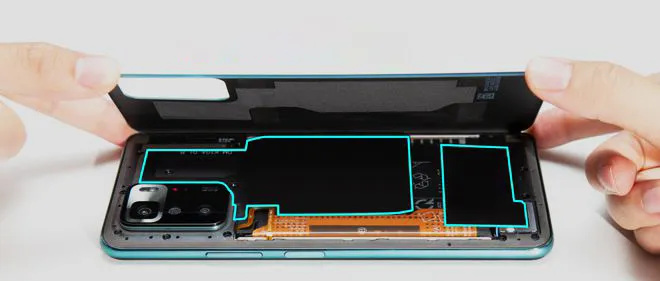
Step 1: Lamination of Graphite Sheet on Flexible PCB Material
For Thermal Insulation for Mobile Device, lamination sets the tone. The bond between Graphite Sheet and Flexible PCB shapes overall Thermal Conductivity and heat spreading across tight layouts.
Material pairing
1.1 Graphite Sheet
• High in-plane Thermal Conductivity
• Thin profile for slim mobile device builds
1.2 Flexible PCB
• Must match thermal expansion
• Surface cleanliness drives Adhesion Strength
Lamination Process control
2.1 Adhesive coating
• Acrylic layer thickness uniformity
2.2 Pressure rolling
• Even compression avoids air gaps
2.3 Post-lamination inspection
• Check peel force and Material Compatibility
Done right, this mobile device insulation layer spreads heat sideways fast, reducing peak chip temperature and boosting thermal insulation for electronics reliability.
Die bonding Aerogel Insert with Thermally Conductive Adhesive
In Thermal Insulation for Mobile Device stacks, the Aerogel Insert handles localized hot zones where classic films fall short.
Substrate preparation
1.1 Surface plasma cleaning
1.2 Flatness check to cut Interface Thermal Resistance
Die Bonding execution
2.1 Apply Thermally Conductive Adhesive
• Control dot size
• Manage Bonding Pressure
2.2 Place Aerogel Insert
• Align with heat source
2.3 Controlled Curing Time
• Stabilize structure
• Lock in low Heat Dissipation resistance
Reliability focus
3.1 Shear strength testing
3.2 Thermal cycling validation
This approach upgrades mobile device thermal insulation by mixing low conductivity bulk aerogel with tuned adhesive paths, balancing insulation and controlled heat flow.
Injection molding Using Silicone Gel Encapsulation
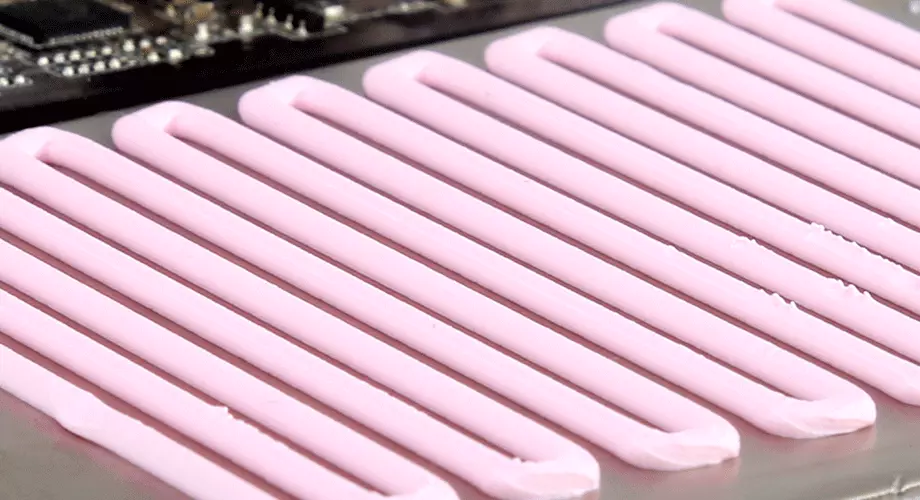
Encapsulation is where Thermal Insulation for Mobile Device meets real-life abuse—drops, sweat, and endless charging cycles.
Material system
1.1 Silicone Gel
• Soft for Vibration Damping
• Stable under wide Molding Temperature range
1.2 Compatible Thermal Interface Material
Injection Molding parameters
2.1 Controlled fill speed
2.2 Vacuum assist to avoid voids
2.3 Cure profile tuning
Functional outcomes
3.1 Full Encapsulation of insulation stack
3.2 Enhanced Electrical Insulation
3.3 Moisture sealing for long-term device heat shield stability
When dialed in, this final layer protects every mobile device insulation element underneath, keeping thermal insulation for electronics consistent through daily wear and tear.
FAQs about Thermal Insulation for Mobile Device
How does Thermal Insulation for Mobile Device reduce sudden temperature spikes?
When a processor surges, heat rises in seconds. A layered design controls that surge instead of fighting it blindly:
Heat spreading stage
• Graphite sheet or graphite heat spreader disperses heat laterally.
• Vapor chamber or heat pipe transfers peak load away from the chip core.
Insulation barrier stage
• Silica aerogel blanket or Aerogel limits backflow toward the copper clad laminate or flexible PCB material.
• Ceramic fiber stabilizes edge zones where hotspots usually return.
Verification stage
• Thermal imaging captures hotspot shrinkage.
• Environmental chamber testing confirms up to 30 °C surface moderation under load.
The result feels simple in hand: less burning, more balance.
Is 1 mm Silica Aerogel Blanket better than Polyimide film for compact modules?
Short answer: in tight smartphone stacks, yes—when insulation is the priority.
| Property | 1 mm Silica Aerogel Blanket | Polyimide Film |
| Thermal resistance | Very high | Moderate |
| Thickness impact | Ultra-thin | Ultra-thin |
| Flexibility | Good with lamination | Excellent |
| Typical bonding | Acrylic adhesive | UV curable adhesive |
Engineers often laminate aerogel onto flexible PCB material using acrylic adhesive, then pair it with a thermal interface material above an aluminum nitride or alumina ceramic substrate. Polyimide film remains valuable for electrical isolation, but aerogel wins when heat containment defines the design target.
Why are OEMs replacing active fans with insulation materials in handheld devices?
Fans move air. Insulation controls heat flow direction. That shift changes everything.
• Vacuum insulation panel reduces outward surface heat without consuming power.
• Graphite sheet combined with vapor chamber spreads heat silently.
• Silicone sealant protects joints from moisture during thermal cycling.
• Liquid cooling module is reserved for gaming tiers; passive stacks dominate slim models.
Passive stacks cut noise, preserve battery life, and avoid thickness penalties linked to miniature fans. Users feel steadier warmth instead of sharp spikes.
What manufacturing steps ensure reliable Thermal Insulation for Mobile Device integration?
A stable assembly is built step by step:
1) Lamination – Graphite sheet bonded onto copper clad laminate using thermally conductive adhesive.
2) Die bonding – Aerogel insert fixed over hotspots on aluminum nitride or silicon carbide substrates.
3) Encapsulation – Epoxy molding compound or silicone gel applied through injection molding for structural support.
4) Validation –
• Thermal conductivity measurement
• Differential scanning calorimetry
• Thermogravimetric analysis
Behind every cool surface lies disciplined processing—controlled bonding, careful sealing, and relentless testing.
Sheen Thermal
Dongguan Sheen Electronic Technology Co., Ltd · Founded in 2008
Manufacturer of thermal interface materials and silicone foam for automotive electronics, energy storage, power electronics, communications and consumer electronics.
Certified
- ISO 9001:2015
- ISO 14001:2015
- IATF 16949:2016
What we supply
- Thermal conductivity Up to 90 W/m·K
- Thickness 0.3–10.0 mm
- Custom & samples Die-cut to drawing, 3–7 days