
 English
 usheenthermal

Carbon Fiber vs Silicone: High thermal conductivity carbon fiber gasket (45W/mK+)
Date:2026-04-03
Carbon Fiber vs Silicone: High thermal conductivity carbon fiber gasket (45W/mK+)
Heat is the silent deal-breaker in modern electronics. Push a server rack or EV module too hard, and silicone starts sweating like a rookie under stadium lights. That’s where the High thermal conductivity carbon fiber gasket (45W/mK+) steps in—less sponge, more superhighway for heat. While silicone pads cruise at modest conductivity, 45W/mK+ moves heat fast, cutting hotspots before they torch performance or warranties.
Data centers alone consumed about 460 TWh of electricity in 2022, says the International Energy Agency—every wasted watt turns into heat that has to go somewhere.
Engineers feel that squeeze daily. A gasket isn’t just filler; it’s the bouncer at the thermal door. Pick the wrong one, and you’re mopping up failures. Pick carbon fiber, and heat exits stage left—quick, clean, controlled.
Key Points: High thermal conductivity carbon fiber gasket (45W/mK+)
➔ Thermal Performance: Offers 45W/mK+ conductivity, rapidly transferring heat to prevent hotspots in data centers and power modules.
➔ Mechanical & Electrical Strength: Combines lightweight durability with ultra-low resistivity, ensuring EMI control and structural integrity under stress.
➔ Versatile Applications: Ideal for data centers, automotive electronics, and power converters; customizable via die cutting and lamination with rigorous quality control.
Silicone vs Carbon Fiber Gaskets
Silicone and carbon fiber gaskets serve totally different vibes in thermal management. One leans on flexibility and electrical insulation, the other pushes serious heat flow with high thermal conductivity and raw strength. If heat is the enemy, material choice decides who wins.
Silicone Gasket
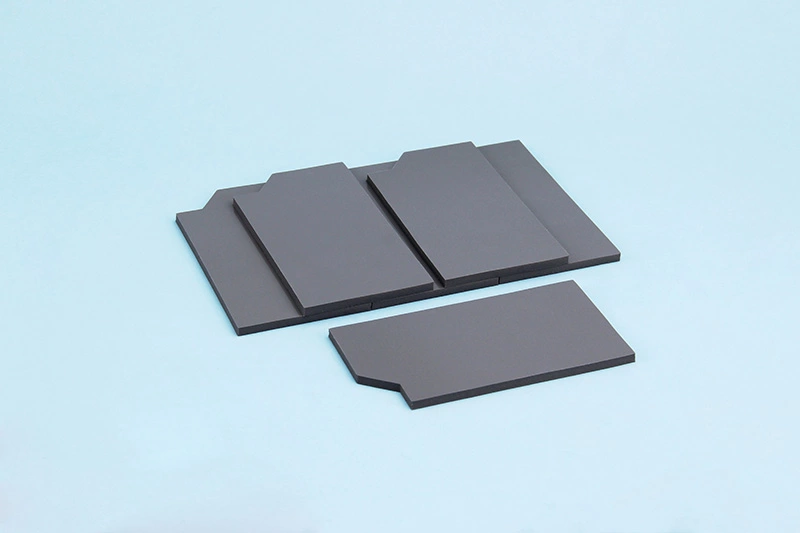
Silicone gaskets are built for control, sealing, and electrical safety. The core value sits in material behavior rather than extreme heat transfer.
Material Characteristics
Flexibility
· Soft structure allows tight sealing
· Maintains elasticity under vibration
Temperature resistance
· Handles wide thermal swings without cracking
· Stable thermal expansion behavior in moderate ranges
Electrical insulation
· Prevents short circuits in LED modules
· Supports sensitive electronics
Performance Advantages
Chemical resistance
· Resists moisture and oxidation
· Stable dimensional stability
· Keeps shape under compression molding
· Easy extrusion processing
Common Applications
· LED housings
· Consumer electronics
· Lightweight control panels
Silicone works when sealing reliability matters more than raw heat flow. In setups that don’t demand a High thermal conductivity carbon fiber gasket (45W/mK+), silicone remains cost-effective and practical. It’s dependable, easygoing, and forgiving during installation.
Carbon Fiber Gasket
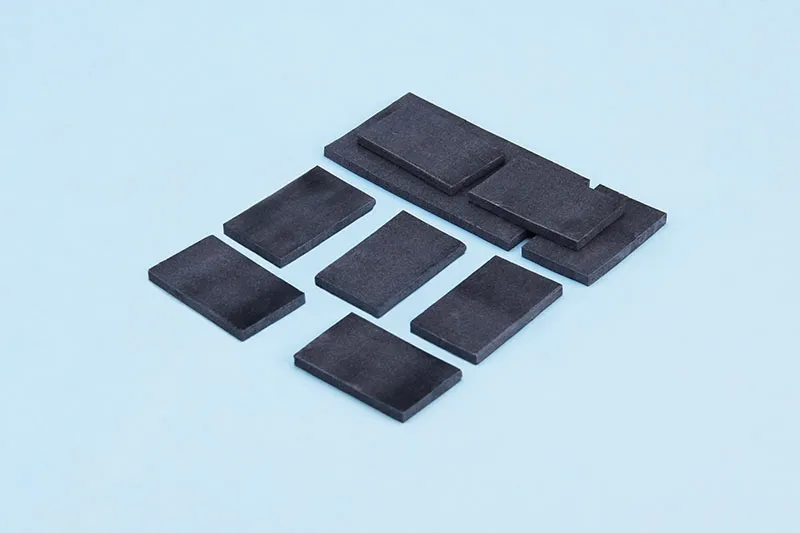
Carbon fiber gaskets are engineered for heat movement and mechanical demand. This is where the High thermal conductivity carbon fiber gasket (45W/mK+) steps in and changes the game.
Core Thermal Structure
High-density carbon network
· Enables high thermal conductivity
· Achieves 45W/mK+ performance
Low thermal expansion
· Maintains tight interface contact
· Strong dimensional stability
Mechanical Profile
· Exceptional strength
· Noticeable durability
· Truly lightweight construction
Electrical Behavior
· Low resistivity
· Suitable for power modules
Application Hierarchy
· Power electronics
· IGBT modules
· EV inverters
· Data centers
· GPU servers
· AI acceleration units
· Telecom base stations
When systems run hot, a High thermal conductivity carbon fiber gasket (45W/mK+) ensures heat exits fast instead of building up.
Each element matters. Combined, the High thermal conductivity carbon fiber gasket (45W/mK+) becomes a heat-transfer carbon fiber gasket designed for serious cooling loads.
Manufacturers chasing stable output and longer device life often upgrade to a High thermal conductivity carbon fiber gasket (45W/mK+) because airflow alone just doesn’t cut it anymore.
For brands demanding precision and consistency, Sheen Technology supplies engineered carbon fiber gasket solutions tuned for 45W/mK+ performance targets. In high-power environments, that edge makes a real difference.
4 Reasons to Choose 45W/mK+ Carbon Fiber Gasket
High-power devices run hot, and heat is a real buzzkill. A High thermal conductivity carbon fiber gasket (45W/mK+) keeps systems cool, stable, and safe while staying lightweight and electrically reliable.
Superior heat dissipation and temperature stability
A High thermal conductivity carbon fiber gasket (45W/mK+) is built around measurable thermal conductivity and steady temperature stability.
Core thermal metrics
1.1 Thermal conductivity above 45W/mK+ boosts heat dissipation in compact modules.
1.2 Stable operating temperature reduces drift in chips and power units.
1.3 Efficient thermal management supports long-term high performance.
Application impact
2.1 In telecom boards, fast heat spread prevents hotspots.
2.2 In EV control units, a stable casing temperature protects circuits.
Data snapshot
| Properties | Unit | CSF45 | Test Method |
| Color | - | Black | Visual |
| Thickness | mm | 0.3 ~ 12.0 | ASTM D374 |
| Main Components | - | Silicone | - |
| Additives | - | Carbon Fiber,Al2O3 | - |
| Thermal Conductivity | W/m · K | 45.0 | ASTM D5470 |
| Thermal Impedance (1mm @20psi) | °C*in2/W | 0.07 | ASTM D5470 |
| Density | g/cm3 | 2.6±0.2 | ASTM D792 |
| Dielectric Strength (@AC) | V/mm | 100 | ASTM D149 |
| Customized Hardness | Shore 00 | 40 ~ 90 | ASTM D2240 |
| Standard Hardness | Shore 00 | 40/60±5 | ASTM D2240 |
| Elongation | % | 10 | ASTM D412 |
| Tensile Strength | psi | 30 | ASTM D412 |
| Optimal Compression Ratio | - | 10±5% | - |
| Flame Rating | - | V-0 | UL 94 |
| Operating Temp. | °C | -50 ~ 160 | ASTM D1329 |
| RoHS | - | PASS | IEC 62321 |
| Halogen | - | PASS | EN 14582 |
| REACH | - | PASS | EN 14372 |
The numbers speak for themselves. A high thermal conductivity carbon fiber gasket clearly improves cooling efficiency without adding bulk.
Ultra-low electrical resistivity for power electronics
In power modules, electrical resistivity matters just as much as heat flow. This carbon fiber thermal gasket offers low conductivity resistance while maintaining surface insulation control where required.
Better grounding in power electronics
· Improved signal integrity
· Added EMI shielding stability
When current spikes hit hard, low resistivity supports safe discharge paths. That’s why a High thermal conductivity carbon fiber gasket (45W/mK+) is often chosen for inverters and high-current converters. Sheen Technology tunes material layers to balance heat flow and electrical behavior, keeping performance tight and predictable.
Exceptional mechanical strength with minimal density
Strength doesn’t have to mean heavy.
Material foundation
1.1 Carbon fibers enhance mechanical strength.
1.2 Optimized weave lowers overall density.
Structural benefits
2.1 High durability under vibration.
2.2 Reliable structural integrity in automotive electronics.
Performance outcome
3.1 True lightweight design.
3.2 Stable material properties across thermal cycles.
A carbon fiber sealing gasket handles stress without warping, which keeps mounting pressure even and heat paths consistent.
Advanced customization capabilities and quality control
Not every device runs the same. Custom material selection and precise manufacturing make a difference.
1) Die cutting for tight dimensional accuracy
2) Lamination for layered heat paths
3) Batch-level performance testing before shipment
Sheen Technology supports tailored thickness, surface treatment, and sheet size options. Strict quality control checks ensure every High thermal conductivity carbon fiber gasket (45W/mK+) meets demanding specs.
If you want cooling that works hard without adding weight, this is the smart move.
High-Power Electronics: 45W/mK+ Gasket Use Cases
High-power systems run hot, and heat is the silent troublemaker behind downtime and early failure. The High thermal conductivity carbon fiber gasket (45W/mK+)—broken down into high thermal conductivity + carbon fiber + gasket + 45W/mK+—steps in as a serious thermal interface material for tight spaces and heavy loads. From servers to inverters, this high thermal conductivity carbon fiber gasket keeps things cool without overcomplicating design.
Data centers — enhancing thermal management reliability
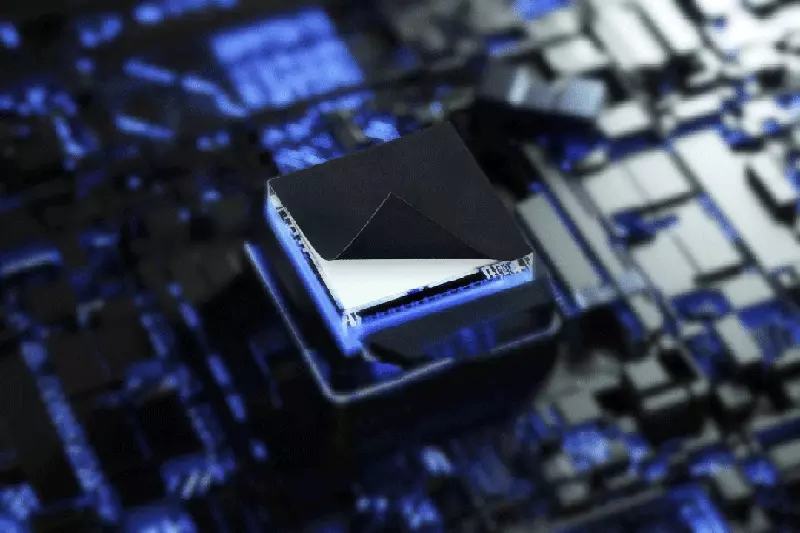
Inside modern data halls, server racks pack dense processors beside advanced cooling systems. A High thermal conductivity carbon fiber gasket (45W/mK+) sits between heat sources and spreaders, pushing heat away fast to support heat dissipation and prevent thermal runaway prevention issues.
Performance in typical rack environments:
| Interface Material | Thermal Conductivity (W/mK) | Max Operating Temp (°C) |
| Silicone Pad | 1–15 | 150 |
| Carbon Fiber Gasket 45W/mK+ | 15–45 | 160 |
| Phase Change Pad | 3–8 | 125 |
Impact pathway inside data centers:
Component level
· CPU/GPU interface,Reduced junction temperature,Improved component longevity
· Power distribution boards,Stable load handling
System level
· Better airflow efficiency
· Higher energy efficiency
The result is steady uptime and fewer surprise shutdowns.
Automotive electronics — maintaining temperature stability under stress
Under the hood of electric vehicles, space is tight and vibration never stops. A high thermal conductivity carbon fiber gasket handles thermal cycling without cracking or losing contact pressure.
Application layers in vehicles:
Control layer
1.1 Engine control units
1.2 Battery management systems
Power layer
2.1 DC-DC converters
2.2 On-board chargers
Each layer depends on consistent heat flow. The High thermal conductivity carbon fiber gasket (45W/mK+) resists corrosion and limits performance degradation, helping maintain long-term reliability even after thousands of drive cycles. In short, less heat drama, more stable driving electronics.
Power electronics modules — optimizing heat dissipation in converters
Converters live hard lives. Inverters, rectifiers, and high-current semiconductor devices switch fast and dump heat into compact heat sinks.
Thermal path optimization typically follows this chain:
Chip surface
· High thermal conductivity carbon fiber gasket
· Uniform pressure distribution
· Lower interface resistance
Baseplate
· External cooling plate
By integrating a High thermal conductivity carbon fiber gasket (45W/mK+) as an advanced thermal interface material, designers raise operational efficiency and slow aging in power modules. Heat leaves quickly, junction temperatures stay controlled, and lifespan stretches out. For high-load converters, that steady thermal bridge makes all the difference.
FAQs about High Thermal Conductivity Carbon Fiber Gasket (45W/mK+)
What advantages does a High thermal conductivity carbon fiber gasket (45W/mK+) offer for power electronics?
In power electronics, heat decides lifespan. A carbon fiber gasket rated at 45W/mK+ acts as a fast thermal bridge between heat sources and heat sinks.
1) Rapid heat dissipation – high thermal conductivity moves energy away from chips in converters and inverters.
2) Stable temperature control – limits thermal drift under heavy current loads.
3) Lower device stress – reduces expansion mismatch compared with metal alloys or ceramic materials.
The result: stronger reliability and longer service cycles in demanding thermal management systems.
How does a carbon fiber gasket compare with silicone in electronic cooling?
Silicone pads are valued for flexibility and electrical insulation. Carbon fiber and graphite-based gasket sheets focus on performance intensity.
· Thermal conductivity: Carbon fiber >> silicone
· Mechanical strength: Carbon fiber handles compression and vibration better
· Electrical behavior: Ultra low electrical resistivity supports grounding in telecommunications equipment
For electronic cooling and LED lighting, the choice depends on priority—insulation and softness, or high heat flow and structural strength.
How are High thermal conductivity carbon fiber gaskets (45W/mK+) manufactured and customized?
Production blends precision with material science.
① Compression molding or lamination forms dense carbon fiber or polymer composite sheets.
② Die cutting shapes gasket, pad, or film formats for exact module layouts.
③ Quality control checks thermal conductivity, density, and durability before shipment.
Suppliers with strong customization capabilities, short lead time, and clear certifications help engineers fine tune thickness, layering, and corrosion resistance for automotive electronics or data centers.
Why are these gaskets critical for automotive electronics and data centers?
High load environments test every material property.
· In automotive electronics, vibration, thermal cycling, and corrosion demand mechanical strength and stable heat dissipation.
· In data centers: continuous processor output requires steady temperature stability and reliable heat transfer between chips and cooling plates.
A High thermal conductivity carbon fiber gasket (45W/mK+) stands firm under pressure—maintaining durability, controlling heat, and protecting system reliability where downtime is costly.
Sheen Thermal
Dongguan Sheen Electronic Technology Co., Ltd · Founded in 2008
Manufacturer of thermal interface materials and silicone foam for automotive electronics, energy storage, power electronics, communications and consumer electronics.
Certified
- ISO 9001:2015
- ISO 14001:2015
- IATF 16949:2016
What we supply
- Thermal conductivity Up to 90 W/m·K
- Thickness 0.3–10.0 mm
- Custom & samples Die-cut to drawing, 3–7 days