
 English
 usheenthermal

Thermal Interface Material Comparison: Grease vs. Pads vs. Liquid Metal
Date:2026-05-13
Thermal Interface Material Comparison: Grease vs. Pads vs. Liquid Metal
Pick the wrong thermal interface material and your high-powered hardware runs hot, fails early, and quietly drains profit.
According to recent analyses from MarketsandMarkets and Grand View Research, the global TIM market is projected to keep expanding through 2025 as power densities rise across data centers, EVs, and consumer electronics.
Choices matter.
Types Of Thermal Interface Material Explained
Modern electronics run hot, and without the right thermal interface material, performance drops fast. From laptops to EV inverters, every device relies on a smart heat path between chip and sink. Let’s break down how each thermal interface solution works in real-world cooling.
Thermal Paste: Silicone-Based & Ceramic-Filled Formulations
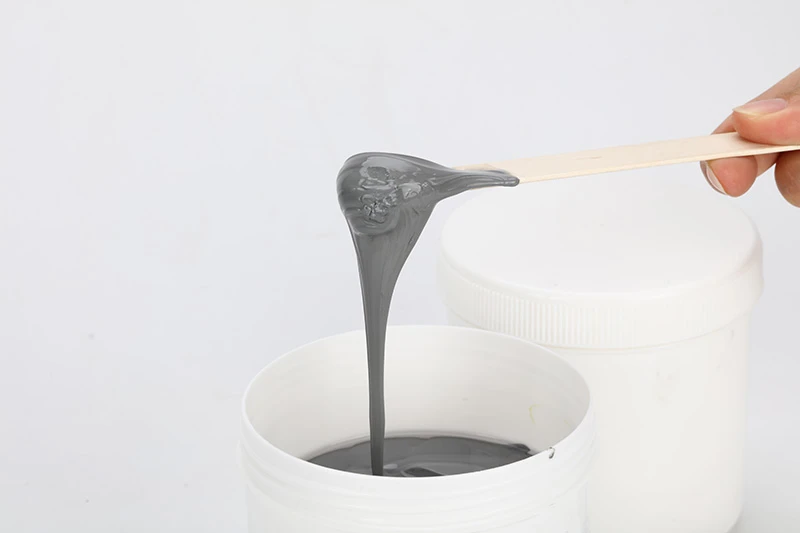
When people say thermal paste, they usually mean a thermal compound built on:
Base system
· Silicone-based carrier
· Synthetic oil blends
Filler package
· Ceramic-filled particles
· Aluminum oxide
· Boron nitride
Functional role
· Improves heat transfer
· Reduces air gaps in the interface material layer
· Maintains electrical insulation
In a CPU stack:
· Die → thermal interface material → heat spreader
· Spread layer thickness: 20–100 μm
· Goal: lower thermal resistance below 0.1 °C·cm²/W
This kind of thermal interface solution is common in PCs and power modules. Sheen Technology formulates paste systems tuned for stable viscosity and low pump-out under thermal cycling.
Thermal Pad Variants with Graphite and Polymer Matrix
A thermal pad keeps things simple.
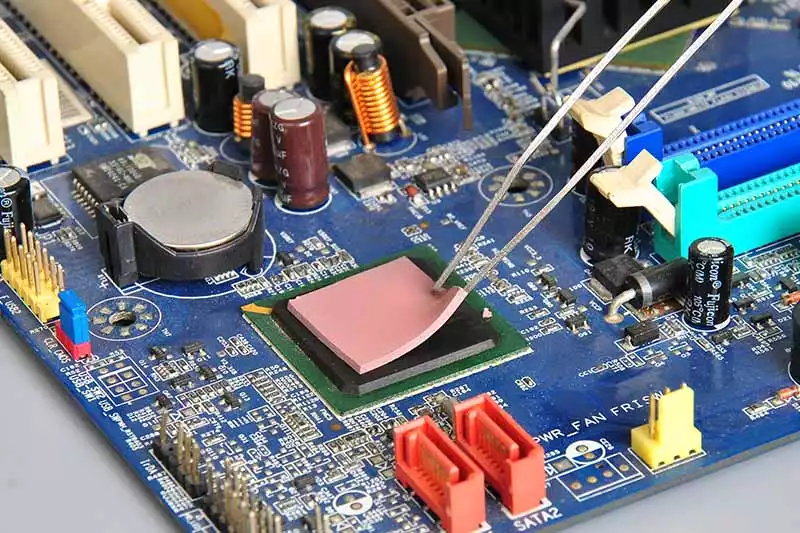
Core structure:
Matrix
· Polymer matrix
· Silicone elastomer
Additives
· Graphite sheets
· Ceramic powders
Performance factors:
· Consistent bond line
· Controlled heat conduction
· Reliable thermal interface spacing
Pads work well in LED drivers and telecom boards. No mess, no squeeze-out. Just cut, place, done.
Phase Change Material vs. Thermal Film Performance
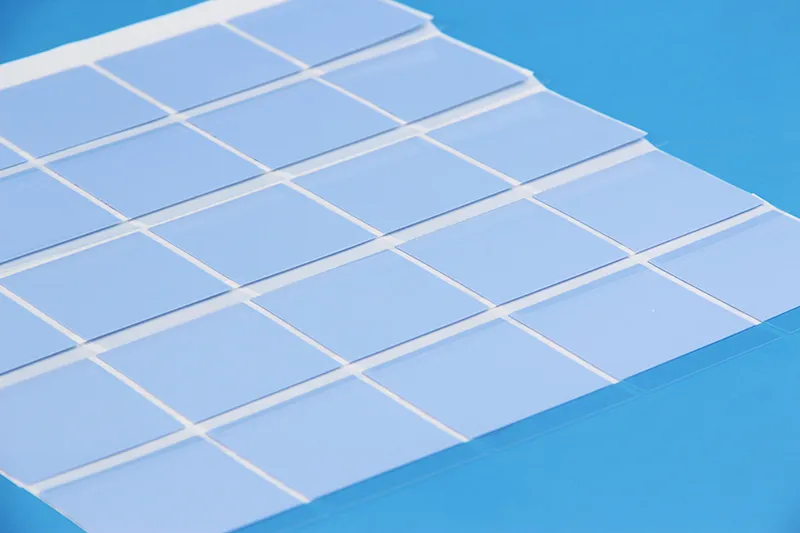
Comparison snapshot:
| Material Type | Activation Temp (°C) | Conductivity (W/m·K) | Typical Thickness (mm) | Automation Friendly |
| Phase Change Material | 45–55 | 3–8 | 0.2–0.3 | Medium |
| Thermal Film | N/A | 1–5 | 0.02–0.25 | High |
| Grease-Based Paste | N/A | 1–5 | 0.02–0.1 | Low |
| Silicone Pad | N/A | 1–15 | 0.3–10 | Medium |
A phase change material softens at operating temperature, reducing contact resistance inside the thermal interface material layer. A thermal film keeps thickness tight, ideal for automated lines in data centers.
Gap Filler Solutions for Irregular Surfaces
Not all surfaces are flat. That’s where gap filler products step in.
Base
· Silicone gel
· Soft polymer
Behavior
· High compression (30–70%)
· Surface wetting on irregular surface profiles
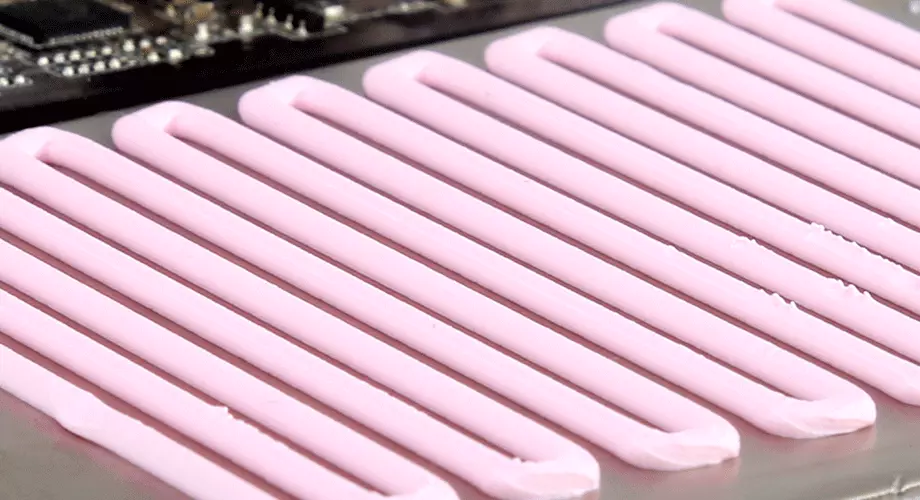
Application
· Power modules
· EV battery packs
This thermal management approach bridges millimeter-level gaps while keeping solid heat transfer paths.
Liquid Metal: Metal Alloy & Boron Nitride Hybrids
High-end cooling pushes into liquid metal territory.
Composition:
· Metal alloy:Gallium-based systems
· Hybrid option:Boron nitride reinforcement
Key traits:
· Extremely high heat conductor performance
· Electrically conductive (pure alloy)
· Improved stability in hybrid material blends
In advanced CPU builds, this type of thermal interface material can slash junction temperature dramatically. For safer integration, Sheen Technology also develops insulated hybrid thermal interface material systems balancing conductivity and reliability.
In short, picking the right thermal interface material isn’t guesswork. It’s matching structure, thickness, and conductivity to the job at hand.
Need the exact numbers before you decide? Download the product datasheets to review thermal conductivity, thickness range, operating temperature, dielectric strength, and application guidance for each thermal interface material.
Specifications For Grease, Pads, And Liquid Metal
Choosing the right thermal interface material is not just about numbers on a datasheet. It’s about keeping chips cool, systems stable, and budgets sane. From thermal grease to pad and liquid metal, each thermal interface material plays a different game in real-world heat control.
Thermal Performance: Conductivity, Impedance & Resistance
When sizing up a thermal interface material, thermal metrics decide if your device runs chill or cooks itself.
Core Heat Metrics
1.1 thermal conductivity (W/m·K)
· Drives heat transfer efficiency inside a thermal interface material.
· Higher values improve thermal dissipation, yet only when bond line control is tight.
1.2 thermal impedance (°C·cm²/W)
· Reflects real interface behavior under pressure.
· Directly impacts **interface temperature** in CPUs and power modules.
1.3 thermal resistance (°C/W)
· Governs overall thermal performance across the stack.
Bond Line & Temperature Range
2.1 bond line thickness
· Too thick? Rising thermal resistance.
· Too thin? Risk of dry-out or voids.
2.2 Operating window
· −50°C to 200°C typical for grease and liquid metal thermal interface material options.
| TIM Type | Thermal Conductivity (W/m·K) | Thermal Impedance (°C·cm²/W) | Operating Temp (°C) |
| Silicone Grease | 1–5 | 0.02–0.04 | -50 to 150 |
| Phase Change Material | 3–8 | 0.02–0.05 | -40 to 125 |
| Silicone Gap Pad | 1–15 | 0.10–0.90 | -50 to 200 |
| Liquid Metal | 20–80 | 0.01–0.05 | -10 to 200 |
IDC’s 2025 thermal management update notes that rising AI server density is “pushing advanced thermal interface material demand toward double-digit annual growth,” especially in high-conductivity segments.
For data centers, that translates to lower interface temperature, tighter control of thermal dissipation, and longer hardware life.
Mechanical Properties: Viscosity, Conformability & Durability
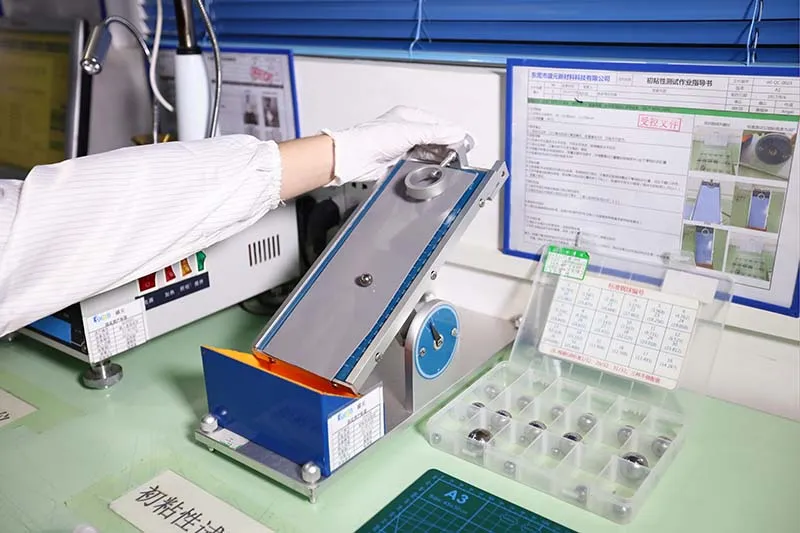
A thermal interface material also has to behave under pressure, literally.
· viscosity defines pumpability and spread. Too thick and dispensing stalls; too thin and it bleeds.
· conformability lets the thermal interface material fill microgaps, improving contact and reducing trapped air.
· durability under cycling protects long-term material stability.
In practice:
During assembly
· Controlled bond line thickness ensures repeatable performance.
· Adequate adhesion strength prevents edge lift.
During operation
· Repeated heating creates mechanical stress.
· Low compression set maintains contact force.
Grease suits fine-pitch processors. Pads win where tolerance stack-ups are messy. Liquid metal? Massive performance, but careful handling. A solid thermal management material should survive vibration in EV modules and nonstop loads in servers. That’s where engineered solutions from Sheen Technology stand out, balancing viscosity, conformability, and real-world durability without overcomplicating assembly.
Processing & Compliance: Dispensing Methods and RoHS/REACH
Selecting a thermal interface material is also about how it flows through your factory.
Dispensing methods and application techniques
1.1 Automated syringe or jet:Ideal for grease-type thermal interface material.
1.2 Screen or stencil printing:Supports tight volume control.
1.3 Die-cut pads:Fast placement, reduced mess.
Manufacturing Control
· Stable material handling prevents contamination.
· Process tuning keeps voids low and output steady.
Regulatory Alignment
· RoHS compliance limits hazardous substances.
· REACH compliance aligns with strict environmental regulations.
For global OEMs, a compliant thermal interface material avoids customs delays and audit headaches. Sheen Technology ensures each thermal interface material meets ISO standards while fitting smoothly into modern manufacturing process lines.
In short, performance is cool, but compliance keeps business even cooler.
Grease Vs. Pads Vs. Liquid Metal
Thermal control can make or break your device. Choosing the right thermal interface material is not just tech talk—it’s about keeping CPUs cool, LEDs stable, and power modules alive longer. Let’s break down how each thermal interface option behaves in real life.
Thermal Grease
Thermal grease—often called paste or compound—is a classic thermal interface material for tight gaps and high heat loads.
· High conductivity
· Adjustable viscosity
· Easy reapplication
In practical application, automated dispensing keeps bond lines thin and clean. That reduces thermal resistance while maintaining dielectric safety, since most grease is dielectric.
Sheen thermal grease Performance snapshot:
| Properties | Color | Thermal Impedance (@30psi) | Thermal Conductivity | Minimum Interface Thickness |
|---|---|---|---|---|
| Unit | - | ℃*in2/W | W/m·K | mm |
| SG560-10 | White | ≤0.15 | 1.0±0.1 | 0.06 |
| SG560-20 | White/Gray | ≤0.045 | 2.0±0.2 | 0.05 |
| SG560-30 | Gray | ≤0.03 | 3.0±0.3 | 0.05 |
| SG560-40 | Gray | ≤0.02 | 4.0±0.4 | 0.05 |
| SG560-50 | Gray | ≤0.016 | 5.0±0.5 | 0.05 |
| Test Method | Visual | ASTM D5470 | ASTM D5470 | - |
Watch for pump-out during thermal cycling. For advanced thermal interface material supply, Sheen Technology offers controlled rheology blends that stay put under stress.
Thermal Pad
A thermal pad comes as a flexible sheet with defined thickness, built for clean installation and repeatable compression.
Sheen thermal pad Performance snapshot:
| Properties | Color | Thermal Conductivity | Thermal Impedance (1mm,@30psi) | Thickness | Standard Hardness | Customized Hardness |
|---|---|---|---|---|---|---|
| Unit | - | W/m·K | ℃*in2/W | mm | Shore 00 | Shore 00 |
| SF100 | Gray White | 1.5 | 0.90 | 0.3 ~ 10.0 | 40/60±5 | 10 ~ 90 |
| SF300 | Dark Gray | 2.0 | 0.70 | 0.3 ~ 10.0 | 40/60±5 | 10 ~ 90 |
| SF400 | Yellow | 2.5 | 0.50 | 0.3 ~ 10.0 | 40/60±5 | 10 ~ 90 |
| SF500 | Blue | 3.0 | 0.45 | 0.3 ~ 10.0 | 40/60±5 | 20 ~ 90 |
| SF600D | Gray | 4.0 | 0.40 | 0.3 ~ 5.0 | 40/60±5 | 30 ~ 90 |
| SF600 | Gray/Pink | 5.0 | 0.35 | 0.5 ~ 5.0 | 40/60±5 | 30 ~ 90 |
| SF600G | Gray | 6.0 | 0.30 | 0.5 ~ 5.0 | 40/60±5 | 30 ~ 90 |
| SF700 | Gray | 7.0 | 0.25 | 0.5 ~ 5.0 | 40/60±5 | 30 ~ 90 |
| SF800 | Gray | 8.0 | 0.22 | 0.5 ~ 5.0 | 40/60±5 | 30 ~ 90 |
| SF1000 | Gray | 10.0 | 0.18 | 0.5 ~ 5.0 | 40/60±5 | 30 ~ 80 |
| SF1200 | Gray | 12.0 | 0.15 | 0.8 ~ 5.0 | 40/60±5 | 30 ~ 80 |
| SF1500 | Gray | 15.0 | 0.10 | 1.0 ~ 5.0 | 40±10 | 30 ~ 60 |
Material Layer
Silicone base
· Good compressibility
· Reliable insulation
Ceramic-filled
· Higher conductivity
· Better stability
Surface Matching
· Designed for uneven surfaces
· Improves conformability
· Maintains gap control
Lifecycle Use
· Supports reusability
· Quick swap during maintenance
As a thermal interface material, pads trade peak performance for speed and consistency. Sheen Technology supplies gap filler solutions tuned for power modules and LED boards where insulation matters.
Liquid Metal
Liquid metal is an alloy rich in gallium, built for extreme conductivity.
Step 1: Prepare a clean, nickel-plated surface.
Step 2: Apply a thin layer using controlled wetting motion.
Step 3: Avoid aluminum—this alloy can be corrosive.
Step 4: Use only where electrical exposure is managed, often in direct die cooling.
This high-end thermal interface material pushes junction temperatures down fast. Used right, it outperforms standard heat transfer material options—but it demands careful handling and expert-level application.
3 Reasons Engineers Choose Thermal Grease
High-power chips run hot, and nobody likes throttled performance. A well-designed thermal interface material keeps heat moving, not lingering. Here’s why engineers stick with advanced thermal grease when performance, precision, and lifespan actually matter.
Superior Heat Dissipation with High Thermal Conductivity
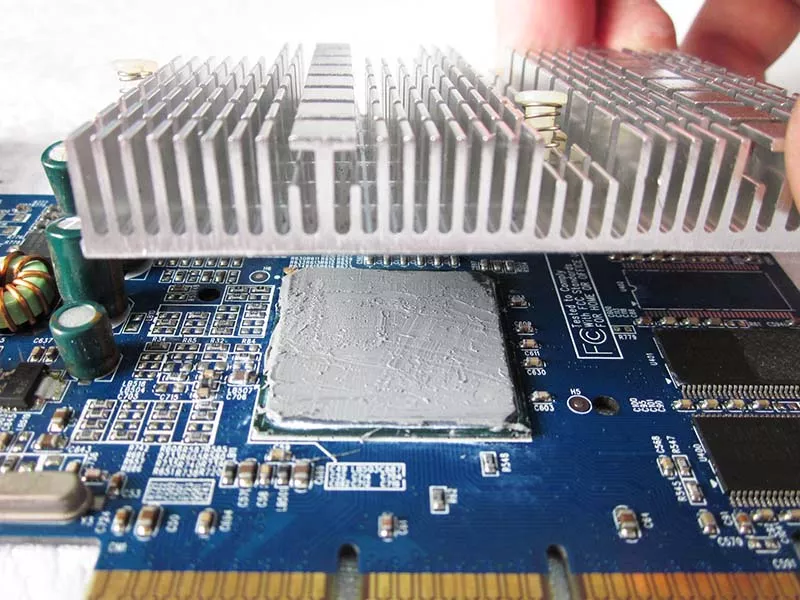
When a thermal interface material sits between a chip and a heatsink, its job is simple: move heat fast. The impact on heat dissipation and cooling performance is anything but simple.
Core performance drivers
Thermal conductivity
· Higher conductivity improves heat transfer across microscopic gaps.
· Reduced thermal resistance lowers junction temperature.
Interface behavior
· As an engineered interface material, it fills surface roughness.
· Better surface contact boosts thermal management and overall efficiency.
Application results
· Stable CPU and GPU output
· Fewer thermal spikes under load
· Reliable data center uptime
Sheen Technology formulates each thermal interface material with ceramic fillers tuned for demanding processors, keeping systems cool without overcomplicating assembly.
Precise Application via Automated Dispensing & Low Tackiness
In real production lines, precision wins.
· Controlled viscosity supports smooth automated dispensing.
· Balanced tackiness prevents stringing and messy cleanup.
· Consistent deposition ensures uniform bond line thickness.
• Better process control
• Cleaner material handling
• Higher placement precision
A smart thermal grease or thermal compound must cooperate with machines, not fight them. Sheen Technology designs its thermal interface material to align with modern application method standards, helping telecom and automotive electronics teams scale fast without sacrificing consistency.
Long-Term Reliability Backed by Pump-Out Resistance Tests
Durability decides real value. A thermal interface material that dries out or migrates under stress can wreck cooling performance over time.
Reliability validation
· Pump-out resistance:Maintains material stability during vibration and expansion.
· Thermal cycling endurance:Limits degradation across repeated heating and cooling.
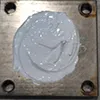
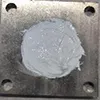
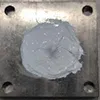
| Sheen technology SG560-10 Thermal grease High-Temperature Aging Test Results | |||||||||
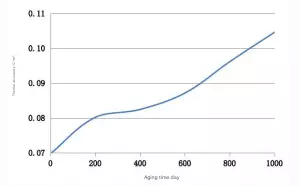
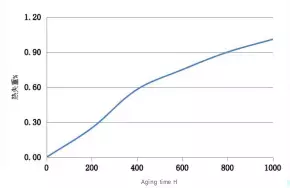
| Aging Duration(H) | 0 | 200 | 400 | 600 | 800 | 1000 | Change Rate (1000 Hours) | Acceptance Criteria | Result |
| Thermal Resistance(℃*in²/W) | 0.06975 | 0.08018 | 0.08246 | 0.08717 | 0.09615 | 0.1046 | +50% | Increase ≤ 2x | OK |
| Thermogravimetric Analysis(%) | 0 | 0.25% | 0.58% | 0.75% | 0.9% | 1.01% | -1.01% | ≤20% | OK |
 |
 |
||||||||
| Appearance | 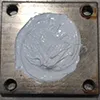 |
 |
 |
 |
 |
 |
| 0 H | 200H | 400H | 600H | 800H | 1000H |
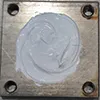
Conclusion: After 1,000 hours, thermal resistance increased by 50% and thermal weight loss was 1.01%; the high-temperature aging test was passed.
Lifecycle impact
· Extended product lifespan
· Verified performance testing results
· Strong long-term reliability in harsh environments
As a trusted thermal management partner, Sheen Technology ensures every thermal interface solution meets global compliance standards while holding steady under real-world stress.
FAQs about Thermal Interface Material
What makes a thermal interface material effective for high-performance electronics?
In CPU cooling, GPU modules, and data centers, the right thermal interface material decides how low the junction temperature can go.
1) Thermal control
· High thermal conductivity
· Low thermal impedance and controlled bond line thickness
· Stable operating temperature range for sustained heat dissipation
2) Electrical safety
· Strong dielectric strength
· Reliable electrical insulation and high volume resistivity
3) Mechanical stability
· Balanced viscosity or compressibility
· High pump-out resistance during thermal cycling
Common forms include thermal paste, thermal grease, and phase change material, often silicone-based or ceramic-filled with aluminum oxide or boron nitride. In practice, engineers look for stable performance under long-term reliability testing, not just a high number on a datasheet.
Which thermal interface material types are preferred for automotive electronics and power modules?
Automotive electronics and power semiconductors face vibration, wide temperature swings, and tight housings.
A practical comparison:
| Form Factor | Why It’s Chosen | Typical Traits |
| Thermal pad | Fast manual placement or die-cutting | Fixed thickness, good dielectric strength |
| Gap filler | Fills uneven surfaces in power modules | High compressibility, silicone-based polymer matrix |
| Thermal grease / thermal paste | Precise dispensing in automated application | Adjustable bond line thickness, strong heat dissipation |
| Thermal film | Clean assembly via stencil printing | Controlled thermal resistance |
Materials may include graphite sheets or ceramic-filled compounds. For vehicles, buyers usually insist on RoHS compliant, REACH compliant, and ISO certified manufacturing to ensure durability and traceability.
How does thermal grease differ from liquid metal in large-scale production?
The contrast is sharp and sometimes dramatic.
Thermal grease (ceramic-filled, silicone-based)
· Electrically insulating
· Applied by dispensing or screen printing
· Stable viscosity and manageable curing time
· Suitable for CPU cooling, LED lighting, telecommunications equipment
Liquid metal (metal alloy)
· Extremely high thermal conductivity
· Electrically conductive with low volume resistivity
· Demands strict surface compatibility checks
· Risk of short circuits if dielectric control fails
For mass production, thermal grease offers easier processing and safer electrical behavior. Liquid metal pushes thermal performance limits, but only where breakdown voltage risks and handling complexity are tightly controlled.
【Request a Thermal Interface Material Recommendation】Not sure which thermal interface material fits your build? Send us your device type, gap height, mounting pressure, and target thermal performance, and our team can help recommend the right grease, pad, phase change material, gap filler, or liquid metal solution.
Sheen Thermal
Dongguan Sheen Electronic Technology Co., Ltd · Founded in 2008
Manufacturer of thermal interface materials and silicone foam for automotive electronics, energy storage, power electronics, communications and consumer electronics.
Certified
- ISO 9001:2015
- ISO 14001:2015
- IATF 16949:2016
What we supply
- Thermal conductivity Up to 90 W/m·K
- Thickness 0.3–10.0 mm
- Custom & samples Die-cut to drawing, 3–7 days